
Salads can be much more than plain lettuce on a plate. They can be filling meals or simple side dishes that fit any occasion.
Whether you need a quick lunch, a dish for a cookout, or something to serve at dinner, a good salad recipe makes healthy eating easy and enjoyable.
You’ll find recipes that include proteins, grains, fresh vegetables, and homemade dressings. Each recipe uses simple ingredients that come together quickly, making them perfect for busy weeknights or weekend gatherings.
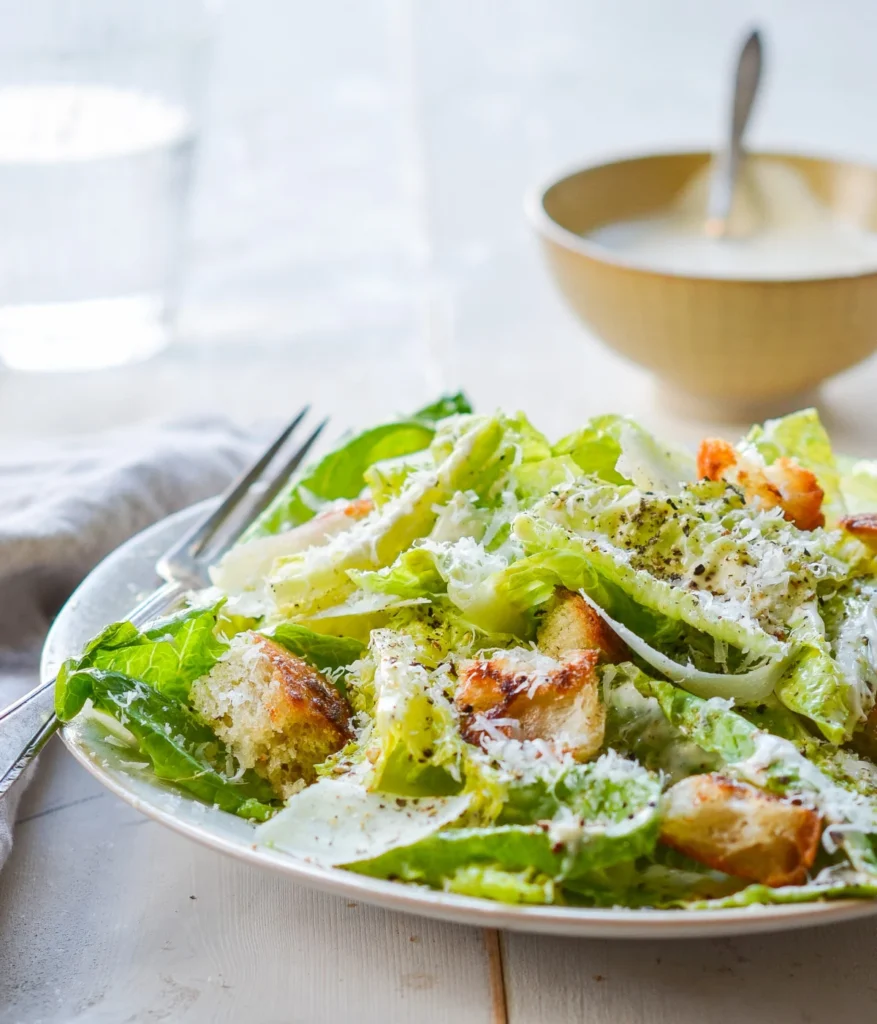
1. Classic Caesar Salad with Homemade Dressing
A Caesar salad offers crisp romaine lettuce, crunchy croutons, and fresh Parmesan cheese. Make your own dressing instead of buying it from the store.
Combine mayo, anchovies, garlic, lemon juice, and Parmesan for a creamy dressing that tastes better than restaurant versions. The garlic adds a savory kick while the lemon brightens everything up.
Toast bread cubes with olive oil and garlic to make your own croutons. They stay crunchier than packaged ones and add more flavor to each bite.

2. Caprese Salad with Fresh Mozzarella and Basil
Caprese salad is a simple Italian dish that highlights fresh summer ingredients. You only need ripe tomatoes, fresh mozzarella cheese, and basil leaves to make it.
Layer your sliced tomatoes and mozzarella on a plate, then add fresh basil leaves between them. Drizzle olive oil over the top and sprinkle with sea salt.
Add balsamic vinegar or balsamic glaze if you want extra flavor. This salad tastes best when tomatoes are in season during summer months.

3. Greek Salad with Feta and Kalamata Olives
This Greek salad brings together fresh vegetables and bold flavors in one simple dish. Combine ripe tomatoes, crisp cucumbers, and thinly sliced red onion with briny Kalamata olives and chunks of feta cheese.
For the dressing, mix olive oil with lemon juice and a sprinkle of oregano. Toss everything together or arrange the ingredients on a platter and drizzle the dressing on top.
Have this salad ready in about 10 minutes. It works well as a side dish or a light lunch.

4. Wedge Salad with Blue Cheese and Bacon
This steakhouse classic turns simple iceberg lettuce into something special. Cut the lettuce into thick wedges to keep its crisp, crunchy texture.
The star of this salad is the creamy blue cheese dressing. Use store-bought dressing or make your own with buttermilk and crumbled blue cheese.
Top your wedge with crispy bacon, diced tomatoes, and red onions. Some recipes add fried shallots or jammy eggs for extra flavor.

5. Kale and Quinoa Salad with Lemon Vinaigrette
This salad combines nutrient-rich kale with protein-packed quinoa for a filling meal. Add chickpeas, broccoli, and bell peppers for extra texture and flavor.
The lemon vinaigrette brings bright, fresh taste to the dish. Mix lemon juice, olive oil, and your choice of seasonings for a simple dressing.
This recipe works well for meal prep since both kale and quinoa hold up in the fridge. Make it ahead and enjoy it throughout the week.

6. Italian Chopped Salad with Salami and Provolone
This salad brings together crisp romaine lettuce with diced salami and provolone cheese. Add cherry tomatoes, olives, and pepperoncini for a mix of flavors.
The vegetables stay crunchy when you chop everything into small, even pieces. Chickpeas add protein and make the salad more filling.
A simple red wine vinaigrette ties all the ingredients together. Prepare this meal in about 15 to 20 minutes, making it practical for busy weeknights or casual entertaining.

7. Spinach and Strawberry Salad with Poppy Seed Dressing
This salad combines fresh spinach with sweet strawberries for a simple yet tasty dish. The mix of leafy greens and fruit creates a nice balance of flavors.
The poppy seed dressing brings everything together with its tangy and slightly sweet taste. Add pecans or almonds for crunch and feta cheese for a creamy element.
This recipe works well for summer gatherings or as a light lunch. It takes about 15 minutes to make and uses basic ingredients you can find at any grocery store.

8. Chicken Caesar Pasta Salad
Chicken Caesar Pasta Salad combines two classic dishes into one satisfying meal. You get crisp romaine lettuce, tender pasta, juicy chicken, and crunchy croutons all tossed together with creamy Caesar dressing.
This dish works great as a main course or side dish for potlucks and barbecues. The pasta holds onto the dressing well, making every bite flavorful.
Use rotini or penne pasta for the best results. Top it with plenty of Parmesan cheese and extra croutons for added texture.

9. Asian Sesame Ginger Chicken Salad
This salad brings together tender grilled chicken with crisp vegetables and a zesty sesame-ginger dressing. Enjoy the mix of flavors and textures in every bite.
The base includes romaine lettuce, shredded cabbage, and carrots for crunch. Add sliced almonds or sesame seeds for extra texture.
Wonton strips or chow mein noodles give it a satisfying crispy element. The dressing combines sesame oil, soy sauce, fresh ginger, and rice vinegar.
Prepare this meal in about 30 minutes. It works well for quick weeknight dinners or meal prep.

10. Roasted Beet and Goat Cheese Salad
This salad combines roasted beets with creamy goat cheese for a simple yet elegant dish. Roast fresh beets yourself or save time with pre-roasted vacuum-packed beets from your grocery store.
The earthy sweetness of beets pairs well with tangy goat cheese. Add arugula or mixed greens for freshness, and top with toasted walnuts or pecans for crunch.
A balsamic vinaigrette or honey-dijon dressing brings everything together.
Key Elements of a Great Salad
A truly great salad relies on four main components working together: fresh ingredients, balanced flavors, varied textures, and a well-made dressing.
Fresh Ingredients
The quality of your salad starts with the produce you choose. Fresh greens should be crisp, brightly colored, and free from wilting or brown spots.
When shopping for lettuce and greens, look for heads that feel heavy for their size and have tightly packed leaves. Store your greens properly by washing them as soon as you get home, drying them thoroughly, and keeping them in a sealed container with a paper towel to absorb excess moisture.
Mix different types of greens instead of using just one variety. This approach adds more depth to your salad’s flavor profile.
Try combining butter lettuce with arugula, or romaine with spinach. Your other ingredients matter just as much as the greens.
Use ripe tomatoes, crisp cucumbers, and fresh herbs when they’re in season. Seasonal produce tastes better and costs less than out-of-season options.
Balance of Flavors
A memorable salad combines different taste elements on your palate. Think about sweet, salty, sour, and savory components.
Add sweetness through fresh fruit like strawberries, apples, or dried cranberries. You can also use roasted vegetables like carrots or butternut squash.
Salty elements might include cheese, olives, or nuts. Sour notes come from citrus, vinegar in your dressing, or pickled vegetables.
Don’t let any single flavor dominate. Start with small amounts and taste as you go.
A handful of candied pecans provides sweetness and crunch, while a sprinkle of feta adds salt and tang.
Texture Combinations
Your salad should offer different textures in each bite. The contrast between soft, crunchy, creamy, and chewy elements makes eating more interesting.
Crunchy additions include toasted nuts, seeds, croutons, raw vegetables like bell peppers, or crispy chickpeas. Creamy components come from avocado, soft cheeses, or hard-boiled eggs.
Add chewy elements through dried fruit, grains like farro or quinoa, or cooked beans. Avoid making everything soft or everything crunchy.
Layer your textures thoughtfully so each forkful gives you variety.
Dressings and Seasonings
Your dressing ties all the ingredients together and should coat the greens lightly without drowning them. A basic vinaigrette uses three parts oil to one part acid, but you can adjust this ratio to your taste.
Make your own dressing when possible. It takes just a few minutes and tastes fresher than store-bought versions.
Whisk together oil, vinegar or citrus juice, salt, pepper, and any extras like mustard, honey, or minced garlic. Dress your salad right before serving to prevent wilting.
Use less dressing than you think you need—you can always add more. Season with salt and pepper after adding the dressing to bring out all the flavors.
Tips for Customizing Our Best Salad Recipes
You can adjust any salad recipe to match your tastes, what’s in your kitchen, or what’s in season. Small changes to ingredients and prep methods help you get more variety from the same basic recipes.
Ingredient Swaps
Greens can be swapped easily based on what you have available. Replace romaine with butter lettuce, spinach with arugula, or mixed greens with kale.
Each green brings a different texture and flavor. Proteins work interchangeably in most recipes.
Use grilled chicken instead of shrimp, chickpeas instead of chicken, or hard-boiled eggs instead of tofu. A 3-ounce serving of protein per salad keeps you full.
Cheese options depend on the flavor you want. Swap feta for goat cheese, parmesan for pecorino, or blue cheese for gorgonzola.
You can also leave cheese out completely or add nuts for a similar creamy texture. Dressings change the entire character of a salad.
Use balsamic vinaigrette instead of ranch, lemon tahini instead of Caesar, or honey mustard instead of Italian. Keep the ratio of 3 parts oil to 1 part acid when making your own.
Seasonal Adaptations
Spring salads work best with asparagus, peas, radishes, and fresh herbs like mint or dill. Add strawberries or early cherries for sweetness.
Summer versions include tomatoes, cucumbers, corn, bell peppers, and stone fruits like peaches or nectarines. These ingredients taste best from June through August.
Fall salads benefit from roasted butternut squash, apples, pears, beets, and Brussels sprouts. Add dried cranberries or pomegranate seeds for color and flavor.
Winter options use citrus fruits, fennel, radicchio, and hearty greens like kale or cabbage. Roasted vegetables add warmth and substance during cold months.
| Season | Best Produce | Suggested Additions |
|---|---|---|
| Spring | Asparagus, peas, radishes | Strawberries, mint |
| Summer | Tomatoes, corn, cucumbers | Peaches, basil |
| Fall | Squash, apples, beets | Cranberries, pecans |
| Winter | Citrus, fennel, cabbage | Pomegranate, walnuts |
Making Salads Ahead
Wash and dry greens up to 3 days before serving. Store them in containers lined with paper towels to absorb excess moisture.
Wet greens get slimy and spoil faster. Prep vegetables by chopping, slicing, or roasting them 1-2 days ahead.
Keep wet ingredients like tomatoes and cucumbers separate from greens until you’re ready to eat. Store dressing separately until serving time.
Even hardy greens get soggy when dressed too early. Pack dressing in small containers or jars for easy transport.
Layer ingredients properly in mason jars for grab-and-go meals. Put dressing on the bottom, then hard vegetables, grains or proteins, and greens on top.
This method keeps salads fresh for up to 4 days. Add delicate toppings like croutons, nuts, or crispy items right before eating.
They lose their crunch when they sit in the fridge.
Frequently Asked Questions
Making great salads at home becomes easier when you know which ingredients work best together and how to prepare them properly. These answers cover everything from quick lunch options to weight-loss-friendly choices.
What are some quick and easy salad recipes for a healthy lunch?
A Greek salad comes together in minutes with just lettuce, tomatoes, cucumbers, feta cheese, and kalamata olives. Toss everything in a bowl with olive oil and lemon juice for a simple dressing.
Kale and quinoa salad works well for meal prep since both ingredients hold up in the fridge for several days. The lemon vinaigrette adds brightness without weighing down the greens.
What are the top dinner salad recipes that are both filling and flavorful?
A wedge salad with blue cheese and bacon gives you enough protein and fat to feel satisfied. The crisp iceberg lettuce provides crunch while the creamy dressing and salty bacon add flavor.
Caesar salad becomes a complete meal when you add grilled chicken or shrimp. Make the homemade dressing with garlic, anchovies, and parmesan for a rich taste that turns the salad into a main dish.
Can you suggest some salad recipes that are suitable for a main course?
Kale and quinoa salad works as a main course because quinoa provides complete protein and keeps you full longer. Add chickpeas or grilled chicken to boost the protein even more.
A wedge salad with bacon already contains protein from the bacon and cheese. Add hard-boiled eggs or leftover steak to make it even more filling for dinner.
How to prepare a Caprese salad that tastes authentic?
Start with fresh mozzarella, not the pre-shredded kind from a bag. Use mozzarella packed in water for a soft, creamy texture.
Choose ripe tomatoes at room temperature, not cold from the fridge. Slice both the tomatoes and mozzarella about a quarter-inch thick and arrange them on a plate.
Add whole fresh basil leaves between the slices. Drizzle good quality extra virgin olive oil over everything and finish with a sprinkle of salt and black pepper.
Some people add balsamic vinegar, but traditional Caprese salad skips it to let the simple flavors shine.
What are the essential ingredients for a tasteful summer salad?
Summer salads need fresh, ripe produce that’s in season. Tomatoes, cucumbers, and corn all taste better in summer and work well in salads.
Fresh herbs like basil, mint, or cilantro add brightness to summer salads. Use a light dressing made with lemon juice or vinegar to keep things refreshing in hot weather.
Include something creamy like fresh mozzarella or feta cheese to balance acidic ingredients. Add a little fat from cheese, nuts, or avocado to make the salad more satisfying.
Which salad recipes are recommended for effective weight loss?
Kale and quinoa salad gives you fiber and protein without many calories.
The lemon vinaigrette keeps the calorie count low compared to creamy dressings.
Greek salad contains healthy fats from olives and feta cheese that help you feel full.
Skip the pita bread and use extra vegetables to keep calories down.
Choose salads with lots of raw vegetables and lean protein.
Avoid heavy dressings, candied nuts, and fried toppings that add extra calories without much nutrition.