
Salmon is one of the most popular fish choices for home cooks. It cooks quickly, tastes great, and works well with many different flavors and cooking methods.
Whether you’re making a simple weeknight dinner or planning something special, salmon is a reliable option.
This collection brings together a variety of salmon recipes that cover different cooking techniques, from baking and grilling to pan-searing and glazing. You’ll find options that range from sweet and savory glazes to spicy seasonings and fresh herb combinations.
Each recipe helps you make a complete meal that fits your schedule and taste preferences.
The recipes include helpful cooking tips and suggestions for side dishes that pair well with salmon. You’ll learn the basics of preparing salmon correctly so it turns out tender and flavorful every time.
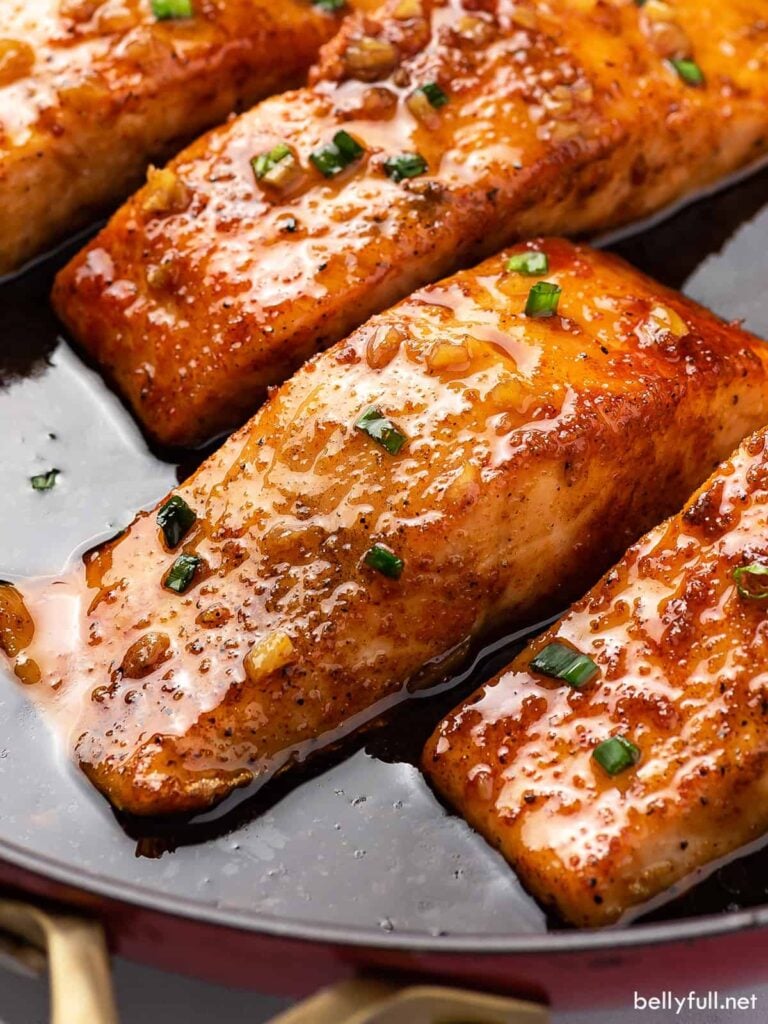
1. Honey Garlic Glazed Salmon
This dish combines sweet honey with savory garlic for a simple weeknight meal. You can make it in about 20 to 30 minutes from start to finish.
The glaze uses honey, garlic, soy sauce, and a touch of acid like lemon or lime juice. You coat the salmon before cooking and let it caramelize in the oven or on the stovetop.
You get tender, flaky fish with a sticky coating. Pair it with rice and vegetables for a complete dinner.

2. Cedar Plank Grilled Salmon
Cedar plank grilling gives salmon a smoky flavor while keeping it moist. You soak the plank in water first, then place your seasoned salmon on top.
The wood prevents the fish from sticking to your grill grates. Cook your salmon over indirect heat for about 20 to 25 minutes until it reaches 130 degrees inside.
Use simple seasonings like lemon, garlic, and herbs. A quick marinade adds extra flavor and helps keep the fish tender during cooking.

3. Pan-Seared Lemon Butter Salmon
Pan-seared salmon delivers a crispy golden crust on the outside while staying tender and flaky inside. You can make this restaurant-quality dish in about 20 minutes.
Heat your pan over medium-high heat and cook the salmon skin-side up first for about 4 minutes. Then flip and continue cooking until it reaches 145°F inside.
The lemon butter sauce adds brightness and richness. You combine butter, lemon juice, and garlic to create a glossy topping that pairs perfectly with the crispy fish.

4. Maple Dijon Baked Salmon
This recipe combines sweet maple syrup with tangy Dijon mustard to create a balanced glaze. You can have dinner ready in about 20 to 25 minutes.
The glaze caramelizes as it bakes, giving your salmon a sticky finish. You only need a few basic ingredients: salmon fillets, maple syrup, Dijon mustard, and garlic.
Salmon provides omega-3 fatty acids, making this a healthy choice. Pair it with vegetables or grains for a complete meal.

5. Teriyaki Salmon Bowls
Teriyaki salmon bowls bring together protein-packed salmon with rice and fresh vegetables in one satisfying meal. You can make this dinner in about 30 minutes.
The salmon gets coated in a sweet and savory teriyaki sauce that caramelizes as it cooks. You can broil, pan-sear, or bake the fish based on your preference.
Common toppings include edamame, avocado, cucumber, and sesame seeds over a base of white or brown rice. The combination gives you a balanced meal with different textures and flavors in every bite.

6. Spicy Cajun Salmon
Cajun salmon brings bold Louisiana flavors to your dinner table in just 15 to 30 minutes. You coat the salmon fillets with a mix of Cajun spices that adds heat and depth to the fish.
You can cook this dish several ways. Pan searing creates a crispy, blackened crust. Baking in the oven works well for busy weeknights. Grilling adds a smoky flavor.
The spice rub includes paprika, garlic powder, and cayenne pepper. Adjust the heat level to match your taste preferences.

7. Salmon Tacos with Mango Salsa
Salmon tacos bring together savory fish with sweet tropical fruit in one simple meal. You can make this dish in about 30 minutes on a busy weeknight.
Season the salmon with spices like paprika and chili powder. Cook it in a pan or on the grill until it flakes easily with a fork.
The mango salsa adds a fresh, sweet flavor that balances the spiced salmon. Mix diced mango with lime juice and cilantro.
Add toppings like avocado, cabbage, or a simple lime crema to finish your tacos.

8. Herb-Crusted Salmon
This recipe turns your salmon into a restaurant-quality meal in about 30 minutes. You coat the fish with a mix of fresh herbs, breadcrumbs, and a touch of lemon zest before baking.
The crust creates a golden, crispy top layer while keeping the salmon tender inside. Use herbs like rosemary, thyme, or parsley based on what you have available.
Pair it with roasted vegetables or a simple salad for a complete meal.

9. Salmon with Creamy Dill Sauce
This dish brings together tender salmon and a rich dill sauce in just 30 minutes. You’ll need basic ingredients like sour cream or Greek yogurt, fresh dill, and lemon juice.
Bake the salmon while you prepare the sauce. Use mayonnaise, sour cream, or yogurt as your base, then add chopped dill and lemon for brightness.
The creamy sauce pairs well with the mild flavor of salmon.

10. Miso-Glazed Salmon
Miso-glazed salmon combines sweet and savory flavors in one simple dish. The glaze uses miso paste to create a rich umami taste that coats the fish perfectly.
You can make this recipe in about 20 to 30 minutes from start to finish. The fish turns out flaky and tender under the glossy glaze.
Serve it with steamed rice and vegetables for a complete meal.
Essential Tips for Cooking Perfect Salmon
The difference between dry, disappointing salmon and a perfectly cooked fillet comes down to selecting quality fish and using the right techniques. Following proper safety practices protects both the quality of your meal and your health.
Choosing the Right Type of Salmon
Wild-caught and farm-raised salmon each offer different qualities for your dinner table. Wild salmon like sockeye and coho tend to be leaner with a more intense flavor, while farm-raised Atlantic salmon has higher fat content and a milder taste.
Look for salmon with firm, moist flesh that springs back when you touch it. The color should be vibrant, ranging from deep red to pink depending on the variety.
Avoid fish with brown spots, gaps in the flesh, or a strong fishy smell. Fresh salmon should smell clean and ocean-like.
Your fishmonger can help you pick the best option based on what’s available that day. Frozen salmon works well too if it was flash-frozen shortly after being caught.
Salmon fillets are the most common and easiest to work with for weeknight dinners. Salmon steaks include the bone and cook slightly differently.
A whole side of salmon works best when you’re feeding a crowd.
Best Cooking Methods and Techniques
Pan-searing creates a crispy skin and takes only 10-15 minutes from start to finish. Heat your pan until it’s hot, add oil, and place the salmon skin-side down.
Don’t flip it too early or the skin will stick. Baking at 400°F works for any size fillet and requires minimal attention.
Roasting at higher temperatures gives you a slightly caramelized exterior. Grilling adds smoky flavor but requires careful attention to prevent sticking.
Avoid overcooking. Salmon continues cooking after you remove it from heat, so take it off when it’s slightly translucent in the center.
The internal temperature should reach 125-130°F for medium doneness. Cooking times vary based on thickness, but most fillets need 4-6 minutes per side when pan-frying or 12-15 minutes when baking.
Safety Guidelines for Handling Salmon
Store raw salmon in the coldest part of your refrigerator and use it within two days of purchase. Keep it wrapped in its original packaging or place it in an airtight container.
Wash your hands, cutting boards, and utensils with hot soapy water after handling raw salmon. Never use the same plate for raw and cooked fish without washing it first.
This prevents cross-contamination with other foods. Freeze salmon at 0°F or below if you won’t cook it within two days.
Thaw frozen salmon in the refrigerator overnight, never on the counter. You can also thaw it in cold water if you need it faster, changing the water every 30 minutes.
Cook salmon to an internal temperature of at least 145°F if you prefer it fully cooked, though many people enjoy it at lower temperatures for a softer texture.
Pairing Suggestions and Side Dishes
The right sides and sauces can turn a simple salmon dinner into a complete meal. Focus on ingredients that complement salmon’s rich flavor without overpowering it.
Recommended Grains and Vegetables
Grains provide a neutral base that soaks up salmon’s natural oils. Quinoa works well because it cooks in 15 minutes and adds protein to your meal.
Rice pairs naturally with salmon, whether you choose white, brown, or jasmine varieties. Wild rice offers a nutty flavor that matches salmon’s richness.
Roasted vegetables are your best choice for salmon dinners. Asparagus needs just 12 minutes in a 400°F oven with olive oil and salt.
Broccoli and Brussels sprouts develop a crispy texture when roasted at high heat. Green beans stay crisp with a quick steam or sauté.
Fresh salads add brightness to rich salmon. Arugula and spinach need only a light vinaigrette.
You can add cherry tomatoes, cucumbers, or avocado for extra texture. Potatoes remain a classic pairing.
Roasted baby potatoes take 25 minutes at 425°F. Mashed potatoes provide a creamy contrast to flaky salmon.
Sauces and Marinades to Enhance Flavor
Simple sauces enhance salmon without masking its taste. Lemon butter sauce combines melted butter, fresh lemon juice, and minced garlic in under 5 minutes.
Dill cream sauce mixes sour cream, fresh dill, and lemon zest for a cool, tangy flavor. Marinades add flavor before cooking.
Soy sauce mixed with honey and ginger creates an Asian-inspired taste. Combine olive oil, lemon juice, and herbs for a Mediterranean style.
Quick Sauce Combinations:
- Maple and mustard for sweet heat
- Teriyaki with sesame seeds for umami depth
- Garlic and herb butter for classic flavor
- Balsamic glaze with honey for sweet tang
Keep marinades to 30 minutes or less. Longer times can make salmon mushy.
Apply sauces during the last few minutes of cooking or serve them on the side.
Frequently Asked Questions
What are some easy salmon dinner recipes for a weeknight meal?
Pan-Seared Lemon Butter Salmon takes less than 20 minutes from start to finish. You simply cook the salmon in a hot skillet for about 4 minutes per side, then add butter and fresh lemon juice.
Teriyaki Salmon Bowls offer another quick option. You can use store-bought teriyaki sauce and serve the cooked salmon over rice with your choice of vegetables.
Maple Dijon Baked Salmon requires minimal prep work. You mix maple syrup with Dijon mustard, brush it on the fish, and bake for 12-15 minutes at 400°F.
How can I cook salmon to ensure it is moist and flavorful?
Don’t overcook your salmon. The fish is done when it reaches an internal temperature of 125-130°F for medium doneness.
Keep the skin on during cooking to protect the flesh from drying out. The skin acts as a barrier between the heat and the delicate meat underneath.
Pat your salmon dry before cooking. Excess moisture prevents proper browning and can make your fish steam instead of sear.
Marinating or glazing adds both moisture and flavor. Honey Garlic Glazed Salmon and Maple Dijon Baked Salmon both use sweet glazes that caramelize during cooking and keep the fish moist.
What are the best side dishes to complement a salmon dinner?
Roasted vegetables pair well with salmon. Try asparagus, Brussels sprouts, or green beans seasoned with olive oil and salt.
Rice or grain bowls work perfectly with glazed salmon dishes. White rice, brown rice, or quinoa absorb the flavorful sauces from dishes like Teriyaki Salmon Bowls.
Light salads balance richer salmon preparations. A simple arugula or mixed greens salad with lemon vinaigrette pairs nicely with Pan-Seared Lemon Butter Salmon.
Roasted or mashed potatoes offer a more filling option. Sweet potatoes taste especially good with maple or honey-glazed salmon.
What type of salmon is most suitable for baking, and why?
Atlantic salmon works best for baking. Its higher fat content keeps it moist during the longer cooking time required for oven preparations.
King salmon (also called Chinook) is another excellent choice. Its rich, buttery texture holds up well to the dry heat of baking.
Avoid thinner cuts like wild sockeye for baking. These leaner varieties dry out more easily in the oven, though they work fine if you watch them carefully.
Choose fillets that are at least 1 inch thick. Thicker pieces cook more evenly and are less likely to overcook in recipes like Maple Dijon Baked Salmon.
Can you suggest some healthy salmon recipes for those on a diet?
Cedar Plank Grilled Salmon is naturally low in added fats. The cedar plank infuses flavor without requiring oils or butter.
Make Pan-Seared Lemon Butter Salmon lighter by reducing the butter and adding more fresh lemon juice and herbs. You still get plenty of flavor with fewer calories.
Prepare Teriyaki Salmon Bowls with homemade teriyaki sauce using less sugar. Pair with brown rice and add vegetables like edamame, cucumber, and carrots.
Baked salmon dishes allow you to control the ingredients. Reduce the amount of maple syrup or honey in glazes and add garlic, ginger, or citrus for flavor.
What are the key spices and herbs that enhance the taste of salmon?
Dill is a classic pairing with salmon. Its light, slightly sweet flavor complements the fish without overpowering it.
Garlic adds depth to most salmon preparations. Fresh minced garlic works in dishes like Honey Garlic Glazed Salmon and pan-seared recipes.
Lemon and citrus brighten the natural richness of salmon. Fresh lemon juice, lemon zest, or even orange can cut through the fattiness.
Black pepper and paprika provide warmth. Smoked paprika adds an extra layer of flavor that works especially well with grilled preparations like Cedar Plank Grilled Salmon.
Ginger pairs perfectly with Asian-inspired dishes. Fresh grated ginger enhances Teriyaki Salmon Bowls and other soy-based recipes.