
Salvadoran cuisine combines native ingredients with Spanish influences to create bold, flavorful dishes that represent the country’s rich history. The food reflects a mix of indigenous cooking methods and European traditions, built around staples like corn, beans, and fresh ingredients.
This guide explores the essential dishes that define Salvadoran cooking, from street food favorites to traditional home-cooked meals. You’ll discover how simple ingredients transform into satisfying dishes that have fed Salvadoran families for generations.
The cuisine includes hearty soups, stuffed pastries, refreshing drinks, and comfort foods that showcase the country’s diverse culinary traditions.
1. Pupusas
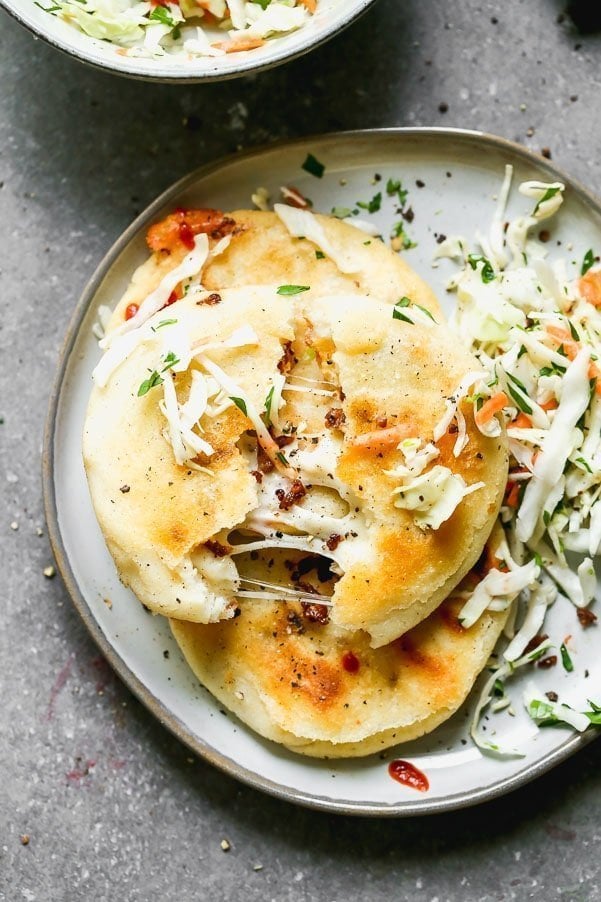
Pupusas are El Salvador’s national dish and the heart of its cuisine. These thick, handmade corn cakes are stuffed with savory fillings before cooking.
People fill them with cheese, refried beans, or seasoned meat. The dough uses masa harina, a type of corn flour that gives pupusas their authentic taste and texture.
When you cook them on a griddle, they develop a golden, slightly crispy outside while staying soft inside. You typically eat them with curtido, a tangy cabbage slaw that adds crunch and brightness to each bite.

2. Curtido
Curtido is a tangy fermented cabbage slaw that appears alongside nearly every Salvadoran meal. This zesty condiment combines shredded cabbage, carrots, and onions in a vinegar-based brine with oregano and a hint of spice.
People serve curtido primarily with pupusas, but it also pairs well with tacos and grilled meats. The fermentation process gives it a probiotic boost while creating that signature tangy crunch.
Think of curtido as El Salvador’s answer to sauerkraut or kimchi, though it’s milder and more refreshing than either.

3. Yuca con Chicharrón
Yuca con chicharrón combines tender cassava root with crispy fried pork. You’ll find this dish at street food stands and family gatherings throughout El Salvador.
Cooks boil or fry the yuca until soft inside. They top it with crunchy chicharrón, which is deep-fried pork belly or pork skin.
A fresh cabbage salad with lemon juice and spicy tomato sauce called chimol often accompanies it. You can enjoy this dish as a side or appetizer.

4. Tamales
Salvadoran tamales are made from corn masa and wrapped in banana leaves instead of corn husks. The banana leaves give them a unique flavor that sets them apart from tamales in other countries.
People fill them with chicken, pork, beans, or vegetables, along with a seasoned tomato-based sauce. The masa is mixed with chicken broth and spices before being wrapped and steamed.
Salvadorans serve tamales during holidays and family gatherings. Preparing them brings people together in the kitchen.

5. Sopa de Pata
Sopa de Pata is a hearty Salvadoran soup that brings together beef feet, tripe, and vegetables in a rich broth. You’ll find ingredients like yuca, corn, carrots, and cabbage throughout the dish.
The soup takes time to prepare since the meat needs to simmer until tender. The broth becomes deeply flavorful from the bones and spices.
People enjoy this soup as comfort food. You can find it served throughout El Salvador and other parts of Latin America.

6. Empanadas
Salvadoran empanadas are sweet pastries made from mashed plantains and fried until golden. The dough has a crispy outside and soft inside.
These empanadas are filled with sweetened milk custard or refried beans. The milk version is called empanadas de leche and uses a vanilla custard filling.
You can find them at street vendors and family tables throughout El Salvador. People eat them for breakfast, as snacks, or for dessert.

7. Semita
Semita is a traditional Salvadoran sweet bread that works well for breakfast or as a snack. You’ll find it pairs nicely with coffee or hot chocolate.
The bread combines cheese, pineapple, raisins, and sesame seeds into one treat. These ingredients reflect El Salvador’s agricultural traditions and create a unique flavor.
You can enjoy semita throughout the day.

8. Gallo en Chicha
Gallo en Chicha is a traditional Salvadoran stew you’ll find served at special celebrations. The name means “rooster in chicha,” referring to the chicken cooked in chicha, a fermented corn drink.
This dish combines savory and sweet flavors in one pot. You’ll taste the unique blend of meat with vegetables like carrots and potatoes, plus ingredients such as olives, prunes, and sesame seeds.
Families typically make Gallo en Chicha for important occasions like New Year’s or birthdays. The dish requires time and patience to develop its rich flavors.

9. Atol de Elote
Atol de Elote is a traditional Salvadoran corn beverage with roots in Mayan cuisine. This thick, creamy drink combines fresh corn kernels with milk, sugar, and warming spices like cinnamon.
You can enjoy it warm or chilled, making it suitable year-round. Many Salvadoran families serve it during the rainy season as a comforting treat.
The drink is thick enough that you can eat it with a spoon. It works well as a breakfast option, dessert, or afternoon snack.

10. Enchiladas Salvadorenas
Enchiladas Salvadorenas are different from Mexican enchiladas. These are flat, crispy corn tortillas topped with layers of ingredients instead of rolled and covered in sauce.
People top them with seasoned ground beef or chicken, refried beans, and cheese. Each enchilada gets finished with curtido (pickled cabbage), tomato sauce, and sliced hard-boiled eggs.
They’re popular as street food in El Salvador. You can enjoy them for lunch or dinner.
Cultural Significance of Salvadoran Cuisine
Salvadoran food represents more than just meals on a plate. It connects people to their history through indigenous ingredients and cooking methods while bringing families and communities together during important celebrations.
Traditions and Celebrations
Food plays a central role in Salvadoran family gatherings and national celebrations. Pupusas, the country’s most famous dish, bring families together every Sunday when many households gather to make and share them.
During religious holidays like Semana Santa (Holy Week), you’ll find specific dishes that mark these occasions. Families prepare special foods that have been passed down for centuries.
Each recipe carries memories and stories from previous generations. Street food vendors also play an important role in daily life.
They provide gathering spots where communities connect over familiar flavors and shared experiences.
Influences and Heritage
Salvadoran cuisine blends indigenous, Spanish, and African culinary traditions. The indigenous peoples like the Pipil, Lenca, Maya Poqomam, and Maya Ch’orti’ contributed corn-based dishes and native ingredients that remain fundamental today.
Spanish colonization introduced new cooking techniques, meats, and spices that merged with existing food practices. This combination created unique dishes you won’t find anywhere else.
African influences also shaped certain cooking methods and flavor profiles. The country’s agricultural abundance determines what appears on your plate.
Corn serves as the foundation for most traditional foods, reflecting its sacred status in indigenous cultures. You’ll taste this history in every tortilla and pupusa.
Geographic location matters too. Coastal areas feature more seafood dishes while highland regions focus on hearty stews and corn-based foods.
Expert Tips for Enjoying Salvadoran Dishes
Salvadoran meals taste best when paired with the right drinks and served in the traditional way. These simple tips will help you get the most flavor and authenticity from your Salvadoran cooking.
Pairing with Traditional Beverages
Horchata is the most popular drink to serve with pupusas and other heavy dishes. This sweet rice-based drink includes cinnamon and sometimes ground seeds like morro or cocoa.
The creamy texture and mild sweetness balance out the rich, savory flavors of cheese-filled pupusas or fried yuca. Atol de elote works well with breakfast dishes or lighter meals.
This warm corn-based drink has a thick consistency and natural sweetness from fresh corn. You can serve it alongside tamales or sweet breads.
Tamarindo and ensalada are two fruit drinks that cut through fatty foods. Tamarindo has a tangy flavor from tamarind pods, while ensalada combines chopped fruits in a sweet liquid base.
Both drinks help cleanse your palate between bites of fried foods or meat dishes. Coffee is essential with Salvadoran desserts.
El Salvador produces high-quality coffee beans, so a strong cup pairs naturally with sweet treats after your meal.
Serving and Presentation Advice
Serve pupusas immediately after cooking while they’re still hot and crispy. Stack them on a plate with curtido (pickled cabbage slaw) and salsa roja on the side.
The curtido should be cold and crunchy to contrast with the warm pupusas. Use traditional clay or ceramic dishes when possible.
These hold heat well and add authenticity to your presentation. For soups like sopa de res, serve them in deep bowls to keep the broth hot.
Place condiments in small separate bowls so everyone can add their preferred amounts. Common toppings include lime wedges, chopped cilantro, sliced radishes, and hot sauce.
This lets each person customize their dish to their taste.
Frequently Asked Questions
Salvadoran cuisine centers on corn-based dishes, hearty stews, and fresh accompaniments that blend indigenous and Spanish cooking traditions. The flavors tend to be mild to moderate, with most heat coming from added salsas rather than the dishes themselves.
What are the classic dishes to try when exploring Salvadoran cuisine?
Pupusas are the most iconic dish you’ll encounter. These thick corn tortillas come stuffed with cheese, beans, pork, or loroco (an edible flower bud).
They’re served with curtido, a tangy cabbage slaw, and tomato salsa. Yuca con chicharrón pairs fried cassava root with crispy pork belly and curtido.
Tamales in El Salvador use corn masa wrapped in banana leaves and filled with chicken or pork. Sopa de pata is a traditional soup made with cow’s feet, tripe, vegetables, and corn.
Other essential dishes include sopa de res (beef soup), carne asada (grilled beef), and casamiento (rice and beans cooked together).
Can you list the staple ingredients found in traditional Salvadoran recipes?
Corn forms the foundation of Salvadoran cooking. You’ll find it in pupusas, tamales, tortillas, and beverages.
White corn is the preferred variety for most traditional recipes. Beans, particularly red beans, appear in many dishes either whole or refried.
Loroco is an aromatic flower bud that adds a unique flavor to pupusas and other foods. Rice serves as a side dish for most meals.
Other key ingredients include yuca (cassava), plantains, tomatoes, onions, bell peppers, and cilantro. Queso fresco (fresh cheese) is used in pupusas and as a topping for various dishes.
What are some Salvadoran food items you would recommend for a first-time taster?
Start with pupusas de queso (cheese pupusas) or pupusas revueltas (mixed with cheese, beans, and pork). These are mild and easy to enjoy.
The curtido that comes with them adds a refreshing tang without overwhelming heat. Yuca frita (fried yuca) makes a good appetizer or side dish.
It has a texture similar to french fries but with a slightly sweet, earthy flavor. Platanos fritos (fried sweet plantains) offer a sweet contrast to savory dishes.
For drinks, try horchata de morro, a creamy beverage made from ground seeds, or kolashampan, a popular local soda.
Where can I find authentic Salvadoran food eateries?
Look for pupuserias in areas with significant Salvadoran communities. These restaurants specialize in pupusas and often serve other traditional dishes.
Many cities in the United States have Salvadoran restaurants in neighborhoods with Central American populations. You can search online directories and review sites for Salvadoran restaurants in your area.
Look for establishments that advertise handmade pupusas and traditional preparation methods. Food trucks and market stalls sometimes offer Salvadoran specialties.
Ask local community groups or cultural organizations for recommendations on authentic spots.
How does Salvadoran Quesadilla differ from the Mexican version?
Salvadoran quesadilla is a sweet pound cake, not a tortilla dish. It contains rice flour, cheese, butter, eggs, and milk.
The texture is dense and moist, similar to cornbread but sweeter. You’ll typically find it served as a dessert or snack with coffee.
The cheese adds a subtle savory note that balances the sweetness. Some versions include sesame seeds on top.
This bears no resemblance to the Mexican quesadilla, which is a folded tortilla filled with cheese and other ingredients.
What to expect in terms of flavor and spice levels in Salvadoran cooking?
Salvadoran food is generally mild compared to Mexican cuisine. Most dishes don’t include hot peppers or spicy seasonings.
The cuisine focuses on the natural flavors of the ingredients. Heat comes from salsas and condiments you add yourself.
Salsa roja (red sauce) provides moderate spice. Curtido offers tangy acidity without heat.
You control how much spice you want. The flavor profile emphasizes savory, earthy, and slightly tangy notes.
Dishes are well-seasoned but not overwhelming. Fresh ingredients and simple preparation let the core flavors shine through.