
Salvadoran cuisine brings together indigenous ingredients and Spanish cooking methods to create dishes that are both simple and full of flavor. The food centers around corn, beans, cheese, and fresh vegetables.
These basic ingredients transform into meals that feed families and bring people together.
This collection shows you how to make traditional Salvadoran dishes at home, from stuffed corn cakes to sweet desserts. You’ll learn about the most popular foods from El Salvador and understand what makes them special.
The recipes cover main dishes, side items, drinks, and sweets that represent the country’s food culture. You’ll also find tips about key ingredients and cooking methods that help you get authentic results in your own kitchen.
1. Pupusas with cheese and loroco
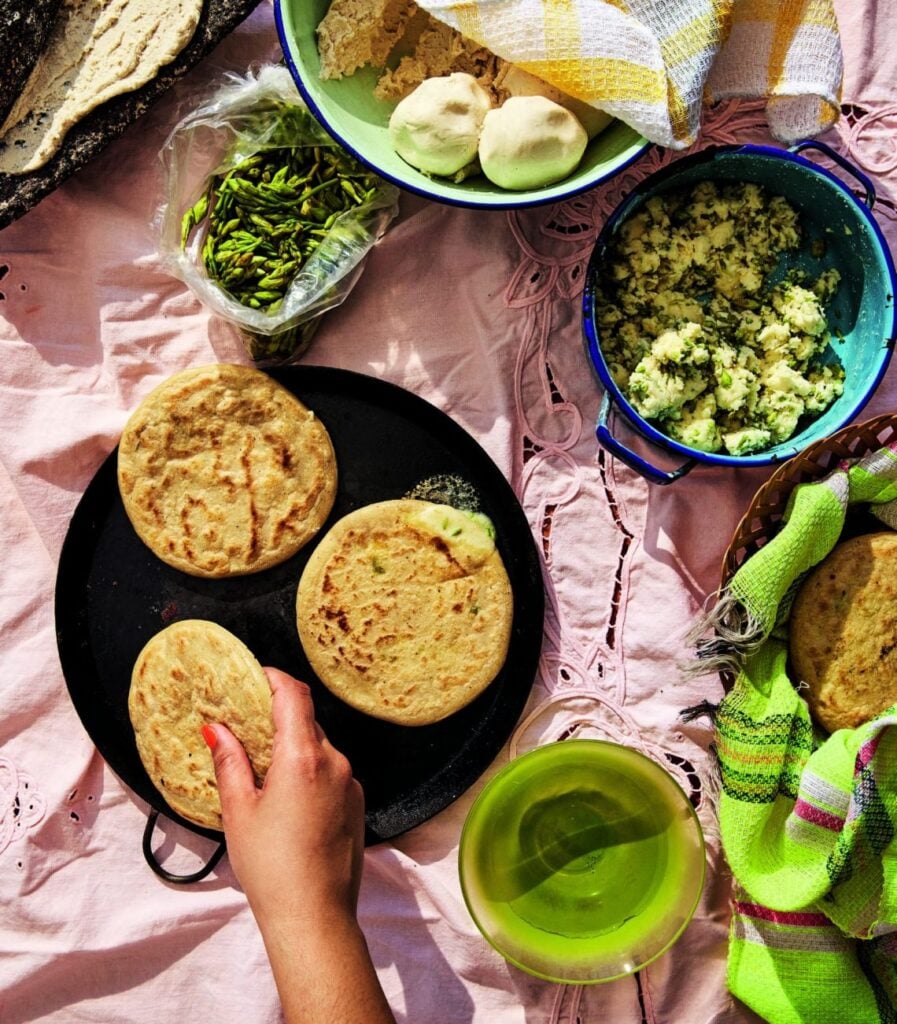
Pupusas are thick corn tortillas stuffed with delicious fillings. You make them from masa dough and fill them with cheese and loroco flower buds.
Loroco adds an earthy, slightly floral taste that makes these pupusas special. Use mozzarella and Monterey Jack cheese for the best melty texture.
Cook your pupusas on a hot griddle until golden brown on both sides. Serve them hot with curtido cabbage slaw and salsa roja on the side.

2. Classic Salvadoran Curtido
Curtido is a tangy cabbage slaw that’s essential to Salvadoran cooking. You make it with shredded cabbage, carrots, and onions pickled in vinegar and spices.
This crunchy relish is similar to sauerkraut but has a lighter, fresher taste. You’ll find it served alongside pupusas in almost every Salvadoran home.
The vinegar and spices give curtido its signature tang. Adjust the heat level by adding more or less pepper to match your taste.

3. Tamales de Elote
Tamales de Elote are a beloved Salvadoran dish made from fresh sweet corn. These tamales have a soft texture and slightly sweet flavor that sets them apart from other varieties.
The main ingredient is ground corn kernels mixed with butter, milk, and a touch of sugar. Wrap the mixture in corn husks and steam until cooked through.
You can enjoy these tamales for breakfast or as a side dish. They’re often served with Salvadoran sour cream, which adds a tangy contrast to the sweet corn flavor.

4. Gallo en Chicha
Gallo en Chicha is a traditional Salvadoran chicken stew that stands out for its unique cooking method. The dish features chicken cooked in chicha, a fermented corn drink, along with panela.
You’ll find carrots, potatoes, olives, prunes, and sesame seeds in this flavorful stew. The fermented chicha creates a tangy, rich sauce that makes this dish special.
Many home cooks use pineapple juice and apple cider vinegar as substitutes for traditional chicha. This makes the recipe more accessible while maintaining its distinctive taste.

5. Atol de Elote
Atol de Elote is a traditional Salvadoran corn drink that you can enjoy warm or cold. Make it with fresh corn kernels, milk, sugar, and cinnamon.
This sweet and creamy beverage works well as a snack, breakfast drink, or dessert. Salvadoran families often serve it during the rainy season and at special gatherings.
The drink has a smooth texture and a natural corn sweetness. You can find it served at festivals and family celebrations throughout El Salvador.

6. Yuca Frita with Crema
Yuca frita is a beloved Salvadoran dish that gives you crispy golden pieces on the outside with a soft, creamy center. Start by boiling yuca root until tender, then fry the pieces until they turn golden brown.
The real magic happens when you serve it with crema. This tangy Salvadoran cream balances the crispy texture perfectly.
You can enjoy yuca frita as a snack, side dish, or appetizer. Both fresh and frozen yuca work well for this recipe, making it easy to prepare at home.

7. Semita cake
Semita is a beloved Salvadoran sweet bread that comes in different styles. You’ll find two main types: semita pacha and semita alta.
Both feature a soft, tender dough that’s often filled with delicious ingredients. The most popular version is semita de piña, which contains a sweet pineapple jam filling.
Other common fillings include cheese, raisins, and sesame seeds. Enjoy this pastry for breakfast or as a snack with coffee or hot chocolate.

8. Refried Red Beans
Refried red beans are a staple in Salvadoran cooking. You’ll find them served at breakfast with eggs and plantains, or as a side dish for lunch and dinner.
The traditional Salvadoran style makes these beans smoother than Mexican versions. Cook small red beans with cumin, black pepper, and salt for about two to three hours until soft.
Then blend them until creamy. The beans get their rich flavor from being cooked slowly with onions and simple spices.
Serve them with rice, pupusas, or as a dip.

9. Sopa de Pata
Sopa de Pata is one of El Salvador’s most traditional soups. It features cow’s feet and tripe, simmered in a rich broth with vegetables like yuca, corn, and plantains.
The soup combines different textures and flavors in each bowl. Popular vegetables include carrots, cabbage, and guisquil.
The long cooking time creates a deeply savory broth. Many Salvadorans enjoy this soup as a hangover remedy due to its hearty nature.

10. Empanadas de Plátano
These sweet plantain empanadas are a beloved Salvadoran dessert. You create the dough from mashed ripe plantains, which gives it a naturally sweet flavor and soft texture.
The traditional filling is leche poleada, a creamy milk pudding that contrasts perfectly with the plantain dough. After frying, roll them in sugar for extra sweetness.
Finding the right ripeness in your plantains is key to success. Each Salvadoran family has their own recipe passed down through generations.
Cultural Significance of Salvadoran Cuisine
Salvadoran food connects families and communities through time-tested cooking techniques. The cuisine blends indigenous, Spanish, and African influences to create dishes that tell the story of El Salvador’s history.
Traditional Cooking Methods
Many Salvadoran dishes rely on cooking methods passed down through generations. The comal, a flat griddle, sits at the heart of Salvadoran kitchens.
Families use it to cook pupusas, tortillas, and other corn-based foods just as their ancestors did centuries ago. Stone grinding tools called metates transform corn into masa dough.
This hands-on process creates the right texture for traditional dishes. Many cooks still prefer these methods over modern appliances because they produce better flavor and consistency.
Clay pots remain popular for slow-cooking stews and soups. These pots distribute heat evenly and add subtle earthy notes to the food.
Dishes like Pollo Guisado develop deeper flavors when prepared this way. Wood-fired ovens give breads and tamales their distinctive taste.
The smoke and high heat create results that electric ovens can’t match.
Role in Salvadoran Celebrations
Salvadoran families gather around specific foods during important events throughout the year. Pupusas appear at birthday parties, family reunions, and Sunday gatherings.
Making pupusas together strengthens family bonds as different generations work side by side. Religious holidays call for special dishes.
Families prepare tamales wrapped in banana leaves for Christmas and New Year’s celebrations. Holy Week brings out seafood dishes and meatless options.
Independence Day celebrations on September 15th feature traditional foods from street vendors and home kitchens. Communities come together to share plates of gallo en chicha and other regional specialties.
Weddings and quinceañeras showcase the best of Salvadoran cooking. You’ll find tables filled with bistec encebollado, rice dishes, and an array of traditional desserts that guests expect at these milestone events.
Essential Ingredients and Cooking Tips
Salvadoran cooking relies on a handful of key ingredients that appear across many dishes, from corn-based staples to specific spices and fresh produce. Understanding these ingredients and mastering a few basic techniques will help you create authentic flavors in your own kitchen.
Staple Ingredients in Salvadoran Recipes
Corn forms the foundation of Salvadoran cooking. You’ll need masa harina (corn flour) for pupusas and tamales, which gives these dishes their distinctive texture and taste.
Beans are another essential ingredient. Red beans and black beans both feature heavily in Salvadoran meals, either whole or refried.
You’ll also want to stock crema (Salvadoran sour cream), which is thinner and less tangy than American sour cream. Fresh vegetables like tomatoes, onions, and bell peppers appear in most recipes.
Loroco, an edible flower bud native to Central America, adds a unique flavor to pupusas and other dishes. If you can’t find loroco, you can sometimes substitute it with squash blossoms, though the flavor won’t be exactly the same.
Common seasonings include cumin, garlic, chicken bouillon, and bay leaves. Keep these spices on hand for most Salvadoran recipes.
Tips for Authentic Flavors
Start with the right masa consistency. When making pupusas, your masa should feel like soft Play-Doh.
If it cracks when you press it, add water one tablespoon at a time. Cook pupusas on medium-high heat until light brown spots appear on both sides.
Don’t press down on them while cooking, as this pushes out the filling. Curtido (pickled cabbage slaw) tastes better when made at least a few hours ahead.
The flavors develop as the cabbage sits in the vinegar mixture. Some cooks prefer to let it ferment at room temperature for a day before refrigerating.
Use a comal (flat griddle) or cast iron skillet when possible. These cooking surfaces distribute heat evenly and create the right texture for tortillas and pupusas.
Frequently Asked Questions
Pupusas need curtido, tamales require careful preparation, and chicken dishes call for specific seasonings. These common questions help you navigate Salvadoran cooking with confidence.
Pupusas filled with cheese and loroco make an excellent centerpiece for your dinner. Pair them with classic Salvadoran curtido and refried beans on the side.
Tamales de elote add variety to your menu with their sweet corn flavor. Gallo en chicha brings a unique taste with chicken cooked in fermented corn drink.
Atol de elote serves as a warm, comforting beverage to complete the meal.
How can I make an authentic curtido recipe for my pupusas?
You need shredded cabbage, carrots, and onions as your base vegetables. Add vinegar, water, and salt to create the pickling liquid.
Let the mixture sit for at least two hours before serving. The cabbage should soften slightly but still have a crisp texture.
Adjust the vinegar amount based on how tangy you want your curtido.
What ingredients are essential for a genuine Salvadoran chicken recipe?
Salvadoran chicken dishes use basic ingredients like chicken pieces, onions, and tomatoes. You need garlic for flavor along with bell peppers for sweetness.
For gallo en chicha specifically, you require chicha (fermented corn drink) as the cooking liquid. Add cumin, oregano, and bay leaves for traditional seasoning.
Some recipes call for achiote to give the dish its distinctive color.
Can you suggest easy Salvadoran recipes for beginners in the kitchen?
Pupusas with cheese filling are your best starting point. The dough only needs masa harina, water, and salt.
Shape the dough, add cheese, and cook them on a griddle. Curtido requires no cooking at all.
Just shred vegetables and mix them with vinegar and salt. Atol de elote is another simple option that involves blending corn with milk and sugar.
Where can I find a complete Salvadoran recipe guide in PDF format?
Many cooking websites offer downloadable recipe collections. You can search for Salvadoran cookbooks that provide PDF versions of their content.
Look for resources from Central American culinary organizations or cultural centers. Some food blogs compile their Salvadoran recipes into free downloadable guides.
Check your local library database for digital cookbooks focused on Latin American cuisine.
How is ‘Gallo en Chicha’ traditionally prepared in El Salvador?
You marinate chicken pieces in chicha, a fermented corn beverage that gives the dish its name. The chicken sits in this mixture with spices for several hours.
Cook the marinated chicken in the same liquid until it becomes tender. Add vegetables like potatoes, carrots, and bell peppers during cooking.
The chicha creates a slightly sweet and tangy sauce that flavors the meat.