
Smoking meat and other foods creates deep flavors that you can’t get from other cooking methods. A smoker uses low heat and wood smoke over several hours to transform simple ingredients into tender, flavorful dishes.
Whether you have a pellet grill, offset smoker, or kettle setup, the basic principles remain the same. This collection brings together recipes for beef, pork, chicken, seafood, and sides that work on any type of smoker.
You’ll find options ranging from classic barbecue staples to unexpected dishes that benefit from wood-fired cooking. Each recipe includes clear steps and cooking times to help you achieve good results.
You’ll learn which meats are most forgiving for beginners and how to control temperature for consistent cooking. The tips and pairing suggestions will help you plan complete meals that make the most of your smoker’s capabilities.
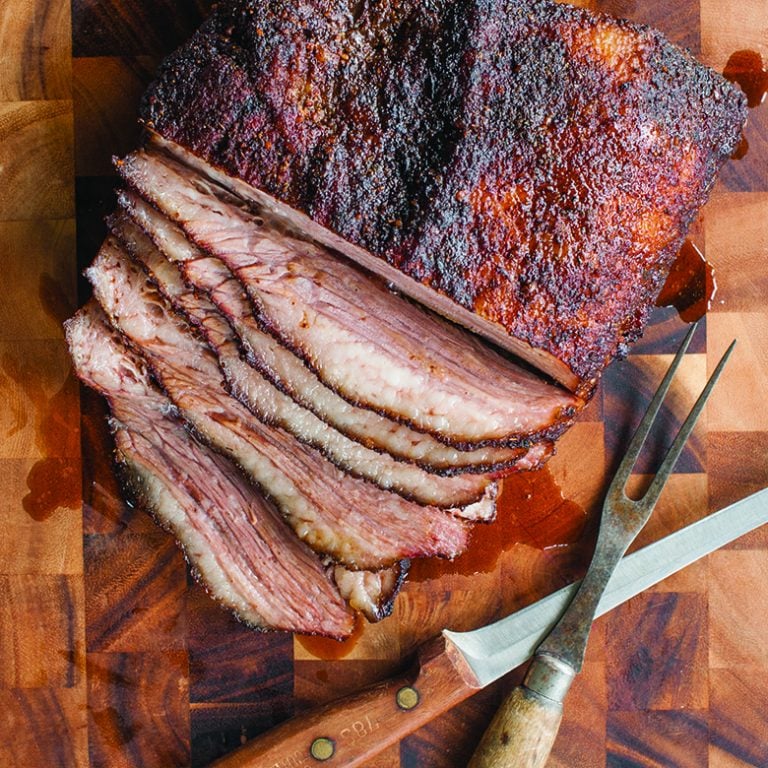
1. Smoked Beef Brisket
Smoked beef brisket is one of the most popular BBQ dishes you can make. The process takes time, but the results are worth it.
You need a good cut of brisket, usually 10-15 pounds. A simple rub of salt and pepper works well for Texas-style brisket.
Smoke your brisket at 225-250°F for about 1-1.5 hours per pound. The meat is done when it reaches an internal temperature of 200-205°F and feels tender when you probe it.

2. Pulled Pork Shoulder
Pork shoulder is a must-try for your smoker. This cut becomes incredibly tender when you cook it low and slow.
Apply a dry rub before smoking. Most recipes use a mix of sweet and spicy seasonings.
Smoke the meat for several hours until it reaches an internal temperature of around 195-203°F. Once it’s done, you can pull the pork apart easily with forks.
The result is juicy, flavorful meat that works great in sandwiches or on its own.

3. Smoked Chicken Thighs
Chicken thighs are perfect for smoking because they stay juicy and develop crispy skin. You don’t need to brine them or use complicated marinades.
Start with bone-in, skin-on thighs for the best results. Apply a simple dry rub to the meat and smoke them skin-side up at 250°F.
The thighs are ready when they reach an internal temperature of 165°F. Keep them skin-side up during the entire cook so the fat renders properly and the skin gets crispy.
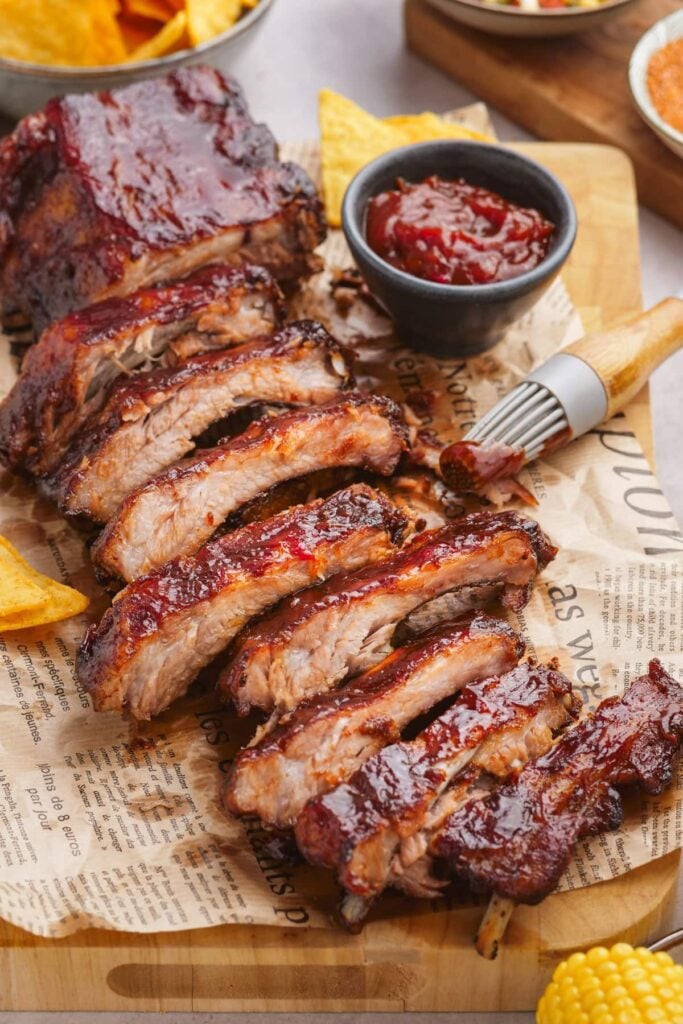
4. Baby Back Ribs
Baby back ribs are one of the best meats to cook in your smoker. The low and slow cooking method makes them tender and fills them with smoky flavor.
You can use popular methods like 3-2-1 or 2-2-1 to get great results. These numbers tell you how many hours to smoke uncovered, wrapped, and uncovered again.
Start by coating your ribs with a dry rub before smoking. Cook them at 225-250°F for several hours.
Near the end, brush on your favorite barbecue sauce to create a sticky, caramelized finish.

5. Smoked Meatloaf
Smoked meatloaf takes a classic comfort food and adds rich, smoky flavor that transforms your dinner. You’ll use ground beef mixed with simple seasonings like garlic and onions.
The smoking process keeps your meatloaf moist while creating a flavorful crust on the outside. Most recipes include a sweet glaze made from ketchup, brown sugar, and honey that caramelizes as it cooks.
You can make this dish on any smoker or grill. It works well for beginners since the steps are straightforward and hard to mess up.

6. Smoked Salmon
Smoked salmon delivers rich, smoky flavor that makes any meal special. You can use any type of smoker to achieve great results, from pellet grills to traditional smokers.
Start with fresh, high-quality salmon fillets. Apply a simple dry brine with salt and sugar, then let it sit for a few hours.
Rinse the brine off and let the fish dry before smoking. Smoke at low temperatures around 180-225°F.
The process takes about 1-3 hours depending on thickness. You’ll know it’s done when the salmon flakes easily and reaches an internal temperature of 145°F.

7. Smoked Sausages
Smoked sausages are a simple addition to your smoker that delivers big flavor with minimal effort. You can toss them directly on the grates without any prep work.
The smoky taste transforms store-bought sausages into something special. They work well for weeknight dinners or weekend gatherings.
Try different varieties like kielbasa, bratwurst, or Italian sausage to find your favorite. The process is straightforward and takes just a few hours.

8. Smoked Turkey Breast
Smoking a turkey breast gives you tender, juicy meat without cooking a whole bird. You can use either bone-in or boneless cuts, and both work well in any smoker.
Start by brining your turkey breast for several hours to keep the lean meat moist. Apply a dry rub before smoking to build flavor on the surface.
Smoke your turkey breast at 225-250°F until it reaches an internal temperature of 165°F. The cooking time varies based on size, but expect 3-4 hours for most cuts.

9. Smoked Mac and Cheese
Smoked mac and cheese transforms a classic comfort food into something special. The smoke adds depth to the creamy, cheesy sauce without overpowering it.
You can make this dish entirely on your smoker using a cast iron pan or disposable aluminum tray. Mix cooked pasta with a cheese sauce made from cheddar, gouda, or your favorite varieties.
Smoke at 225-250°F for about two hours. Add a crispy panko topping during the last 30 minutes for texture.
The result is rich, creamy mac and cheese with a subtle smoky flavor that works as either a side dish or main course.

10. Smoked Lamb Chops
Lamb chops take on incredible flavor when you smoke them. The process is straightforward and takes just over an hour.
Choose cuts that are 1 to 1.5 inches thick for the best results. You can smoke any type of lamb chop, including rib, loin, or shoulder cuts.
A simple marinade with rosemary and garlic works well with lamb’s rich taste. Hickory or applewood chips add the right amount of smoke without overpowering the meat.
Keep your smoker at a steady temperature until the chops reach your preferred doneness.
Essential Tips For Smoking Success
Getting great results from your smoker requires three core skills: selecting wood that matches your food, preparing meat correctly before it hits the grates, and following proper safety practices throughout the smoking process.
Choosing The Right Wood
Different woods create different flavors in your smoked food. Hickory gives a strong, bacon-like taste that works well with pork and beef.
Mesquite is even stronger and pairs best with red meats for shorter cooking times. Oak provides a medium smoke flavor that works with almost anything.
Fruit woods like apple and cherry give lighter, sweeter smoke. These are perfect for chicken, pork, and fish.
Pecan sits between hickory and fruit woods in terms of strength. Start with small amounts of wood and add more as needed.
Avoid softwoods like pine or cedar, as they contain resin that makes food taste bad. Never burn treated or painted wood.
Add too much wood at once and you create bitter smoke. You want thin, blue-white smoke, not thick white clouds.
Soak wood chips for 30 minutes before using them, but leave chunks dry since they burn slower.
Meat Preparation Best Practices
Pat your meat dry with paper towels before adding any rubs or seasonings. Moisture on the surface prevents smoke from sticking properly and slows down bark formation.
Apply your rub at least 30 minutes before smoking, or up to 24 hours ahead for larger cuts. Salt needs time to work into the meat.
For brisket and pork shoulder, use a simple base of salt and pepper before adding other spices. Let meat sit at room temperature for 30-60 minutes before smoking.
This helps it cook more evenly. Trim excess fat to about 1/4 inch thick.
Too much fat won’t render properly, and too little leaves the meat dry.
Quick prep checklist:
- Remove meat from packaging and pat dry
- Trim fat to 1/4 inch
- Apply rub generously
- Let meat rest at room temperature
- Set up your smoker while meat warms up
Safety Guidelines When Smoking
Never use your smoker indoors or in enclosed spaces. Smoke and carbon monoxide need proper ventilation.
Keep your smoker at least 10 feet away from your house, garage, or any flammable materials. Use a reliable meat thermometer to check internal temperatures.
Pork should reach 145°F for whole cuts or 195-205°F for pulled pork. Chicken needs to hit 165°F.
Beef brisket is safe at 145°F but becomes tender at 200-205°F. Keep raw and cooked foods separate.
Use different plates and utensils for handling uncooked meat. Wash your hands with soap after touching raw meat.
Check your smoker’s grease tray regularly and clean it between uses. Built-up grease can catch fire.
Keep a fire extinguisher nearby and never leave your smoker unattended for extended periods.
Pairing And Serving Smoked Dishes
Smoked meats develop deep flavors that work best when balanced with the right sides, sauces, and drinks. Choose accompaniments that either complement the smoky taste or provide contrast through acidity, sweetness, or freshness.
Perfect Side Dishes
Classic coleslaw cuts through rich smoked meats with its tangy crunch. The acidity from vinegar-based slaws helps cleanse your palate between bites of fatty brisket or pulled pork.
Smoked mac and cheese doubles down on smoky flavor while adding creamy texture. The cheese sauce picks up wood smoke in your smoker, creating a side that stands on its own.
Baked beans bring sweetness that pairs well with savory meats. You can smoke them alongside your main dish to add another layer of flavor.
Fresh cornbread soaks up meat juices and sauces. Its slight sweetness and light texture balance heavier smoked dishes without competing for attention.
Potato salad offers a cool, creamy contrast to hot smoked meats. The starch helps temper spicy rubs and intense smoke flavors.
Sauce Recommendations
Vinegar-based sauces work best with fatty cuts like pork shoulder. The acid cuts through richness and enhances the meat’s natural flavor.
Tomato-based barbecue sauces suit beef and chicken. Choose thicker Kansas City-style sauces for robust meats or thinner options for lighter proteins.
Mustard sauces complement smoked chicken and turkey. Their sharp tang adds brightness without overwhelming delicate poultry flavors.
Alabama white sauce pairs perfectly with smoked chicken. This mayo-based sauce with vinegar and black pepper adds creaminess and tang.
Serve sauces on the side instead of coating your meat. This lets guests control how much they use and lets your smoke work shine through.
Beverage Pairing Ideas
Cold beer matches most smoked dishes well. Light lagers work with chicken and fish, while amber ales and stouts stand up to beef brisket.
Iced tea provides a non-alcoholic option that refreshes your palate. Sweetened versions complement spicy rubs, while unsweetened tea balances rich meats.
Red wines like Zinfandel or Syrah pair with beef and lamb. Their bold fruit flavors and tannins cut through fat and smoke.
Bourbon and whiskey enhance smoky flavors in your food. Serve them neat or over ice alongside pork ribs or brisket.
Lemonade offers sweet-tart refreshment that cleanses your palate between bites. Its acidity works especially well with fatty cuts.
Frequently Asked Questions
Starting with a smoker can raise questions about cooking times, meat selection, and technique. Fatty cuts like pork shoulder and brisket work best for low and slow cooking, while leaner options like chicken thighs need careful attention to stay moist.
What are some good beginner-friendly recipes for smoking meat?
Chicken thighs are one of the easiest meats to start with because they cook faster than larger cuts and stay moist thanks to their higher fat content. You can smoke them at 275°F for about 2 hours until they reach an internal temperature of 165°F.
Pulled pork shoulder is another forgiving option for beginners. The high fat content means you have more room for error, and the meat becomes tender even if you slightly overshoot your target temperature.
Baby back ribs offer a good balance between cooking time and impressive results. They typically take 4-5 hours at 225°F and give you practice with temperature control without requiring an overnight cook.
Can you suggest unique recipes for using a smoker?
Smoked meatloaf takes a classic comfort food and adds a layer of wood-fired flavor. Smoke it at 250°F for about 3 hours to achieve a deeper smoky taste than traditional oven-baked versions.
Smoked mac and cheese is a creative side dish that works well in a smoker. The cheese sauce absorbs the smoky flavor, and the dish develops a crispy top layer.
Try smoking vegetables like whole cauliflower, stuffed peppers, or portobello mushrooms. These options offer variety beyond traditional meat dishes and cook in 1-2 hours.
What is the best way to smoke chicken for maximum flavor?
Brine your chicken before smoking to keep it moist and flavorful. Use a simple salt and sugar brine for 4-8 hours before smoking.
Smoke chicken thighs at 275°F to get crispy skin and tender meat. The higher temperature renders the fat better than lower smoking temperatures.
Apply a dry rub at least 30 minutes before smoking so the flavors penetrate the meat. Choose woods like apple or cherry for a mild, sweet smoke that complements poultry.
How can you prepare ribs in a smoker for tender, fall-off-the-bone results?
Use the 3-2-1 method for spare ribs: smoke for 3 hours unwrapped, 2 hours wrapped in foil, and 1 hour unwrapped with sauce. For baby back ribs, use the 2-2-1 method.
Remove the membrane from the back of the ribs before seasoning. This step lets smoke and seasoning reach the meat and prevents chewiness.
Wrap ribs in foil during the middle stage with a small amount of liquid like apple juice. This helps break down the connective tissue and keeps the meat tender.
Are there any smoker recipes that can be completed within 2 hours?
Chicken wings cook quickly in a smoker and need about 90 minutes at 275°F. They develop crispy skin and absorb smoke flavor in a short time.
Tenderloin cuts like pork or beef tenderloin finish in 2-3 hours depending on thickness. These lean cuts cook faster but require attention to avoid drying out.
Smoke salmon for just 1-2 hours at lower temperatures around 180-200°F. The fish absorbs smoke quickly and offers a different smoking experience from larger meat cuts.
Which smoker recipes are suitable for catering to large groups?
Pulled pork shoulder is the most economical choice for feeding crowds. One 8-pound shoulder yields enough meat for 16-20 sandwiches.
You can cook multiple shoulders at once. They take up less space than you might expect.
Smoked beef brisket serves large groups well. A full packer brisket provides 25-30 servings.
Plan for about 1/3 pound of cooked meat per person when calculating how much you need.
Baby back ribs work for groups when you calculate 1 full rack per 2-3 people. You can stack multiple racks in rib racks to maximize your smoker space and cook for everyone at once.