
Smoothies offer a fast and simple way to pack fruits, vegetables, and other nutritious ingredients into one drinkable meal or snack. Whether you need a quick breakfast before work or a refreshing treat in the afternoon, you can blend smoothies in just minutes.
You can customize smoothies to match your taste preferences and dietary needs.
This collection brings together our most popular smoothie recipes that combine different flavors, from sweet fruit blends to nutrient-rich green options. You’ll also learn about the key ingredients that boost nutrition and discover practical tips to improve your smoothie-making skills.
Each recipe is designed to be straightforward so you can make them again and again without hassle.
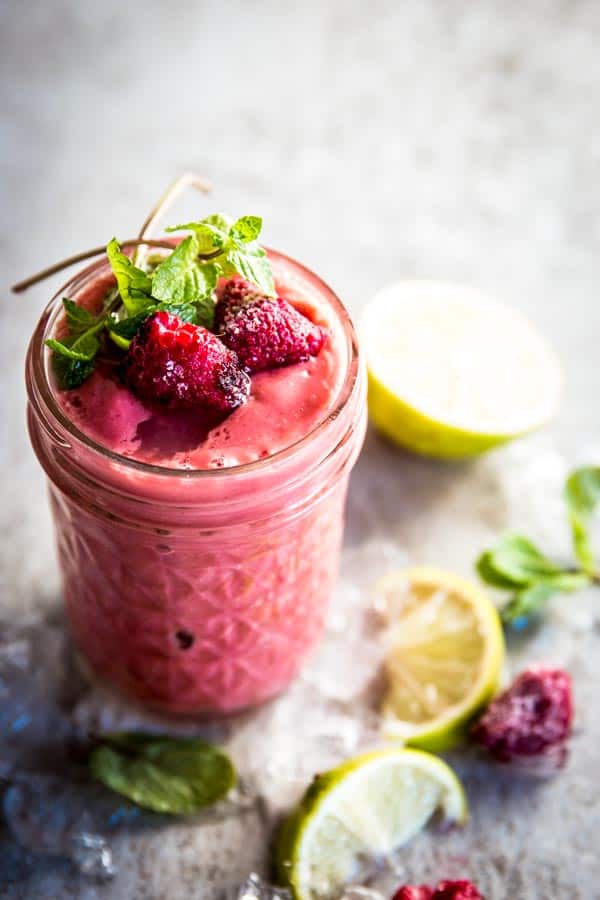
1. Mango Raspberry Smoothie
This smoothie combines sweet mango with tart raspberries for a balanced flavor. You can make it in about 5 to 10 minutes using a blender.
The basic recipe uses frozen fruit, which creates a thick texture without ice. Add your choice of milk or juice as the liquid base.
Many people include yogurt for creaminess and extra protein. You can boost nutrition by adding chia seeds or protein powder.
A squeeze of lime or lemon juice brightens the flavor.

2. Peanut Butter Banana Smoothie
This classic smoothie combines just four basic ingredients: banana, peanut butter, milk, and a touch of cinnamon. You can blend it up in under five minutes for a quick breakfast or snack.
The recipe works with any type of milk you prefer. Add oats or Greek yogurt if you want extra protein and a thicker texture.
The natural sweetness from ripe bananas means you don’t need added sugar.
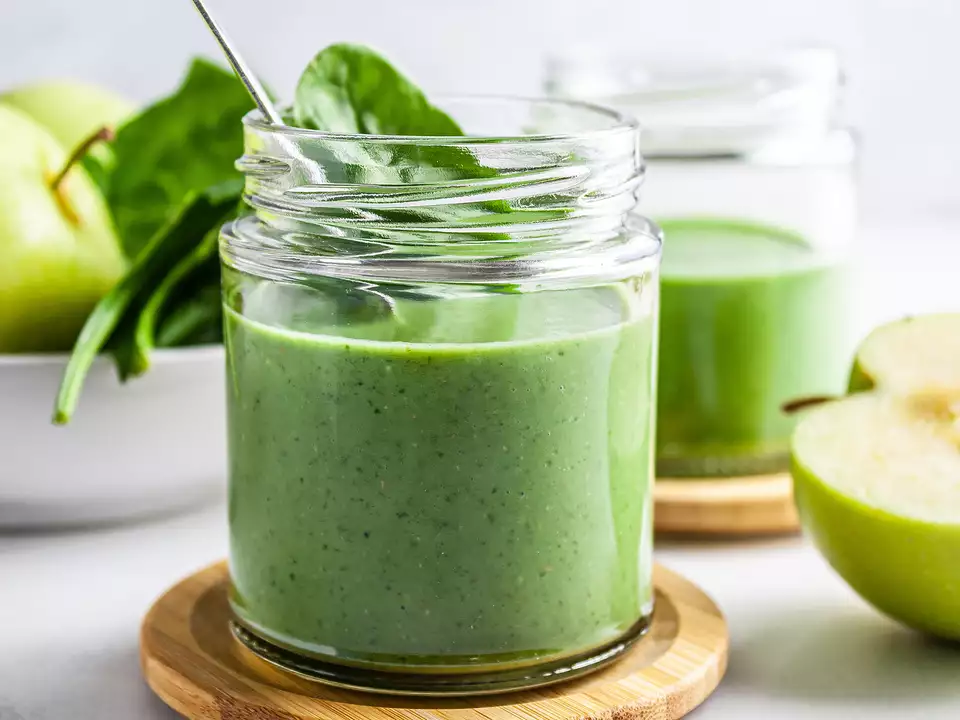
3. Green Apple Spinach Smoothie
This smoothie combines crisp green apples with fresh spinach for a refreshing drink. You can make it in just five minutes with basic ingredients.
The apple provides natural sweetness while the spinach adds nutrients without overpowering the taste. You won’t notice a strong vegetable flavor in the finished drink.
You can blend it with almond milk or regular milk depending on your preference.

4. Blueberry Flaxseed Smoothie
This smoothie combines blueberries with flaxseed for a quick breakfast option. You can blend frozen or fresh blueberries with Greek yogurt, banana, and ground flaxseed in about five minutes.
Flaxseed adds fiber and omega-3 fatty acids. The blueberries provide natural sweetness and antioxidants.
Greek yogurt brings protein to help keep you full.

5. Carrot Ginger Smoothie
This smoothie offers a refreshing way to enjoy vegetables in your breakfast routine. Carrots provide natural sweetness along with vitamin A and fiber, while ginger adds a zesty kick.
You can blend raw carrots with fresh ginger, pineapple, and banana for a simple recipe. Some versions include orange, yogurt, or mango for extra creaminess and flavor.
You’ll get anti-inflammatory benefits from the ginger and a nutrient-rich drink that’s ready in about five minutes.

6. Avocado Kale Protein Smoothie
This smoothie combines creamy avocado with nutrient-rich kale for a filling breakfast option. You’ll get healthy fats from the avocado and vitamins from the kale in every sip.
The recipe works well with plant-based protein powder or Greek yogurt. Add a banana for natural sweetness and a smoother texture.
You can use fresh or frozen kale depending on what you have available. Blend everything with your choice of milk until smooth.

7. Strawberry Banana Yogurt Smoothie
This classic combination works perfectly for breakfast or a quick snack. You only need four basic ingredients to make it.
Blend frozen strawberries and banana with yogurt and milk until smooth. Greek yogurt adds extra protein and creates a thicker texture.
The frozen fruit makes your smoothie cold and creamy without needing ice. You can use regular or dairy-free milk based on your preference.

8. Tropical Pineapple Coconut Smoothie
This smoothie combines sweet pineapple with creamy coconut for a refreshing tropical drink. You can make it in about five minutes using fresh or frozen pineapple, coconut milk, and a banana for extra creaminess.
The drink provides vitamin C from the pineapple and healthy fats from the coconut. You can add Greek yogurt for protein or use coconut water as your liquid base.
Try topping your smoothie with chia seeds or toasted coconut flakes for added texture.

9. Chocolate Almond Smoothie
This smoothie combines chocolate and almond flavors into a drink that works well for breakfast or as a snack. You’ll need almond milk, almond butter, banana, cocoa powder, and ice cubes to make it.
The recipe takes about five minutes to prepare. Blend all ingredients until smooth for a creamy texture.
Almonds provide healthy fats and protein. The banana adds natural sweetness so you won’t need much extra sugar.
You can add chia seeds for extra fiber if you want.

10. Mixed Berry Oatmeal Smoothie
A mixed berry oatmeal smoothie combines frozen berries with oats to create a filling breakfast option. The oats add fiber and make the drink more satisfying than fruit alone.
You can blend strawberries, blueberries, and raspberries with Greek yogurt and a liquid base like milk or juice. The oats blend into a creamy texture when mixed with the other ingredients.
You can prepare it in just a few minutes using pantry staples and frozen fruit.
Key Ingredients for Nutrient-Packed Smoothies
Building a nutritious smoothie means choosing ingredients that provide vitamins, minerals, protein, and healthy fats. The right mix of fruits, vegetables, protein sources, and superfoods creates a balanced drink that keeps you full and energized.
Best Fruits and Vegetables
Fruits form the sweet base of most smoothies while delivering essential vitamins and antioxidants. Berries like blueberries and strawberries provide high amounts of antioxidants with less sugar than tropical fruits.
Bananas add natural sweetness and create a creamy texture while offering potassium. Mangoes and pineapples bring tropical flavor along with vitamin C.
Dragon fruit adds color and nutrients without overpowering other flavors.
Vegetables boost nutrition without adding many calories. Spinach blends smoothly and provides iron and vitamins without changing the taste much.
Kale offers more nutrients but has a stronger flavor. Cucumber adds hydration and creates a lighter texture.
Carrots bring beta-carotene and natural sweetness. Start with mild vegetables like spinach if you’re new to green smoothies.
Protein and Healthy Fat Additions
Protein keeps you satisfied longer and helps your body repair and build tissue. Greek yogurt adds protein and probiotics while creating a thick, creamy texture.
Cottage cheese offers even more protein with a mild taste that blends well. Protein powder works if you need extra protein or want a dairy-free option.
Nut butters like almond or peanut butter provide both protein and healthy fats. Healthy fats help your body absorb vitamins and keep you full.
Avocado makes smoothies creamy without adding flavor. Chia seeds and flaxseeds provide omega-3 fatty acids and fiber.
Nuts like almonds or walnuts add texture and nutrients. Coconut adds flavor along with healthy fats.
Superfoods for an Extra Boost
Superfoods pack high amounts of nutrients into small servings. Matcha powder provides antioxidants and gentle energy from natural caffeine.
Spirulina adds protein and nutrients but use small amounts because of its strong taste. Cacao powder gives chocolate flavor with antioxidants and minerals.
Goji berries offer vitamin C and amino acids. Turmeric adds anti-inflammatory benefits when combined with black pepper for better absorption.
Acai powder delivers antioxidants and creates a berry flavor. Hemp seeds provide complete protein and omega fatty acids.
Add one or two superfoods per smoothie rather than mixing too many at once.
Tips for Perfecting Your Smoothie Texture and Flavor
The right blending method and flavor balance can turn a basic smoothie into something you’ll want to make every day. These techniques focus on getting the texture smooth and creamy while making sure your drink tastes good from the first sip to the last.
Blending Techniques for Creaminess
Start with liquids at the bottom of your blender, then add soft ingredients, and finish with frozen items on top. This layering helps your blender pull everything down into the blades without getting stuck.
Blend on low speed for 10-15 seconds to break down the bigger chunks. Then switch to high speed for 30-60 seconds until you see no more pieces.
Stop and scrape down the sides if needed.
Key ingredients for smooth texture:
- Frozen banana (adds thickness)
- Greek yogurt or silken tofu
- Nut butter (1-2 tablespoons)
- Avocado (quarter to half)
Add ice sparingly because too much makes smoothies watery as it melts. Use frozen fruit instead for cold drinks that stay thick.
If your smoothie is too thick, add liquid one tablespoon at a time. If it’s too thin, add more frozen fruit or a handful of ice.
Balancing Sweetness and Tartness
Natural sweetness comes from ripe bananas, dates, or mango. You need less added sweetener when your fruit is fully ripe.
Tart ingredients like berries, citrus juice, or plain yogurt keep smoothies from tasting too sweet. A good starting ratio is two parts sweet fruit to one part tart ingredient.
Adjust from there based on what you like.
Common balance adjustments:
- Too sweet: Add lemon juice, lime juice, or unsweetened yogurt
- Too tart: Add honey, maple syrup, or sweet fruit like banana
- Flat taste: Add a pinch of salt or vanilla extract
Taste your smoothie before pouring it out. You can always blend in more ingredients, but you can’t take them out once they’re mixed in.
Frequently Asked Questions
Making smoothies involves choosing the right ingredients and understanding basic techniques. The key is balancing nutrition with taste while keeping recipes simple enough for daily use.
What ingredients are essential for a healthy and nutritious smoothie?
A healthy smoothie needs a good base liquid like water, milk, or plant-based alternatives. You should add fruits or vegetables for vitamins and fiber.
Include a protein source such as Greek yogurt, protein powder, or nut butter to keep you full longer. Healthy fats from ingredients like flaxseeds, chia seeds, or avocado help your body absorb nutrients better.
Leafy greens like spinach or kale add vitamins and minerals without changing the taste much. These basic components create a balanced drink that fuels your body properly.
How can I make a delicious smoothie with just three ingredients?
The Peanut Butter Banana Smoothie shows how simple ingredients work well together. You need one banana, two tablespoons of peanut butter, and one cup of milk.
Blend these together until smooth for a filling drink. Another easy option combines one cup of frozen mango, half a cup of Greek yogurt, and half a cup of orange juice.
The natural sweetness of fruit means you don’t need added sugar.
What are some of the top smoothie recipes for breakfast?
The Peanut Butter Banana Smoothie gives you protein and healthy fats to start your day. It keeps you satisfied until lunch and tastes like a treat.
The combination takes less than five minutes to prepare. The Blueberry Flaxseed Smoothie offers antioxidants and omega-3 fatty acids for brain health.
Mix one cup of blueberries, one tablespoon of ground flaxseed, one cup of almond milk, and half a banana. The Green Apple Spinach Smoothie provides a fresh taste with nutrients from leafy greens and fruit fiber.
Can you suggest fruit smoothie combinations that are great for beginners?
The Mango Raspberry Smoothie combines sweet mango with tart raspberries for balanced flavor. Use one cup of frozen mango chunks, half a cup of raspberries, and one cup of your preferred milk.
This mix requires no special ingredients or techniques. Banana-based smoothies work well for beginners because bananas create a creamy texture naturally.
Try blending one banana with one cup of strawberries and half a cup of orange juice. These fruit combinations are hard to mess up and taste good every time.
What are some effective smoothie recipes for weight loss purposes?
The Green Apple Spinach Smoothie has fewer calories while providing fiber that keeps you full. It contains one green apple, two cups of fresh spinach, half a cucumber, and water or coconut water.
The high water content and fiber help with portion control.
The Carrot Ginger Smoothie supports weight loss with its low calorie count and metabolism-boosting ginger. Blend two medium carrots, one-inch piece of fresh ginger, half an orange, and water.
How do you create smoothies that taste great and are also highly nutritious?
Balance sweet and tart flavors to make nutritious ingredients more enjoyable. The Mango Raspberry Smoothie pairs sweet mango with tangy raspberries.
Add a small amount of honey or dates if you need extra sweetness instead of using refined sugar. Start with a base of fruit you enjoy, then add nutrient-dense ingredients like spinach, flaxseed, or Greek yogurt.
The Blueberry Flaxseed Smoothie hides the flaxseed taste with naturally sweet blueberries. Use frozen fruit to create a thick, cold texture that feels more like a milkshake than a health drink.