
Pizza has been enjoyed for centuries. Over time, different regions have created their own versions with unique flavors and textures.
From thin crusts to thick, doughy bases, each style offers something different. Whether you prefer a crispy edge or a soft, chewy bite, understanding the variety of pizza types helps you find your perfect slice.
This guide explores the most popular pizza styles, what makes each one special, and how different baking methods create distinct results. You’ll learn about regional favorites from across the country and discover the key differences in crusts, toppings, and preparation techniques.
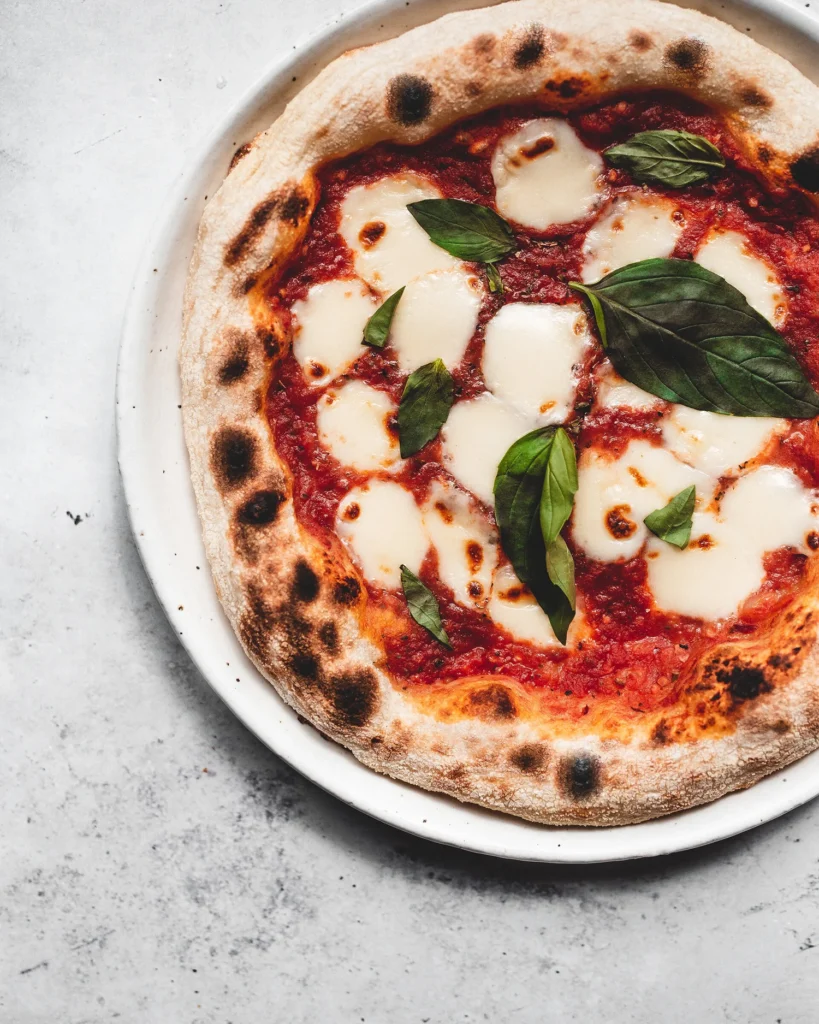
1. Neapolitan Pizza
Neapolitan pizza comes from Naples, Italy. It is known for its soft, thin dough with high, puffy edges.
The crust is chewy and slightly charred from cooking in a very hot oven. You’ll find simple, fresh toppings on this style.
The most famous version is Pizza Margherita, which has tomato sauce, mozzarella cheese, and basil. Another classic is the Marinara, made with crushed tomatoes, garlic, oregano, and olive oil.
The dough is wet and sticky, which makes it different from other pizza styles. Traditional Neapolitan pizza bakes quickly at high temperatures.

2. New York-Style Pizza
New York-style pizza features a hand-tossed thin crust that’s crispy on the edges but soft enough to fold. You’ll typically find it sold in large, wide slices that are easy to eat on the go.
The dough is stretched thin and topped with tomato sauce and mozzarella cheese. Italian immigrants brought this style to New York in the early 1900s.
You can fold your slice in half to eat it, which makes this style practical and convenient.

3. Chicago Deep-Dish Pizza
Chicago deep-dish pizza features a thick, buttery crust that rises up the sides of the pan like a bowl. The cheese goes on first, followed by your toppings, with chunky tomato sauce layered on top.
This pizza is substantial enough to be a full meal. You’ll need a knife and fork to eat it properly.
The standard size is typically 9 inches, which works well for two people. Popular toppings include Italian sausage, pepperoni, and vegetables.

4. Detroit-Style Pizza
Detroit-style pizza stands out with its rectangular shape and thick, airy crust. The cheese goes all the way to the edges, creating a crispy, caramelized border that sets it apart from other styles.
Bakers first made this pizza in 1946 at Buddy’s Rendezvous Pizzeria. They used steel pans originally designed for auto parts, which gave the pizza its unique shape.
The toppings go on in reverse order. You’ll find brick cheese first, then toppings, with the sauce added on top last.
This creates a fluffy interior with a golden, crunchy exterior.

5. St. Louis-Style Pizza
St. Louis-style pizza features a thin, cracker-like crust made without yeast. This creates a crispy texture that sets it apart from other styles.
The pizza uses Provel cheese, a processed blend that melts smoothly and gives it a unique taste. The sauce is slightly sweet and made from scratch.
You’ll notice the pizza is cut into squares or rectangles instead of traditional wedges. This cutting style makes it easy to share and eat.
The style developed in St. Louis during the mid-20th century through the local Italian immigrant community.

6. Sicilian Pizza
Sicilian pizza stands out with its thick, spongy crust that resembles focaccia bread. You’ll recognize it by its rectangular shape and deep-pan preparation.
The traditional version, called sfincione, comes from Palermo, Sicily. It features a thick crust topped with a savory tomato sauce made from crushed tomatoes, onions, garlic, and olive oil.
Classic toppings include anchovies, oregano, and breadcrumbs instead of the usual layer of cheese. This style became popular in western Sicily during the mid-19th century.
When it reached North America, the recipe changed to include more cheese and a thicker crust.

7. California Gourmet Pizza
California gourmet pizza breaks traditional pizza rules with creative toppings and fresh ingredients. This style combines a thin crust with unique flavors inspired by California cuisine.
You’ll find unexpected toppings like arugula, goat cheese, and grilled vegetables on these pizzas. The focus is on fresh, high-quality ingredients rather than classic combinations.
Most restaurants offer both thin and thick crust options. You can choose from multiple sauce varieties and premium cheese blends.
This pizza style encourages experimentation with flavors from different cuisines.

8. Greek Pizza
Greek pizza stands apart from other styles with its unique preparation methods. This style uses more olive oil than traditional Italian pizza and is typically cooked in an electric oven at lower temperatures.
The dough has a focaccia-like texture that’s fluffy and thick. You’ll find classic Mediterranean toppings on Greek pizza.
Feta cheese, Kalamata olives, tomatoes, onions, and artichokes are common ingredients. The traditional version, called Ladenia, features a generous amount of olive oil with simple toppings of tomatoes, onions, and feta.

9. New Haven-Style Pizza
New Haven-style pizza comes from Connecticut and offers a unique twist on classic pizza. You’ll notice its thin, crispy crust that gets nicely browned at the edges.
The traditional version features tomato sauce, oregano, and grated pecorino romano cheese. Mozzarella isn’t standard on this style; you need to ask for it as an extra topping.
The pizza is sometimes called “apizza” or “tomato pie” when ordered plain. This style sits somewhere between Neapolitan and New York pizza.
You get the quality ingredients with a crunchier texture.

10. Margherita Pizza
Margherita pizza is one of the most classic pizza styles you can order. It features three simple ingredients: tomato sauce, mozzarella cheese, and fresh basil leaves.
The toppings represent the colors of the Italian flag with red tomatoes, white cheese, and green basil. This pizza has a thin crust that lets the fresh flavors shine through.
Some versions use mozzarella di bufala for extra creaminess. The simplicity makes it a favorite for people who enjoy traditional Italian flavors.
What Makes Each Type of Pizza Unique?
Pizza styles differ in crust thickness, cooking methods, sauce application, and regional traditions. The ingredients, preparation techniques, and cultural influences shape each pizza’s distinct character.
Traditional vs. Modern Styles
Traditional pizza styles follow strict rules passed down through generations. Neapolitan pizza uses specific flour types, San Marzano tomatoes, and fresh mozzarella.
You’ll find it cooked in wood-fired ovens at 900°F for just 60-90 seconds. New York-style pizza represents another classic approach.
It features a hand-tossed crust that’s thin but sturdy enough to fold. The pizza uses high-gluten bread flour and city tap water, which some believe gives the dough its signature texture.
Modern styles break from tradition and experiment with new approaches. Detroit-style pizza uses a rectangular pan and creates crispy, caramelized cheese edges called “frettage.”
Canotto pizza features an ultra-light, air-filled crust that resembles a small boat. These newer styles focus on innovation rather than following historical guidelines.
Regional Pizza Differences
Different regions developed unique pizza styles based on local preferences and available ingredients. Chicago deep-dish reverses the traditional layering by placing cheese directly on the dough, then toppings, and finally chunky tomato sauce on top.
The thick crust acts like a bowl to hold all the ingredients. St. Louis pizza uses Provel cheese instead of mozzarella and features an unleavened, cracker-thin crust.
Roman pizza comes in two forms: pizza al taglio (by the slice) with a thick, airy crust, or pizza tonda with a thin, crispy base. California-style pizza emphasizes fresh, local ingredients and unconventional toppings.
You might find items like goat cheese, artichokes, or barbecue chicken on these pizzas.
Ingredient Choices and Their Impact
Your choice of flour affects the crust’s texture and chewiness. High-protein bread flour creates a chewy, sturdy crust, while 00 flour produces a softer, more delicate base.
Cheese selection changes the entire eating experience. Fresh mozzarella releases moisture and creates a softer texture.
Low-moisture mozzarella browns better and provides a firmer bite. Some regional styles use cheese blends or specific varieties like Provel or fontina.
The sauce-to-cheese ratio matters significantly. Neapolitan pizza uses minimal sauce in small pools.
New York-style spreads sauce evenly across the entire surface. Some pizzas skip tomato sauce completely and use olive oil, garlic, or white sauce as the base.
Cooking temperature and time create different results. Wood-fired ovens reach 800-1000°F and cook pizza in under two minutes.
Conventional ovens at 450-500°F need 12-15 minutes, which produces a different crust texture.
How Baking Methods Influence Pizza Types
The way you bake pizza changes its texture, flavor, and overall character. Different ovens use different heat sources and temperatures, which create distinct results in your final pizza.
Oven Types and Their Effects
Wood-fired ovens reach temperatures between 700°F and 900°F. These ovens cook pizza in just 90 seconds to 2 minutes.
The intense heat creates a charred, blistered crust with a smoky flavor. Gas ovens typically operate at 500°F to 600°F.
They provide consistent, controllable heat that cooks pizza in 8 to 12 minutes. You get an evenly cooked crust without the char marks from wood fire.
Electric ovens usually max out at 500°F in home settings. They take 12 to 15 minutes to bake pizza.
The steady heat works well for thicker crusts and deep-dish styles.
Key Differences:
- Wood-fired: Fastest cooking, highest temperature, smoky flavor
- Gas: Moderate temperature, even heat distribution, clean taste
- Electric: Lower temperature, longer cooking time, predictable results
Crust Textures and Cooking Techniques
High-heat baking creates a crispy exterior and chewy interior. When you bake above 600°F, the crust develops air pockets and a light texture.
This method works best for thin-crust Neapolitan pizza. Moderate heat between 450°F and 500°F gives you a balanced crust.
The pizza bakes more slowly, allowing toppings to cook thoroughly. This temperature range suits New York-style and classic pizzeria pizzas.
Lower temperatures around 400°F produce a softer, breadier crust. You need 15 to 20 minutes at this heat.
Pan pizzas and thick Sicilian styles benefit from this slower baking process. Convection baking circulates hot air around the pizza.
This technique reduces cooking time by 25% and creates an extra-crispy bottom crust.
Frequently Asked Questions
Pizza styles range from thin-crust Italian classics to thick American deep-dish varieties. Toppings vary from simple cheese and basil to creative regional combinations.
Traditional recipes and modern innovations have created dozens of distinct pizza types across different countries and cities.
What are the top 10 most popular pizza styles globally?
The most popular pizza styles include Neapolitan from Naples, Italy, which features a thin, soft crust with simple toppings. New York-style pizza comes next with its large, foldable slices and crispy yet chewy crust.
Chicago deep-dish ranks high with its thick, pie-like structure filled with cheese and chunky tomato sauce. Sicilian pizza offers a thick, rectangular shape with a fluffy bread-like base.
Roman pizza (Pizza Romana) provides a thin, crispy crust that differs from Neapolitan style. Detroit-style pizza features a rectangular shape with a thick, crispy crust and cheese that extends to the edges.
California-style pizza brings creative, non-traditional toppings on a thin crust. St. Louis-style uses a cracker-thin unleavened crust cut into squares.
Greek-style pizza, common in New England, has a thick, chewy crust cooked in shallow pans. New Haven-style pizza from Connecticut rounds out the list with its thin, charred crust and distinctive clam topping option.
Which pizza toppings are considered the best by culinary experts?
Culinary experts often praise fresh mozzarella cheese for its creamy texture and mild flavor that doesn’t overpower other ingredients. San Marzano tomatoes from Italy set the gold standard for pizza sauce due to their sweet taste and low acidity.
Fresh basil adds an aromatic, peppery note that complements tomato and cheese perfectly. Extra virgin olive oil enhances flavor and creates a better crust texture.
High-quality pepperoni remains a favorite for its spicy, savory taste. Prosciutto offers a delicate, salty flavor when added after baking.
Fresh mushrooms provide an earthy taste and meaty texture. Garlic adds depth without overwhelming when used in moderation.
Arugula brings a peppery, fresh element when added to hot pizza just before serving. Burrata cheese creates a creamy, luxurious experience that works well with simple toppings.
Can you list some classic pizza recipes that are consistently highly rated?
Margherita pizza consistently ranks as one of the most beloved recipes worldwide. It uses only tomato sauce, fresh mozzarella, basil, and olive oil on a thin crust.
Marinara pizza is even simpler, featuring just tomato sauce, garlic, oregano, and olive oil without any cheese. Pepperoni pizza remains America’s most ordered variety, combining tomato sauce, mozzarella, and pepperoni slices.
Four Cheese pizza (Quattro Formaggi) blends mozzarella, gorgonzola, parmesan, and fontina for rich flavor. Mushroom pizza using fresh or sautéed mushrooms with garlic creates an earthy, satisfying meal.
White pizza eliminates tomato sauce in favor of ricotta, mozzarella, and garlic for a creamy base. Diavola pizza adds spicy salami to create heat alongside traditional toppings.
What are some unique pizza varieties found exclusively in the USA?
Detroit-style pizza originated in Michigan and features a rectangular shape with a thick, airy crust. Cheese goes all the way to the edges, creating crispy, caramelized corners called “frico.”
St. Louis-style pizza uses Provel cheese, a processed blend unique to the region, on an unleavened cracker-thin crust. Pizzerias cut the pizza into squares or rectangles rather than triangular slices.
Chicago deep-dish reverses the traditional pizza order by placing cheese directly on the dough, then toppings, then sauce on top. The thick crust forms a deep bowl that holds substantial amounts of ingredients.
California-style pizza emerged in the 1980s with unusual toppings like goat cheese, artichokes, and Thai chicken. The style emphasizes fresh, local ingredients on a thin, crispy crust.
Bar pizza from Massachusetts features a thin crust cooked in small pans until crispy. Cheese often extends to the edges and caramelizes against the pan.
How do regional pizzas in America differ from each other?
New York-style pizza has a thin, hand-tossed crust that’s crispy on the bottom but soft enough to fold. Pizzerias sell it by the slice throughout the city.
Chicago deep-dish uses a buttery, thick crust that rises up the sides of a deep pan. The reverse layering with sauce on top prevents the cheese from burning during the long baking time.
Detroit-style features a focaccia-like dough that’s light and airy inside with a crispy, almost fried bottom from the oil in the pan. The rectangular shape comes from the industrial pans originally used in auto factories.
St. Louis-style has an unleavened crust that’s extremely thin and crispy, almost like a cracker. Provel cheese melts differently than mozzarella, creating a gooey, sticky texture.
New Haven-style pizza cooks in coal-fired ovens at very high temperatures, creating a thin crust with distinctive char marks. Diners often order the pizza “plain” with just sauce and cheese added as an option.
What are the names of traditional pizzas that have stood the test of time?
Pizza Napoletana refers to the original Neapolitan style that must follow strict guidelines to earn official recognition. It includes Margherita and Marinara as the two classic varieties.
Pizza Romana features a thinner, crispier crust than Neapolitan style and comes from Rome. The dough contains olive oil, which creates a different texture and flavor.
Pizza Quattro Stagioni (Four Seasons) divides the pizza into four sections, each representing a season with different toppings. Traditional versions include artichokes, mushrooms, ham, and olives.
Pizza Capricciosa loads the entire surface with artichokes, mushrooms, ham, olives, and sometimes a boiled egg. The name means “capricious” in Italian, reflecting the abundant variety of toppings.
Pizza Bianca (White Pizza) eliminates tomato sauce and uses olive oil, garlic, and sometimes rosemary as the base. It’s common in Rome as both a pizza and a flatbread snack.
Calzone is a fol