
Spaghetti squash has become a popular substitute for traditional pasta in many kitchens. This yellow winter squash creates long, thin strands when cooked that look just like spaghetti noodles.
You can use it in place of regular pasta in most recipes while adding extra nutrients and reducing carbs. You’ll find classic Italian dishes like marinara and alfredo alongside creative options like pad thai and Mexican bowls.
From simple roasted preparations to hearty casseroles and creative pizza boats, these recipes cover everything you need to make the most of this versatile vegetable.
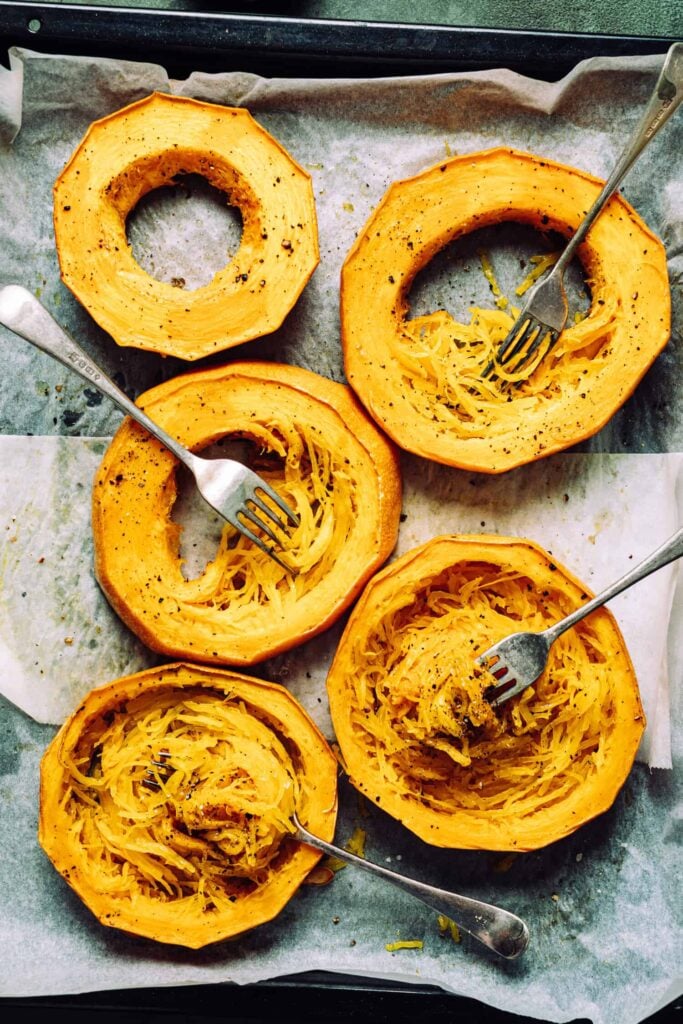
1. Classic Roasted Spaghetti Squash
Cut your spaghetti squash in half lengthwise. Remove the seeds with a spoon.
Brush the cut sides with olive oil. Sprinkle with salt and pepper.
Place the squash cut-side down on a baking sheet. Roast at 400°F for 30-40 minutes.
You can easily pierce the squash with a fork when it’s done. Let it cool for 5 minutes.
Use a fork to scrape out the flesh in long strands. The cooked squash will naturally separate into spaghetti-like threads.

2. Spaghetti Squash with Marinara Sauce
This classic dish gives you all the flavors of pasta without the carbs. Roast the squash until tender, then scrape out the strands with a fork.
Heat your favorite marinara sauce and spoon it over the squash strands. Add protein like meatballs or grilled chicken to make it more filling.
Top with parmesan cheese for extra flavor.

3. Cheesy Spaghetti Squash Casserole
This comfort food dish works great as both a side and main course. You get all the cheesy goodness without the heavy carbs from regular pasta.
Combine roasted spaghetti squash with cheese for a lasagna-like taste. Many recipes include ground meat like turkey or pork for extra protein.
You can use cottage cheese for a lighter version. It stays low carb and gluten free while keeping you full.
The cheese melts perfectly with the tender squash strands.

4. Spaghetti Squash Pad Thai
This healthy twist swaps rice noodles for spaghetti squash. You get all the bold Thai flavors without the carbs.
The squash mimics noodle texture and soaks up the tangy pad Thai sauce. Add chicken, shrimp, or keep it vegetarian.
Common additions include bell peppers, broccoli slaw, and green onions. This dish works great for meal prep and fits paleo, keto, and gluten-free diets.

5. Spaghetti Squash Primavera
Make this healthy dish using fresh vegetables and spaghetti squash instead of pasta. The squash creates noodle-like strands when you bake it.
Toss zucchini, bell peppers, broccoli, and cherry tomatoes with the squash strands. Use marinara sauce or a creamy parmesan mixture.
Add feta cheese or fresh mozzarella on top. This recipe works well for low-carb and gluten-free diets.

6. Garlic Butter Spaghetti Squash
Turn spaghetti squash into a tasty side dish with this simple recipe. Roast the squash until tender, then toss it with melted butter and minced garlic.
The butter coats each strand, and fresh garlic adds great flavor. Add grated Parmesan cheese on top for extra taste.
This dish works well with chicken, beef, or fish. The recipe takes about 45 minutes, mostly hands-off roasting.

7. Spaghetti Squash Lasagna Boats
Replace traditional pasta with roasted spaghetti squash halves. Scoop out the flesh and fill the shells with classic lasagna ingredients.
The filling includes ricotta cheese, mozzarella, and marinara sauce. Add ground beef or Italian sausage for protein.
These boats are gluten-free and lower in carbs than regular lasagna. They take about one hour from start to finish.

8. Spaghetti Squash with Pesto and Cherry Tomatoes
Combine tender squash strands with fresh pesto and sweet tomatoes for a flavorful dish. Roast your spaghetti squash until tender.
Toss the cooked strands with basil pesto sauce. Add cherry tomatoes and roast everything together for 10-15 minutes.
The tomatoes will blister and become sweeter. Serve as a main dish or side, and top with parmesan cheese for extra flavor.

9. Spaghetti Squash Stir-Fry with Vegetables
Swap traditional noodles for healthy spaghetti squash strands in this colorful dish. Roast your spaghetti squash until tender and scrape out the strands.
Heat oil in a large pan or wok. Add your favorite vegetables like broccoli, carrots, bell peppers, and onions.
Cook until crisp-tender, then toss in the spaghetti squash strands and stir everything together. Season with soy sauce, garlic, and ginger for an Asian flavor.

10. Spaghetti Squash Alfredo
Spaghetti squash alfredo makes a great low-carb swap for regular pasta. The squash strands hold creamy alfredo sauce well.
Make traditional alfredo with butter, cream, and parmesan cheese. Some recipes use cream cheese for easier mixing.
Roast or boil the squash until tender, then scrape out the strands and mix with your alfredo sauce.

11. Mexican Spaghetti Squash Bowl
Pack bold southwestern flavors into a low-carb meal with this bowl. Roast the spaghetti squash until tender, then scrape out the strands.
Mix the squash with black beans, corn, diced tomatoes, and bell peppers. Season with cumin, chili powder, and garlic.
Top your bowl with fresh cilantro, avocado slices, and a dollop of Greek yogurt. Add salsa or hot sauce to boost the heat.

12. Spaghetti Squash and Meatball Bake
Enjoy all the comfort of regular spaghetti and meatballs with fewer carbs. Replace pasta with roasted spaghetti squash strands.
Combine the squash with meatballs and marinara sauce. Use beef or turkey meatballs based on your taste.
Top everything with mozzarella cheese and bake until melted and golden. This meal works well for weeknight dinners and makes great leftovers.

13. Spaghetti Squash Carbonara
Give classic Italian carbonara a healthy twist by swapping traditional pasta for roasted spaghetti squash. The dish uses eggs and Parmesan cheese for the sauce.
Crispy pancetta or bacon adds the perfect salty crunch. The egg mixture coats each squash strand.
This version gives you the same satisfying taste as regular carbonara and is naturally gluten-free.

14. Spaghetti Squash with Sausage and Broccoli Rabe
Combine roasted spaghetti squash with Italian sausage and bitter broccoli rabe. Cook the sausage first until it browns.
Add the broccoli rabe in batches so it wilts evenly. Season everything with salt and pepper while cooking.
Mix in the cooked spaghetti squash at the end. The mild squash balances the strong flavors of the sausage and bitter greens.
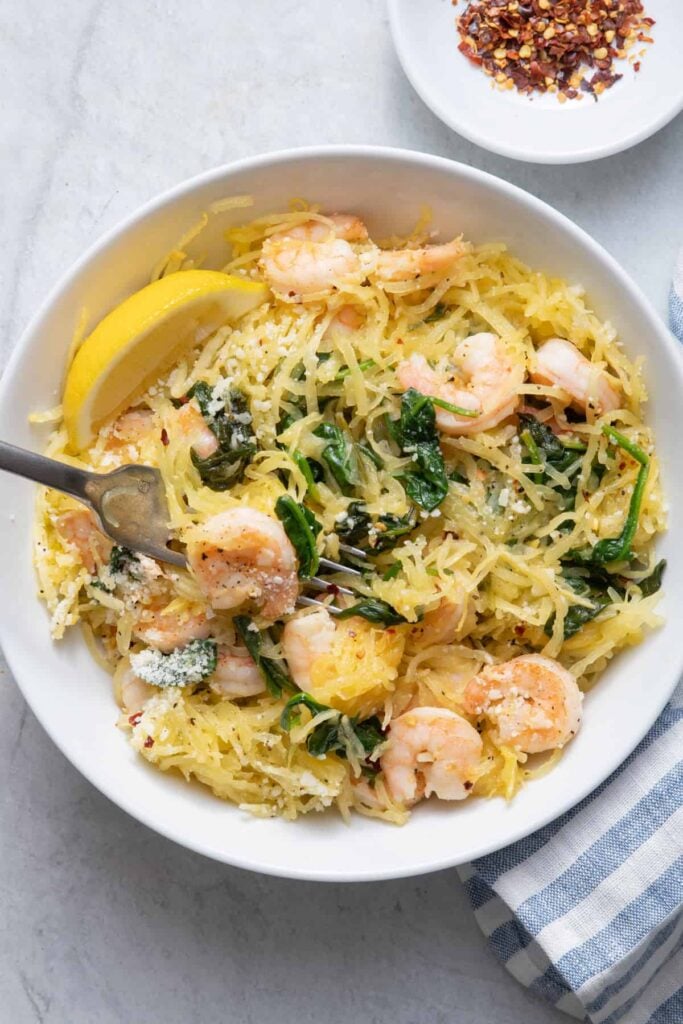
15. Spaghetti Squash Shrimp Scampi
Get all the flavors of classic shrimp scampi with fewer carbs. Roast the squash for about 40 minutes while you prep the other ingredients.
Sauté shrimp with garlic, butter, and lemon juice. Some recipes add red pepper flakes for heat.
Serve the shrimp and sauce over the cooked squash strands. The squash soaks up the buttery sauce perfectly.

16. Spaghetti Squash Topped with Bolognese Sauce
Swap pasta for roasted spaghetti squash in this low-carb dish. Roast your spaghetti squash until the flesh shreds easily.
Cook the meat sauce with ground beef, onions, carrots, and basic seasonings until everything is tender. Serve the sauce over the squash strands.
You can make extra sauce and freeze it for later meals.

17. Spaghetti Squash and Kale Salad
Combine roasted spaghetti squash with fresh kale for a nutritious meal. Serve it warm or cold.
Roast your spaghetti squash at 400 degrees. Cut it in half and drizzle with olive oil, salt, and pepper.
Massage sliced kale with a bit of oil to soften it. Add minced garlic and chickpeas for extra protein.
Top with shaved parmesan cheese for flavor. This salad works as a light lunch or dinner side dish.

18. Asian-Inspired Spaghetti Squash Noodles
Make tasty Asian dishes with spaghetti squash instead of regular noodles. The squash works well in stir-fries with vegetables and protein.
Use soy sauce, ginger, and garlic for classic flavors. Rice vinegar and sesame oil add more Asian taste.
Make yakisoba-style dishes or Singapore noodles using spaghetti squash. Add broccoli, carrots, or bell peppers for extra nutrition.

19. Spaghetti Squash with Lemon and Parmesan
Combine roasted spaghetti squash with fresh lemon and cheese for a bright dish. Roast your spaghetti squash until tender.
Scrape out the strands with a fork. Toss the warm squash with butter, fresh lemon juice, and lemon zest.
Add grated Parmesan cheese and season with salt and pepper. The lemon adds brightness while the Parmesan brings richness.

20. Spaghetti Squash Ratatouille
Combine French cooking with healthy vegetables in this dish. Replace regular pasta with spaghetti squash for extra nutrition.
Use classic ratatouille vegetables like eggplant, zucchini, and bell peppers. Mix these with the squash strands for a complete meal.
Serve it by stuffing the vegetables back into the squash shell or mixing everything in a bowl. This version works well for vegan or gluten-free diets.

21. Spaghetti Squash Pizza Boats
These pizza boats combine two favorite foods into one dish. You cook spaghetti squash until it forms noodle-like strands inside the shell.
The squash acts as your pizza crust. You add sauce, cheese, and your favorite toppings right on top.
This recipe works great for low-carb diets. It’s naturally gluten-free when you use the right toppings.
You can customize each boat with different ingredients. Try pepperoni, vegetables, or different cheeses to match your taste.
Tips for Cooking Perfect Spaghetti Squash
Good spaghetti squash starts with picking the right one and storing it properly. The cooking method you choose will make the biggest difference in texture and taste.
Selecting and Storing Spaghetti Squash
Look for squash that feels heavy for its size with hard, smooth skin. The color should be pale yellow or cream with no soft spots or green patches.
Avoid squash with cuts, bruises, or dark spots. These signs mean the squash is old or damaged inside.
A good spaghetti squash should sound hollow when you tap it. The stem should look dry and brown, not green or soft.
Store whole spaghetti squash in a cool, dry place for up to one month. Keep it away from direct sunlight and heat sources.
Once you cut the squash, wrap the pieces in plastic and put them in the fridge. Use cut squash within three to five days.
Don’t wash the squash until you’re ready to cook it. Extra moisture can cause it to rot faster.
Best Methods for Roasting
Cut the squash in half from stem to base and scoop out the seeds. Rub the cut sides lightly with olive oil and sprinkle with salt and pepper.
Place the halves cut-side down on a baking sheet. Roast at 400°F for 35 to 40 minutes until the skin gives slightly when pressed.
For faster cooking: Prick the whole squash with a fork and microwave for 10 minutes first. Then cut and roast for 20 to 25 minutes.
For better texture: Cut the squash into rings before roasting. This method follows the natural direction of the strands and prevents mushy results.
Roast the squash cut-side down for better caramelized edges and to prevent watery strands.
The squash is done when you can easily pierce the skin with a fork. The flesh separates into strands at this point.
How to Prepare Strands for Recipes
Let the roasted squash cool for 10 to 15 minutes before handling. The squash will be very hot and can burn your hands.
Use a fork to scrape the flesh from the skin. Start at one end and pull the fork toward the other end to create long strands.
Scrape gently to avoid breaking the strands into small pieces. The strands should look like thin pasta when done right.
Remove excess water: Place the strands in a clean kitchen towel and squeeze gently. Too much water makes recipes soggy.
Season the strands right away with salt, pepper, and a little butter or olive oil. This adds flavor and prevents sticking.
For cold salads, let the strands cool completely before mixing with other ingredients. Hot strands will wilt greens and make dressings watery.
Store cooked strands in the fridge for up to four days. Freeze them for up to six months.
Creative Ways to Use Spaghetti Squash
Spaghetti squash works as a perfect pasta substitute in Italian dishes like lasagna and carbonara. You can pair it with any sauce from marinara to alfredo and add proteins like chicken or turkey.
Substituting for Pasta in Classic Dishes
You can use spaghetti squash in place of regular noodles in most pasta recipes. The strands hold sauces well and have a mild flavor.
Italian Dishes:
- Spaghetti carbonara with bacon and eggs
- Lasagna layers with ricotta and mozzarella
- Spaghetti and meatballs with marinara sauce
- Chicken alfredo with cream sauce
Asian-Style Dishes:
- Pad Thai with peanut sauce and vegetables
- Lo mein with soy sauce and stir-fried vegetables
- Sesame noodles with garlic and ginger
The squash absorbs flavors from spices and seasonings. This makes it work well in dishes from different cuisines.
Roast the squash first, then scrape out the strands. Mix them with your chosen sauce and toppings.
Pairing with Sauces and Proteins
Spaghetti squash pairs well with both light and heavy sauces. The mild taste lets other flavors shine through.
Best Sauce Options:
- Tomato-based sauces like marinara and arrabbiata
- Cream sauces including alfredo and garlic butter
- Oil-based sauces with herbs and parmesan
- Pesto made with basil or spinach
Protein Combinations:
- Grilled chicken breast or thighs
- Turkey meatballs or ground turkey
- Shrimp sautéed with garlic
- Italian sausage, both mild and spicy
Add vegetables like bell peppers, mushrooms, and zucchini. Cheese works well too—try parmesan, mozzarella, or goat cheese.
Balance flavors by pairing rich sauces with lighter proteins. Simple seasonings work with heartier meats.
Frequently Asked Questions
What is the best way to cook spaghetti squash for maximum flavor?
Roasting brings out the best flavor in spaghetti squash. Cut the squash in half lengthwise and scoop out the seeds.
Brush the cut sides with olive oil and season with salt and pepper. Place cut-side down on a baking sheet and roast at 400°F for 35-45 minutes.
The edges should be tender when pierced with a fork. Roasting caramelizes the natural sugars and creates the best texture for scraping into strands.
Can spaghetti squash be used as a substitute for pasta in traditional Italian dishes?
Yes, spaghetti squash works well in most Italian pasta dishes. It pairs perfectly with marinara sauce, meat sauce, and pesto.
The strands hold up well in baked dishes like lasagna and casseroles. You can also use it in carbonara-style dishes with eggs and cheese.
Spaghetti squash has more water than pasta. Drain the cooked strands well before adding sauces to prevent watery dishes.
What are some creative ways to season or spice up spaghetti squash?
Garlic powder, Italian herbs, and parmesan cheese create classic flavors. For Asian dishes, try soy sauce, sesame oil, and ginger.
Mexican-inspired seasonings include cumin, chili powder, and lime juice. Mediterranean flavors work well with olive oil, lemon, and fresh herbs like basil or oregano.
Add red pepper flakes for heat or nutritional yeast for a cheesy flavor without dairy.
How can I ensure my spaghetti squash has the perfect texture after cooking?
Don’t overcook the squash or it will become mushy. Test for doneness by piercing the skin with a fork after 35 minutes of roasting.
Let the cooked squash cool for 5-10 minutes before scraping. Use a fork to gently scrape the flesh into strands, working from the outside edges toward the center.
Pat the strands dry with paper towels if they seem watery. This step helps sauces stick better and prevents soggy dishes.
Are there any specific cooking methods that enhance the natural sweetness of spaghetti squash?
Roasting at high heat caramelizes the natural sugars in spaghetti squash. The 400°F temperature creates light browning on the edges.
Brush the cut sides with a small amount of maple syrup or honey before roasting for extra sweetness. This works well for dishes that need it.
Avoid boiling or steaming, which can make the squash watery and dilute its natural sweet flavor.
What are some recommended recipes for incorporating spaghetti squash into vegetarian or vegan diets?
Spaghetti squash primavera with mixed vegetables provides plenty of nutrients and fiber. Load it with bell peppers, zucchini, and cherry tomatoes.
Try Asian-style stir fries with spaghetti squash, vegetables, and plant-based proteins like tofu. Use soy sauce and sesame oil for flavor.
Fill spaghetti squash boats with beans, vegetables, and dairy-free cheese for a complete meal. Toss the strands with olive oil, garlic, and fresh herbs for a simple side dish.