
Spain’s rich dessert tradition spans centuries and reflects the country’s diverse regional cultures. From the crispy churros of Madrid to the creamy custards of Catalonia, Spanish sweets combine simple ingredients with time-tested techniques.
These 21 traditional Spanish desserts will give you a complete taste of Spain’s sweetest offerings, from beloved classics to hidden regional gems.
Each dessert tells a story of local ingredients and cultural heritage. You’ll discover almond-based treats from the south, wine-infused pastries from central regions, and egg custards that showcase Spain’s mastery of simple yet elegant flavors.
Whether you want to try authentic recipes at home or know what to order during your next trip to Spain, this guide covers the essential sweets every dessert lover should experience.
1. Churros con Chocolate
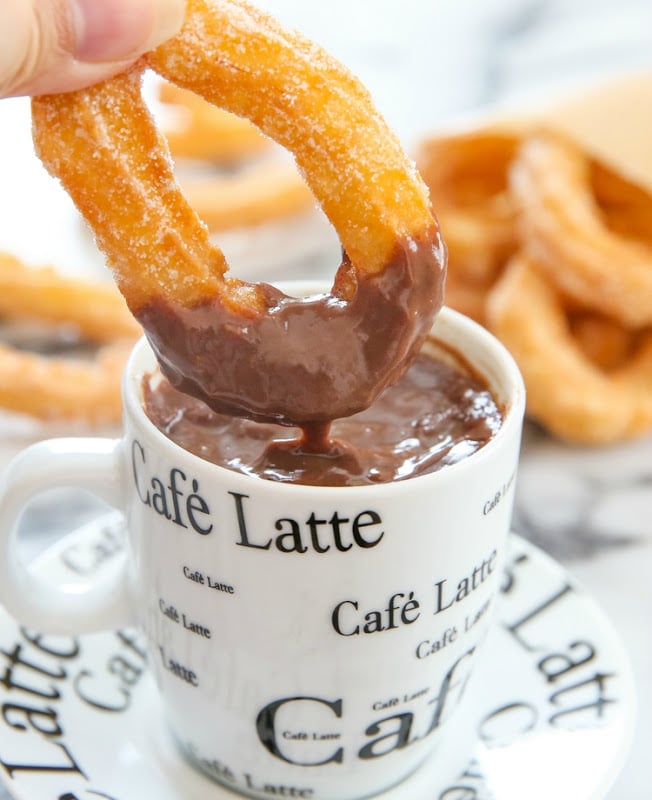
Churros con Chocolate stands as Spain’s most beloved dessert. You’ll find these golden, crispy sticks served with thick hot chocolate for dipping.
The churros have a crunchy exterior dusted with sugar. The chocolate sauce is rich and almost pudding-like in texture.
Spaniards often enjoy this treat for breakfast or as an afternoon snack. You can find churros con chocolate at cafés throughout Spain.

2. Crema Catalana
Crema Catalana is Spain’s answer to crème brûlée. This creamy custard dessert comes from Catalonia and has been served since the 18th century.
You’ll taste milk, cream, and egg yolks mixed with orange peel and cinnamon. These citrus and spice flavors make it different from French crème brûlée.
The dessert has a hard caramelized sugar top that cracks when you tap it. You can make it the night before dinner parties since it needs time to chill.

3. Tarta de Santiago
This traditional Spanish almond cake comes from the Galicia region in northwest Spain. You’ll find it served throughout the country as one of Spain’s most beloved desserts.
The cake uses simple ingredients like ground almonds, sugar, and eggs. This makes it naturally gluten-free and easy to prepare at home.
You can taste hints of lemon or orange that brighten the rich, nutty flavor. The cake has a soft, moist texture that pairs perfectly with coffee.
The top features powdered sugar dusted in the shape of the cross of Santiago, honoring Saint James.

4. Flan
Flan is Spain’s most famous custard dessert. You’ll find this creamy treat in restaurants across the country.
This baked custard uses just four main ingredients. You need eggs, milk, sugar, and vanilla to make authentic Spanish flan.
A smooth custard base sits under a layer of golden caramel sauce. When you flip the flan out of its pan, the caramel flows over the custard.

5. Arroz con Leche
Arroz con leche means “rice with milk” in Spanish. This creamy rice pudding is a beloved dessert across Spain and Latin America.
You make it by cooking rice with milk, sugar, and warm spices like cinnamon. The mixture simmers slowly until it becomes thick and creamy.
The dish likely started in Spain during the Middle Ages when rice was brought by the Moors. You can serve arroz con leche warm or cold, often with a sprinkle of cinnamon on top.

6. Leche Frita
Leche frita means “fried milk” in Spanish. This popular dessert comes from basic ingredients like milk, sugar, and flour.
You cook milk into a thick custard and chill it until firm. Next, you coat pieces in egg and flour, then fry them until golden and crunchy.
The result is crispy outside and creamy inside. Many recipes add lemon zest or cinnamon for extra flavor.
7. Panellets
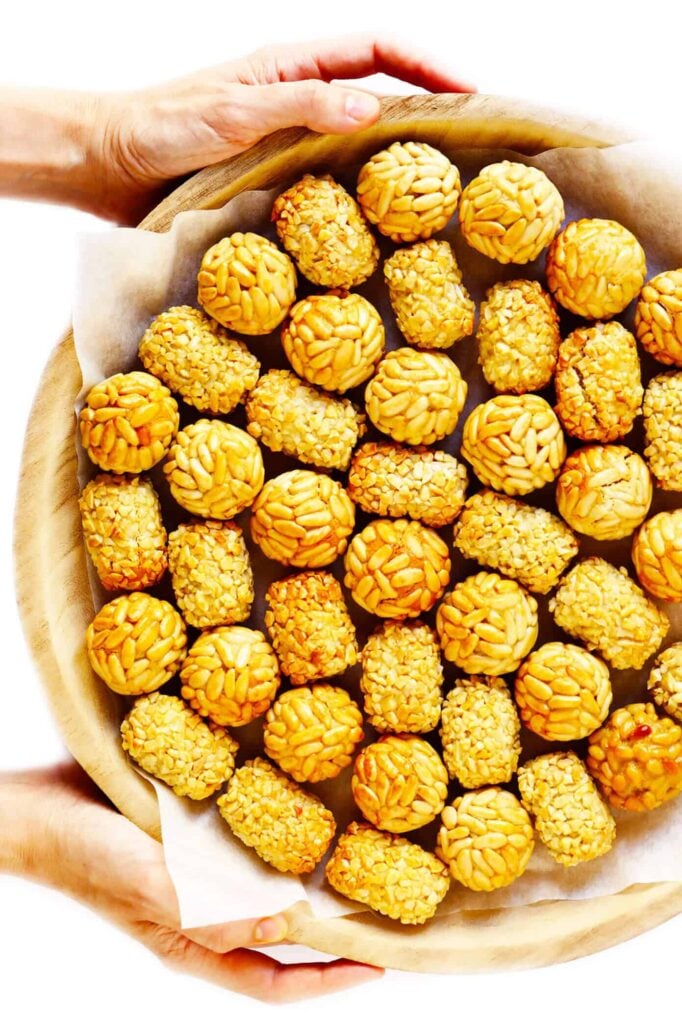
Panellets are traditional Spanish almond sweets from Catalonia. You’ll find these small treats enjoyed during All Saints’ Day on November 1st.
They’re made with ground almonds, sugar, and eggs. This creates a soft marzipan-like texture that melts in your mouth.
You can find panellets with different toppings. Popular choices include pine nuts, coconut flakes, cocoa powder, or candied cherries.
These bite-sized desserts pair well with Spanish sparkling wine or sweet moscatel wine.

8. Ensaimada
This spiral-shaped pastry comes from Mallorca in Spain’s Balearic Islands. You’ll find it mentioned in writing from the 1600s.
The dough uses simple ingredients like flour, eggs, sugar, yeast, and lard. The name comes from “saïm,” which means lard in the local language.
You can eat ensaimada for breakfast or dessert. It has a soft, flaky texture with a sweet taste.
The pastry is dusted with powdered sugar on top. You’ll see it coiled into its famous spiral shape.

9. Polvorones
Polvorones are traditional Spanish almond cookies that literally mean “dusty” or “powdery.” These crumbly treats melt in your mouth with every bite.
You’ll find these cookies especially popular during Christmas in Spain. They have a rich, sweet flavor with hints of almond and cinnamon.
The cookies get their name from being covered in powdered sugar. Their texture is soft and crumbly, similar to shortbread.
You can enjoy polvorones with coffee or as a festive treat during celebrations.

10. Natillas
Natillas is one of Spain’s most beloved custard desserts. You make it with milk, sugar, and egg yolks.
The custard has a smooth, creamy texture. You flavor it with vanilla, cinnamon, or lemon zest.
This dessert requires no baking skills. You simply cook the ingredients on the stove until thick.
You serve natillas chilled in small cups. A sprinkle of cinnamon on top adds the perfect finishing touch.

11. Pestiños
Pestiños are traditional Spanish fritters from Andalusia. You’ll find these sweet pastries especially popular during Christmas and Easter.
The dough contains simple ingredients like flour, wine, and citrus. Cooks flavor them with cinnamon and anise for a distinct taste.
You fry pestiños until they turn golden and crispy. Then you glaze them with honey or dust them with sugar.
These treats have roots in medieval Spain. You can enjoy them during festivals like Carnival or Holy Week throughout southern Spain.

12. Tocino de Cielo
Tocino de Cielo translates to “heaven’s bacon” and comes from Jerez de la Frontera in southern Spain. This rich dessert dates back to the 1300s when nuns created it using leftover egg yolks from wine making.
You’ll find this custard made with just egg yolks, sugar, and water. It looks like flan but tastes much richer and silkier.
The dessert gets its golden color and intense flavor from using only egg yolks instead of whole eggs. You can enjoy this smooth, caramel-topped treat throughout Spain today.

13. Mantecados
Mantecados are traditional Spanish shortbread cookies made with lard. They come from Andalusia and date back to the 16th century.
These crumbly cookies melt in your mouth. The name comes from “manteca,” which means lard in Spanish.
You’ll find mantecados everywhere in Spain during Christmas. They have a soft, crumbly texture that falls apart easily.
The cookies often include anise flavoring. Some versions use orange and lemon for different tastes.

14. Trenza de Almudévar
This sweet pastry braid comes from the Aragón region of Spain. The dessert was created in 1974 by the Tolosana family.
You’ll find layers of flaky puff pastry filled with pastry cream. The filling also contains almonds, walnuts, and raisins.
The outside stays crispy while the inside becomes soft and sweet. This combination of textures makes it special.
You can try this dessert in pastry shops throughout Aragón, especially in Huesca province.

15. Bienmesabe
Bienmesabe is a traditional Spanish dessert from the Canary Islands. The name means “it tastes good to me” in Spanish.
You’ll find this sweet treat made with ground almonds, honey, and egg yolks as the main ingredients. Sugar syrup, cinnamon, and lemon zest add extra flavor.
The dessert has Arabic origins but became popular in the Canary Islands. You can enjoy it on its own or with vanilla ice cream on the side.

16. Goxua
Goxua is a beloved Basque dessert from northern Spain. The name means “sweet” in the Basque language.
This layered treat combines sponge cake soaked in rum with pastry cream and whipped cream. You’ll find it served in glasses or small bowls.
The dessert comes from Vitoria in the Basque province of Álava. Many people believe it was created as a version of Catalan cream.
The top layer often gets caramelized with a blowtorch, similar to crème brûlée. You can enjoy goxua year-round, though it’s especially popular during Christmas celebrations.

17. Roscos de Vino
You’ll find these traditional Spanish wine cookies shaped like donuts or rings. They’re a popular Christmas treat, especially in Andalusia and Castilla La Mancha.
The dough contains sweet wine, which gives them their name and unique flavor. You’ll also taste hints of cinnamon and anise in most recipes.
These cookies have a firm texture that’s less crumbly than polvorones. You can make them with olive oil, flour, sugar, and sweet wine like muscat.
They’re often dusted with powdered sugar before serving.

18. Yemas de Santa Teresa
These traditional Spanish sweets look exactly like egg yolks. They get their name from Saint Teresa and are strongly connected to the city of Ávila.
You’ll find these treats made from just three simple ingredients: egg yolks, sugar, and water. The mixture creates a soft, creamy candy with a rich texture.
Spanish convents originally made these sweets centuries ago. Today, they remain one of Spain’s most beloved traditional desserts, coated in powdered sugar for the perfect finish.

19. Coca de Llanda
Coca de Llanda is a traditional sponge cake from Valencia, Spain. You’ll love its light, fluffy texture and bright lemon flavor.
This cake uses olive oil instead of butter. The oil gives it a tender, moist crumb that stays fresh longer.
You make it with simple ingredients like flour, eggs, sugar, and lemon zest. The top gets a crunchy sugar crust when baked.
Valencians often eat this cake for merienda, their afternoon snack. You can serve it plain or with coffee.

20. Torrijas
Torrijas are Spain’s answer to French toast. You’ll find this sweet treat made with stale bread soaked in milk flavored with cinnamon and vanilla.
The bread gets dipped in beaten egg, then fried until golden. Finally, you roll it in cinnamon sugar for extra sweetness.
Spanish nuns created this dessert in the 15th century. They traditionally served it during Lent and Easter, though you can enjoy torrijas year-round now.

21. Mona de Pascua
Mona de Pascua is Spain’s traditional Easter cake. You’ll find this sweet treat in Catalonia, Valencia, and Murcia during Easter week.
The cake has a soft, spongy texture made from brioche dough. It comes in a round shape with hard-boiled eggs on top.
You can try different versions of this dessert. The chocolate version is very popular in Catalonia.
Spanish families eat Mona de Pascua outdoors during Easter Sunday or Monday. Godparents traditionally give these cakes to their godchildren as Easter gifts.
Cultural Significance of Spanish Desserts
Spanish desserts connect directly to the country’s religious calendar and local traditions. Each region has developed unique sweet specialties using ingredients that grow best in their climate and soil.
Traditional Festivities and Sweets
You’ll find specific desserts tied to major Spanish celebrations throughout the year. Torrijas appear during Easter week, made with bread soaked in milk and fried until golden.
Christmas brings turron, a nougat candy from Alicante made with almonds and honey. Families pass down recipes for this treat from generation to generation.
Roscon de Reyes marks Three Kings Day on January 6th. This ring-shaped cake hides small prizes inside and brings families together for the gift-giving celebration.
Many convents and monasteries created these dessert traditions centuries ago. Nuns used egg yolks left over from wine-making processes to create rich custards and cakes.
Saints’ feast days also have their own sweets. San Blas day features special pastries, while Saint Teresa’s day calls for yemas, small yellow candies made from egg yolks and sugar.
Regional Variations Across Spain
Your location in Spain determines which desserts you’ll encounter most often. Galicia in the northwest specializes in tarta de Santiago, an almond cake marked with the Cross of Saint James.
Catalonia claims crema catalana as their signature dessert. This custard predates French crème brûlée and uses cinnamon and lemon zest for flavor.
The Balearic Islands produce ensaimada, a spiral pastry that requires special flour and lard. Mallorca exports these worldwide but locals insist the island versions taste best.
Andalusia in the south shows Moorish influence through desserts with almonds, honey, and orange. Pestiños and polvorones reflect this Arabic heritage in Spanish sweets.
Valencia combines their famous oranges into desserts like naranja confitada. The region’s rice also appears in sweet arroz con leche.
Key Ingredients and Techniques
Spanish desserts rely on a few essential ingredients that create their unique taste. Traditional preparation methods have been passed down for generations and remain largely unchanged today.
Signature Flavors and Spices
Vanilla and citrus form the backbone of most Spanish sweets. You’ll find orange zest in countless recipes, from flan to cookies.
Lemon adds brightness to custards and cakes. Cinnamon appears in nearly every Spanish dessert.
It flavors churros, rice pudding, and pastries. Spanish bakers use it ground or in stick form.
Almonds are crucial in Spanish baking. Ground almonds replace flour in many recipes.
Marcona almonds are especially prized for their rich, buttery flavor. Honey sweetens traditional treats.
Spanish bakers prefer honey over sugar in many old recipes. It adds moisture and distinct taste.
Sherry and brandy enhance flavors in adult desserts. These fortified wines are common in custards and fruit desserts.
They add depth without overwhelming sweetness.
Classic Preparation Methods
Caramelizing sugar is essential for flan and crema catalana. You heat sugar slowly until it turns golden brown.
This creates the signature bitter-sweet flavor layer. Tempering eggs prevents curdling in custards.
You slowly add hot milk to beaten eggs while stirring constantly. This technique ensures smooth, creamy textures.
Double boiling cooks delicate desserts gently. You place the cooking pot over simmering water.
This indirect heat method prevents burning and ensures even cooking. Oil frying at precise temperatures creates perfect churros and buñuelos.
The oil must reach exactly 375°F for crispy exteriors and fluffy interiors.
Frequently Asked Questions
Spanish desserts offer rich flavors from creamy custards like flan and crema catalana to crispy treats like churros with chocolate. These traditional sweets often use ingredients like almonds, rice, honey, and eggs that reflect Spain’s diverse culinary history.
What are the classic Spanish desserts every food enthusiast should try?
You should start with churros con chocolate, which are crispy fried dough sticks served with thick hot chocolate for dipping. Flan is another must-try dessert featuring silky smooth custard topped with caramel sauce.
Crema catalana offers a similar custard experience but with a hard caramelized sugar top that you crack with a spoon. Tarta de Santiago provides a different texture as an almond cake from Galicia marked with the cross of Saint James.
Arroz con leche rounds out the classics as a creamy rice pudding flavored with cinnamon and lemon zest.
How can one make authentic churros at home?
You can make churros by mixing flour, water, salt, and a small amount of oil to create a smooth dough. Heat the mixture on the stove while stirring until it forms a thick paste that pulls away from the pan sides.
Transfer the dough to a piping bag with a star tip. Pipe long strips directly into hot oil heated to 375°F and fry until golden brown.
Roll the hot churros in cinnamon sugar immediately after frying. Serve them warm with thick hot chocolate made from melted dark chocolate and milk.
What dairy-based Spanish desserts are popular among locals and tourists?
Flan stands as the most popular dairy-based Spanish dessert, made with eggs, milk, and sugar. The custard base creates a smooth texture that locals and visitors love.
Crema catalana uses similar dairy ingredients but includes cornstarch for thickening and gets flavored with lemon zest and cinnamon. The dessert finishes with a torched sugar top.
Arroz con leche combines milk with rice to create a creamy pudding consistency. Many regions add their own touches like condensed milk or special spice blends.
Are there any traditional Spanish desserts that have a rich history or cultural significance?
Tarta de Santiago carries deep religious meaning as it features the cross of Saint James on top. This almond cake comes from Galicia and connects to the famous pilgrimage route ending in Santiago de Compostela.
Many Spanish desserts trace their roots to Roman and Arab influences over centuries. Arabs brought ingredients like almonds, honey, and rice that remain central to Spanish sweets today.
Crema catalana has ancient origins and represents Catalonian culture and identity. Local families often pass down their specific recipes through generations.
Can you recommend some Spanish desserts suitable for individuals with specific dietary restrictions?
You can find naturally gluten-free options like Tarta de Santiago, which uses only ground almonds instead of wheat flour. Flan also contains no gluten since it relies on eggs and dairy for structure.
Many traditional recipes can be adapted for dietary needs. You can substitute dairy milk with plant-based alternatives in arroz con leche or use egg replacers in custard-based desserts.
Some regions offer desserts made with rice flour or nuts that work for gluten-sensitive individuals. Always check specific ingredients since recipes vary by region and family.
What are some lesser-known regional desserts in Spain that visitors should explore?
Pestiños from Andalusia offer honey-coated pastries that locals enjoy during holidays and festivals.
These fried treats provide a different texture experience from more common Spanish desserts.
Northern regions like Asturias feature rice pudding variations with unique local touches.
Coastal areas often incorporate regional ingredients like local honey or special nut varieties.
Each Spanish province maintains its own dessert specialties that reflect local ingredients and traditions.
You can discover these treats by visiting local bakeries and asking for regional recommendations.