
When exploring the world of soft cheeses, you may come across two staples often featured in a variety of dishes: ricotta and cottage cheese. While at first glance they may appear similar, each possesses unique characteristics that set them apart.
Understanding these differences is key to optimizing their use in your culinary creations.

Ricotta, with its Italian roots, is a cheese traditionally made from whey, the liquid that remains after milk has been curdled and strained. Its fine, grainy texture and slightly sweet taste make it a favorite for both savory and sweet applications, such as lasagna or cheesecake.
Ricotta is typically drained for a shorter time, making it moister and creamier compared to its counterpart.
Cottage cheese, on the other hand, is made directly from fresh milk through a process that allows the milk proteins to form curds. These curds are larger and more distinct than those in ricotta and can vary in size.
Cottage cheese is generally less creamy but offers a higher moisture content and a saltier flavor as salt is often added during production. It’s a versatile cheese that can be enjoyed on its own or as a part of other dishes, and it comes in various milk fat options to cater to different dietary preferences.
Comprehending Cottage Cheese and Ricotta

When exploring the world of soft cheeses, you’ll often encounter cottage cheese and ricotta. Understanding their origins, fundamental differences, and distinctive production processes will enhance your appreciation and choice use in various culinary applications.
Origins and History
Cottage cheese has its roots in a long history of cheese-making. It was traditionally made from leftover milk after making butter, originating from various regions across Europe and America.
Ricotta, which means ‘recooked’ in Italian, hails from Italy and is tied to a tradition of cheesemaking that utilizes whey, the byproduct of producing other cheeses.
Fundamental Differences
The fundamental differences between cottage cheese and ricotta are evident in their texture and flavor profiles.
Cottage cheese is characterized by its lumpy, curd-like texture and a more mild flavor.
Ricotta, on the other hand, has a smoother consistency and a slightly sweeter taste.
Characteristics Comparison:
| Feature | Cottage Cheese | Ricotta |
|---|---|---|
| Texture | Curdy and lumpy | Creamy and smooth |
| Flavor | Mild | Slightly sweet |
| Base | Milk (whole, part-skim, or skim) | Whey (primarily) |
| Fat Content | Varies with milk fat used | Generally higher fat content |
Production Process
Cottage cheese production begins with the curdling process where milk is coagulated, forming curds and whey. The curds are washed to remove acidity, providing its distinctive taste.
Ricotta is made using a different approach where the whey left over from other cheeses is reheated and allowed to coagulate, creating a fresh cheese product without forming separate curds and whey.
Production Steps for Each Cheese:
- Cottage Cheese:
- Milk coagulation.
- Curd cutting and cooking.
- Washing curds to reduce acidity.
- Draining and sometimes creaming.
- Ricotta:
- Heating of whey.
- Addition of an acid (like vinegar or lemon juice) to coagulate proteins.
- Skimming off the coagulated mixture.
- Draining the mixture to achieve desired consistency.
While cottage cheese can be made at home with relative ease, homemade ricotta requires a source of whey, which is a result of making another cheese, a testament to the manufacturing processes intrinsic to these cheeses’ nature.
Nutritional Comparison
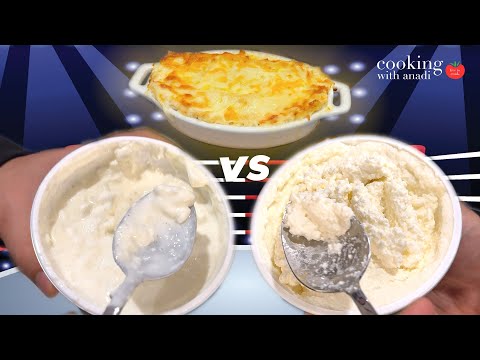
When comparing the nutritional profiles of ricotta and cottage cheese, you’ll find differences in caloric values and macronutrient content, which are important factors depending on your dietary needs.
Caloric Values
Ricotta cheese typically has a higher calorie content due to its greater fat content. On average, a 1/4 cup serving of ricotta contains about 110 calories, while the same serving size of cottage cheese has approximately 90 calories.
It’s essential to factor this into your diet, especially if you’re monitoring caloric intake for weight management.
Protein and Fat Content
Both ricotta and cottage cheese are good sources of protein, which is vital for muscle repair and overall health.
Cottage cheese, however, often provides slightly more protein than ricotta. Expect around 14 grams of protein per 1/2 cup serving of cottage cheese, compared to ricotta’s 10 grams for the same serving size.
When it comes to fat, there’s a clear difference.
Ricotta has higher fat content, with about 9 grams per 1/4 cup serving, while cottage cheese contains about 1 gram per 1/4 cup if you choose the low-fat or nonfat variants.
Your choice between the two might depend on whether you’re aiming for a low-fat diet or looking to include more healthy fats in your meals.
Cottage Cheese Vs Ricotta: Texture and Flavor
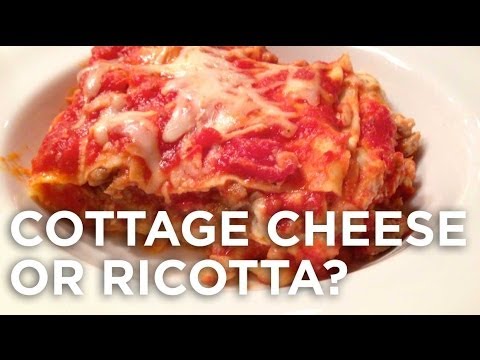
In exploring cottage cheese and ricotta, you’ll find notable differences in their textures and flavors, which influence their culinary applications and appeal.
Texture Characteristics
Cottage Cheese: You’ll discover its grainy texture, attributed to larger curds. This cheese retains a moistness that some describe as sort of “lumpy,” yet it can offer a pleasantly soft chewiness.
The moisture level in cottage cheese is also a bit higher, making it less spreadable than ricotta.
- Moistness: High
- Curd Size: Large
- Texture: Grainy/Lumpy
- Spreadability: Low
Ricotta: Experiencing ricotta, you’ll notice a creamy texture that is smooth and almost spreadable, akin to thick cream. The curds in ricotta are fine, resulting in a more homogenous consistency, which is the result of its unique curdling process that uses whey.
- Moistness: Controlled
- Curd Size: Fine
- Texture: Creamy/Smooth
- Spreadability: High
Flavor Profiles
Cottage Cheese: Your taste buds will pick up a mild but distinct tangy flavor, which complements its texture. The taste is often regarded as fresh and can impart a lighter aspect to recipes that require some sour notes without overpowering other ingredients.
- Flavor: Fresh, Tangy, Mild Sourness
Ricotta: When tasting ricotta, expect a subtle sweetness, which makes it versatile in both savory and sweet dishes. Its flavor is mild as well, allowing it to blend seamlessly into recipes, enhancing without dominating, especially in items like lasagnas or desserts.
- Flavor: Mild, Slightly Sweet
Culinary Uses and Versatility
In exploring the diversity of ricotta and cottage cheese, you’ll find each excels in different culinary contexts due to their unique textures and flavor profiles.

Role in Recipes
Ricotta boasts a fine, smooth texture, making it an excellent choice for desserts like cheesecake, where a creamy consistency is paramount.
It’s also a traditional component in Italian dishes, particularly stuffed shells and lasagna, where its rich flavor enhances these classic pasta recipes.
On the other hand, cottage cheese, with its larger curds and lighter taste, can be a preferable addition to salads or used as a satisfying, protein-rich breakfast or appetizer option when spread on toast.
| Food Type | Ricotta Use | Cottage Cheese Use |
|---|---|---|
| Desserts | Main ingredient in cheesecakes | Can be used in lighter, healthier dessert options |
| Pasta | Filling for lasagna, stuffed shells | Sometimes used as a lighter filling alternative |
| Salads & Appetizers | Often too heavy to be the main component | Perfect as a chunky, flavorful addition |
| Toast | Used as a creamy spread | Preferred for a more textured, less creamy layer |
| Substitute Role | Less common as a substitute due to unique creaminess | Frequently substituted for ricotta in lighter dishes |
Ideal Pairings and Substitutions
Ricotta’s subtle sweetness pairs well with both sweet and savory dishes, enhancing your food with a rich, creamy taste without overpowering other flavors.
For a simple substitute, should you seek to lower the fat content in your recipes, you can consider substituting cottage cheese for ricotta in some cases.
Although the result won’t be identical, with a bit of straining to reduce moisture, or blending to smooth the curds, you’ll achieve a texture and flavor that can still complement your culinary creations.
| When Substituting… | Remember to… |
|---|---|
| Cottage Cheese for Ricotta | Strain or blend to achieve a smoother texture |
| Ricotta for Cottage Cheese | Adjust seasoning to account for flavor profile |
Ultimately, the choice between ricotta and cottage cheese in your recipes will hinge upon the desired texture, flavor, and nutritional content, providing you with a versatile range of options in your culinary endeavors.
Incorporating into Diets and Health Considerations

When selecting between ricotta and cottage cheese, your dietary goals and health considerations are paramount. These cheeses offer different nutritional profiles that can cater to various dietary needs, such as low-calorie or fat-free options, while also considering aspects like lactose content and digestibility.
Diet-Friendly Options
If you’re looking for low-calorie choices, cottage cheese often has fewer calories compared to ricotta, making it a suitable option for weight management.
Fat-free or reduced-fat versions of cottage cheese are widely available, providing a healthy alternative for those aiming to decrease their fat intake.
- Regular cottage cheese: higher in fat, suitable if you’re not avoiding fat in your diet.
- Reduced-fat cottage cheese: fewer calories and fat, a compromise between flavor and health.
- Fat-free cottage cheese: the least calories, for strict low-fat dietary regimes.
Incorporating ricotta or cottage cheese into your meals depends on your dietary needs. For instance, if you’re pursuing a healthy diet with moderate fats and calorie content, ricotta can be a flavorful addition.
Lactose Content and Digestibility
Both ricotta and cottage cheese contain lactose, which can affect those with lactose intolerance. However, some individuals with this condition might tolerate the lower lactose levels in these cheeses better than other dairy products:
- Ricotta: May contain slightly more lactose, be mindful if you have sensitivities.
- Cottage cheese: Generally lower in lactose, could be easier to digest for some.
Taking into account the lactose content is essential to avoid discomfort. Your dietary needs dictate the best choice; for example, if lactose leads to digestive issues for you, cottage cheese might be more suitable. Always consider how your body reacts to these dairy products to maintain digestive comfort.
Unique Preparations and Regional Variations

When delving into the world of soft cheeses, you’ll discover that ricotta and cottage cheese each have unique preparations with variations that reflect their regional heritage, especially within Italian cuisine.
Italian Specialties
Ricotta Cheese has deep roots in Italy, where its variants are as diverse as the regions themselves. One notable variant is Ricotta Salata, a salted version of ricotta that is pressed, dried, and aged, taking on a firmer texture, which makes it ideal for grating over dishes. This contrasts with the classic Ricotta, often used as a creamy filling in cannoli or as a rich addition to pastas and pizzas.
Ricotta cheese in Italy is traditionally made from sheep’s milk whey, though cow’s milk versions are also common. The process includes reheating the whey, a byproduct of cheese-making, to produce a fresh, mild cheese with a delicate sweetness that’s distinct from the more savory profile of cottage cheese.
Homemade Variants
Making homemade ricotta allows for a personalized touch, where you can adjust the consistency and flavor to your liking. Here’s a basic guide to get your homemade ricotta started:
- Heat milk with an acid (such as lemon juice or vinegar) to near-boiling.
- After curds form, strain them using a cheesecloth for a desired level of creaminess.
- Season with salt to taste, and enjoy your fresh ricotta in various dishes.
Homemade ricotta tends to have a fresher flavor and smoother texture compared to store-bought versions and doesn’t contain the stabilizers and preservatives often found in commercial products. Additionally, preparing ricotta at home gives you the liberty to explore the traditional Italian method or innovate to create a preparation that’s uniquely yours.
Choosing the Right Cheese for Your Dish

When selecting between ricotta and cottage cheese, the key to your dish’s success lies in understanding their unique properties and how they fit into your recipe.
Determining Factors
Flavor: Ricotta is typically mild and slightly sweet, whereas cottage cheese offers a tangier and saltier taste profile. Texture: You’ll find ricotta has a fine, creamy consistency; conversely, cottage cheese has a lumpier texture due to its curd size. Moisture Content: Ricotta contains more moisture, lending a wetter component to dishes, while cottage cheese, being less moist, provides a more distinct curd presence. Acidity: The acidity in cottage cheese, which comes from vinegar or lemon, is more pronounced compared to the more neutral pH of ricotta. Nutritional Content: Consider the nutritional differences:
- Protein: Cottage cheese usually has a higher protein content.
- Calcium: Both cheeses have calcium, but the actual amounts can vary by brand.
Expert Recommendations
When looking to enrich your dishes with creaminess, choose ricotta. It integrates smoothly into fillings for pasta like ravioli or for desserts such as cheesecake. If your recipe calls for minimal moisture, such as for a layered lasagna or a stuffed shell filling, ricotta ensures a rich, even texture without excessive liquid.
For dishes that benefit from a firmer texture and a bolder flavor profile, opt for cottage cheese. It’s ideal in healthy breakfast bowls, as a topping, or as a lower-fat and higher-protein stuffing alternative. Its distinct curds provide a pleasant texture when used in salads or as a garnish.
Refer to cooking classes or online resources, like a masterclass, for specific use-cases. These can provide insights on manipulating these cheeses for optimal gastronomic effect in your culinary ventures.
Storing and Handling Cheese
When it comes to preserving the freshness of cheeses like ricotta and cottage cheese, your approach to storage and handling is crucial. These soft cheeses are prone to spoilage and require proper care from the point of purchase to the moment you use them in the kitchen.
Preservation Techniques
Ricotta Cheese
- Keep ricotta in its original packaging if unopened.
- For opened ricotta, transfer to an airtight container and refrigerate.
- Freshness can be maintained for up to one week.
Cottage Cheese
- Store cottage cheese in the refrigerator in its original container.
- If the container is opened, ensure it’s tightly sealed or transfer to an airtight container.
- Cottage cheese typically remains fresh for up to two weeks.
| Cheese Type | Unopened | Opened |
|---|---|---|
| Ricotta | Original Packaging, Refrigerated | Airtight Container, Refrigerated, Use within 1 week |
| Cottage | Original Packaging, Refrigerated | Sealed/Airtight Container, Refrigerated, Use within 2 weeks |
Best Practices in the Kitchen
- Straining excess liquids can prolong the shelf life of both ricotta and cottage cheese once opened. Gently strain using a fine-mesh sieve if necessary.
- Always use clean utensils to avoid introducing contaminants into the cheese.
- Keep cheese away from strong-smelling foods in the fridge to prevent flavor transfer.
Remember to check for spoilage regularly. Discard any cheese that has an off smell, visible mold, or has surpassed its expiry date to ensure food safety in your kitchen.
Exploring Creative Recipe Ideas

When choosing between ricotta and cottage cheese for your recipes, consider how each cheese’s unique texture and flavor can enhance the dish you’re preparing.
Recipe Inspirations
Ricotta and cottage cheese are versatile in cooking and can be stars in an array of creative dishes. Here’s how you can incorporate them into your cooking:
- Lasagna: For a classic Italian dish, you can layer lasagna noodles with ricotta mixed with Parmesan, egg, and herbs for a creamy filling.
- Alternatively, cottage cheese, offering a lower-fat option, can be used for a lighter version.
- Stuffed Shells: Ricotta, combined with spinach and garlic, makes a rich stuffing for pasta shells. A sprinkle of lemon zest can add a refreshing twist.
- Cheesecake: Using ricotta instead of cream cheese gives the cheesecake a lighter but still indulgently creamy texture. Mix in some honey or cinnamon for added depth.
- Toast Toppings: Spread cottage cheese on toast and top with fruits like pineapple or a drizzle of honey for a quick breakfast.
- Ricotta can be a base for both savory toppings like tomatoes and chives or sweet options like berries and nuts.
Enhancing Flavors and Textures
Understanding the characteristics of each cheese helps you elevate your culinary creations:
- Desserts: Ricotta is smooth with a milder sweetness, making it an exceptional choice for desserts. Blend it with powdered sugar and vanilla for a simple, creamy frosting or filling.
- Savory Dishes: Cottage cheese is great for adding texture to savory dishes. Its lumpy consistency works well in dips mixed with chives or garlic.
- Toss it with cooked pasta, olive oil, and vegetables, like zucchini, for a wholesome meal.
- Flavor Pairings: Complement ricotta’s subtle taste by pairing it with bright ingredients like lemon zest or contrast it with rich flavors such as dark chocolate.
- Cottage cheese’s mild flavor pairs nicely with both sweet and savory companions—from cinnamon-dusted pineapple to a savory blend of garlic and herbs.
Frequently Asked Questions

Ricotta and cottage cheese are distinct in their nutritional content and culinary uses. Understanding these differences can guide you to make informed choices fitting your dietary preferences and cooking needs.
What are the nutritional differences between ricotta and cottage cheese?
Ricotta is typically higher in calories and fat, while cottage cheese usually offers fewer calories and a lower fat content. However, specifics can vary based on the types and brands of cheese.
Can cottage cheese be used as a substitute in lasagna where ricotta is traditionally used?
Yes, cottage cheese can be used as a substitute in lasagna. It will lend a different texture and flavor profile due to its lumpier consistency and slightly tangy taste compared to the smoother and milder ricotta.
Which is healthier: ricotta cheese or cottage cheese?
“Healthier” depends on your nutritional goals. Cottage cheese generally contains less fat and more protein, making it a popular choice for those looking to reduce calorie intake or increase their protein consumption.
In terms of weight loss, should I choose ricotta or cottage cheese?
For weight loss, you might prefer cottage cheese due to its lower calorie count and higher protein content, which can contribute to a feeling of fullness and support muscle maintenance while dieting.
How does the protein content compare between ricotta and cottage cheese?
Cottage cheese typically has a higher protein content compared to ricotta, which can make it a preferred option for post-workout meals or a protein-rich snack.
What are the primary taste differences between cottage cheese and ricotta?
Cottage cheese has a mildly tangy flavor and a chunky texture. Meanwhile, ricotta is creamier with a more delicate and slightly sweet taste.
These characteristics influence how each cheese complements different recipes.