
Chinese desserts offer a unique world of flavors that goes far beyond fortune cookies. These traditional sweets use ingredients like red beans, lotus seeds, and glutinous rice to create treats that are both delicious and meaningful in Chinese culture.
You’ll discover puddings, jellies, soups, cakes, and ceremonial desserts that showcase the rich variety of Chinese sweet-making traditions. From creamy mango pudding to crispy sesame balls, each dessert tells a story about regional tastes and cultural customs passed down for generations.
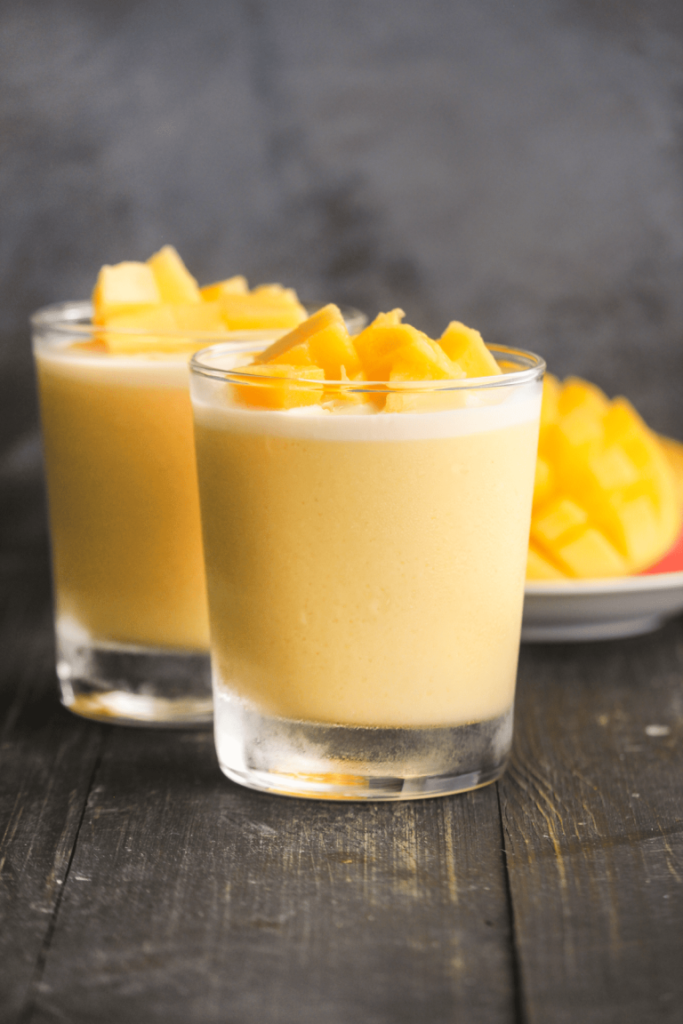
1. Mango Pudding
Mango pudding is a popular dessert you’ll find at Chinese restaurants and dim sum places. This creamy treat comes from Hong Kong and Cantonese cooking.
You can make this dessert with just five simple ingredients. Fresh mango puree gives it a sweet, fruity taste.
The pudding has a smooth, silky texture that feels cool and refreshing. It’s perfect when you want something light after a heavy meal.
Many Chinese dessert shops serve mango pudding in small portions. You can also find it in other Asian countries like Malaysia and the Philippines.

2. Sesame Balls (Jian Dui)
These golden treats are a classic Chinese dessert you’ll love. They have a crispy outside made from glutinous rice flour and sesame seeds.
The inside is chewy and sweet. Most sesame balls contain red bean paste or lotus seed paste filling.
You make them by rolling the dough into balls and coating them with sesame seeds. Then you deep-fry them until golden brown.
These desserts are popular during Chinese New Year. They represent good luck and happiness in Chinese culture.

3. Egg Tarts (Dan Tat)
These golden pastries are a dim sum favorite you’ll find at Chinese bakeries everywhere. Dan tat features smooth egg custard nestled in crispy pastry shells.
The filling tastes mildly sweet with rich egg flavor. The crust delivers a buttery, flaky texture that crumbles perfectly.
You can enjoy these warm from the oven when they’re at their best. They make great snacks with Chinese tea or work well for breakfast and brunch.

4. Red Bean Soup
Red bean soup is a classic Chinese dessert that ends many restaurant meals. You make it with adzuki beans, water, and rock sugar.
This sweet soup has a smooth texture and earthy taste. The beans create a slightly grainy feel that people love.
You can make red bean soup at home easily. Just boil the beans until soft, then mash and sweeten them.
Some versions include sticky rice balls for extra texture.

5. Sweet Lotus Seed Soup
This traditional Chinese dessert soup features soft, tender lotus seeds in a light, sweet broth. You’ll find it served warm with rock sugar for sweetness.
The soup often includes other ingredients like longan, red dates, or snow fungus. These add different textures and flavors to the dish.
Chinese families commonly serve this dessert during special occasions like Chinese New Year. The lotus seeds are believed to bring good luck and health benefits.
You can make this soup by simmering dried lotus seeds until they become soft and creamy.

6. Almond Jelly
You’ll love this silky Chinese dessert that’s perfect for hot summer days. Almond jelly has a delicate texture and subtle almond flavor.
This simple treat uses gelatin or agar-agar, milk, sugar, and almond extract. You can make it easily at home with just a few basic ingredients.
The dessert is often served with fresh fruit or sweet syrup. You might find it at dim sum restaurants where it’s a popular way to end your meal.

7. Fried Milk Custard
Fried milk custard is a popular Cantonese dessert that might sound impossible to make. You create this treat by mixing milk with cornstarch to form a thick, pudding-like custard.
The custard gets cooled and cut into small pieces. You then coat each piece in batter and deep fry until golden and crispy.
The result is a dessert with a crunchy outside and creamy inside. You’ll often find it served with sweetened condensed milk at dim sum restaurants.

8. Tiger Skin Mooncake
Tiger skin mooncakes get their name from the unique spotted pattern on their surface. This pattern looks like tiger stripes or spots.
You can make these mooncakes by baking the outer layer at high heat. The quick baking creates the tiger-like markings on the golden surface.
These mooncakes are popular during Mid-Autumn Festival. You’ll find them filled with sweet lotus paste or red bean filling.
The tiger skin technique makes each mooncake look different. No two will have exactly the same pattern.

9. Snow Fungus Soup
Snow fungus soup is a traditional Chinese dessert soup made with white ear mushrooms. You’ll find this sweet treat served at special occasions like Chinese New Year.
The soup combines snow fungus with ingredients like pears, rock sugar, and dried fruits. You can add jujube dates, goji berries, or longan for extra flavor.
This dessert has a unique chewy texture from the fungus. You can serve it hot or chilled as a light ending to your meal.

10. Tangyuan (Glutinous Rice Balls)
Tangyuan are soft, chewy rice balls made from glutinous rice flour and water. These traditional Chinese desserts come in bright colors and various sizes.
You can find them plain or filled with sweet pastes like black sesame or red bean. The balls are boiled in water until they float to the surface.
They’re typically served in warm, sweet ginger soup or syrup. You’ll often see tangyuan during the Lantern Festival and Winter Solstice celebrations.
These desserts symbolize family unity and togetherness in Chinese culture.

11. Sweet Osmanthus Jelly
This delicate Chinese dessert features a translucent, bouncy texture infused with fragrant osmanthus flowers. You’ll find it served at dim sum restaurants and Michelin-star establishments.
The jelly has a light golden color and subtle floral aroma. Most recipes use just three ingredients: dried osmanthus flowers, sugar, and gelatin or agar.
Goji berries are often added for color and extra sweetness. The dessert offers a refreshing finish after heavy meals, especially during Chinese New Year celebrations.
You can buy dried osmanthus flowers at Asian grocery stores or Chinese herbal shops.

12. Steamed Sponge Cake (Ma Lai Gao)
You’ll find this fluffy brown sugar cake on dim sum carts across Hong Kong and Southern China. Ma Lai Gao gets its name from “Malay cake” in Cantonese.
The cake has a soft, springy texture that makes it popular in tea houses. You can recognize it by its light brown color from the brown sugar.
This steamed dessert takes about 30-35 minutes to cook in a steamer. You’ll often see it served in small portions during dim sum meals.

13. Double Skin Milk
Double Skin Milk is a classic Cantonese dessert that requires just three simple ingredients. You need milk, egg whites, and sugar to create this smooth treat.
The dessert gets its name from the two milk skins that form during cooking. The first skin appears when you heat the milk, and the second forms when the pudding sets.
You steam the mixture to create a creamy texture similar to crème brûlée. The result is a delicate, lightly sweet pudding with a silky consistency that melts in your mouth.

14. Peanut Soup
Peanut soup is a popular Chinese dessert soup served warm. You’ll find this sweet treat at many Chinese dessert shops and restaurants.
The soup has a smooth, creamy texture from ground peanuts. It tastes sweet and nutty at the same time.
Many places serve peanut soup with small rice balls called tang yuan. These add a chewy texture that makes the dessert more filling.
You can eat peanut soup as a snack or after meals. It’s especially good on cold days when you want something warm and comforting.

15. Ba Si (Eight Treasures Rice Pudding)
Eight Treasures Rice Pudding is a traditional Chinese dessert you’ll often see during Lunar New Year celebrations. The dish gets its name from the eight different ingredients used to make it.
You’ll find sticky rice as the base, filled with sweet red bean paste. The top features dried fruits, nuts, and seeds arranged in pretty patterns.
This dessert tastes sweet and has a soft, chewy texture from the glutinous rice. Many families serve it because the round shape represents unity and good fortune.

16. Sweet Potato Soup
Sweet potato soup is a popular Chinese dessert that combines simple ingredients into a warming treat. You’ll find this traditional soup served both hot and cold throughout Hong Kong and mainland China.
The recipe uses just four basic ingredients: sweet potatoes, ginger, rock sugar, and water. Orange-fleshed sweet potatoes work best for their natural sweetness and creamy texture.
You prepare it by boiling chunked sweet potatoes with fresh ginger until tender. Rock sugar dissolves into the liquid, creating a light, sweet broth that highlights the potato’s natural flavors.

17. Honey Glutinous Rice Cake
You’ll find this sweet treat in Hunan province, where it’s called YouTangBaBa. The cake uses only two main ingredients: honey and glutinous rice flour.
Despite its simple recipe, the special cooking method creates a unique taste and texture. The glutinous rice flour gives the cake a chewy, sticky feel that’s different from regular cakes.
You can make this dessert at home easily since the ingredients are affordable and basic. It’s a traditional snack that shows how simple foods can be delicious.

18. Mung Bean Cake
Mung bean cake is a popular Chinese dessert made from mung bean paste. You’ll find this treat especially common during hot summer months.
The cake has a light, powdery texture and mild sweetness. It’s made by cooking mung beans until soft, then mashing them into a paste with sugar.
You can eat mung bean cake at room temperature or chilled. The dessert comes in small, molded squares with beautiful pressed patterns on top.
This traditional treat uses only natural ingredients and offers a refreshing end to any meal.

19. Taro Paste
Taro paste is a smooth, creamy purple filling made from taro root. You’ll find it in many Chinese desserts and pastries.
This sweet paste has a rich, nutty flavor. Its beautiful purple color makes desserts look special.
You can use taro paste as filling for steamed buns and mooncakes. It also works well in mochi and dumplings.
Many bubble tea shops use taro paste in their drinks. You can make it at home by steaming and mashing fresh taro roots with sugar.

20. Chrysanthemum Tea Jelly
You’ll love this light and refreshing dessert that captures the delicate flavor of chrysanthemum flowers. This translucent jelly has deep roots in Chinese cooking traditions.
The dessert uses dried chrysanthemum flowers to create a gentle, floral taste. Many recipes add goji berries for extra color and nutrition.
Chrysanthemum tea jelly offers a healthy treat option. The flowers are known for their calming properties in Chinese medicine.
You can make this dessert easily at home with just a few ingredients. It’s perfect when you want something sweet but not too heavy.

21. Black Sesame Soup
Black sesame soup is a traditional Chinese dessert soup with a thick, creamy texture. You’ll taste nutty and sweet flavors from roasted black sesame seeds.
This warm dessert takes just 30 minutes to make with only 5 ingredients. You can serve it hot or cold after your main meal.
The soup is naturally vegan and gluten-free. Many people enjoy it for its rich, earthy taste and smooth consistency.
Cultural Significance of Chinese Desserts
Chinese desserts carry deep meaning beyond their sweet taste. They connect to ancient traditions and mark important celebrations throughout the year.
Historical Origins
Chinese desserts date back thousands of years to ancient dynasties. They began as offerings in religious ceremonies and royal courts.
Early desserts used natural ingredients like red beans, rice, and lotus seeds. These ingredients had special meanings in Chinese culture.
Red beans represented good luck and protection from evil spirits. Rice symbolized abundance and prosperity for families.
During the Tang Dynasty (618-907 AD), desserts became more complex. Cooks started adding new techniques like steaming and molding.
Traditional recipes passed down through generations kept these meanings alive. Each family added their own touches while keeping the core symbols.
Many desserts today still use the same basic ingredients as their ancient versions. This shows how important tradition remains in Chinese cooking.
Role in Festivals and Celebrations
Chinese desserts play key roles in major festivals and family events. Each celebration has specific sweets that carry special meanings.
Mooncakes appear during Mid-Autumn Festival to represent family unity. Their round shape symbolizes completeness and togetherness.
During Chinese New Year, families eat tangyuan (sweet rice balls). These round dumplings bring good fortune for the coming year.
Wedding celebrations feature red bean desserts for luck and happiness. The red color represents joy and prosperity in marriage.
Dragon Boat Festival includes sticky rice treats wrapped in bamboo leaves. These treats honor ancient traditions and protect against bad luck.
Birthday celebrations often include longevity peaches made from sweet dough. These desserts wish long life and good health.
Key Ingredients Used in Chinese Sweets
Chinese desserts rely on unique ingredients that create their signature textures and flavors. These components include glutinous rice flour for chewy treats, rock sugar for subtle sweetness, and regional specialties like black sesame and red beans.
Common Flours and Starches
Glutinous rice flour forms the base of many Chinese desserts. You’ll find it in tangyuan (sweet rice balls) and mochi-style treats.
This flour creates the chewy, sticky texture that makes Chinese sweets different from Western desserts. Regular rice flour provides a lighter texture.
It works well for steamed cakes and delicate pastries. Tapioca starch adds bounce and clarity to desserts.
You’ll see tapioca starch in puddings and as a thickening agent. Many bubble tea pearls use this starch.
Sweet potato starch creates smooth, glossy textures. It’s popular in jellies and translucent desserts.
Wheat flour appears in baked goods like egg tarts and some steamed buns. It’s less common than rice-based flours but still important.
These starches often combine to create the perfect texture. Each one brings different qualities to your desserts.
Traditional Sweeteners
Rock sugar is the most common sweetener in Chinese desserts. It dissolves slowly and creates a clean, mild sweetness.
You’ll taste rock sugar in soups and syrups. Brown sugar adds deeper flavor to desserts.
It works especially well with ginger-based treats and warm desserts. Maltose syrup creates glossy finishes and chewy textures.
You’ll find maltose syrup in candies and some pastries. Date paste sweetens desserts naturally.
It adds fruity notes and works well in steamed buns. Osmanthus honey brings floral notes to desserts.
This specialty sweetener appears in high-end treats. Modern Chinese desserts sometimes use xylitol or other sugar substitutes.
These help reduce calories while keeping traditional flavors. The sweetness level in Chinese desserts tends to be moderate compared to Western sweets.
Regional Flavors
Red bean paste dominates Chinese desserts across all regions. You’ll find it in buns, pastries, and ice cream.
The smooth, sweet paste comes from adzuki beans. Black sesame creates nutty, rich flavors.
It appears in soups, ice cream, and filled pastries. The seeds get ground into smooth paste or powder.
Taro brings purple color and earthy sweetness. This root vegetable works well in puddings and bubble tea.
Lotus seeds add texture and mild flavor. They often appear in soups and Eight Treasures Rice.
Peanuts provide crunch and nutty taste. You’ll find them whole, ground, or as paste in various desserts.
Coconut flavors many Southern Chinese treats. Fresh coconut milk creates creamy textures in puddings.
Green tea (matcha) adds earthy bitterness that balances sweetness. It’s becoming more popular in modern desserts.
Frequently Asked Questions
Chinese desserts range from creamy puddings to fried dough balls filled with sweet pastes. Many recipes use ingredients like red beans, lotus seeds, and coconut milk that might be new to home cooks.
What are some classic Chinese desserts that are popular worldwide?
Mango pudding is one of the most famous Chinese desserts outside of China. You can find it in most dim sum restaurants.
Egg tarts are another popular choice. These small pastries have a flaky crust and smooth custard filling.
Sesame balls are crispy on the outside and chewy inside. They’re often filled with red bean paste or lotus seed paste.
Red bean ice cream and bubble tea have also become global favorites. Many Asian bakeries now sell these treats worldwide.
How can I make traditional Chinese egg tarts at home?
You need flour, butter, eggs, milk, and sugar for basic egg tarts. The pastry shell can be made with puff pastry or a simple shortbread dough.
Mix eggs with warm milk and sugar for the custard filling. Strain the mixture to remove any lumps.
Bake the empty shells for 10 minutes first. Then add the custard and bake for another 15-20 minutes until the tops are golden.
The key is not overbaking. The custard should be set but still slightly jiggly in the center.
What are the key ingredients in making authentic Chinese sweet soups?
Red beans are the most common base for Chinese sweet soups. You need to soak them overnight before cooking.
Lotus seeds add texture and mild sweetness. Remove the green germ inside each seed to avoid bitterness.
Rock sugar is preferred over regular sugar. It dissolves slowly and creates a cleaner taste.
Coconut milk makes soups creamy and rich. Tapioca pearls or sago can add chewy texture.
Some recipes use dried tangerine peel for extra flavor. Always rinse it before adding to the soup.
Are there any Chinese desserts that are suitable for vegans?
Many traditional Chinese desserts are naturally vegan. Red bean soup uses only beans, water, and sugar.
Sweet lotus seed soup is also vegan when made without milk. Use coconut milk instead of dairy milk.
Almond jelly can be made with agar instead of gelatin. This keeps it completely plant-based.
Some sesame balls are vegan if they don’t contain eggs in the dough. Check the recipe carefully.
Fresh fruit desserts like mango sago are usually vegan. They use coconut milk and tapioca pearls.
What is the cultural significance of mooncakes in Chinese cuisine?
Mooncakes are eaten during the Mid-Autumn Festival in September or October. This holiday celebrates family unity and the harvest moon.
The round shape represents completeness and reunion. Families share mooncakes while looking at the full moon together.
Traditional fillings include lotus seed paste and salted egg yolks. The egg yolk represents the full moon.
Mooncakes are often given as gifts to show respect. They come in decorative boxes with beautiful designs.
Different regions have their own styles. Cantonese mooncakes have thin crusts while Beijing-style ones are thicker.
Where can I find recipes for authentic Chinese rice puddings?
Many Asian cooking websites offer Chinese rice pudding recipes. Look for sites that focus on traditional recipes.
Chinese cookbooks often include sweet rice dishes. Check the dessert sections for pudding recipes.
Asian grocery stores sometimes provide recipe cards near the rice section. These cards often show traditional preparation methods.
YouTube features many Chinese cooking channels with rice pudding tutorials. Search for channels run by native Chinese speakers.
Some recipes use glutinous rice instead of regular rice. This creates a stickier, chewier texture.