
Chicken curry stands as one of the world’s most beloved comfort foods. It brings together tender chicken with aromatic spices and rich sauces.
From quick weeknight meals that take just 30 minutes to slow-simmered traditional dishes, you’ll discover options that fit your schedule and cooking style. These 21 recipes offer something for every skill level and taste preference.
These recipes span the globe, featuring classic Indian curries with warm spices. You’ll also find creamy coconut-based dishes from Thailand and the Caribbean, and mild options perfect for those new to curry cooking.
You’ll learn about different cooking methods, from one-skillet meals to slow cooker versions. Key ingredients and techniques will help you create restaurant-quality curry at home.
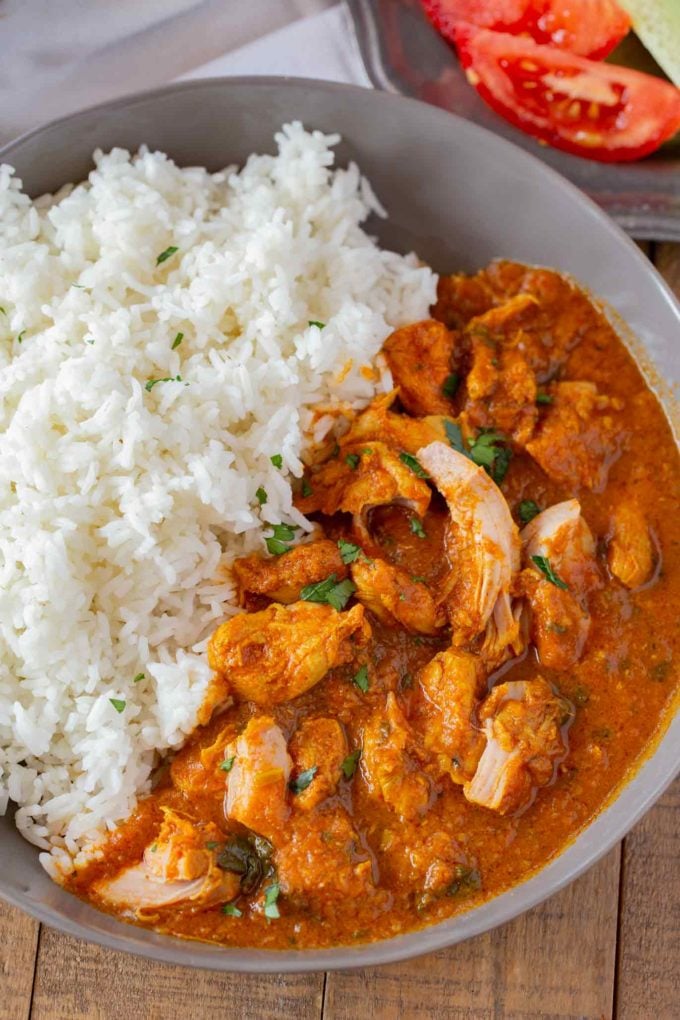
1. Classic Indian Chicken Curry with Yogurt and Warm Spices
This traditional recipe creates a rich, creamy curry using simple ingredients you likely have at home. You’ll need chicken pieces, plain yogurt, onions, and tomatoes as your base.
Warm spices like cumin, coriander, turmeric, and cinnamon add magic to the dish. Add fresh ginger and garlic for depth.
Simmer everything together until the chicken becomes tender. The yogurt creates a smooth, tangy sauce that balances the spices.
This home-style curry takes about 20 minutes to make. It delivers authentic Indian flavors.

2. Quick Mild Chicken Curry Ready in 30 Minutes
This mild chicken curry fits busy weeknight schedules perfectly. You can make it in just 30 minutes using basic spices and common ingredients.
Simple seasonings like curry powder and ginger build flavor. Cook onions until they turn golden brown.
Sour cream or yogurt creates the creamy sauce without long cooking times. Add chicken pieces and let them cook through in the creamy base.
Serve your curry over rice or with naan bread. This recipe freezes nicely for later meals.

3. Creamy Coconut Milk Chicken Curry
This curry combines tender chicken with rich coconut milk and warm spices. You can make it in just 30 minutes using one pot.
Brown your chicken pieces in a large pan. Add curry paste and your favorite spices like cumin or turmeric.
Pour in full-fat coconut milk and chicken stock. Let everything simmer until the sauce becomes thick and creamy.
Add vegetables like bell peppers or peas during the last few minutes. Finish with fresh lime juice and serve over rice.

4. One-Skillet Pantry-Friendly Chicken Curry
This simple curry uses ingredients you likely have at home. Cook everything in one pan for easy cleanup.
Start by sautéing chicken pieces with diced onion. Add curry powder, garlic, and ginger for flavor.
Pour in coconut milk to create a creamy sauce. Let the curry simmer for about 20 minutes until the chicken is tender.
Serve this over rice or with naan bread. The recipe takes just 30 minutes from start to finish.

5. Yellow Coconut Chicken Curry with Mushrooms and Asparagus
This curry combines tender chicken with fresh mushrooms and crisp asparagus in a creamy coconut sauce. The yellow curry base is milder than red or green varieties.
Make this dish in one skillet in about 30 minutes. The coconut milk creates a rich, velvety texture that coats the vegetables.
Turmeric and curry powder give it the signature yellow color and warm flavor. Serve it over rice to soak up the creamy sauce.
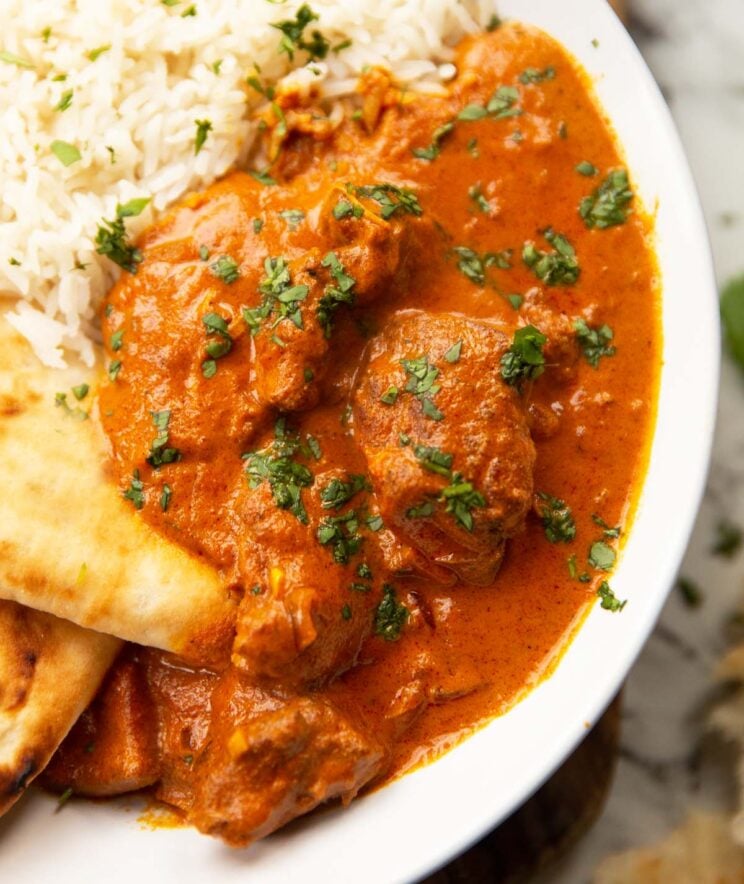
6. Slow Cooker Traditional Chicken Curry
Your slow cooker makes perfect traditional chicken curry with minimal effort. The long cooking time lets all the spices blend together beautifully.
Use chicken thighs for better results. Thighs stay tender and juicy during the long cooking process.
Add onions, garlic, ginger, and curry powder to your slow cooker. Pour in coconut milk and diced tomatoes for the sauce base.
Cook on low for 6-8 hours. The meat will be fall-apart tender when finished.

7. Thai Green Chicken Curry with Fresh Herbs
This authentic Thai curry combines creamy coconut milk with fragrant green curry paste. Use homemade or store-bought paste for convenience.
Tender chicken thighs work best in this recipe. The meat stays moist during cooking and absorbs the curry flavors.
Fresh herbs like Thai basil, cilantro, and mint add brightness. Add them at the end to preserve their flavor and color.
The curry comes together in about 30 minutes. It’s perfect for weeknight dinners.

8. Caribbean-Style Chicken Curry with Potatoes
This comforting curry combines tender chicken with hearty potatoes in a flavorful Caribbean sauce. You’ll use Jamaican curry powder, which has more turmeric and less heat than other curry powders.
“Burn” the curry powder in oil first to release deeper flavors. Then add the chicken and vegetables.
Scotch bonnet peppers give authentic Caribbean heat. Add carrots and bell peppers for extra texture and color.
Serve your curry over jasmine rice or rice and peas.

9. Spicy South Indian Chicken Curry with Curry Leaves
This curry brings bold heat through black peppercorns and fresh green chilies. Cook chicken thighs in coconut milk for rich flavor.
Curry leaves add a unique taste that makes South Indian curries special. Toast whole spices like cinnamon and cardamom before grinding them for deeper flavors.
The curry gets its dark color from patient cooking. Don’t rush this step for the best results.

10. Butter Chicken (Murgh Makhani)
Butter chicken is one of India’s most famous curry dishes. You’ll find it on nearly every Indian restaurant menu.
This mild curry features tender chicken in a creamy tomato-based sauce. The sauce combines butter, cream, and warm spices for rich flavor.
Marinate the chicken first, then cook it until tender. The creamy orange-red sauce gets its color from tomatoes and spices.
Serve your butter chicken with basmati rice or naan bread.

11. Kerala Chicken Curry with Coconut and Tamarind
This South Indian curry combines creamy coconut milk with tangy tamarind. The two ingredients balance each other perfectly.
You’ll taste rich coconut cream alongside sour tamarind flavors. Traditional spices like curry leaves, turmeric, and mustard seeds add depth.
The curry cooks in about 30 minutes. Serve it with rice, chapati, or parotta.
Kerala’s coastal location makes coconut and tamarind popular ingredients there.

12. Jamaican Chicken Curry with Scotch Bonnet Peppers
This spicy Caribbean dish brings bold island flavors to your dinner table. Marinate chicken pieces with Jamaican curry powder, garlic, and fresh herbs.
Scotch bonnet peppers add heat and sweet tropical flavor. Use habanero peppers if scotch bonnets are hard to find.
Cook the curry powder in oil first to release its full flavor. Add coconut milk for creamy richness.
Potatoes and carrots make the dish more filling. Serve over rice for a complete meal.

13. Chicken Tikka Masala
Chicken tikka masala features tender chicken pieces in a rich, creamy tomato-based sauce. Marinate the chicken in yogurt and spices before grilling or cooking it.
The sauce combines tomatoes, cream, and aromatic spices like garam masala. This creates a smooth, flavorful curry that’s mildly spiced.
Use chicken thighs or breasts for this dish. Thighs stay more tender during cooking.
This curry pairs well with basmati rice or naan bread.

14. Easy Chicken Curry for Beginners with Basic Pantry Staples
This simple chicken curry uses ingredients you likely have at home. You need chicken breast, coconut milk, onions, tomatoes, and basic spices.
The recipe takes just 20-30 minutes to make. Brown the chicken first, then add your curry mixture.
Mix yogurt, garlic, ginger, and curry powder for the base. Add diced tomatoes and coconut milk for creaminess.
Cook everything in one pot for easy cleanup. The flavors blend perfectly without fancy techniques.

15. Slow Simmered Chicken Curry with Garam Masala
This curry combines rich coconut milk with warming spices for deep flavor. Use chicken thighs since they work well in slow cooking and stay tender.
Add chicken, onions, garlic, and ginger to your slow cooker. Sprinkle in garam masala and curry powder for the spice base.
Pour coconut milk and tomato passata over everything. Cook on low for 6-8 hours until the chicken becomes tender.
Add garam masala at the end for the best flavor punch.

16. Creamy Yogurt and Cream Chicken Curry
This rich curry combines two creamy elements for amazing texture. You get both tangy yogurt and smooth heavy cream in one dish.
The yogurt adds a slight tang that balances the spices. Heavy cream makes the sauce extra smooth.
Marinate chicken pieces in yogurt first to make the meat tender and flavorful. Cook onions, garlic, and ginger until soft.
Add your spices like turmeric and garam masala. Pour in the marinated chicken with its yogurt.
Simmer until the chicken cooks through. Stir in heavy cream at the end for a creamy finish.

17. Mild Chicken Curry with Fresh Ginger and Garlic
This gentle curry recipe puts fresh ginger and garlic at the center. You get bold flavor without overwhelming heat.
The recipe works well with chicken thighs or breasts. Cut your chicken into chunks for even cooking.
Fresh ginger and garlic create a flavorful base when cooked in oil. Add onions to build more depth.
Coconut milk makes the sauce creamy and mild. Adjust spice levels by adding small amounts of chili powder if desired.
This family-friendly curry pairs well with rice or naan bread.

18. Chicken Curry with Turmeric and Coriander
This curry combines two powerful spices that create a golden, aromatic dish. Turmeric gives the sauce its bright yellow color and earthy flavor.
Coriander adds a warm, citrusy note that balances the turmeric. Use ground coriander seeds or fresh cilantro leaves for different flavor profiles.
Marinate your chicken in yogurt, turmeric, and ground coriander for at least 20 minutes. This helps the spices penetrate the meat and makes it more tender.
Cook the marinated chicken with onions, garlic, and ginger. Add coconut milk or tomatoes to create a rich sauce.

19. Afghan-Style Chicken Curry with Yogurt and Dried Lime
This mild curry features tender chicken in a creamy yogurt-based sauce. The dish uses simple spices like cumin, coriander, and turmeric for flavor.
Marinate the chicken in yogurt and spices first. Then cook it in a sauce made with onions, garlic, and ginger.
The curry has a rich, creamy texture without heavy cream. Dried lime adds a subtle tangy note.
Serve it with rice or naan bread.

20. Japanese Chicken Curry with Sweet Potato and Carrot
Japanese chicken curry offers a mild and comforting flavor that differs from spicier curry styles. Easily make this dish with chicken thighs, sweet potatoes, and carrots.
The curry sauce is thick and savory-sweet. It coats the tender chicken and vegetables.
Sweet potatoes add natural sweetness to balance the curry spices. Carrots provide extra texture and color.
You can find Japanese curry mix at most large supermarkets in the international aisle. This makes preparation simple for weeknight dinners.

21. Chicken Curry with Fenugreek and Mustard Seeds
This curry brings together two powerful flavors that work well with chicken. The fenugreek adds a slightly bitter, nutty taste while mustard seeds give a sharp pop.
You can use fresh fenugreek leaves or dried ones. Fresh leaves taste better, but dried works too.
Toast the mustard seeds in oil first to release their flavor. The combination creates a rich, dark curry with deep taste.
You’ll need basic spices like turmeric, cumin, and coriander. Onions and tomatoes form the base.
Key Ingredients and Flavor Profiles
The right spices and regional cooking styles create the unique taste that makes curry chicken so popular. Different countries use their own special ingredients that give each curry its own flavor.
Essential Spices for Curry Chicken
Curry powder forms the base of most curry chicken recipes. It contains turmeric, coriander, cumin, and fenugreek.
These spices give curry its yellow color and earthy taste. Garam masala adds warmth and depth.
This spice blend includes cinnamon, cardamom, cloves, and black pepper. You can buy it pre-made or make your own.
Fresh ginger and garlic are must-have ingredients. They add sharp, aromatic flavors that balance the other spices.
Most recipes use equal amounts of both. Turmeric provides the golden color and mild bitter taste.
It also has health benefits and helps preserve the dish. Cumin seeds give a nutty, smoky flavor when toasted.
Ground cumin works too, but whole seeds taste stronger. Coriander seeds add a citrus-like taste.
Toast them before grinding for better flavor.
Popular Regional Variations in Curry Chicken Recipes
Indian curry chicken uses coconut milk, tomatoes, and yogurt for the sauce. Popular spices include cardamom, cinnamon, and bay leaves.
The curry is often rich and creamy. Thai curry chicken features coconut milk as the main liquid.
Green, red, or yellow curry paste creates the base flavor. Fish sauce and lime juice add saltiness and tang.
Caribbean curry chicken includes mild banana flavors and scotch bonnet peppers. Curry powder mixes with dry mustard and butter for a unique taste.
Malaysian curry chicken combines Indian spices with local ingredients like lemongrass and galangal. The curry often includes potatoes and uses coconut milk.
Cooking Techniques and Tips
Getting chicken curry right means knowing how to keep the meat tender and balance your spices properly. The right cooking methods and serving choices will make your curry taste restaurant-quality at home.
How to Achieve Tender and Juicy Chicken
Choose chicken thighs over breasts for the best results. Thighs have more fat and stay juicy during long cooking times.
They won’t dry out like chicken breasts can. Cut your chicken into equal-sized pieces.
This helps everything cook at the same rate. Pieces that are too small will overcook and become tough.
Marinate the chicken for at least 30 minutes before cooking. Use yogurt, lemon juice, or vinegar in your marinade.
These acids break down tough fibers and make the meat tender. Don’t overcook the chicken.
Add it to your curry base and simmer gently. High heat will make the meat tough and chewy.
Let the chicken rest in the sauce after cooking. This helps the flavors soak in and keeps the meat moist.
Best Practices for Balancing Spices
Start with whole spices when possible. Toast them in a dry pan for 1-2 minutes before grinding.
This releases more flavor than using pre-ground spices. Layer your spices at different stages of cooking:
- Add whole spices to hot oil first
- Mix ground spices with a little water to make a paste
- Add fresh herbs at the end
Taste as you go. Start with less spice than the recipe calls for.
You can always add more, but you can’t take it back. Balance heat with cooling ingredients.
If your curry is too spicy, add coconut milk, yogurt, or cream. Sugar can also help tone down too much heat.
Let spices cook properly. Raw spice flavors taste harsh.
Cook your spice paste for 2-3 minutes until it smells fragrant.
Serving Suggestions and Sides
Rice is the classic choice for serving curry chicken. Basmati rice works best because it doesn’t compete with the curry flavors.
Jasmine rice is another good option. Naan bread soaks up curry sauce perfectly.
You can buy it from the store or make your own. Warm it before serving for the best taste.
Add fresh garnishes to brighten up your dish:
- Fresh cilantro leaves
- Sliced green onions
- A squeeze of lime juice
- Plain yogurt on the side
Serve cooling sides with spicy curries. Cucumber raita, plain rice, or even a simple salad helps balance hot flavors.
Make sure everything is hot when you serve it. Curry chicken tastes best when it’s steaming.
Warm your serving bowls if you want to keep food hot longer.
Frequently Asked Questions
These common questions cover essential spice combinations for traditional curries, techniques for achieving creamy coconut-based sauces, and practical tips for slow cooker preparation and beginner-friendly recipes.
What are the key spices needed for a traditional chicken curry?
Traditional chicken curry requires cumin, coriander, and turmeric as your base spices. These three spices create the foundation for most authentic curry flavors.
Add garam masala, which is a blend of warm spices like cinnamon, cardamom, and cloves. Fresh ginger and garlic are also essential for building deep flavor.
Cayenne pepper or chili powder gives heat to your curry. Start with small amounts and adjust based on your taste preferences.
How do I make a rich and creamy coconut chicken curry?
Use full-fat canned coconut milk for the richest texture and flavor. Light coconut milk will make your curry thinner and less creamy.
Add the coconut milk after cooking your spices and chicken. This prevents the milk from separating or curdling during the cooking process.
Simmer your curry on low heat once you add the coconut milk. High heat can cause the coconut milk to break apart and create an oily texture.
What is the best way to prepare chicken curry in a slow cooker?
Brown your chicken pieces in a pan before adding them to the slow cooker. This step adds extra flavor and better texture to your final dish.
Cook your spices in oil for 1-2 minutes before adding them to the slow cooker. Raw spices can taste harsh and underdeveloped in slow-cooked dishes.
Add coconut milk or cream during the last 30 minutes of cooking. Adding dairy products too early can cause them to curdle or separate.
Can you recommend an easy chicken curry recipe for beginners?
Start with boneless chicken thighs cut into bite-sized pieces. Thighs stay tender and are harder to overcook than chicken breasts.
Use curry powder instead of individual spices for your first attempts. Curry powder gives you a balanced flavor without measuring multiple spices.
Keep your recipe simple with chicken, onions, garlic, curry powder, and coconut milk. You can add more ingredients as you gain confidence with the basic technique.
How do I incorporate potatoes into a slow cooker chicken curry?
Cut your potatoes into 1-inch chunks so they cook evenly with the chicken. Smaller pieces will turn mushy, while larger pieces may stay hard.
Add potatoes at the same time as your chicken since both need similar cooking times. This ensures everything finishes cooking together.
Choose waxy potatoes like red or Yukon varieties. These types hold their shape better during long cooking times than russet potatoes.
What adjustments should I make when using coconut milk in a chicken curry recipe?
Reduce other liquids in your recipe when you add coconut milk. Coconut milk contains water, so your curry might become too thin if you don’t adjust.
Add coconut milk gradually and taste as you go. Different brands have varying levels of richness and sweetness that can change your final flavor.
Stir coconut milk well before you add it to your curry. The cream often separates from the water in the can, creating uneven texture if you don’t mix it properly.