
Greek desserts represent some of the world’s most beloved sweet treats. They combine simple ingredients like honey, nuts, and phyllo dough into extraordinary creations.
These traditional sweets have been passed down through generations. Each dessert carries stories of Greek culture and history.
From flaky pastries dripping with syrup to creamy custards and nut-filled delights, Greek desserts offer something for every taste.
You’ll discover both famous classics like baklava and hidden gems that showcase the diverse range of flavors and techniques found across Greece’s regions.
Whether you plan to visit a Greek bakery, cook at home, or simply learn about these sweet traditions, understanding the ingredients and cultural importance behind each dessert will deepen your appreciation for Greek culinary heritage.
1. Baklava
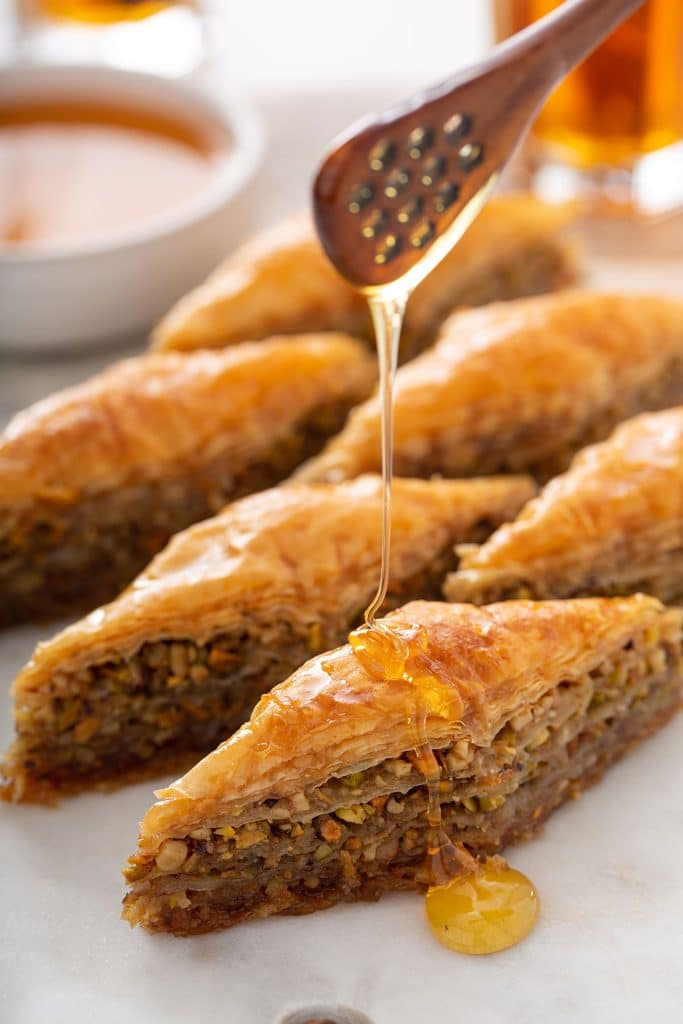
Baklava stands as Greece’s most famous dessert. You’ll find layers of crispy phyllo dough filled with chopped nuts like walnuts or almonds.
Sweet honey syrup soaks the pastry, often flavored with lemon and cinnamon. You can make baklava at home easier than you might think.
The key is using thin phyllo layers and letting the honey syrup soak through completely. This dessert works well for special occasions or when you want to impress guests.

2. Galaktoboureko
Galaktoboureko is a classic Greek custard dessert that you’ll find at most celebrations. The name comes from “gala” meaning milk and “boureki” meaning pie.
This dessert combines creamy semolina custard wrapped in crispy phyllo pastry. You’ll taste the buttery, golden layers that surround the smooth filling.
Sweet lemon syrup soaks the dessert after baking. This syrup makes each bite extra moist and flavorful.
You can make galaktoboureko in three simple steps. It’s popular throughout Greece and often served alongside baklava at special events.

3. Loukoumades
Loukoumades are Greek honey donuts that you’ll find irresistible. These small, round treats are crispy on the outside and soft on the inside.
You can make them with just five simple ingredients. Deep-fry the dough balls until they turn golden brown.
Serve them warm and cover them in honey syrup. You’ll often find them topped with cinnamon or chopped walnuts.
These sweet treats date back to ancient Greece. Olympic winners once received them as rewards for their victories.

4. Kataifi
Kataifi is a Greek dessert made with shredded phyllo dough that looks like thin noodles. The pastry wraps around a sweet filling of chopped nuts like walnuts or pistachios.
Warm spices like cinnamon and cloves mix into the nut filling. After baking, pour honey syrup with lemon over the dessert.
The texture combines crispy golden strands on the outside with a rich, sweet center. You can find authentic kataifi at Greek bakeries or make it at home for special occasions.

5. Portokalopita
Portokalopita is a traditional Greek orange cake that uses phyllo pastry instead of flour. The name comes from “portokali” meaning orange and “pita” meaning pie.
Shredded phyllo dough, Greek yogurt, eggs, and orange zest make up this dessert. The cake gets soaked in sweet syrup after baking.
The texture combines crispy phyllo layers with moist, syrup-soaked filling. Each bite delivers bright orange flavor with a satisfying contrast between textures.
Greeks often serve portokalopita to house guests as a welcoming treat.

6. Revani
Revani is a traditional Greek semolina cake that appears at celebrations across Greece. You’ll find this moist sponge cake soaked in sweet citrus syrup.
Semolina flour serves as the main ingredient. Many recipes include coconut flakes and orange flavoring for extra taste.
After baking, pour syrup over the warm cake. The syrup soaks through completely, making revani incredibly moist and sweet.
You can serve revani at room temperature or chilled. It stays fresh for several days thanks to the syrup.

7. Melomakarona
Melomakarona are traditional Greek honey cookies that hold a special place during Christmas celebrations. These oval-shaped treats combine simple ingredients like olive oil, orange juice, flour, and honey.
They soak in aromatic honey syrup and get topped with crushed walnuts. The cookies have a soft, cake-like texture that absorbs the sweet syrup perfectly.
These ancient Greek desserts offer flavors similar to baklava but in cookie form. Bake them until golden, then dip in honey syrup while still warm for maximum absorption.

8. Kourabiedes
Kourabiedes are traditional Greek butter cookies that melt in your mouth. These almond shortbread cookies are covered in powdered sugar and have a crumbly texture.
You’ll find them at Greek celebrations like Christmas, weddings, and baptisms. They contain butter, almonds, and sometimes a splash of ouzo for extra flavor.
The cookies have a rich, buttery taste with a hint of toasted almonds. The powdered sugar coating adds sweetness to the delicate cookie underneath.
9. Diples
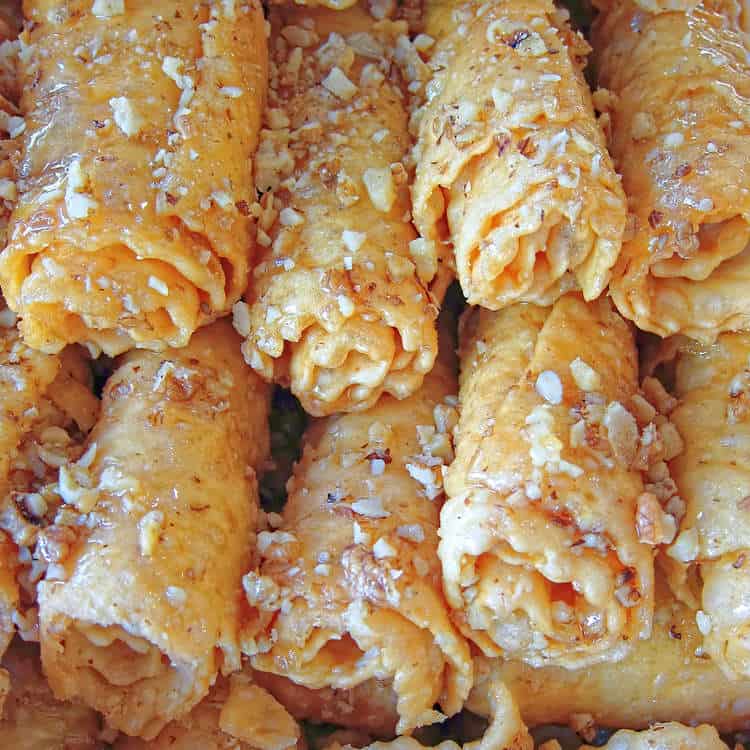
Diples are traditional Greek fried pastries that get their name from the Greek word for “fold.” You’ll often see them served during Christmas and special celebrations.
Roll these thin pastries into spiral or bow shapes before frying. Once golden and crispy, drizzle them with honey syrup and top with crushed walnuts and cinnamon.
The dessert comes from the Peloponnese region of Greece. You’ll find them light and airy with a sweet honey coating that makes them irresistible.

10. Rizogalo
Rizogalo is Greece’s beloved rice pudding that differs from other versions you might know. This creamy dessert uses whole milk, rice, and aromatic spices like cinnamon and vanilla.
Serve it cold, unlike many rice puddings that come warm. The texture is light and smooth rather than thick or sticky.
Traditional recipes call for citrus zest from lemons and oranges. Sprinkle ground cinnamon on top before serving.
You can enjoy rizogalo as dessert, breakfast, or a mid-day snack. It’s naturally gluten-free and egg-free in most recipes.

11. Halva
Greek halva is a traditional semolina pudding cake made with simple ingredients. Use semolina, olive oil, sugar, and water in a 1:2:3:4 ratio.
Toast the semolina in olive oil until golden. Add a flavored syrup and cook until thick.
Common additions include raisins, almonds, and spices like cinnamon and cloves. Orange zest adds extra flavor.
Pour the mixture into a mold to cool and set. This creates a dense, sweet dessert perfect for any occasion.

12. Pasteli
Pasteli is Greece’s ancient energy bar made from just honey and sesame seeds. This simple candy dates back thousands of years to the time of Homer.
Make pasteli in just 10 minutes at home. Combine toasted sesame seeds with warm honey to create a chewy, nutty treat.
Greek warriors and athletes ate pasteli for quick energy and strength. Today, you’ll find many versions of this traditional sweet throughout Greece.

13. Amygdalota
Amygdalota are classic Greek almond cookies made with almond flour and egg whites. The name means “made with almonds” in Greek.
These cookies have a crispy outside and soft, chewy inside. You’ll find them in bakeries across Greece year-round.
Amygdalota symbolize new beginnings in Greek culture. Serve them with Greek coffee or alongside other traditional sweets.
The cookies use simple ingredients but deliver rich almond flavor. They’re naturally gluten-free when made traditionally.

14. Flogera
Flogera are sweet Greek pastries shaped like small flutes. The name comes from the Greek word “floyera,” which means flute.
Use phyllo dough rolled into tube shapes for these treats. Fill them with creamy almond frangipane or sweet cheese mixtures.
After baking, soak the pastries in aromatic syrup. Some versions include nuts, cinnamon, or dried fruits in the filling.
The crispy phyllo exterior contrasts nicely with the soft, sweet filling inside.

15. Moustalevria
Moustalevria is a traditional Greek pudding made from grape must and flour. Grape must is freshly pressed grape juice before it becomes wine.
This dessert has a thick, jelly-like texture. The pudding tastes sweet with earthy flavors that aren’t too strong.
Greeks serve moustalevria with toasted nuts on top. Use ground walnuts, almonds, or sesame seeds as toppings.
This dessert is most popular during grape harvest season in autumn. You’ll see it sold in Greek bakeries during this time of year.

16. Ekmek Kataifi
You’ll love this layered Greek dessert that combines three delicious components. The bottom layer uses crispy kataifi pastry soaked in sweet lemon syrup.
The middle layer features smooth vanilla custard. Top it with fluffy whipped cream.
Most recipes finish with chopped pistachios and a sprinkle of cinnamon. This is a rich, creamy dessert perfect for special occasions.
You can make each layer ahead of time, making it great for dinner parties.

17. Bougatsa
Bougatsa is a beloved Greek pastry that combines flaky phyllo dough with creamy custard filling. You’ll find this treat made with semolina custard and often flavored with orange zest or vanilla.
Bake the pastry until golden brown and crispy. After baking, dust with powdered sugar and cinnamon on top.
Greeks typically enjoy bougatsa for breakfast alongside coffee. You can also have it as a dessert after meals or with afternoon tea.

18. Kadaifi
Kadaifi is a beloved Greek dessert made with shredded phyllo pastry. The thin, thread-like dough creates a unique texture that sets it apart from other Greek sweets.
Nuts, sugar, and warm spices roll inside the crispy pastry. After baking, soak the dessert in sweet syrup that makes it moist and flavorful.
The golden, crispy exterior contrasts perfectly with the tender filling inside. This traditional treat is popular throughout Greece and other Mediterranean countries.

19. Karidopita
Karidopita is a traditional Greek walnut cake that deserves your attention. This spiced dessert combines crushed walnuts with warm flavors like cinnamon and cloves.
Bake the cake first, then soak it with sweet syrup while still hot. This creates a moist, tender texture that melts in your mouth.
You’ll often find karidopita served during Christmas and New Year celebrations. The rich, aromatic cake offers a perfect balance of nuts, spices, and sweetness.

20. Vasilopita
Vasilopita is a traditional Greek New Year’s cake that brings good luck to your celebration. You’ll enjoy its buttery texture and citrus flavor.
The cake contains a hidden coin wrapped in foil. When you find the coin in your slice, you’re believed to have good luck for the entire year ahead.
Serve vasilopita on New Year’s Eve or New Year’s Day with your family. The cake pairs well with ice cream and Greek coffee.

21. Hilopites
Hilopites are traditional Greek pasta squares that transform into a beloved dessert. Make them with flour, eggs, and milk to create small, flat noodles.
For the sweet version, cook the hilopites and toss them with honey, cinnamon, and chopped walnuts. Some recipes add butter for extra richness.
Serve hilopites warm or at room temperature. The pasta absorbs the honey and spices, creating a simple but satisfying treat that Greek families have enjoyed for generations.
The Role of Sweets in Greek Culture
Greek desserts serve as cornerstones of religious celebrations and family traditions. These sweets carry deep meaning during Easter, Christmas, and weddings, while also bringing families together during daily gatherings.
Traditional Celebrations and Festivities
Greek holidays center around specific desserts that hold religious and cultural meaning. During Easter, families prepare tsoureki, a sweet braided bread topped with red eggs.
This dessert represents rebirth and new life in Orthodox tradition. Christmas brings melomakarona and kourabiedes to every Greek table.
Melomakarona are honey-soaked cookies with walnuts. Kourabiedes are butter cookies dusted with powdered sugar.
Wedding celebrations feature koufeta, sugar-coated almonds given to guests. The bitter almond and sweet coating represent life’s joys and sorrows.
Guests receive odd numbers of almonds, usually five or seven, for good luck. Name day celebrations often include galaktoboureko or baklava.
These rich pastries show respect for the honored person. Many Greek families spend days preparing these desserts by hand.
Family and Community Gatherings
Greek families use desserts to strengthen bonds during daily life. Sunday dinners always end with homemade sweets and Greek coffee.
Grandmothers teach young family members traditional recipes during these gatherings. When guests visit Greek homes, hosts immediately offer sweets with coffee.
This practice shows hospitality and respect. Popular choices include loukoumades (honey puffs) or simple cookies with preserves.
Community festivals revolve around shared dessert-making. Villages organize baking days where women prepare hundreds of pastries together.
These events preserve old recipes and strengthen neighborhood relationships. Greek cafes serve as social centers where friends meet over desserts.
Rizogalo (rice pudding) and galaktoboureko are common afternoon treats. These sweet breaks help maintain important friendships and business relationships.
Key Ingredients in Greek Desserts
Greek desserts rely on three essential ingredients that create their signature taste: walnuts, honey, and cinnamon. These simple ingredients combine with phyllo dough and regional flavors to make traditional sweets that have remained unchanged for generations.
Honey and Nuts
Honey serves as the primary sweetener in Greek desserts instead of refined sugar. This natural sweetener adds floral notes and helps create the syrupy texture found in many traditional treats.
Walnuts are the most common nut in Greek sweets. You’ll find them chopped and layered in baklava or mixed into cake batters.
They provide richness and crunch that balances sweet syrups. Other nuts play important roles too:
- Almonds appear in cookies like kourabiedes
- Pistachios add color and flavor to certain regional desserts
- Hazelnuts show up in some modern Greek pastries
Cinnamon completes the holy trinity of Greek dessert ingredients. This warm spice appears in almost every traditional recipe.
It adds depth without overpowering the honey’s sweetness.
Phyllo Pastry
Phyllo dough creates the flaky, crispy layers that make Greek desserts famous. These paper-thin sheets require skill to handle properly.
You’ll find phyllo in desserts like baklava and galaktoboureko. The dough gets brushed with melted butter between each layer.
This creates dozens of crispy sheets that shatter when you bite them. Semolina often pairs with phyllo to create custard fillings.
This ingredient makes smooth, creamy textures in desserts like galaktoboureko. The semolina custard contrasts perfectly with crispy phyllo layers.
Working with phyllo takes practice. The sheets dry out quickly and tear easily.
Many Greek cooks keep phyllo covered with damp towels while assembling desserts.
Regional Flavors
Citrus adds brightness to Greek desserts, especially lemon. You’ll taste lemon zest in cakes and cookies.
Orange appears in syrups that soak into pastries like galaktoboureko. Rose water and mastic flavor desserts in certain Greek islands.
These ingredients create unique tastes you won’t find elsewhere. Seasonal fruits change dessert offerings throughout the year:
- Figs in late summer
- Grapes during harvest season
- Citrus in winter months
Different regions use local ingredients. Island desserts might include almonds or carob.
Mountain areas favor walnuts and wild honey. These variations keep Greek desserts interesting across the country.
Frequently Asked Questions
Greek desserts feature honey, phyllo pastry, and nuts as key ingredients. Many traditional sweets can be made at home with simple techniques, and several options exist for those avoiding gluten.
What are some traditional Greek desserts to try?
Baklava stands as the most famous Greek dessert with its layers of phyllo and nuts. Galaktoboureko offers a creamy custard filling wrapped in crispy phyllo pastry.
Loukoumades are small fried dough balls drizzled with honey and cinnamon. Kataifi uses shredded phyllo dough rolled around nuts or cream.
Portokalopita brings orange flavor to a moist cake texture. These five desserts represent the core of Greek sweet traditions.
Can you recommend popular Greek pastries I should taste?
Bougatsa features semolina custard in phyllo pastry, often served warm for breakfast. Revani is a syrup-soaked semolina cake with a light texture.
Melomakarona are honey cookies shaped like ovals and covered in chopped walnuts. They appear during Christmas celebrations across Greece.
Kourabiedes are butter cookies dusted with powdered sugar. These crumbly treats melt in your mouth.
What ingredients are commonly used in Greek dessert recipes?
Honey serves as the primary sweetener in most Greek desserts. Phyllo pastry creates the flaky layers in baklava and galaktoboureko.
Walnuts, almonds, and pistachios add crunch and flavor. Semolina flour appears in cakes and custards.
Orange zest brightens many recipes. Butter and eggs provide richness to cookies and pastries.
How do I make authentic Greek baklava at home?
Layer phyllo sheets in a baking pan, brushing each with melted butter. Spread chopped nuts mixed with cinnamon between every few layers.
Cut the assembled baklava into diamond shapes before baking. Bake at 350°F until golden brown and crispy.
Pour cooled honey syrup over the hot baklava. Let it absorb for several hours before serving.
Are there any gluten-free Greek dessert options available?
Traditional Greek rice pudding contains no gluten when made properly. Greek yogurt with honey and nuts makes a simple gluten-free treat.
Some loukoumades recipes can use gluten-free flour blends. Melomakarona and other phyllo-based desserts require gluten-free phyllo substitutes.
Always check ingredient labels when buying pre-made items. Many Greek desserts rely heavily on wheat-based phyllo and regular flour.
What is the significance of honey in Greek sweets?
Honey connects Greek desserts to ancient traditions dating back thousands of years.
Greek beekeepers produce high-quality honey from thyme and wildflowers.
The natural sweetness balances rich nuts and buttery pastries.
Honey also preserves many traditional recipes.
Most authentic Greek desserts use honey instead of sugar in their syrups.
This creates the distinctive taste that separates Greek sweets from other cuisines.