
Cognac brings warmth and depth to cocktails that few other spirits can match. This French brandy works well in both classic drinks and modern creations, offering a smooth base that elevates any mixed drink.
Whether you’re new to cognac or already enjoy it neat, these cocktails show you different ways to appreciate this spirit. You’ll find recipes ranging from time-tested classics like the Sidecar and Sazerac to creative variations that put a new spin on familiar favorites.
Each drink highlights cognac’s rich flavor while balancing it with other ingredients. You’ll also learn about cognac’s taste profile and techniques that help you make better cocktails at home.
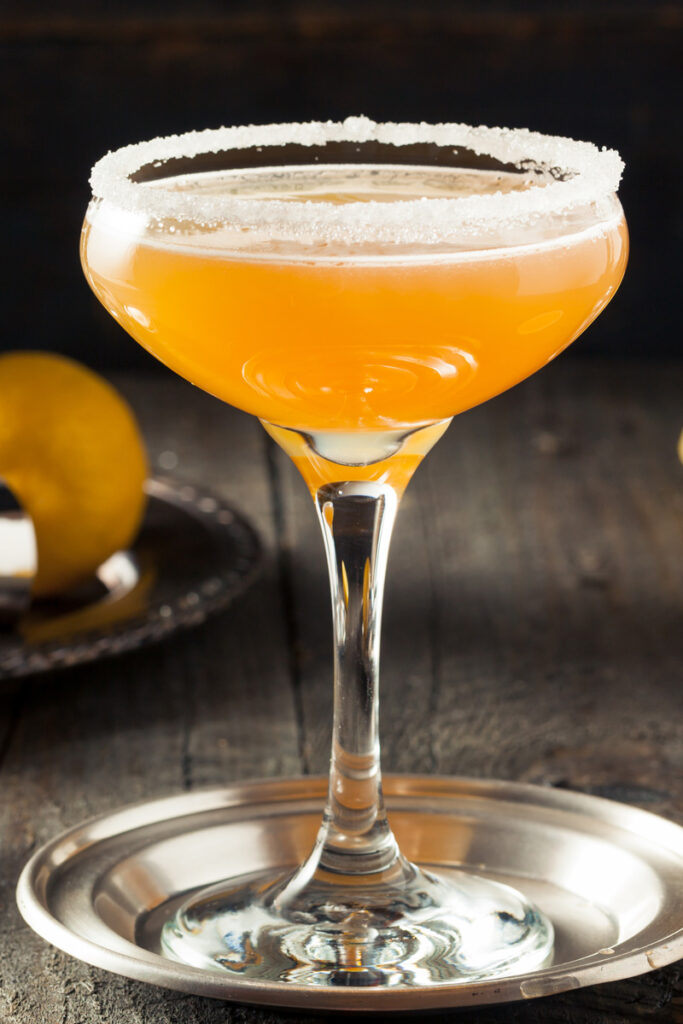
1. Classic Sidecar
The Classic Sidecar is a brandy sour from the 1920s. You’ll need three ingredients: cognac, orange liqueur, and fresh lemon juice.
The drink balances sweet and tart flavors with the warmth of cognac. Shake two ounces of cognac with three-quarters of an ounce each of orange liqueur and lemon juice.
Strain into a coupe glass. Many bartenders add a sugar rim to the glass for extra sweetness.
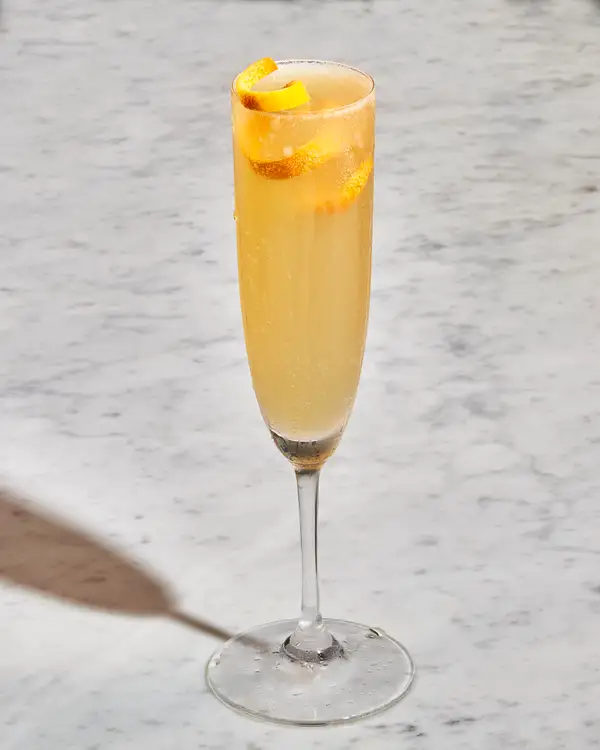
2. French 75 with Cognac
The French 75 with Cognac brings warmth and depth to this classic champagne cocktail. You’ll mix cognac with fresh lemon juice and simple syrup, then top it with champagne or sparkling wine.
Some bars serve this drink with gin, but cognac creates a richer flavor. The combination of citrus and bubbles makes it perfect for celebrations.
You can adjust the sweetness by adding more or less simple syrup. Serve it in a champagne flute or coupe glass for the best presentation.
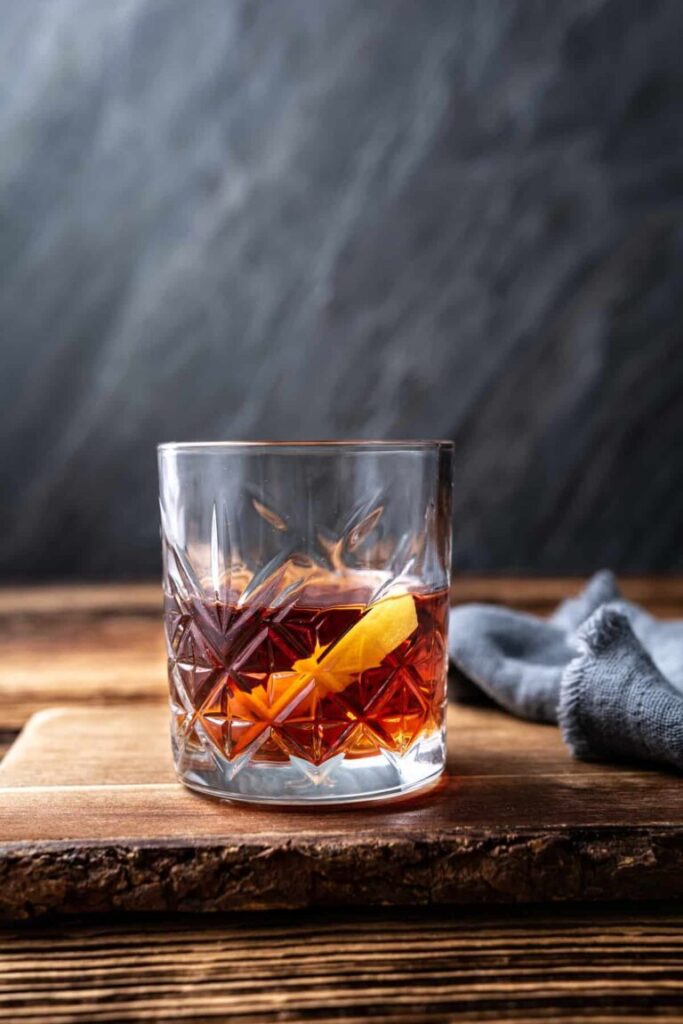
3. Sazerac with Cognac
The Sazerac is one of America’s first cocktails, born in New Orleans during the 1800s. The original recipe called for cognac, not the rye whiskey commonly used today.
You’ll need cognac, Peychaud’s bitters, a sugar cube, and absinthe to rinse the glass. The drink showcases cognac’s smooth, fruity character while the absinthe adds an herbal complexity.
Both cognac and rye versions are acceptable today. The cognac variation offers a softer, more refined taste compared to the spicier whiskey option.
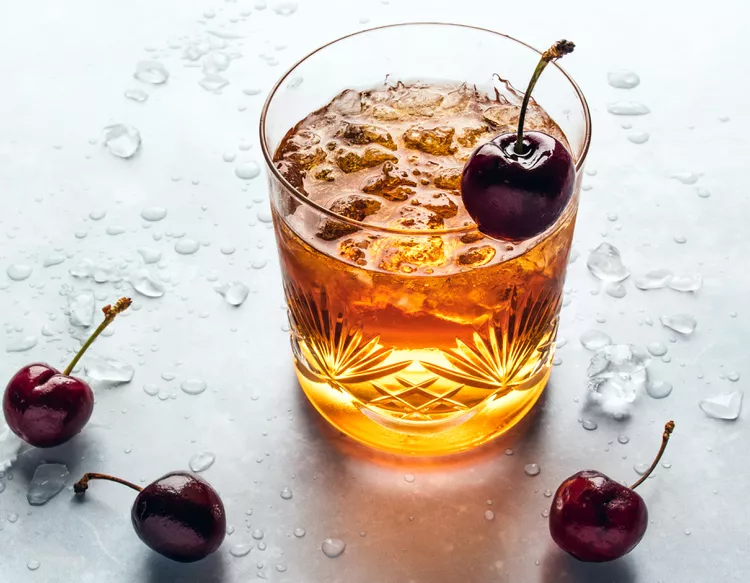
4. Vieux Carré
The Vieux Carré combines cognac and rye whiskey in equal parts, creating a spirit-forward cocktail from New Orleans. Created in the 1930s at the Hotel Monteleone, this drink balances four spirits with bitters.
You’ll need cognac, rye whiskey, sweet vermouth, and Bénédictine to make this cocktail. The cognac adds fruit and floral notes while the rye brings spice.
5. Stinger Cocktail
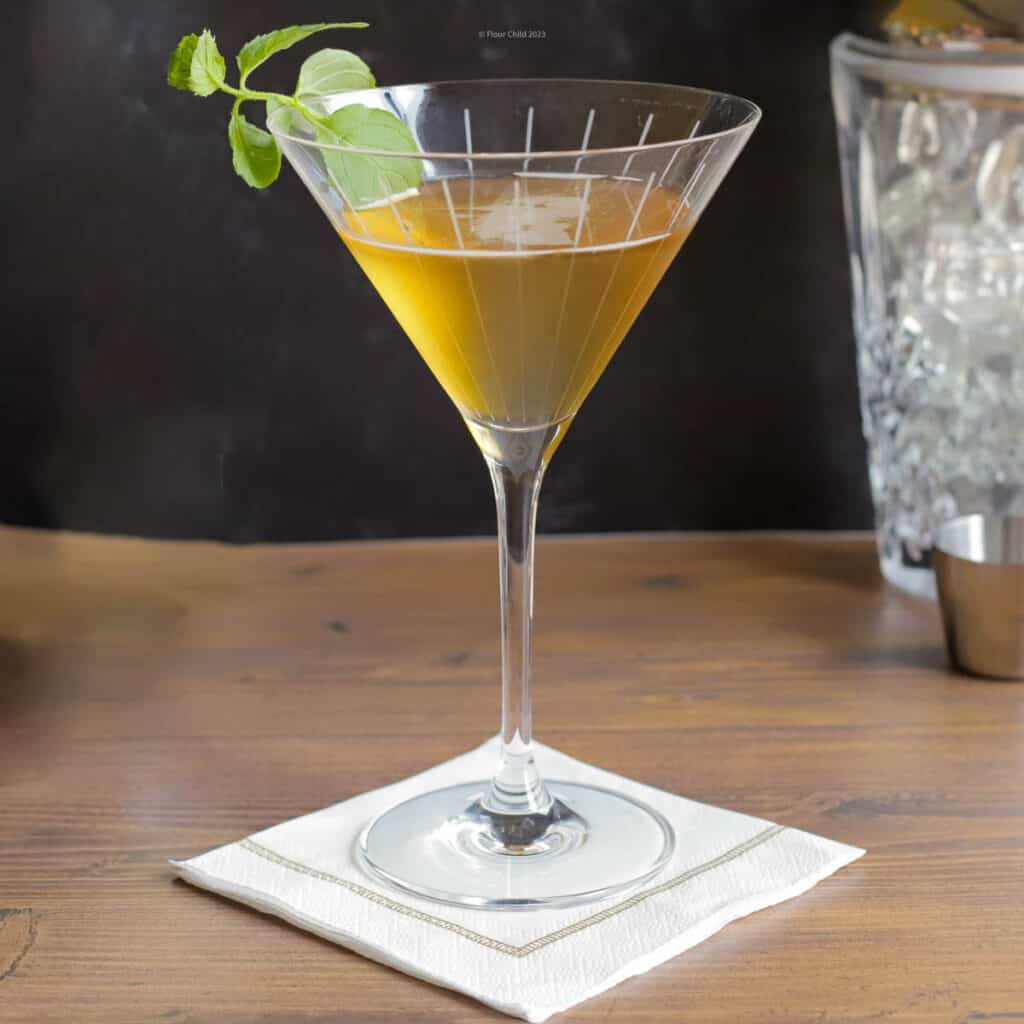
The Stinger is a simple two-ingredient cocktail that combines cognac with white crème de menthe. This classic drink dates back to the early 1900s and became popular among high society during the pre-Prohibition era.
You can serve it either neat in a cocktail glass or over ice in a rocks glass. The Stinger was traditionally enjoyed as an after-dinner drink, though you can now have it anytime.
The cocktail offers a balance of warm cognac flavors with cool, refreshing mint notes.
6. Cognac Old Fashioned
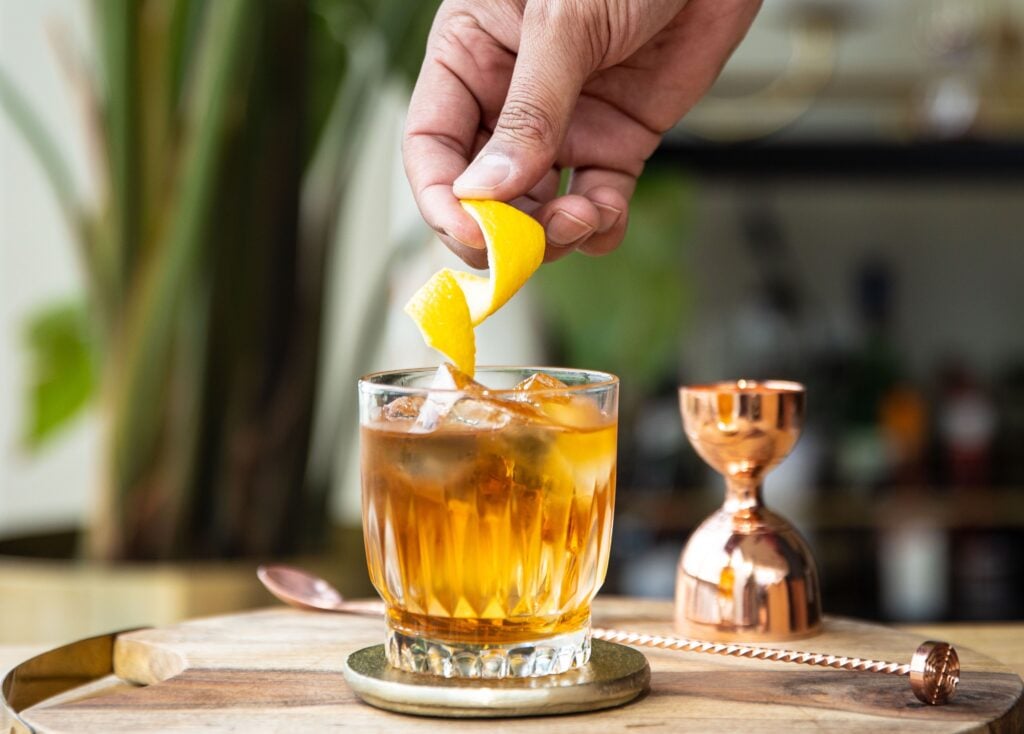
The Cognac Old Fashioned swaps whiskey for cognac, creating a smoother and richer version of the classic cocktail. You’ll find that cognac adds a refined sweetness that pairs well with traditional Old Fashioned ingredients like bitters and sugar.
Start with a VSOP cognac from brands like Hennessy, Martell, or Courvoisier. These balanced cognacs work perfectly for mixing.
Add a sugar cube, a few dashes of bitters, and stir with ice until chilled.
7. French Connection
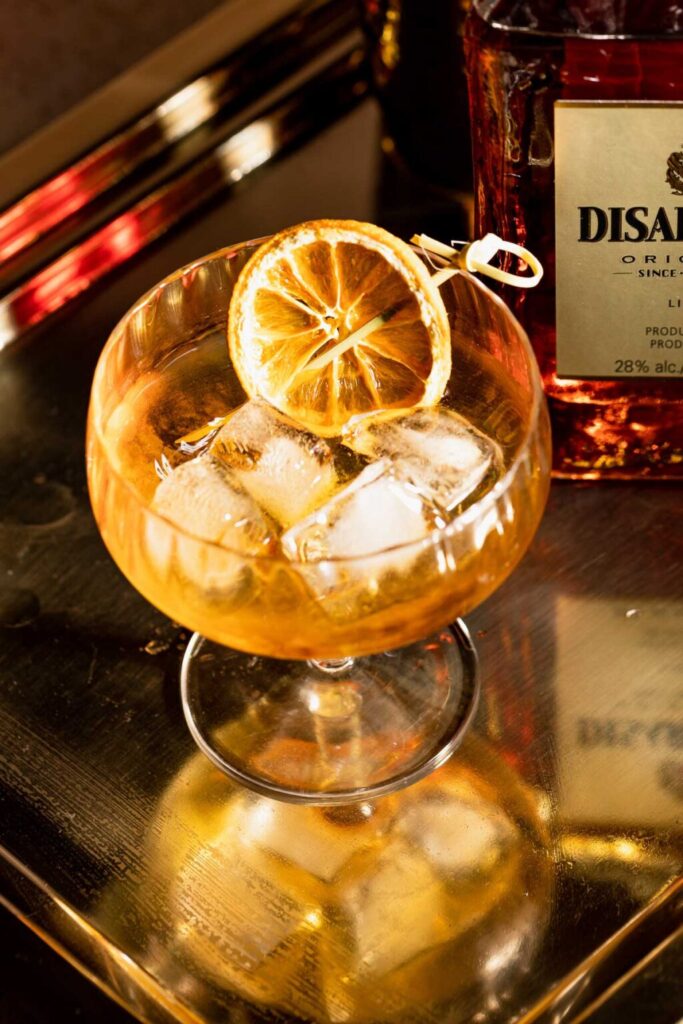
The French Connection is a simple two-ingredient cocktail that pairs cognac with amaretto liqueur. This classic drink became popular in the 1970s and gets its name from the 1971 film starring Gene Hackman.
You can make it with equal parts of both spirits, though some bartenders prefer a drier version using a 2:1 ratio of cognac to amaretto. Serve it over ice in a rocks glass or neat in a brandy snifter.
8. Between the Sheets
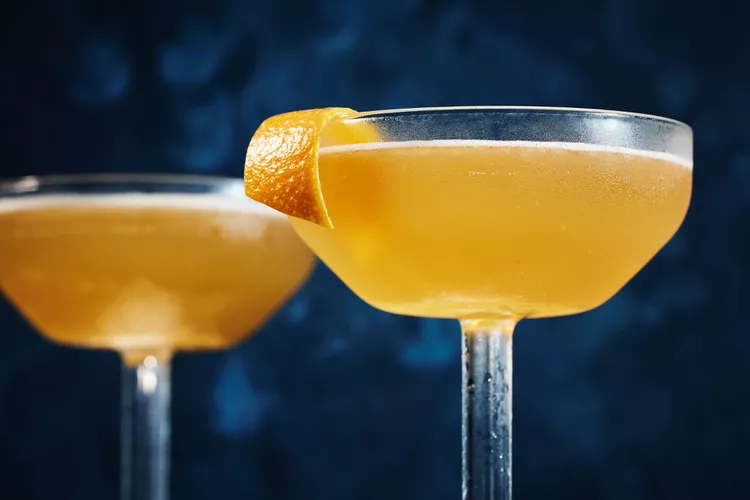
The Between the Sheets cocktail dates back to the 1920s and offers a bold twist on the classic Sidecar. You’ll combine equal parts cognac, white rum, and orange liqueur with fresh lemon juice to create this balanced drink.
The result is citrusy and slightly sweet with a smooth finish. Despite its playful name and simple ingredient list, this cocktail delivers a strong, complex flavor profile.
Mix one ounce each of cognac, light rum, and triple sec with three-quarters ounce of lemon juice. Shake with ice and strain into a chilled glass.
9. Cognac Margarita
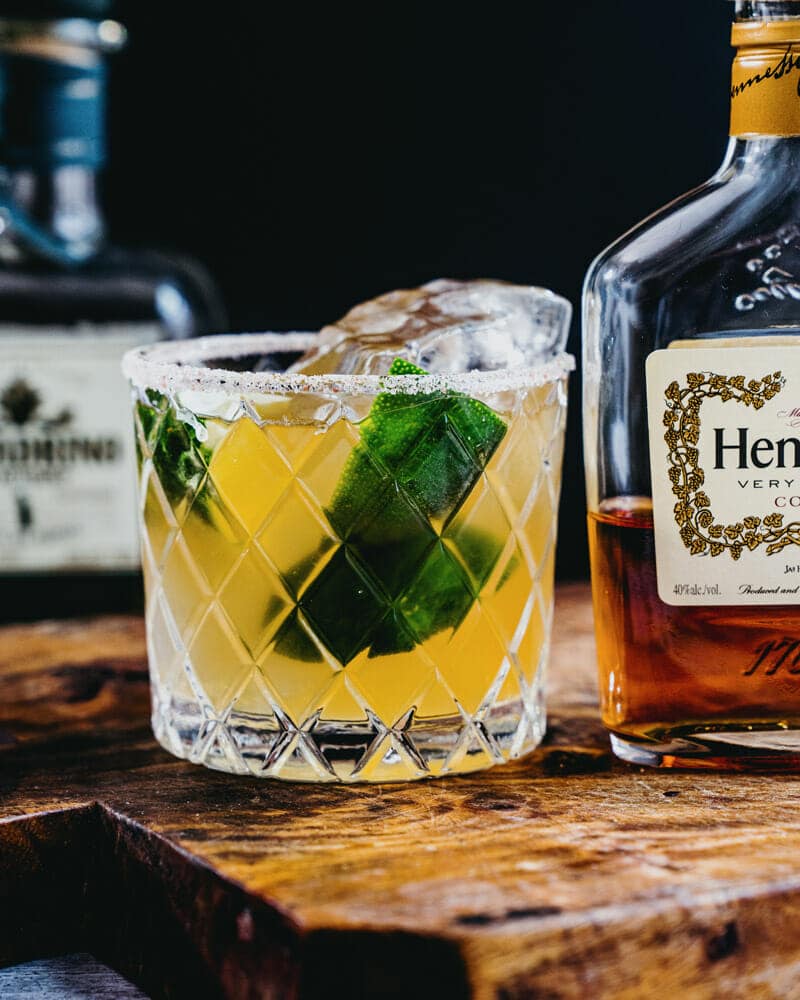
The Cognac Margarita swaps tequila for cognac while keeping the classic margarita structure intact. You’ll mix cognac with triple sec and fresh lime juice, creating a drink that balances sweet and tart flavors.
This cocktail offers a smoother, more refined taste than the traditional version. The cognac adds depth and warmth that tequila can’t provide.
You can rim your glass with sugar instead of salt to complement the cognac’s natural sweetness. Serve it over ice or blend it frozen, depending on your preference.
10. Brandy Alexander
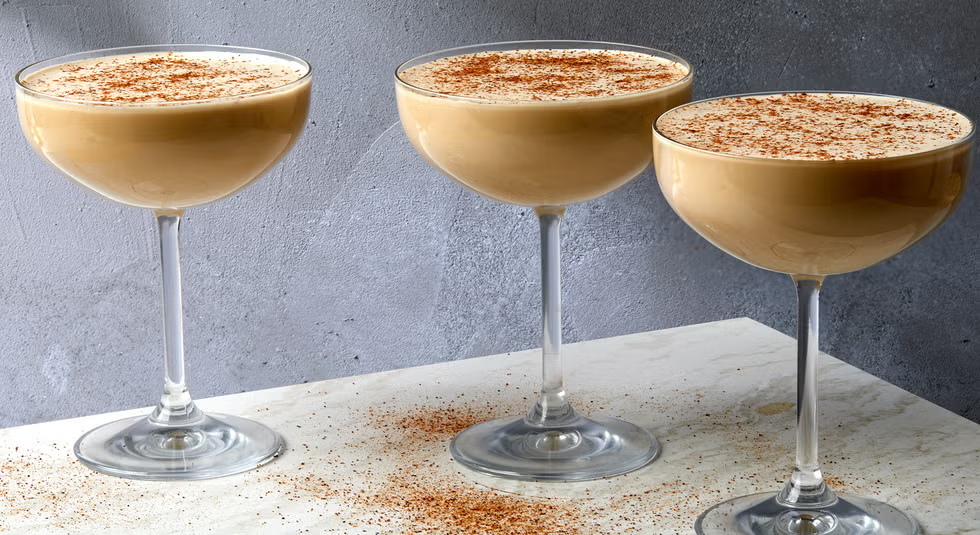
The Brandy Alexander is a classic dessert cocktail that combines cognac, crème de cacao, and cream in equal parts. You’ll shake these ingredients together with ice and strain into a cocktail glass.
This drink became popular in the 1920s and has remained a favorite for those who enjoy sweeter, cream-based cocktails. You finish it with a light dusting of freshly grated nutmeg on top.
The cocktail delivers rich chocolate and brandy flavors with a smooth, velvety texture.
Understanding Cognac’s Flavor Profile
Cognac brings distinct taste characteristics that range from fruity and floral to rich and woody, with notes of vanilla, oak, dried fruit, and subtle spices. Knowing these flavors helps you pick the right bottle for your cocktails.
Aromatic Notes That Shape Cocktails
Cognac offers a complex taste experience that transforms mixed drinks. You’ll find notes of vanilla and oak from barrel aging, which add smoothness and depth to cocktails.
Dried fruits like apricot, fig, and raisin create natural sweetness. The floral elements in cognac make it lighter than whiskey in drinks.
These delicate notes pair well with citrus and other fresh ingredients. Subtle spices like cinnamon, nutmeg, and pepper add warmth without overpowering other flavors.
When you mix cognac into cocktails, these aromatic qualities blend with your other ingredients. The vanilla notes complement sweet liqueurs.
The oak adds structure to spirit-forward drinks. The fruit flavors enhance citrus-based cocktails like the Sidecar.
Selecting the Right Cognac for Mixing
VS (Very Special) and VSOP (Very Superior Old Pale) cognacs work best for cocktails. These classifications tell you how long the cognac aged in barrels.
VS ages for at least two years, while VSOP ages for at least four years. VS cognacs cost less and bring bright, fruity flavors to simple mixed drinks.
VSOP bottles offer more complexity with deeper oak and spice notes for classic cocktails. Save XO (Extra Old) cognacs for sipping straight since their refined flavors get lost in mixed drinks.
Your cocktail type guides your choice. Use VS for fruit-heavy drinks like punches.
Pick VSOP for spirit-forward classics like the Vieux Carré or French Connection. The goal is balancing quality with affordability while letting the cognac’s character shine through.
Techniques for Enhancing Cognac Cocktails
Making a great cognac cocktail requires attention to balance and visual appeal. The right mix of ingredients creates depth, while thoughtful garnishes elevate the drinking experience.
Balancing Ingredients for Depth
Start by understanding that cognac has a strong, complex flavor profile. You need to pair it with ingredients that complement rather than overpower it.
Key ratios to follow:
- 2:1:1 ratio works well for classic cognac cocktails (2 parts cognac, 1 part sweet component, 1 part citrus)
- 3:1 ratio suits spirit-forward drinks (3 parts cognac, 1 part modifier)
Citrus juice adds brightness and cuts through cognac’s richness. Fresh lemon or orange juice works best.
Use simple syrup or liqueurs to add sweetness gradually. Taste as you go and adjust in small amounts.
Bitters are your secret weapon. Just 2-3 dashes add complexity without changing the drink’s character.
Orange bitters pair naturally with cognac’s fruity notes. Aromatic bitters bring out spice elements.
Temperature matters too. Shake cocktails with citrus for 10-15 seconds with ice to properly chill and dilute.
Stir spirit-forward drinks for 30 seconds to maintain a silky texture.
Presentation and Garnishing Tips
Your garnish should enhance the drink’s aroma and appearance. A wide orange peel expresses oils over the glass, adding fragrance before each sip.
Twist it over the flame briefly for a caramelized note. Use quality glassware that fits the cocktail style:
- Coupe glasses for elegant, classic drinks
- Rocks glasses for spirit-forward serves
- Nick and Nora glasses for smaller, refined cocktails
Keep garnishes simple and functional. A brandied cherry adds subtle sweetness.
A thin lemon wheel provides visual appeal without distraction. Chill your glasses before serving.
This keeps cocktails cold longer and shows attention to detail. Run the orange peel around the rim to coat it with oils, then drop it in or perch it on the edge.
Frequently Asked Questions
What classic cocktails can be made with cognac as the base spirit?
The Sidecar ranks as one of the most famous cognac cocktails. You combine cognac with orange liqueur and lemon juice for a balanced, citrusy drink.
The Sazerac works beautifully with cognac instead of rye whiskey. You’ll mix cognac with a sugar cube, Peychaud’s bitters, and an absinthe rinse.
The French 75 gives you a sparkling option. This cocktail blends cognac with lemon juice, simple syrup, and champagne.
The Vieux Carré offers a spirit-forward choice. You’ll combine cognac with rye whiskey, sweet vermouth, Bénédictine, and two types of bitters.
How does aging influence the taste profile of cognacs used in mixed drinks?
VS cognac ages for at least two years and provides bright, fruity flavors. These younger cognacs work well in citrus-heavy cocktails where you want the mixers to shine through.
VSOP cognac ages for at least four years and develops more complexity. You get notes of vanilla, dried fruit, and spice that add depth to your cocktails without overwhelming other ingredients.
XO cognac ages for at least ten years and brings rich, concentrated flavors. The oak influence becomes stronger, with notes of tobacco, leather, and dark fruit that work best in spirit-forward drinks.
Can you recommend a cognac cocktail for someone who typically enjoys whiskey?
The Sazerac made with cognac suits whiskey drinkers perfectly. This cocktail has the same bold, spirit-forward profile as whiskey drinks, with cognac providing similar warmth and depth.
The Vieux Carré gives you another excellent option. It actually contains both cognac and rye whiskey, which helps bridge the gap between the two spirits.
The Stinger offers a simpler choice with just cognac and crème de menthe. This two-ingredient cocktail lets you taste the cognac clearly while the mint adds a cooling element similar to what you find in whiskey-based drinks.
What are some easy cognac cocktail recipes for beginners to try at home?
The Stinger requires only two ingredients: cognac and white crème de menthe. You shake them with ice and strain into a chilled glass.
The Cognac and Ginger Ale needs just cognac, ginger ale, and a lime wedge. You build it directly in the glass over ice.
The Sidecar uses three ingredients but follows a simple formula. You shake equal parts cognac, orange liqueur, and lemon juice with ice, then strain into a sugar-rimmed glass.
Which types of cognac are best for crafting high-quality cocktails?
VS or VSOP cognac works best for most cocktails. These younger expressions provide good flavor without the high cost of aged cognac that gets diluted by mixers.
Reserve XO and older cognacs for sipping neat or for very spirit-forward cocktails. Drinks with multiple ingredients and citrus can overwhelm the complex flavors in these bottles.
Choose cognacs labeled for mixing if you plan to make cocktails regularly. Some brands create expressions designed for bartenders that offer good flavor at a reasonable price.
What innovative techniques are bartenders using to modernize traditional cognac cocktails?
Fat-washing adds richness to cognac by infusing it with butter, bacon fat, or nut oils. Bartenders warm the cognac with the fat, freeze it to separate the layers, then strain out the solidified fat.
Barrel-aging entire cocktails gives them deeper flavor. You mix your cocktail ingredients in a small oak barrel and let them age for weeks or months before serving.
Smoke infusion brings new aromatics to classic recipes. Bartenders use smoking guns or smoked ice to add wood smoke flavors that complement cognac’s natural oak notes.
Clarification through milk-washing creates crystal-clear cocktails with a silky texture. This technique removes tannins and creates a smoother drinking experience.