
A Dutch oven is one of the most useful tools you can have in your kitchen. This heavy pot with a tight-fitting lid works well on the stovetop and in the oven.
You can use it to make everything from tender braised meats to fresh baked bread. These recipes will help you get the most out of your Dutch oven with simple, one-pot meals that save time on cleanup.
You’ll learn to cook hearty stews, slow-cooked proteins, comforting pasta dishes, and even homemade bread. Each recipe takes advantage of how a Dutch oven distributes heat evenly and holds moisture well.
We’ll also cover basic cooking tips and common mistakes to avoid. This guide gives you everything you need to start cooking with confidence using your Dutch oven.
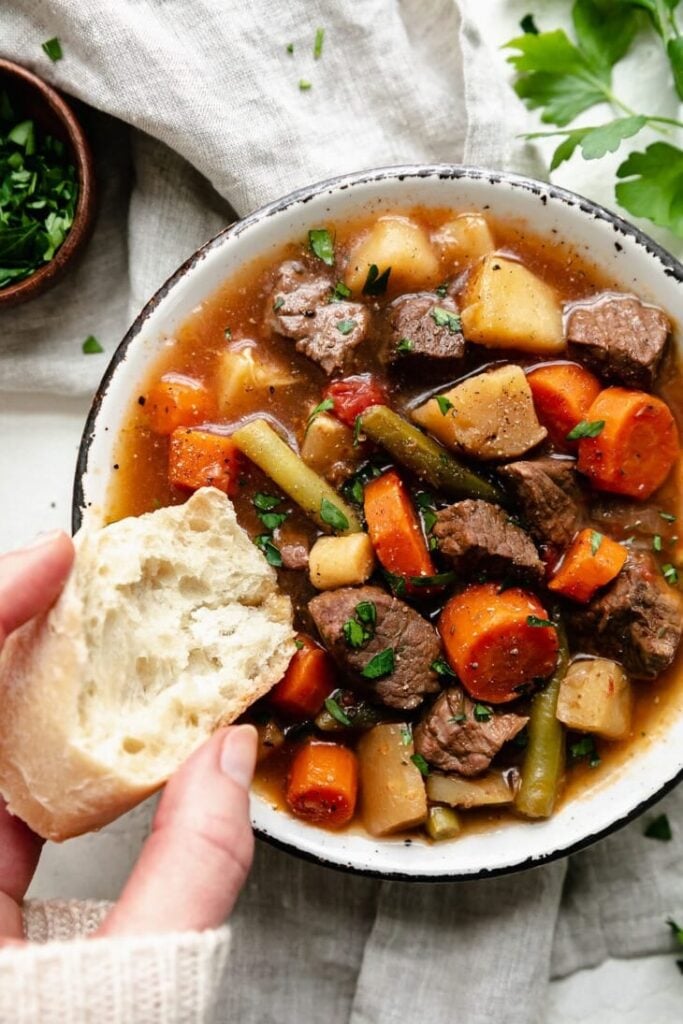
1. Classic Beef Stew with Root Vegetables
You can’t go wrong with a classic beef stew in your Dutch oven. The heavy pot keeps heat steady, which makes the beef tender and the vegetables soft.
You’ll brown chunks of beef first, then add carrots, potatoes, and onions. The broth becomes rich as everything cooks together.
This meal works well on cold nights when you want something warm and filling. You just need to prep the ingredients and let them simmer.

2. Braised Chicken Thighs with Garlic and Herbs
Braised chicken thighs in a Dutch oven give you tender, juicy meat every time. You brown the chicken first to get crispy skin, then simmer it with garlic, fresh herbs, and liquid like white wine or broth.
The Dutch oven holds heat well, which makes it perfect for braising. Your chicken cooks slowly in the covered pot, soaking up all the flavors from the garlic and herbs.
This one-pot meal works great for weeknight dinners. Serve it over rice or potatoes to soak up the sauce.

3. Dutch Oven Chili with Beans and Ground Beef
Dutch oven chili combines ground beef, beans, tomatoes, and spices in one pot. You can make it on your stovetop in about an hour.
The cast iron pot helps the flavors blend together as everything simmers. You’ll need ground beef, kidney beans, diced tomatoes, and your favorite chili spices.
This recipe works well for busy weeknights or game day gatherings. Top it with shredded cheese, sour cream, and green onions before serving.

4. Homemade Sourdough Bread
Your Dutch oven makes baking sourdough bread simple. The heavy lid traps steam during baking, which creates that crispy crust you want.
You need just four basic ingredients: flour, water, sourdough starter, and salt. Mix them together and let the dough rise overnight.
This gives the bread its tangy flavor. The next day, shape your dough and place it in your preheated Dutch oven.
Bake with the lid on first, then remove it to brown the crust. You’ll get bakery-quality bread at home.

5. One-Pot Chicken and Rice
This Dutch oven recipe combines chicken, rice, and vegetables in a single pot. You start it on the stovetop and finish cooking in the oven.
The dish works well with chicken thighs or breasts. You can add your choice of vegetables like peas, carrots, or sweet potatoes.
The rice cooks in the chicken juices, which adds flavor. You can season it with herbs and spices based on what you prefer.
It’s a practical meal for busy weeknights or weekend dinners.
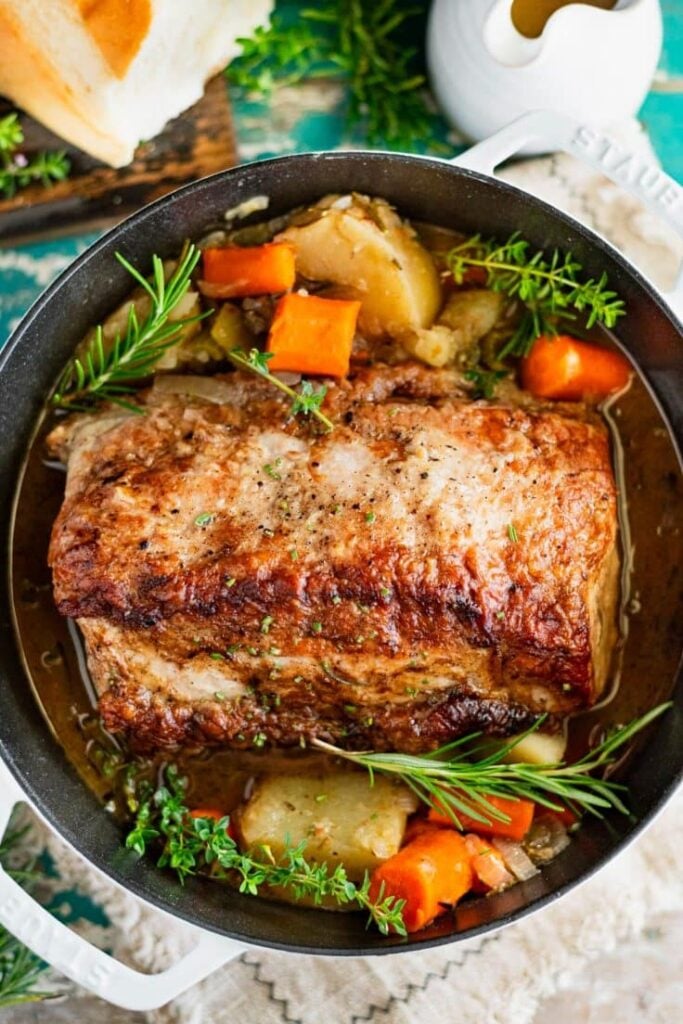
6. Slow-Cooked Pork Shoulder
A Dutch oven turns tough pork shoulder into tender, juicy meat. You need about three hours in a 325-degree oven.
Start by patting your pork dry and rubbing it with salt and pepper. Sear all sides in olive oil to create a flavorful crust.
The heavy lid traps moisture and heat, which breaks down the tough parts of the meat. You can add garlic, rosemary, or paprika for extra flavor.
This method needs little prep work and delivers fall-apart results every time.

7. Hearty Fish Chowder
Your Dutch oven makes perfect fish chowder with its even heat distribution and heavy construction. Start by melting butter and sautéing onions until tender.
Add cubed potatoes, fish stock, and your choice of white fish like cod or haddock. The pot’s thick walls create a rich, creamy base while allowing all the flavors to blend together.
You can use fresh or properly thawed frozen fish. Many recipes include bacon for a smoky depth, though you can skip it for a lighter version.
This warming soup comes together in about 45 minutes and feeds a crowd easily.

8. Vegetable Ratatouille
A Dutch oven makes ratatouille simple and delicious. You’ll layer fresh vegetables like eggplant, zucchini, peppers, and tomatoes with garlic and herbs.
The even heat distribution cooks everything perfectly. Start by sautéing onions and garlic in olive oil.
Then add your vegetables, letting them cook slowly with the lid on. The vegetables become tender and soak up each other’s flavors.
You can serve this as a main dish or a side. It pairs well with chicken, steak, or Italian sausage.

9. Creamy Mac and Cheese Bake
Dutch ovens create the best mac and cheese because their thick walls distribute heat evenly. You can cook everything in one pot, which makes cleanup simple.
The heavy construction prevents burning and helps develop a rich, creamy cheese sauce. You’ll get tender pasta coated in melted cheese with a golden, crispy top.
This dish works well as a main course or side. You can easily scale the recipe up to feed a large group since Dutch ovens hold plenty of food.

10. Moroccan Lamb Tagine
A Dutch oven works perfectly for making Moroccan lamb tagine at home. You’ll braise lamb shoulder with warm spices like cumin, cinnamon, and ginger until it becomes tender.
The dish combines savory meat with sweet dried apricots and chickpeas. Heat oil in your Dutch oven and brown the lamb pieces on all sides first.
This step builds flavor in the final dish. Add your spices, vegetables, and liquid, then let everything simmer low and slow.
The covered pot traps moisture and heat, creating the same effect as a traditional tagine. Your kitchen will smell amazing while it cooks.
Essential Tips for Cooking With a Dutch Oven
Proper care and cooking techniques make the difference between average and excellent Dutch oven meals. Understanding seasoning methods, heat management, and ingredient selection helps you get consistent results every time.
Seasoning and Caring for Your Dutch Oven
Cast iron Dutch ovens need seasoning to create a natural non-stick surface. You should coat the interior with a thin layer of vegetable oil or flaxseed oil, then bake it upside down at 450°F for one hour.
Repeat this process 2-3 times when you first get your Dutch oven. Regular maintenance keeps your Dutch oven in good condition:
- Wash with hot water and a stiff brush (avoid soap when possible)
- Dry completely after each use to prevent rust
- Apply a light coat of oil before storing
- Never put a hot Dutch oven in cold water
Enameled Dutch ovens don’t need seasoning. You can wash them with soap and water without worry.
However, you should still avoid sudden temperature changes and never heat an empty enameled pot.
Temperature Control and Heat Distribution
Dutch ovens retain and distribute heat evenly across the bottom and sides. This makes them perfect for slow cooking and braising.
Start with medium or medium-low heat on the stovetop because cast iron holds heat longer than other materials. Preheat your Dutch oven for 5 minutes before adding ingredients.
This creates better browning and prevents food from sticking. When moving from stovetop to oven, reduce the recipe temperature by 25°F since Dutch ovens cook more efficiently than regular pans.
For outdoor cooking, place coals on top of the lid and underneath the pot. Use a 3:1 ratio with more coals on top for baking, or a 1:1 ratio for general cooking.
Best Ingredients for Dutch Oven Recipes
Tough cuts of meat work best in Dutch ovens. Chuck roast, short ribs, pork shoulder, and chicken thighs become tender through slow cooking.
The heavy lid traps moisture and breaks down connective tissue over time. Root vegetables like potatoes, carrots, and onions hold their shape during long cooking times.
They also add body and flavor to stews and braises. Fresh herbs, garlic, and aromatics build layers of taste when you add them at different stages.
Ingredients that excel in Dutch oven cooking:
- Dried beans and lentils
- Tough greens like kale and collards
- Bone-in meats with fat marbling
- Crusty breads and baked goods
- Tomato-based sauces and stocks
Avoid delicate fish, quick-cooking vegetables, and dairy products until the final cooking stages. These ingredients break down or curdle when exposed to extended heat.
Common Mistakes to Avoid When Using a Dutch Oven
Dutch ovens are durable and versatile, but certain mistakes can ruin your food or damage the pot. Understanding how to properly manage space, temperature, and liquid will help you get better results every time you cook.
Overcrowding the Pot
Putting too much food in your Dutch oven creates problems with cooking and flavor. When you pack meat or vegetables too tightly, they steam instead of brown because the moisture has nowhere to escape.
This matters most when you’re searing meat or building fond on the bottom of the pot. Leave at least half an inch of space between pieces so hot air can circulate.
If you need to brown a large amount of meat, work in batches. Overcrowding also makes it harder for heat to reach the center of your dish.
Your food will cook unevenly, with some parts overcooked and others underdone. The extra moisture from overcrowding can make braised dishes watery instead of rich and flavorful.
Skipping Preheating Steps
Your Dutch oven needs time to heat up properly before you add food. Cast iron takes longer to heat than other materials, but it holds that heat better once it’s ready.
Preheat your Dutch oven for 5-10 minutes over medium heat before adding oil or food. This prevents sticking and helps you get a good sear on meat.
For oven cooking, put the Dutch oven in while the oven preheats. Cold cast iron that goes straight into high heat can crack or warp.
The same applies to enamel coatings, which can chip from temperature shock. Always let your Dutch oven warm up gradually.
Neglecting Moisture Levels
Getting the liquid amount right makes the difference between dry, burned food and perfectly braised dishes. Too little liquid and your food will stick and scorch.
Too much liquid and your braise becomes watery soup. Most braises need enough liquid to come one-third to halfway up the sides of your ingredients.
The tight-fitting lid traps steam, so you need less liquid than you might think. Check your dish occasionally and add small amounts of liquid if it’s drying out.
You can also have problems if you don’t account for evaporation during long cooking times. Plan to add a bit more liquid for recipes that cook for several hours.
Frequently Asked Questions
Dutch ovens work well for everything from simple weeknight dinners to bread baking and camping meals. These questions cover beginner-friendly recipes, five-ingredient options, and techniques for making classic dishes like braised chicken.
What are some easy Dutch oven recipes for beginners?
You can start with Classic Beef Stew with Root Vegetables, which requires basic chopping and simple steps. One-Pot Chicken and Rice is another good choice because you add everything to the pot and let it cook with minimal attention.
Dutch Oven Chili with Beans and Ground Beef works well for beginners too. You brown the meat, add the other ingredients, and let everything simmer together.
These recipes don’t need special techniques or complicated timing.
Can you provide dinner recipes that are best made in a Dutch oven?
Braised Chicken Thighs with Garlic and Herbs make an excellent dinner option. The chicken cooks until tender while the herbs add flavor throughout the dish.
Dutch Oven Chili with Beans and Ground Beef serves a crowd and gets better as it sits. Classic Beef Stew with Root Vegetables provides a complete meal in one pot with protein and vegetables.
One-Pot Chicken and Rice gives you a balanced dinner without multiple pans to clean.
What 5 ingredient meals can I prepare in a Dutch oven?
You can make simple braised chicken using just chicken thighs, garlic, olive oil, salt, and fresh herbs. Another option is a basic beef stew with beef, potatoes, carrots, beef broth, and salt.
A simple pot roast needs only beef chuck, onions, carrots, beef broth, and basic seasonings. Rice dishes work well too with chicken, rice, broth, butter, and onions creating a complete meal.
Which recipes are ideal for Dutch oven cooking while camping?
Dutch Oven Chili with Beans and Ground Beef works great over a campfire since you only need to stir it occasionally. Classic Beef Stew with Root Vegetables holds up well to outdoor cooking conditions and feeds multiple people.
You can bake bread over coals if you have experience with temperature control. One-pot pasta dishes work well because they require just water and heat.
Braised meats cook evenly when you place coals on top of the lid and underneath the pot.
What are some unique dishes that can be cooked in a Dutch oven?
Homemade Sourdough Bread bakes perfectly in a Dutch oven because the covered pot traps steam for a crispy crust. You can also make pot roasts with unexpected flavors like coffee or balsamic vinegar.
Dutch ovens handle desserts like cobblers and upside-down cakes when you control the heat properly. Some cooks make whole roasted chickens or turkey breasts in larger Dutch ovens.
You can even prepare risotto because the heavy pot distributes heat evenly for proper stirring.
How do I make a classic chicken meal using a Dutch oven?
Start with Braised Chicken Thighs with Garlic and Herbs. Brown the chicken skin-side down in a hot pot.
Remove the chicken. Cook minced garlic in the remaining fat until it smells good.
Return the chicken to the pot. Add fresh herbs like thyme or rosemary.
Pour in some broth or wine. Cover the pot and let it cook at low heat until the meat is tender.
Make sure the chicken reaches 165 degrees internally before serving.