
Easter dinner brings families together around a table filled with special dishes that celebrate the spring season. Planning the perfect menu can feel like a lot of work, but having the right recipes makes it much easier.
This collection includes everything you need for a complete Easter meal, from main courses like glazed ham and rack of lamb to classic sides and desserts. You’ll find traditional favorites such as deviled eggs and scalloped potatoes, along with fresh spring vegetables that capture the flavors of the season.
The recipes also cover helpful tips for cooking and serving your meal so everything turns out just right.
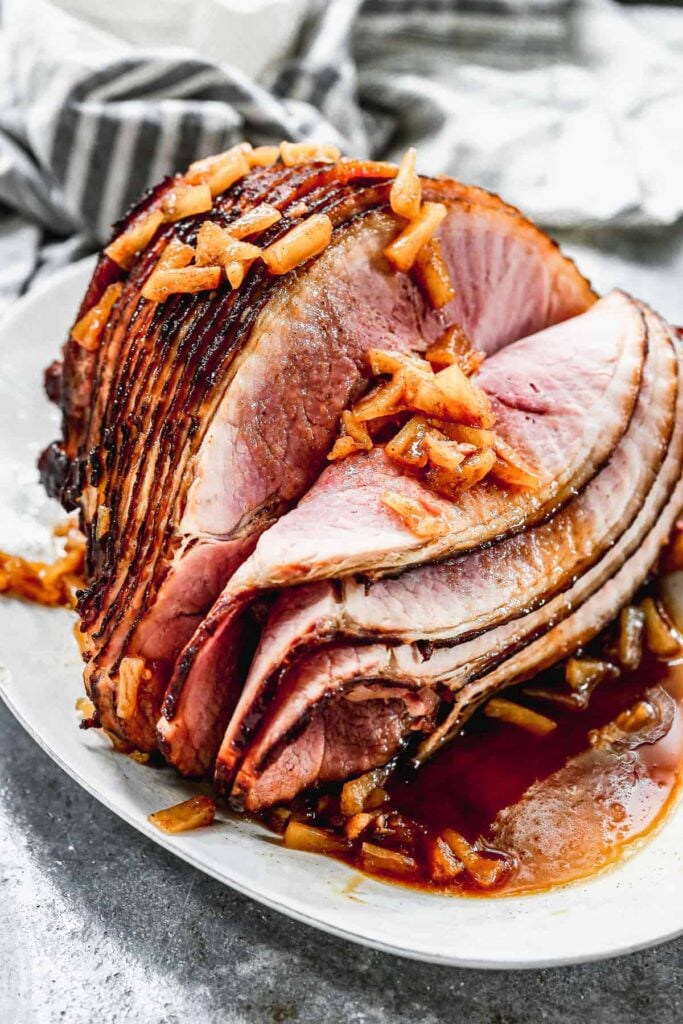
1. Glazed Spiral Ham with Pineapple
A spiral ham with pineapple glaze makes an excellent centerpiece for your Easter table. The brown sugar and pineapple create a sweet coating that caramelizes as the ham bakes.
You can use either pineapple juice or crushed pineapple in your glaze. Most recipes add Dijon mustard for a slight tang that balances the sweetness.
You can prepare this dish in less than two hours from start to finish. The glaze takes under 10 minutes to make.

2. Rack of Lamb with Rosemary and Garlic
Rack of lamb makes an elegant centerpiece for your Easter table. The meat is naturally tender and cooks quickly in the oven.
Coat your lamb with fresh rosemary and minced garlic before roasting. This classic combination adds earthy flavors that complement the meat perfectly.
Most racks weigh about 1.5 pounds and serve three to four people. Plan on two racks if you’re feeding a larger group.
You only need 15-20 minutes of prep time. Roast the lamb in under an hour while you focus on your side dishes.

3. Deviled Eggs with Smoked Paprika
Deviled eggs get a flavorful upgrade with smoked paprika. You’ll need hard-boiled eggs, mayonnaise, mustard, and smoked paprika for this recipe.
The smoky spice adds depth without heat. It also gives the eggs a rich red color that looks great on your Easter table.
Cut your boiled eggs in half and scoop out the yolks. Mix the yolks with mayo, mustard, salt, and pepper until smooth.
Spoon the filling back into the egg whites and sprinkle smoked paprika on top.

4. Scalloped Potatoes au Gratin
This classic side dish brings layers of thinly sliced potatoes, creamy cheese sauce, and a golden-brown top to your Easter table. You can make it with sharp cheddar or gruyere cheese for extra flavor.
The dish bakes in under 90 minutes and pairs perfectly with ham or any Easter main course. Prep the layers ahead of time and bake when ready.

5. Honey-Glazed Carrots
Honey-glazed carrots bring color and sweetness to your Easter table. You can roast them in the oven or cook them on the stovetop in about 20 minutes.
The basic recipe includes carrots, butter, and honey. Some people add brown sugar for extra sweetness.
Fresh herbs like thyme or parsley add a nice touch. You can use baby carrots for convenience or cut regular carrots into coins or sticks.
The honey creates a light glaze that makes the carrots tender and slightly caramelized.

6. Asparagus with Lemon Butter
Asparagus with lemon butter makes a perfect Easter side dish. The bright lemon adds a fresh taste that works well with the vegetable’s natural flavor.
Roast the asparagus in the oven or cook it quickly in a skillet. Both methods take less than 20 minutes.
The butter adds richness while the lemon brings a light, tangy finish. This recipe uses simple ingredients you probably have at home.

7. Spring Pea Salad with Mint
This fresh salad brings together sweet peas and cool mint for a simple Easter side dish. You can make it in about 10 minutes using peas, mint leaves, and a light lemon dressing.
The bright green colors look great on your holiday table. Add feta cheese and sliced radishes for extra flavor and texture.
Use fresh or frozen peas depending on what you have available. The mint adds a refreshing taste that pairs well with heavier Easter dishes.

8. Braided Easter Bread
Braided Easter bread brings a sweet, tender loaf to your holiday table. You can make this traditional bread with basic ingredients like flour, eggs, milk, and sugar.
Shape the dough into a beautiful braid that looks impressive but stays simple to create. The bread has a soft texture and slightly sweet flavor.
Many recipes let you bake colorful dyed eggs right into the braided dough for a festive touch. Serve this bread at Easter brunch with butter and jam.

9. Carrot Cake with Cream Cheese Frosting
Carrot cake stands out as a classic Easter dessert that brings warmth to your holiday table. The cake is incredibly moist and packed with spiced flavor from cinnamon and fresh carrots.
The sweet cream cheese frosting balances the cake’s warmth with a tangy finish. You can make this recipe year-round, but it fits perfectly with Easter celebrations.
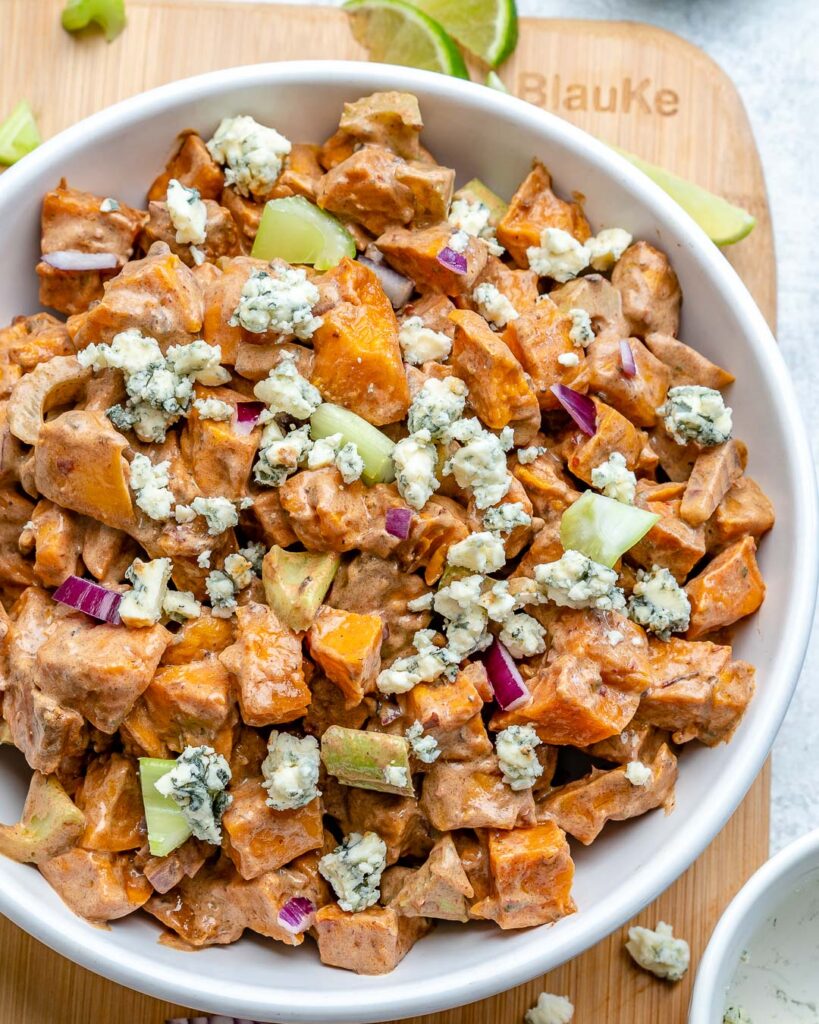
10. Chipotle Sweet Potato Salad
This side dish brings smoky flavor to your Easter table. Cube sweet potatoes and cook them until tender, then toss them with a chipotle-based dressing.
The sauce combines chipotle peppers with creamy ingredients to coat the potatoes. Serve this salad warm or cold, depending on your preference.
This recipe works well for guests with dietary restrictions since it’s naturally vegetarian and gluten-free.
Tips for Perfecting Your Easter Recipes
Fresh ingredients, smart timing, and seasonal flavors make the difference between good Easter dishes and great ones.
Choosing the Freshest Ingredients
Start your Easter shopping at local farmers markets or grocery stores with high turnover. Look for spring vegetables like asparagus with firm stalks and tight tips, peas in bright green pods, and radishes with crisp leaves still attached.
When selecting lamb or ham, check the color. Fresh lamb should be light red to pink, never gray or brown.
Ham should have even coloring without dark spots or excessive liquid in the package.
For eggs, perform the float test before cooking. Fill a bowl with cold water and place eggs inside.
Fresh eggs sink and lay flat on the bottom. Eggs that stand upright or float should be discarded.
Quality indicators for common Easter ingredients:
- Asparagus: Firm stalks, closed tips, no wrinkles
- Spring herbs: Vibrant color, no wilting or brown spots
- Carrots: Firm texture, bright orange color, minimal dirt
- Berries: Dry, plump, no mold or soft spots
Make-Ahead Preparation Strategies
Prepare your desserts two to three days before Easter Sunday. Most cakes, cookies, and pastries taste better after flavors have time to develop.
Store them in airtight containers at room temperature or refrigerate items with cream-based frostings. Chop vegetables and prepare casseroles the day before.
Store cut vegetables in containers with damp paper towels to maintain crispness. Assemble casseroles in baking dishes, cover with plastic wrap, and refrigerate overnight.
Set your table and arrange decorations on Saturday evening. This saves at least 30 minutes on Easter morning when you need to focus on cooking.
Hard-boil eggs up to five days ahead and keep them refrigerated in their shells. Peel them the morning of your meal for the best texture and appearance.
Balancing Flavors for Spring
Pair rich main dishes like ham or lamb with bright, acidic sides. Add lemon juice to roasted vegetables or serve a vinegar-based slaw with heavy entrees.
Use fresh herbs liberally in spring cooking. Mint complements lamb, dill enhances fish and eggs, and parsley brightens nearly any savory dish.
Add delicate herbs like chives or tarragon at the end of cooking to preserve their flavor. Balance sweet and savory elements throughout your menu.
If you serve a honey-glazed ham, choose sides with less sugar. Roasted vegetables with olive oil and garlic work better than candied carrots in this case.
Serve at least one room-temperature dish alongside hot items. This makes timing easier and adds textural interest to your meal.
Serving and Presentation Ideas for Easter
Your Easter meal deserves thoughtful presentation that matches the effort you put into cooking. Smart plating choices, table decorations, and drink pairings can turn a good dinner into a memorable celebration.
Creative Plating Techniques
Use white or pastel plates to make your colorful Easter foods stand out. Spring vegetables look best when arranged in small groups rather than mixed together on the plate.
Place your ham or lamb slightly off-center and lean vegetables against the meat for height and visual interest. Garnish plates with fresh herbs like parsley, dill, or chives.
For deviled eggs, arrange them in a circle on a platter with watercress or lettuce in the center. You can also use egg-shaped serving dishes to match the holiday theme.
Try individual portions for side dishes like scalloped potatoes or vegetable medleys. Small ramekins or mason jars make each serving special and help with portion control.
Add a sprig of rosemary or thyme on top of each portion before serving.
Festive Table Settings
Choose a color scheme that includes pastels like pink, yellow, mint green, or lavender. Use a tablecloth in one of these colors and add white napkins for contrast.
Fresh flowers in a low vase work better than tall arrangements since guests can see each other across the table. Place small chocolate eggs or jelly beans at each seat as a simple favor.
You can also tie napkins with ribbon and tuck in a small flower or decorative egg. Use name cards if you have assigned seating.
Table Setting Elements:
- Pastel-colored plates or chargers
- Fresh spring flowers (tulips, daffodils, or hyacinths)
- Cloth napkins in coordinating colors
- Candles in egg-shaped holders
- Decorative eggs as centerpiece accents
Pairing Food and Drinks for Easter
Ham pairs well with medium-sweet white wines like Riesling or rosé. These wines cut through the saltiness and complement glazed ham flavors.
For lamb, try a medium-bodied red wine like Pinot Noir or Merlot. Sparkling beverages work for any Easter menu.
Serve prosecco or champagne for adults and sparkling apple cider for kids. Add fresh berries or mint leaves to glasses for extra appeal.
Make a spring punch with lemonade, white grape juice, and ginger ale. Float lemon slices and fresh strawberries in the punch bowl.
For coffee service after dinner, offer flavored syrups like vanilla or caramel. Iced tea with fresh mint leaves also fits the spring theme and refreshes the palate between courses.
Frequently Asked Questions
Planning an Easter meal brings up common questions about timing, dietary needs, and menu choices.
What are some easy and quick Easter recipes ideal for a busy schedule?
Glazed Spiral Ham with Pineapple is one of the fastest main dishes you can prepare. The ham comes pre-cooked, so you only need to heat it and brush on the glaze.
Deviled Eggs with Smoked Paprika take about 30 minutes total. You can boil the eggs the night before and fill them the day of your meal.
Honey-Glazed Carrots cook in under 20 minutes. You just need to steam the carrots and toss them with honey and butter before serving.
How can I prepare a healthy and nutritious Easter meal for my family?
Start with Rack of Lamb with Rosemary and Garlic as your protein. Lamb provides iron, zinc, and vitamin B12 without heavy sauces or breading.
Add roasted vegetables like asparagus, Brussels sprouts, or green beans. These spring vegetables are high in fiber and vitamins while staying low in calories.
Replace cream-heavy sides with lighter options. Instead of Scalloped Potatoes au Gratin, try roasted sweet potatoes or a fresh green salad with vinaigrette.
Can you suggest some crowd-pleasing Easter recipes for large gatherings?
Glazed Spiral Ham with Pineapple feeds a large group easily. A 10-pound ham serves 15 to 20 people and requires minimal preparation.
Scalloped Potatoes au Gratin work well for crowds because you can make them in advance. Reheat them while the ham rests after cooking.
Deviled Eggs with Smoked Paprika are perfect for gatherings. They’re easy to multiply for any guest count, and guests can eat them while standing and mingling.
What are some savory Easter recipes for those who prefer less sweet options?
Rack of Lamb with Rosemary and Garlic offers a savory main course. The herbs and garlic create a flavorful crust.
Scalloped Potatoes au Gratin give you a rich, creamy side dish. The cheese and cream sauce provides comfort food taste.
Serve roasted vegetables with olive oil and herbs. Options like asparagus, mushrooms, and Brussels sprouts add depth to your meal.
What are the traditional Easter dinner dishes often served across cultures?
Ham is the most common Easter main dish in the United States. Many families serve it with a brown sugar or honey glaze.
Lamb appears frequently in Greek, Italian, and Middle Eastern Easter celebrations. It connects to religious symbolism and spring lamb availability.
Hot cross buns are traditional in British and Australian Easter meals. These spiced sweet rolls have a cross design on top.
Could you provide a list of non-traditional Easter dinner ideas?
Grilled salmon with lemon and dill makes a lighter alternative to ham or lamb. You can cook it on an outdoor grill when the weather is nice.
Vegetarian lasagna works well for families with different dietary needs. Layer it with spring vegetables like spinach and zucchini.
Smoked brisket offers a different approach to Easter dinner. Pair it with traditional sides like Scalloped Potatoes au Gratin and Honey-Glazed Carrots.