
Flounder is a mild, flaky fish that works well for quick weeknight meals and special dinners alike. Its delicate flavor pairs nicely with many seasonings and cooking styles.
You can bake it, fry it, grill it, or steam it depending on what you’re in the mood for.
This collection of flounder recipes gives you multiple ways to prepare this versatile fish, from simple lemon butter dishes to crispy fried options and stuffed preparations. You’ll find recipes that take just 15 minutes along with ones that need a bit more time.
Each recipe highlights flounder’s mild taste and tender texture while adding flavors like Cajun spices, Mediterranean herbs, garlic, and parmesan.
You’ll also learn helpful cooking tips and discover the health benefits this fish offers.
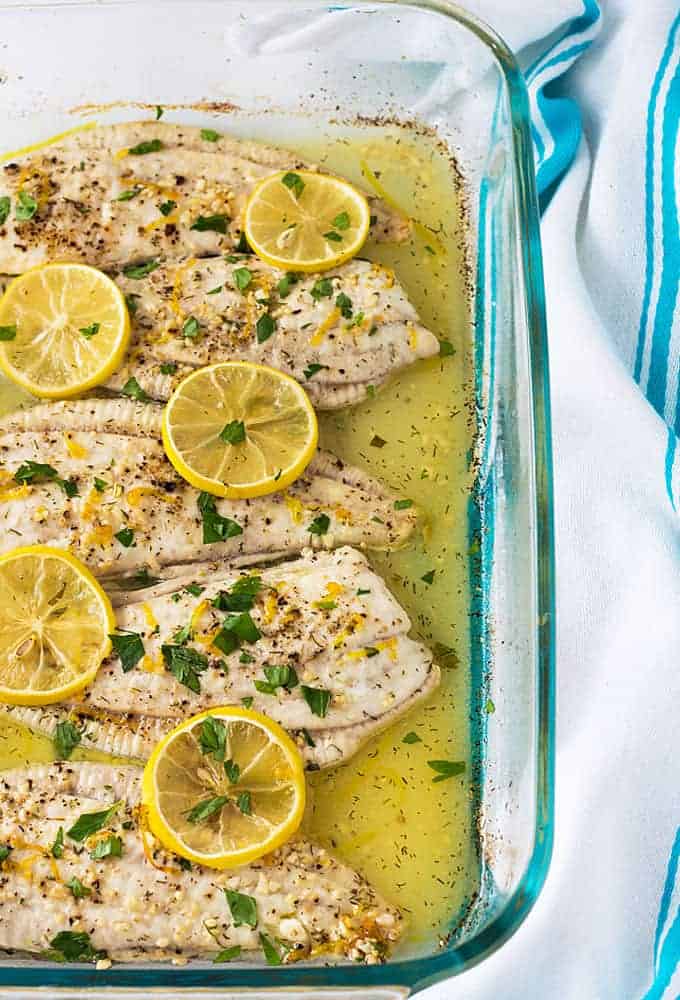
1. Lemon Butter Baked Flounder
This classic recipe combines tender flounder fillets with a simple lemon butter sauce. You’ll need butter, fresh lemon juice, garlic, and basic seasonings to create the sauce.
The dish cooks in about 20 minutes at high heat. This keeps the fish moist inside while the butter mixture adds rich flavor.
Flounder has a mild taste that works well with the tangy lemon and garlic. You can serve it with rice, vegetables, or a side salad for a complete meal.

2. Cajun-Spiced Pan-Seared Flounder
This recipe brings bold Louisiana flavors to your dinner table in under 30 minutes. You coat the flounder fillets with a mix of Cajun spices and flour, creating a crispy crust when pan-seared in hot oil.
The spice blend adds a smoky, slightly spicy kick to the mild fish. You’ll get tender, flaky flounder on the inside with a golden-brown exterior.
Serve it with lemon butter sauce or a simple squeeze of fresh lemon. It pairs well with roasted potatoes or rice.

3. Mediterranean Grilled Flounder with Herbs
This recipe brings together flounder’s mild taste with classic Mediterranean ingredients. You’ll need fresh herbs like basil and oregano, along with olive oil, garlic, and lemon juice.
The herbs and citrus enhance the fish without covering up its natural flavor. You can have this dish ready in about 20 minutes from start to finish.
Grill the fillets over medium-high heat for 3-4 minutes per side. The fish is done when it flakes easily with a fork and turns opaque throughout.

4. Stuffed Flounder with Crab and Spinach
This recipe combines delicate flounder with a rich crab and spinach filling. You’ll spread the mixture over each fillet before rolling it up.
The stuffing typically includes lump crab meat, wilted spinach, and seasonings like mayonnaise and mustard. Some recipes add onions or herbs for extra flavor.
Bake the rolled fillets at 375 degrees for 13 to 18 minutes until the fish flakes easily with a fork. Place them seam-side down in an oiled baking dish to keep them from unrolling.
This dish looks fancy but takes under 30 minutes to prepare.

5. Calabash-Style Fried Flounder
Calabash-style flounder uses a light coating that creates an extra crispy texture. You’ll marinate the fillets in milk for 15 minutes before coating them.
The coating combines buttermilk baking mix with white cornmeal. This mix gives you that signature light and crunchy texture.
You’ll fry the fish in about two inches of vegetable oil until golden brown. The result is tender flounder with a delicate flavor inside a crispy shell.
Serve your Calabash-style flounder with lemon wedges and fresh parsley.

6. Garlic and Herb Steamed Flounder
Steaming flounder keeps the fish moist and tender while letting garlic and herbs add flavor. You can steam your flounder in parchment paper or a steamer basket.
The cooking time is quick at just 15 minutes in the oven. Add garlic, fresh herbs like parsley or dill, and lemon slices on top of the fillets before steaming.
This method works well when you want a light, healthy dinner. The fish stays delicate and flaky without any added oil or butter during cooking.

7. Parmesan-Crusted Flounder
This recipe combines tender flounder fillets with a crispy, golden topping. You coat the fish in a mixture of Parmesan cheese, breadcrumbs, and garlic for a flavorful crust.
The dish bakes in about 15 minutes at high heat. You can add lemon zest to brighten the flavors.
The coating creates a crunchy texture while keeping the fish moist inside. You need just five basic ingredients to make this weeknight-friendly meal.

8. Flounder Piccata with Capers and Lemon
This Italian-inspired dish brings together tender flounder with a bright, tangy sauce. You’ll coat the fillets lightly in seasoned flour, then pan-sear them until golden brown.
The sauce combines butter, lemon juice, white wine, and briny capers. It takes about 30 seconds to make once your fish is cooked.
The lemon adds brightness while the capers provide a salty punch that balances the mild flavor of flounder. You can serve this dish over pasta or with vegetables.
Fresh parsley makes a nice garnish that adds color to your plate.

9. Honey Mustard Glazed Flounder
This dish combines sweet honey with tangy mustard to create a flavorful glaze for mild flounder fillets. You can prepare it in under 30 minutes, making it perfect for busy weeknights.
Mix honey with whole grain or Dijon mustard, then add a touch of lemon juice and your preferred seasonings. Brush the glaze over your flounder fillets before cooking.
You can bake, grill, or air fry the fish at 400°F until it flakes easily with a fork. The glaze caramelizes slightly during cooking, adding both sweetness and color to the finished dish.

10. Sautéed Flounder with Cherry Tomatoes and Basil
This dish combines tender flounder with bright cherry tomatoes and fresh basil. You cook the fish in a hot pan until it gets golden brown on both sides.
The tomatoes burst in the pan and create a light sauce. Add white wine and garlic to boost the flavor.
Fresh basil goes in at the end to keep its bright taste. You can make this meal in under 20 minutes.
Serve it over rice or with roasted vegetables on the side.
Expert Tips for Cooking Flounder
Flounder’s delicate texture and mild flavor require specific handling and cooking methods to achieve the best results. Fresh fish selection, proper cooking techniques, and smart pairing choices will help you create restaurant-quality flounder dishes at home.
Selecting the Freshest Flounder
Fresh flounder should smell like clean ocean water, not fishy or ammonia-like. The flesh should be firm and spring back when you press it gently with your finger.
Look for fillets with a translucent appearance and moist surface. Avoid any fish with brown spots, yellowing edges, or dry patches.
If buying whole flounder, check that the eyes are clear and bulging, not cloudy or sunken.
Key freshness indicators:
- Bright, clear eyes on whole fish
- Pink or red gills (not brown or gray)
- Shiny, tight scales
- Firm flesh that doesn’t leave an indentation
Store flounder in the coldest part of your refrigerator and use it within 1-2 days of purchase. Place the fillets on ice in a covered container to maintain optimal freshness.
Cooking Techniques for Perfect Texture
Flounder cooks quickly due to its thin fillets, usually taking 3-4 minutes per side depending on thickness. Overcooking turns the delicate flesh dry and rubbery, so watch your timing carefully.
Pan-searing works well with a hot skillet and a small amount of butter or oil. Cook the fillets for 2-3 minutes on the first side until golden, then flip once and cook for another 2 minutes.
The fish is done when it flakes easily with a fork and reaches an internal temperature of 145°F. For baking, preheat your oven to 375°F and cook fillets for 10-12 minutes.
Broiling takes just 6-8 minutes and creates a nice browned top. Keep the fish about 4 inches from the heat source.
Cooking times by method:
- Pan-searing: 4-5 minutes total
- Baking at 375°F: 10-12 minutes
- Broiling: 6-8 minutes
- Grilling: 3-4 minutes per side
Pat the fillets dry before cooking to help them brown properly. Season both sides with salt and pepper right before they hit the heat.
Pairing Flounder with Sauces and Sides
Light sauces complement flounder’s mild taste without overpowering it. Lemon butter sauce, herb-infused olive oil, and light cream sauces work particularly well.
A simple lemon butter sauce needs just melted butter, fresh lemon juice, minced garlic, and chopped parsley. Drizzle it over the cooked fillets right before serving.
Cajun seasoning adds a spicy kick, while Mediterranean flavors like tomatoes, olives, and capers create a bright, tangy profile.
Vegetable sides should be equally light. Roasted asparagus, steamed green beans, and sautéed spinach balance the meal without competing with the fish.
Rice pilaf, quinoa, or small roasted potatoes provide substance. For a complete plate, pair flounder with one starch and one or two vegetables.
A fresh green salad with citrus vinaigrette rounds out the meal nicely.
Health Benefits of Flounder
Flounder offers significant nutritional advantages as a lean protein source rich in omega-3 fatty acids, vitamins, and minerals. This flatfish supports heart health, weight management, and provides essential nutrients while remaining low in mercury and saturated fat.
Nutritional Value of Flounder
Flounder delivers high-quality protein with minimal fat content. A typical serving provides approximately 20-25 grams of protein while containing less than 2 grams of fat.
The fish contains omega-3 fatty acids, which support brain function and reduce inflammation in your body. You’ll also benefit from essential vitamins and minerals including vitamin B12, selenium, and phosphorus.
Key nutrients in flounder include:
- Protein: Supports muscle growth and repair
- Omega-3 fatty acids: Promotes cardiovascular health
- Vitamin B12: Essential for nerve function and red blood cell formation
- Selenium: Acts as an antioxidant
- Phosphorus: Maintains bone health
Flounder’s low mercury content makes it safe for pregnant women, breastfeeding mothers, and children. The lean nature of this fish means you get substantial nutrition without excess calories or unhealthy fats.
Flounder in a Balanced Diet
Health experts recommend eating fatty fish like flounder at least once or twice per week. This frequency helps you maintain optimal omega-3 levels while supporting heart health.
The low cholesterol and saturated fat content makes flounder an excellent choice for cardiovascular wellness. When you include this fish in your meals regularly, you support healthy cholesterol levels and reduce strain on your heart.
Flounder helps with weight management because of its high protein-to-calorie ratio. The protein keeps you feeling full longer, which can prevent overeating throughout the day.
You can prepare flounder using various cooking methods like grilling, baking, or pan-searing. These techniques preserve the nutritional benefits while creating flavorful dishes that fit into your healthy eating plan.
Frequently Asked Questions
Flounder is a versatile fish that works with many cooking methods, from baking at 400°F to pan-searing with bold spices. The mild flavor pairs well with simple seasonings like lemon and butter or bolder options like Cajun spices and Mediterranean herbs.
What are some healthy ways to prepare flounder?
Baking flounder is one of the healthiest preparation methods. You can bake it at 400°F for about 15 minutes without adding much fat.
Grilling is another low-calorie option that adds flavor without extra oil. You can also steam flounder to keep it moist while avoiding added fats.
Pan-searing with minimal oil works well too. Use just enough to prevent sticking, and you’ll get a nice texture without overdoing the calories.
Can you suggest a variety of seasoning options for flounder dishes?
Lemon and butter create a classic mild flavor that complements flounder’s delicate taste. Fresh herbs like parsley, dill, and thyme work well for a light touch.
Cajun spices add heat and bold flavor if you want something more intense. Paprika, garlic powder, and cayenne pepper create a spicy coating.
Mediterranean seasonings like oregano, basil, and garlic bring an Italian-inspired taste. You can also use Old Bay seasoning for a traditional seafood flavor.
What are the top-rated techniques for baking flounder?
Preheat your oven to 400°F for even cooking. This temperature cooks the fish through without drying it out.
Place your flounder fillets in a baking dish with a small amount of butter or oil. Season them as desired and bake for 12-15 minutes.
The fish flakes easily with a fork when it’s done. Thicker fillets may need a few extra minutes.
Could you recommend some flounder recipes suitable for a dinner occasion?
Stuffed flounder with crab and spinach makes an elegant main course. The combination looks impressive and tastes rich without being heavy.
Lemon butter baked flounder offers a simple yet refined option. It’s quick to prepare but feels special enough for guests.
Mediterranean grilled flounder with herbs brings restaurant-quality flavor to your table. The char from grilling adds depth while the herbs keep it light.
How do you properly cook a whole flounder?
Clean and gut the whole flounder first, removing the scales if needed. Rinse it well inside and out.
Bake a whole flounder at 375°F for 20-30 minutes depending on size. Stuff the cavity with lemon slices, herbs, and butter for added flavor.
Grill whole flounder for about 5-6 minutes per side over medium heat. The flesh turns opaque and flakes easily when done.
What type of sauces pair well with flounder to enhance its flavor?
Garlic butter sauce is a popular choice that adds richness without overpowering the fish. Melt butter with minced garlic and a squeeze of lemon juice.
Cream-based sauces with white wine create a more decadent meal. Keep them light so they don’t mask the flounder’s delicate taste.
Tomato-based sauces with Mediterranean flavors complement grilled flounder. A simple mix of diced tomatoes, capers, and olive oil creates a fresh topping.