
Flounder is a versatile fish that works well for quick weeknight dinners and special meals alike. Its mild flavor and delicate texture make it easy to cook in many different ways.
You can bake it, pan-sear it, grill it, or bread and fry it depending on what you’re in the mood for. These recipes will show you how to prepare flounder using different cooking methods and flavor combinations, from classic lemon butter to bold Cajun spices.
You’ll find options that take just 15 minutes along with dishes that require a bit more time. Each recipe helps you make the most of flounder’s light taste and firm texture.
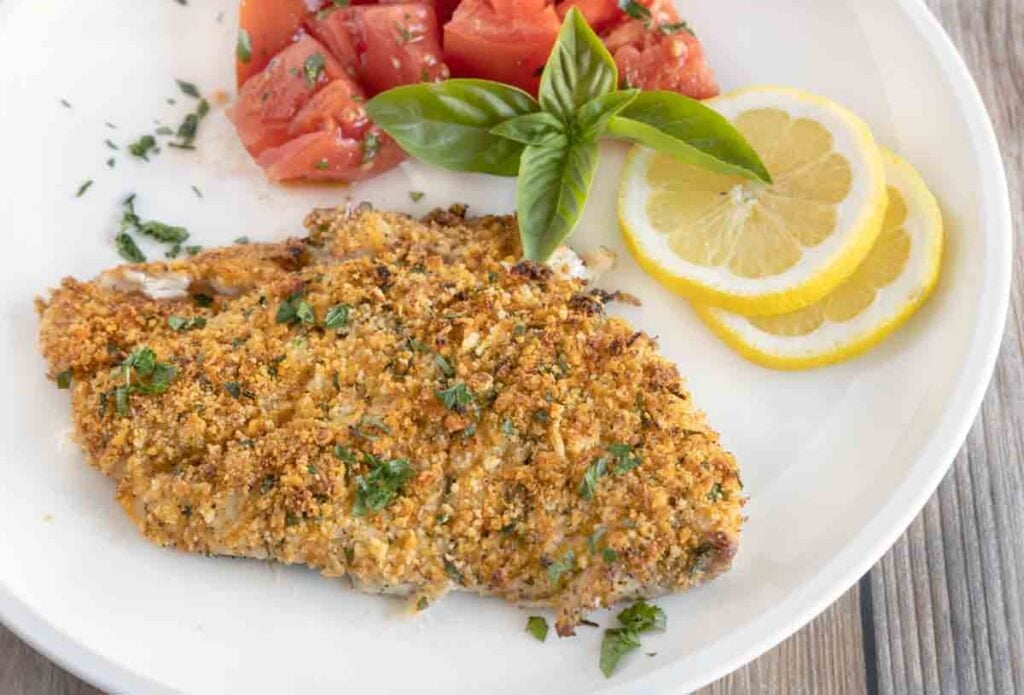
1. Baked Flounder with Panko and Parmesan
This recipe brings together tender flounder fillets with a crispy coating that bakes in about 15 minutes. You’ll coat the fish in butter before covering it with a mix of panko breadcrumbs and Parmesan cheese.
The panko creates a crunchy texture while the Parmesan adds flavor. You can season the coating with garlic powder, paprika, salt, and pepper.
The dish works well with lemon wedges and tartar sauce. Your fish will come out moist on the inside with a golden, crispy top.

2. Pan-Seared Flounder with Lemon Butter Sauce
This recipe delivers restaurant-quality fish in about 15 to 20 minutes. You’ll cook flounder fillets in a hot pan until they turn golden and crispy on the outside.
The lemon butter sauce adds bright flavor without overpowering the delicate fish. You make it with butter, fresh lemon juice, and herbs.
Some versions include garlic or capers for extra taste. You season the fillets, sear them in butter or oil, then add lemon and herbs to create the sauce in the same pan.

3. Grilled Flounder with Mediterranean Herbs
Grilled flounder pairs beautifully with Mediterranean flavors. Fresh herbs like oregano, thyme, and basil bring out the fish’s mild taste without overpowering it.
You’ll need olive oil, lemon juice, and garlic to create a simple marinade. Brush this mixture on your flounder fillets before grilling.
The fish cooks quickly on the grill, usually taking just 3-4 minutes per side. You’ll know it’s done when the flesh turns white and flakes easily with a fork.
Serve your grilled flounder with fresh vegetables for a complete meal.

4. Crispy Breaded Flounder Fillets
Breaded flounder fillets give you a golden, crunchy coating with tender fish inside. You’ll need a simple three-step breading process: flour, egg wash, and breadcrumbs.
The recipe comes together in about 20 minutes. You can use regular breadcrumbs or panko for extra crunch.
Pan-frying works best for this dish. Cook the fillets for 3-4 minutes per side until golden brown.
If you prefer baking, your fillets will be ready in 5-6 minutes at the right temperature. Season your breadcrumbs with herbs and spices to add flavor.

5. Flounder Piccata with Capers and Lemon
This Italian-inspired dish combines tender flounder fillets with a bright lemon-caper sauce. You’ll coat the fish lightly in seasoned flour and pan-sear it until golden brown.
The sauce is simple to make with butter, lemon juice, white wine, and capers. It takes about 30 minutes from start to finish.
You can serve this dish with pasta, rice, or roasted vegetables for a complete meal.

6. Stuffed Flounder with Crab and Spinach
This recipe combines delicate flounder with a rich crab and spinach filling. You’ll spread the mixture over each fillet before rolling it up for an elegant presentation.
The stuffing typically includes lump crab meat, wilted spinach, and seasonings like onion and mustard. Some versions add mayonnaise for creaminess.
Bake the rolled fillets at 375 degrees for 13 to 18 minutes until the fish flakes easily. The result is a restaurant-quality dish that’s surprisingly simple to prepare at home.

7. Flounder with Cajun Spice and Garlic
This dish brings together mild flounder with bold Cajun flavors. You’ll need fresh flounder fillets, Cajun seasoning, minced garlic, olive oil, and lemon juice.
Start by coating your fillets with Cajun spices. Heat olive oil in a skillet and cook the garlic until it smells good.
Add the seasoned fish and cook for 3-4 minutes per side. The garlic adds depth while the Cajun spices provide a nice kick.
Finish with a squeeze of fresh lemon juice for brightness.

8. Steamed Flounder with Ginger and Scallions
This Chinese-style dish keeps your flounder tender and moist. You’ll season the fillets with salt and pepper, then place them in a steamer basket over simmering water.
Fresh ginger and sliced scallions add bright flavor without overpowering the delicate fish. A simple sauce made with soy sauce and rice vinegar finishes the dish.
The whole recipe takes about 20 minutes from start to finish. You can serve the steamed flounder over rice with the cooking juices poured on top.

9. Flounder Tacos with Fresh Salsa
Flounder tacos with fresh salsa bring together light fish and bright flavors in one simple meal. You can make this dish in about 20 minutes from start to finish.
Season your flounder fillets with basic spices like garlic powder, paprika, salt, and pepper. Cook them in a skillet until they turn golden brown on both sides.
While the fish cooks, chop fresh tomatoes, onions, cilantro, and jalapeños for your salsa. Add lime juice and a pinch of salt to bring the flavors together.
Serve the cooked flounder in warm tortillas topped with the fresh salsa.

10. Broiled Flounder with Herb Crust
Broiled flounder with an herb crust gives you crispy, flavorful fish in under 15 minutes. You’ll coat your fillets with a mixture of fresh herbs and breadcrumbs before placing them under the broiler.
Position your flounder 4-6 inches from the heat source. The fish cooks quickly at about 4-6 minutes per half-inch of thickness.
You’ll know it’s done when it reaches 145°F internally. The broiler creates a golden crust while keeping the inside moist and tender.
Fresh herbs like oregano, parsley, or dill work best for maximum flavor.
Essential Tips for Cooking Flounder
Fresh flounder and proper preparation make the difference between a bland meal and an impressive dish. The right cooking method preserves the fish’s delicate texture while building flavor through simple seasonings and careful heat control.
Selecting the Freshest Flounder
Look for flounder with clear, bright eyes and shiny skin. The flesh should be firm when you press it gently with your finger, and it should spring back.
Fresh flounder has a mild, ocean-like smell, not a strong fishy odor. Check the color of the fillets.
They should appear translucent and slightly glossy. Avoid flounder with brown spots, yellowing edges, or dry-looking surfaces.
When buying whole flounder, examine the gills. They should be bright red or pink, not brown or gray.
If you’re purchasing frozen flounder, make sure the package has no ice crystals or freezer burn. Buy your flounder from a trusted fishmonger or grocery store with high turnover.
Ask when the fish arrived. The best quality comes within 1-2 days of being caught.
Preparing Flounder for Cooking
Pat the flounder fillets dry with paper towels before cooking. This step removes excess moisture that can prevent proper browning and make the fish steam instead of sear.
Season the fish right before cooking, not earlier. Salt draws out moisture if applied too far in advance.
Use salt, pepper, and simple herbs like parsley, dill, or thyme that complement rather than overpower the mild flavor. Remove any remaining bones by running your fingers along the fillet.
Pull out small bones with clean tweezers. Trim any ragged edges or thin pieces that might overcook.
Let refrigerated flounder sit at room temperature for 10-15 minutes before cooking. This ensures even cooking throughout the fillet.
Cooking Techniques That Enhance Flavor
Pan-searing creates a golden crust while keeping the inside moist. Heat oil or butter in a skillet over medium-high heat.
Cook the flounder for 2-3 minutes per side, depending on thickness. Baking works well for multiple servings.
Preheat your oven to 375-400°F. Place seasoned fillets on a lined baking sheet and cook for 10-15 minutes until the fish flakes easily with a fork.
Grilling adds smoky flavor but requires careful attention. Use medium heat and oil the grates well.
Flounder is delicate, so consider using a fish basket or grilling plank to prevent sticking and breaking. Steaming preserves the fish’s moisture and pure flavor.
Place flounder in a steamer basket over simmering water. Cover and cook for 5-8 minutes until opaque throughout.
The fish is done when it reaches an internal temperature of 145°F and flakes easily. Avoid overcooking, which makes flounder dry and rubbery.
Best Side Dishes and Pairings for Flounder
Flounder’s mild flavor and delicate texture work well with bright vegetables, creamy sauces, and light wines. The key is choosing sides that complement without overpowering the fish.
Recommended Vegetable Accompaniments
Roasted or steamed asparagus makes an excellent choice for flounder. The tender spears pair naturally with the fish’s light taste.
You can drizzle them with lemon butter or simply season with salt and pepper. Roasted potatoes offer a heartier option that still lets the flounder shine.
Try lemon roasted potatoes or garlic herb versions for added flavor. Sweet potatoes work too, especially when mashed or roasted until caramelized.
Green beans, whether steamed or sautéed with garlic, provide a crisp contrast to flounder’s flaky texture. Zucchini and summer squash are also smart picks.
You can grill them, roast them, or stuff them for zucchini boats. For salads, go with Caesar salad or fresh coleslaw.
A pineapple coleslaw adds a sweet and tangy element that complements the fish well. Corn on the cob brings natural sweetness to your plate.
Ideal Sauces and Garnishes
Lemon-based sauces are your best bet for flounder. A simple lemon butter sauce enhances the fish without masking its natural flavor.
Fresh lemon wedges squeezed over the cooked fish also work perfectly. Garlic aioli provides a creamy, rich option for dipping or drizzling.
The garlic adds depth while the aioli’s smooth texture contrasts with the fish’s flakiness. Tartar sauce remains a classic choice for fried flounder preparations.
Fresh herbs like dill, parsley, and chives brighten up any flounder dish. Sprinkle them over the fish just before serving.
Capers and their briny flavor also pair well, especially when combined with butter and lemon in a piccata-style sauce.
Wine and Beverage Suggestions
White wines are your go-to drinks for flounder. Sauvignon Blanc offers crisp acidity that cuts through any richness.
Its citrus notes mirror the lemon flavors often used with flounder. Pinot Grigio is another solid choice with its light body and subtle fruit flavors.
Chardonnay works if you prefer something with more body, but stick to unoaked versions to avoid overwhelming the fish. For non-alcoholic options, sparkling water with lemon keeps things light and refreshing.
Iced tea, particularly unsweetened or lightly sweetened versions, won’t compete with the flounder’s delicate taste.
Frequently Asked Questions
Flounder is a mild white fish that works well with many cooking methods and flavors. These questions cover the basics of preparing, cooking, and serving flounder at home.
What are some popular methods for preparing flounder?
Baking, pan-searing, and grilling are the most common ways to cook flounder. Baking at 400°F takes about 15-20 minutes and requires minimal effort.
Pan-searing gives you a golden crust in just 3-4 minutes per side. Breading and frying creates a crispy coating that complements the delicate fish.
You can also broil flounder for a quick dinner or steam it for a lighter option.
How can I ensure my flounder remains moist and flavorful when cooking?
Don’t overcook your flounder since it dries out quickly. The fish is done when it flakes easily with a fork and reaches an internal temperature of 145°F.
Add butter or oil to keep the fish moist during cooking. A sauce like lemon butter or garlic butter adds flavor and moisture.
Cover the fish with foil while baking to trap steam and prevent drying.
What are the recommended side dishes to pair with a flounder meal?
Light vegetables like roasted asparagus, steamed broccoli, or sautéed green beans work well with flounder.
Rice pilaf or buttered new potatoes provide a neutral base that doesn’t overpower the fish.
A simple garden salad with vinaigrette adds freshness to your plate.
Garlic bread or crusty rolls are good for soaking up any sauce.
Coleslaw offers a crisp contrast to the tender fish.
How do I properly clean and fillet a flounder before cooking?
Start by rinsing the whole flounder under cold water.
Use kitchen shears to cut off the fins and tail.
Make a cut behind the gills and down to the backbone.
Slide your knife along the backbone from head to tail, keeping the blade flat against the bones.
Lift the fillet away from the frame and repeat on the other side.
Remove the skin by placing the fillet skin-side down and sliding your knife between the flesh and skin.
Most stores sell flounder already filleted, which saves time and effort.
Can flounder recipes be adapted for dietary restrictions such as gluten-free or low-carb diets?
You can make breaded flounder gluten-free by using almond flour, coconut flour, or gluten-free panko breadcrumbs.
Plain baked or grilled flounder is naturally gluten-free and low-carb.
Replace regular flour with cornstarch or arrowroot powder for dusting before pan-searing.
Skip the breadcrumbs entirely and use a Parmesan crust for a low-carb option.
What are some creative seasoning blends or marinades to use with flounder?
Italian herbs like basil, oregano, and thyme pair well with flounder. A Mediterranean blend of garlic, lemon, and olive oil keeps the fish light and fresh.
Old Bay seasoning gives flounder a classic seafood flavor. Cajun spices add heat without overwhelming the mild fish.
Asian-inspired marinades with soy sauce, ginger, and sesame oil create different flavor profiles.
Lemon juice, white wine, and capers make a simple marinade for flounder piccata. Mix butter with fresh herbs like parsley, dill, or chives for any cooking method.