
A food processor can change how you work in the kitchen. This simple tool handles many jobs that usually take time and effort, from chopping vegetables to making sauces and desserts.
It cuts down on prep work and makes cooking faster and easier. Food processors help you make everything from dips and spreads to sauces and side dishes with less effort.
You can use one to shred cabbage, blend pesto, puree soup, or even make chocolate truffles. The recipes in this guide show different ways to use your food processor for everyday cooking.
You’ll also learn how to pick the right model and get better results from the one you have.

1. Classic Hummus
Classic hummus is one of the best recipes to make in your food processor. You only need a few simple ingredients: canned chickpeas, tahini, olive oil, lemon juice, and garlic.
Your food processor blends everything into a smooth, creamy dip in about 10 minutes. Let the processor run long enough to break down the chickpeas completely.
You can adjust the flavors to match your taste. Add more lemon for brightness or extra garlic for boldness.

2. Easy Food Processor Guacamole
Making guacamole in your food processor takes just a few minutes. Toss in ripe avocados, lime juice, tomatoes, onions, cilantro, and jalapeños all at once.
The food processor blends everything into a smooth, creamy texture. You don’t need to spend time chopping ingredients by hand.
Pulse the ingredients a few times until you reach your desired consistency. You can make it completely smooth or leave it slightly chunky.
This method works great for parties or quick snacks. Your guacamole will be ready in under five minutes.

3. Homemade Tomato Sauce
Your food processor turns fresh tomatoes into smooth sauce in seconds. You can make a large batch that yields about 32 ounces of sauce.
Start by blanching and peeling your tomatoes. This prep work takes the most time but moves quickly once you’re organized.
Add your peeled tomatoes to the food processor and pulse until you reach your desired texture. Process half the batch at a time for better control.

4. Quick Pesto Sauce
A food processor makes fresh pesto in just five minutes. You need basil leaves, garlic, pine nuts, parmesan cheese, olive oil, and salt.
Add garlic, pine nuts, and salt to the processor and pulse until you get a smooth paste. Add basil in batches and blend after each addition.
With the motor running, pour olive oil in a thin stream until the mixture is smooth. Stir in the cheese at the end.
You can use pesto on pasta, sandwiches, or as a spread.

5. Shredded Cabbage Slaw
Your food processor turns cabbage into perfect slaw in seconds. Cut your cabbage into wedges that fit through the feed tube.
Use the slicing disc for thin ribbons. Push the cabbage through with steady pressure.
You can add carrots through the same disc for color. Fresh shredded cabbage stays crisp longer than pre-packaged mix.
Toss your shredded vegetables with mayonnaise, vinegar, and a touch of sugar for classic coleslaw.
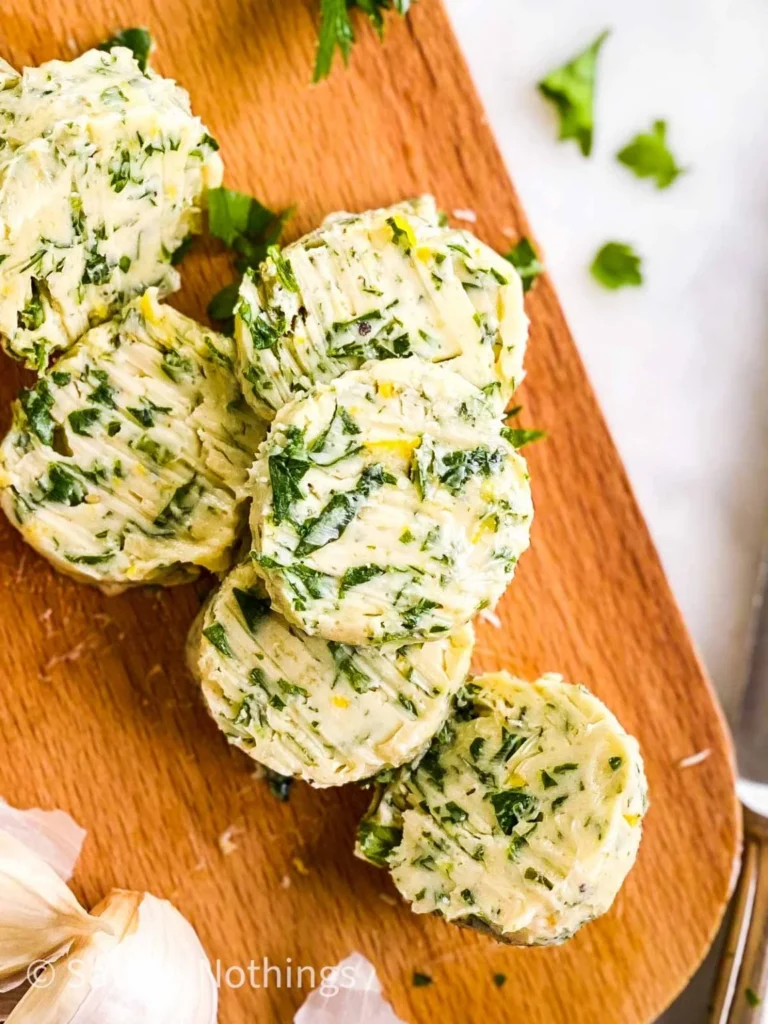
6. Garlic and Herb Butter Spread
Your food processor makes garlic and herb butter in under five minutes. Combine softened butter with fresh garlic cloves and your choice of herbs like parsley, chives, or thyme.
The machine blends everything into a smooth, creamy spread. Use it on bread, grilled meats, or vegetables.
Store your garlic butter in the fridge for up to a week. For longer storage, freeze it in small portions so you can use what you need.

7. Chocolate Truffles
Your food processor makes chocolate truffles easy to prepare at home. The machine quickly blends chocolate ganache into a smooth, creamy mixture.
Combine melted chocolate with cream and butter in just minutes. The blades create a silky texture that’s hard to achieve by hand.
Once your ganache is ready, roll it into balls and coat them in cocoa powder or melted chocolate. The entire process takes about an hour, including chilling time.

8. Vegetable Puree Soup
Your food processor makes smooth, creamy vegetable soup in minutes. Use any vegetables you have on hand, like carrots, cauliflower, potatoes, or corn.
Chop your vegetables into chunks, then cook them until soft. Transfer the cooked vegetables to your food processor and blend until smooth.
You can also use an immersion blender directly in the pot. Customize this soup with your favorite vegetables and seasonings.

9. Apple Sauce
Your food processor makes quick work of homemade applesauce. Peel and core fresh apples, then cut them into chunks.
Cook the pieces with a splash of apple juice until they’re soft. Once cooled slightly, pulse the cooked apples in your food processor until you reach your preferred texture.
You can make it smooth or leave it chunky. Add cinnamon, lemon juice, or a touch of brown sugar to taste.

10. Cauliflower Rice
Your food processor makes cauliflower rice in minutes. Cut one head of cauliflower into florets and remove any thick stems.
Place the florets in your food processor with the S-blade attached. Pulse 8-10 times until the pieces look like rice grains.
Don’t over-process or you’ll get mush. Cook it right away or store it in the fridge for meal prep.
Use cauliflower rice as a low-carb base for stir-fries, grain bowls, or any dish that calls for regular rice.
How to Choose the Right Food Processor for Your Kitchen
A good food processor needs the right features, correct size, and simple upkeep to work well in your kitchen. Focus on motor power, bowl capacity, and blade quality when shopping.
Decide between compact and full-size options based on your space and cooking habits.
Essential Features to Look For
Motor power determines how well your food processor handles tough ingredients. Look for motors between 600 and 1200 watts.
A 600-watt motor works fine for basic tasks like chopping vegetables and making dips. You need 1000 watts or more if you plan to knead dough, grind nuts, or process thick mixtures.
Bowl capacity matters for meal planning. A 7-cup processor fits small kitchens and serves 1-2 people.
An 11 to 14-cup model handles family cooking and batch prep work. Get a processor with multiple bowl sizes if you make both small and large batches.
The feed tube width affects prep time. Wide feed tubes let you add whole vegetables without cutting them first.
Standard tubes measure 2-3 inches across, while large tubes reach 5 inches or more.
Key blade types include:
- S-blade for chopping and mixing
- Slicing disc for uniform vegetable cuts
- Shredding disc for cheese and vegetables
- Dough blade for bread and pastry
Check that speed settings give you control. Multiple speed options plus a pulse button let you adjust processing intensity for different foods.
Compact vs. Full-Size Models
Compact processors measure 3 to 7 cups and fit easily in cabinets or on countertops with limited space. They work well for chopping herbs, making salad dressings, and grinding spices.
These smaller units cost less and clean faster than larger models. Choose a compact processor if you cook for one or two people and mostly prep small amounts.
Full-size processors hold 9 to 14 cups and handle bigger cooking projects. They process large batches of vegetables, mix thick doughs, and shred multiple blocks of cheese without stopping.
The larger bowls and stronger motors make meal prep faster when cooking for families or preparing food in advance. Your counter and storage space should guide your choice.
Compact models store in standard cabinets. Full-size processors need dedicated counter space or deep cabinet storage because of their height and base width.
Maintenance and Cleaning Tips
Most food processor parts go in the dishwasher except the motor base. Wash the base with a damp cloth only.
Rinse bowls and blades right after use to prevent food from drying and sticking. Dried food makes cleaning harder and can stain plastic parts.
The S-blade edge stays sharp, so handle it carefully. Hold blades by the plastic center when washing.
Use a small brush to remove food stuck between the blade and center post. Remove stubborn stains from plastic bowls by soaking them in warm water with baking soda for 30 minutes.
Lemon juice also removes discoloration from processing tomatoes or carrots. Store blades in their original case or a dedicated container to protect the edges.
Keep all parts together so attachments don’t get lost.
Tips for Getting the Most Out of Your Food Processor
Your food processor works best when you match the right technique to each task and understand how to use its blades properly. Small adjustments to how you prep ingredients and operate the machine can significantly improve your results.
Chopping and Slicing Techniques
Cut ingredients into similar-sized pieces before adding them to the bowl. This ensures even processing and prevents some pieces from turning to mush while others remain too large.
Use the pulse function for better control when chopping. Quick bursts let you check progress and avoid over-processing.
Continuous running works better for smooth purees and doughs. Don’t overfill the bowl past the maximum fill line.
Leave about one-third of the space empty to allow ingredients to move freely. Process large batches in smaller portions for consistent results.
For slicing and shredding, apply gentle pressure on the food pusher. The blade does the work, so forcing ingredients through too hard can cause uneven cuts.
Keep vegetables and fruits firm by chilling them for 15-20 minutes before slicing.
Maximizing Blade Efficiency
The S-shaped blade handles most tasks like chopping, mixing, and pureeing. Use it for nuts, vegetables, herbs, and soft ingredients.
Keep it sharp by hand-washing and drying it immediately after use. The slicing disc works best for firm vegetables like carrots, cucumbers, and potatoes.
The shredding disc excels at cheese, cabbage, and zucchini. Switch to the appropriate disc based on your desired texture.
Scrape down the sides of the bowl during processing. Ingredients often stick to the walls and need to be pushed back toward the blade.
Stop the machine completely before removing the lid to scrape. Clean blades immediately after use to prevent food from drying and dulling the edges.
Dried-on food is harder to remove and can affect performance.
Common Mistakes to Avoid
Running the processor for too long creates mushy vegetables or over-mixed dough. Check your food every few pulses to catch the right texture.
Adding liquids too quickly when making emulsions causes separation. Pour oil in a slow, steady stream through the feed tube while the machine runs.
This creates stable dressings and mayonnaise. Processing hot liquids without cooling them first can crack the bowl or cause the lid to pop off from steam pressure.
Let cooked ingredients cool to room temperature before processing. Forgetting to lock the bowl and lid properly prevents the machine from starting.
Most models have safety features that require all parts to click into place before operation.
Frequently Asked Questions
Food processors can handle everything from making smooth dips like hummus to kneading bread dough. You might have questions about getting the best results and keeping your machine in good shape.
What are some quick and healthy recipes to make with a food processor?
Blend together chickpeas, tahini, lemon juice, and garlic to make classic hummus in under five minutes. Smoothie bowls work well when you pulse frozen fruits with yogurt or milk until thick and creamy.
For breakfast, process oats into flour and mix them with bananas and eggs for pancake batter. Vegetable-based dishes like shredded cabbage slaw come together fast when you use the slicing disc.
Energy balls made from dates, nuts, and cocoa powder give you a healthy snack option that takes just minutes to prepare.
Can you provide tips for getting the smoothest purees in a food processor?
Start with softer or cooked ingredients rather than raw, hard vegetables. Add a small amount of liquid like water, oil, or broth to help the blades move ingredients around the bowl.
Process in short bursts first to break down large chunks. Then run the machine continuously for 30 to 60 seconds.
Stop and scrape down the sides of the bowl with a spatula to push ingredients back toward the blades. Gradually add liquid while the processor runs to create a smoother texture for recipes like tomato sauce or pesto.
Which blade attachments are best for kneading dough in a food processor?
The plastic or metal dough blade kneads and mixes dough. This blade has short, blunt arms that fold the dough over itself instead of cutting it like the standard S-blade.
If your food processor doesn’t include a dough blade, use the regular metal chopping blade for small batches. Make sure your machine has a strong motor to handle thick dough.
Process dough for only 20 to 30 seconds until it forms a ball that pulls away from the sides of the bowl.
How do you properly clean and maintain a food processor after use?
Disassemble all removable parts immediately after use to prevent food from drying on the surfaces. Wash the bowl, lid, and blades in warm soapy water or place them on the top rack of your dishwasher if they’re dishwasher-safe.
Use a small brush to clean around the blade’s edges and remove stuck food particles. Wipe down the motor base with a damp cloth, but never submerge it in water.
Dry all parts completely before storing them to prevent mold growth and keep the blades sharp.
Are there any versatile food processor recipes that work well with a variety of dietary restrictions?
Guacamole made from avocados, lime juice, and cilantro fits vegan, gluten-free, and dairy-free diets. Nut-based sauces and dips work for most eating plans, and you can swap seeds like sunflower or pumpkin for people with nut allergies.
Vegetable-based dishes like cabbage slaw or cauliflower rice accommodate many dietary needs. Make dairy-free pesto by leaving out the cheese or using nutritional yeast instead.
What are the best techniques for processing vegetables to ensure they retain their nutrients?
Cut vegetables into uniform pieces before processing. This helps them break down evenly without over-processing some pieces.
Use quick pulses instead of continuous running. This maintains texture and prevents heat buildup that can destroy vitamins.
Process vegetables raw when possible. Cooking before processing can reduce nutrient content.
For recipes that need cooked vegetables, steam them lightly rather than boiling. Steaming keeps more vitamins in the food.
Store processed vegetables in airtight containers. Use them within a day or two since cut surfaces lose nutrients faster than whole vegetables.