
Fruit smoothies offer a quick and easy way to pack fruits and vegetables into one delicious drink. You can create nutritious smoothies at home in just minutes using simple ingredients and a blender.
These drinks work well for breakfast, snacks, or any time you need a healthy boost. This collection includes options for every taste, from classic combinations to creative blends.
You’ll find berry smoothies with protein-rich yogurt, tropical fruit mixes, and green smoothies with vegetables. Each recipe focuses on whole ingredients that provide vitamins, fiber, and natural energy to support your daily routine.

1. Berry-Packed Powerhouse Smoothie with mixed berries and Greek yogurt
This smoothie combines frozen mixed berries with Greek yogurt for a thick, creamy drink. Use strawberries, blueberries, and raspberries in any combination you prefer.
Greek yogurt adds protein to keep you full longer. The berries provide vitamins and antioxidants.
Make this smoothie in five minutes. Add a banana for natural sweetness or include protein powder if you want extra protein.
Almond milk helps blend everything smooth. This recipe works well for breakfast or after a workout.

2. Classic Strawberry Banana Smoothie
This combination is popular for good reason. Strawberries and bananas blend together to create a naturally sweet taste that most people enjoy.
You only need three basic ingredients: frozen strawberries, a banana, and your choice of milk or yogurt. The frozen fruit makes the smoothie thick and cold without needing ice.
This recipe takes about five minutes from start to finish. Drink it for breakfast, after a workout, or as a snack.
The fruit provides vitamins and fiber your body needs.

3. Tropical Mango Pineapple Smoothie
This smoothie combines ripe mango and pineapple for a naturally sweet tropical drink. Use yogurt or coconut milk for a creamy texture.
Blend your fruit with your choice of liquid and ice until smooth. The recipe comes together in about five minutes.
You’ll get vitamins from the fruit and protein if you use Greek yogurt. It works well as a quick breakfast or an afternoon snack when you need something refreshing.

4. Green Spinach and Avocado Smoothie Bowl
Turn your regular green smoothie into a satisfying bowl by using less liquid and adding toppings. Fresh spinach and creamy avocado blend together to create a thick base.
Add frozen banana to make it extra smooth. The mixture gives you vitamins, minerals, and healthy fats.
Top your bowl with fresh fruit, nuts, or seeds. This recipe works well for breakfast or as a snack after working out.
Use plant-based milk or regular milk based on what you prefer.
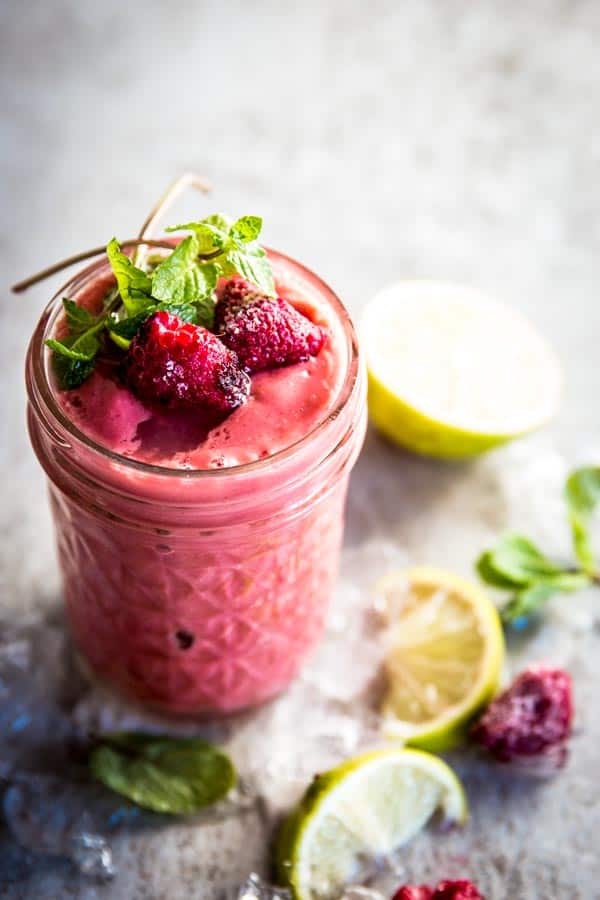
5. Mango Raspberry Smoothie
This smoothie combines sweet mango with tart raspberries for a balanced flavor. Make it in about 10 minutes using frozen fruit, which keeps the texture thick and cold.
The basic recipe needs just mango, raspberries, and your choice of liquid like plant-based milk or water. Add chia seeds for extra fiber or a handful of yogurt to make it creamier.
This smoothie works well for breakfast or as an afternoon snack. It provides vitamin C and antioxidants from both fruits.
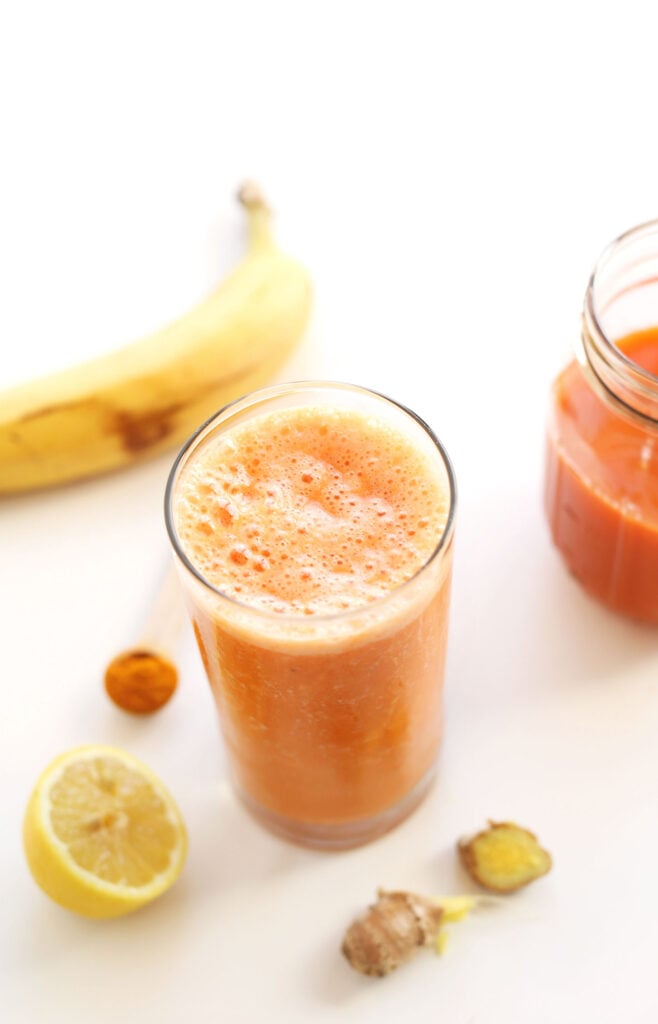
6. Carrot and Ginger Smoothie
This smoothie combines the natural sweetness of carrots with ginger’s zesty flavor. You’ll get vitamins A and C along with fiber in every glass.
Use raw carrots or carrot juice as your base. Fresh ginger adds a warming kick while supporting your immune system.
Many recipes include banana or mango for extra sweetness and a creamy texture. Make this dairy-free smoothie in just five minutes using a blender.
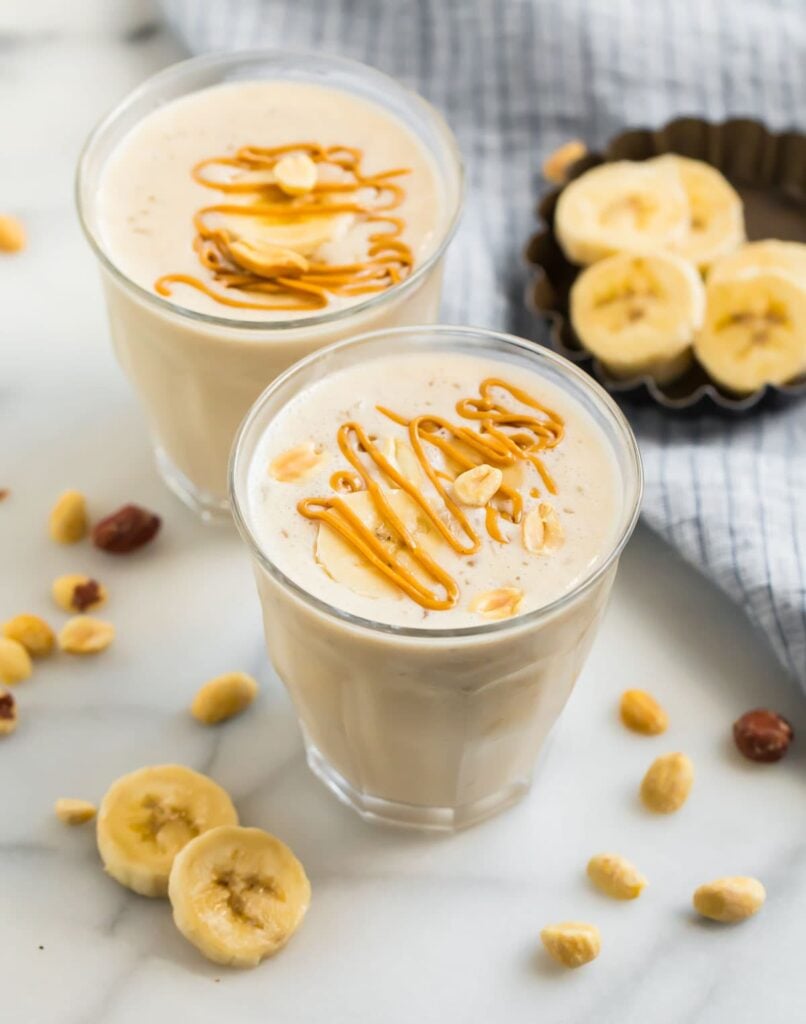
7. Peanut Butter and Banana Smoothie
This smoothie combines two classic ingredients that work perfectly together. You need peanut butter, bananas, and milk to make the base.
Most recipes call for 4 to 5 ingredients total. Frozen bananas make your smoothie thick and cold without adding ice.
Use any type of milk you prefer, including almond or coconut milk. Adding Greek yogurt gives you extra protein.
Some recipes include oats for more fiber and to keep you full longer.
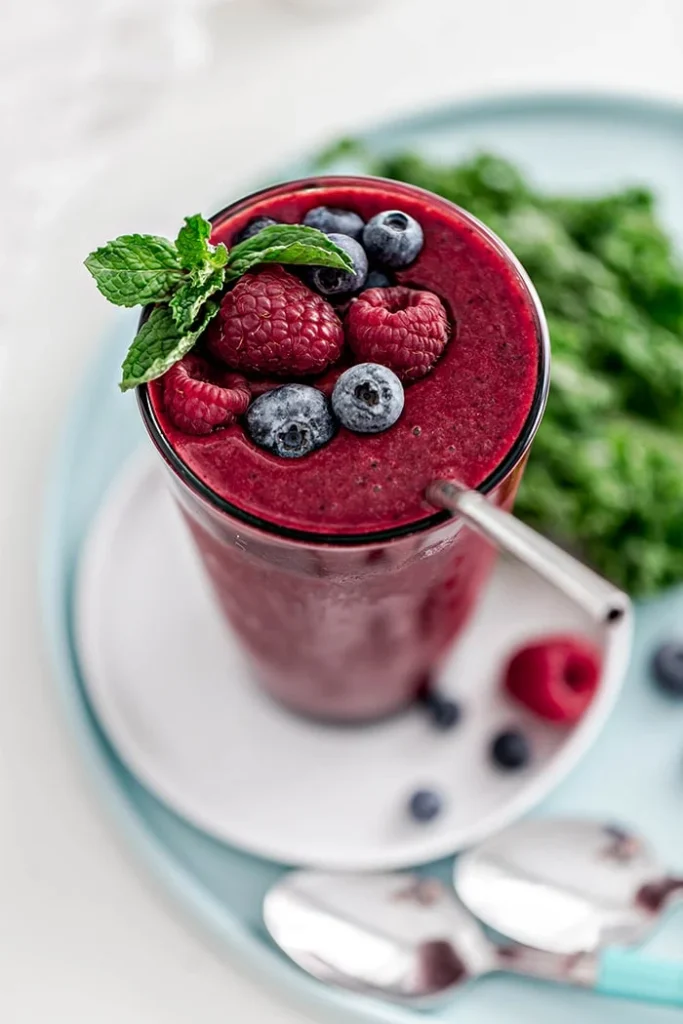
8. Mixed Berry and Kale Detox Smoothie
This smoothie combines leafy greens with sweet berries for a balanced drink. Blend kale with mixed berries like blueberries, strawberries, and raspberries.
The berries mask the kale taste while adding natural sweetness. You only need about five ingredients to make this recipe.
Add liquid like water or orange juice to help everything blend smoothly. The kale provides vitamins and fiber, while berries offer antioxidants.
Use fresh or frozen berries depending on what you have available.
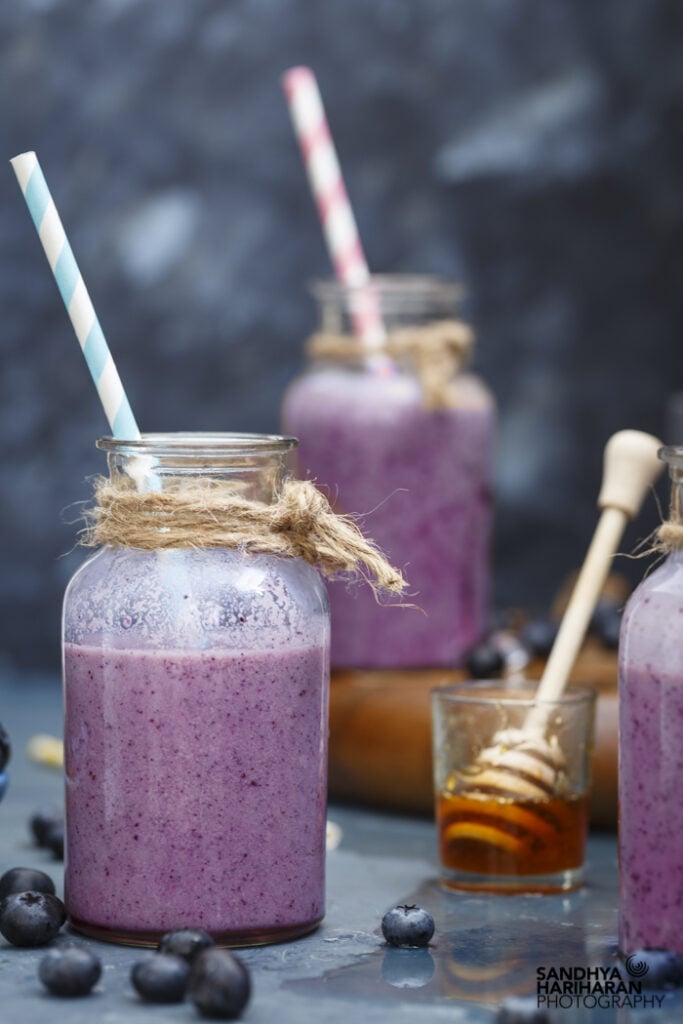
9. Blueberry and Coconut Protein Smoothie
This smoothie combines frozen blueberries with coconut milk for a tropical-inspired drink. Use coconut cream or regular coconut milk as your base.
Add protein powder to make it more filling. Greek yogurt works well too if you want extra protein and creaminess.
Blend your blueberries with the coconut milk and protein powder until smooth. Add flax seeds or chia seeds for more nutrients.
If your smoothie is too thick, add more coconut milk to reach your preferred texture.
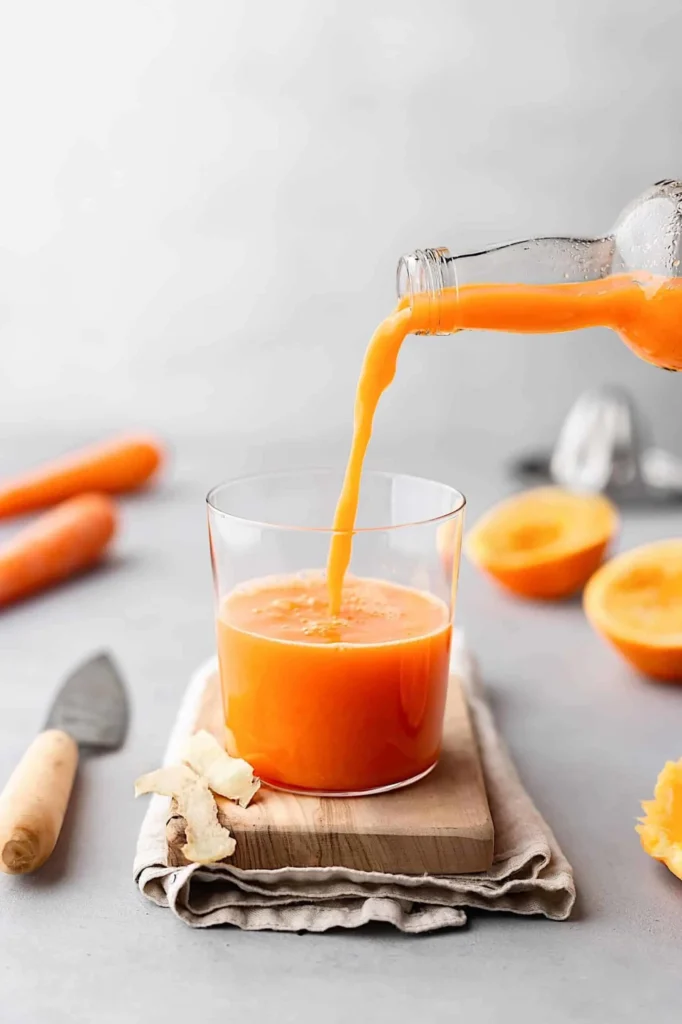
10. Orange and Carrot Immune Booster Smoothie
This bright smoothie combines oranges and carrots to support your immune system. Both ingredients provide vitamin C, while carrots add beta-carotene that your body converts to vitamin A.
Add fresh ginger for extra flavor and anti-inflammatory benefits. The natural sweetness from oranges and carrots means you won’t need added sugar.
Blend one peeled orange, one medium carrot, and a small piece of ginger with ice or coconut water. This takes just a few minutes to make and works well as a breakfast drink or afternoon snack.
How to Make a Perfect Fruit Smoothie
Making a great fruit smoothie comes down to three key factors: picking fruits that taste good together, having the right tools, and getting the texture just right.
Choosing the Best Fruit Combinations
Start with a base fruit that makes up about half of your smoothie. Bananas add natural sweetness and make your drink creamy.
Mangoes and peaches also make good base fruits. Add one or two complementary fruits to create flavor depth.
Berries like strawberries, blueberries, or raspberries pair well with most base fruits. Pineapple and oranges add brightness and work especially well with tropical combinations.
Classic combinations that work:
- Banana + strawberry + blueberry
- Mango + pineapple + peach
- Banana + mixed berries
- Strawberry + banana + mango
Use frozen fruit instead of fresh when possible. Frozen fruit eliminates the need for ice, which can water down your smoothie.
It also helps you keep a variety of fruits on hand without worrying about spoilage. Balance sweet fruits with tart ones.
If you use very sweet fruits like mango or banana, add something tart like berries or citrus to prevent the smoothie from tasting too sugary.
Essential Equipment and Tools
You need a good blender to make smooth, lump-free drinks. High-powered blenders work best for crushing frozen fruit and ice.
A standard blender can still produce good results if you blend longer. Personal blenders are convenient for single servings.
They let you blend directly in a portable cup, which saves time on cleanup and makes it easy to drink on the go.
Basic tools you’ll need:
- Blender (300 watts minimum)
- Measuring cups
- Liquid measuring cup
- Rubber spatula for scraping
Keep your blender blade sharp. Dull blades struggle with frozen ingredients and create chunky texture instead of smooth consistency.
Tips for Consistency and Texture
Add liquid first, then fruit. This prevents the blades from struggling and helps everything blend evenly.
Pour in about 1 cup of liquid for every 2 cups of fruit. Best liquids to use:
- Milk (dairy or non-dairy)
- Fruit juice
- Coconut water
- Plain water
- Yogurt thinned with water
Start blending on low speed, then increase to high. Blend for 30-60 seconds until completely smooth.
Stop and scrape down the sides if needed. If the smoothie is too thick, add liquid one tablespoon at a time until you reach the consistency you want.
If it’s too thin, add more frozen fruit or a handful of ice cubes. You can also add a frozen banana to thicken without watering down the flavor.
Nutritional Benefits of Fruit Smoothies
Fruit smoothies deliver concentrated nutrition through vitamins, antioxidants, and natural energy sources. When you add protein and healthy fats, these drinks become balanced meals that support your body’s daily needs.
Vitamins and Antioxidants
Fruit smoothies pack multiple servings of vitamins into one glass. Berries provide vitamin C, which helps your immune system fight illness.
Mangoes and peaches give you vitamin A for healthy eyes and skin. The antioxidants in fruits protect your cells from damage.
Blueberries contain anthocyanins that support brain health. Strawberries and raspberries offer additional antioxidants that reduce inflammation in your body.
When you use whole fruits instead of juice, you keep all the beneficial compounds. The skin and pulp contain most of the antioxidants.
Dark-colored fruits like blackberries and cherries typically have higher antioxidant levels than lighter fruits.
Balancing Natural Sugars
Whole fruits contain natural sugars along with fiber. The fiber slows down how fast sugar enters your bloodstream.
This keeps your energy steady instead of causing spikes and crashes. Avoid adding extra sweeteners like honey or sugar.
The fruit itself provides enough sweetness for most tastes. If you need more flavor, try a banana or dates instead of processed sugar.
Adding leafy greens like spinach or kale helps balance the sugar content. These vegetables add nutrients without changing the taste much.
Greek yogurt also helps slow sugar absorption while adding creaminess to your smoothie.
Incorporating Protein and Healthy Fats
Protein turns your smoothie into a complete meal. Greek yogurt provides 15-20 grams of protein per cup.
You can also add protein powder, nut butter, or silken tofu for plant-based options. Healthy fats help your body absorb vitamins and keep you full longer.
Avocado creates a creamy texture while adding heart-healthy fats. Chia seeds and flaxseeds provide omega-3 fatty acids and extra fiber.
A balanced smoothie should contain protein, healthy fats, and carbohydrates from fruit. This combination gives you sustained energy for several hours.
Most people need about 15-25 grams of protein in a meal-replacement smoothie.
Frequently Asked Questions
Making fruit smoothies at home raises common questions about ingredients, preparation methods, and flavor combinations. The answers below cover basic techniques for creating nutritious smoothies that fit different dietary needs and taste preferences.
How can I make a healthy fruit smoothie for breakfast?
Start with a base of frozen berries like blueberries and strawberries, which provide antioxidants without added sugar. Add Greek yogurt for protein to keep you full until lunch.
Include spinach for extra vitamins and minerals without changing the taste much. Use water, milk, or a milk alternative as your liquid base.
Keep the portion to about 8-12 ounces to maintain reasonable calorie levels for breakfast.
What are some simple fruit smoothie recipes for beginners?
The Classic Strawberry Banana Smoothie works well for first-timers because it only needs three ingredients. Combine one cup of strawberries, one banana, and one cup of milk or yogurt.
Blend until smooth. Another easy option is a two-ingredient mango smoothie.
Mix frozen mango chunks with your choice of liquid until you reach your preferred thickness. You can also try the Berry-Packed Powerhouse Smoothie by blending mixed berries with Greek yogurt and a splash of liquid.
Which combinations of fruits are recommended for a delicious smoothie?
Strawberries and bananas create a naturally sweet flavor that most people enjoy. The banana adds creaminess while strawberries provide tartness.
Mango and pineapple work together for a tropical taste. This combination tastes sweet without needing extra sweeteners.
The Mango Raspberry Smoothie offers a balance of sweet mango with tart raspberries for a more complex flavor. Berries mix well together in any combination.
Blueberries, strawberries, and raspberries all complement each other.
Can you suggest fruit smoothie recipes that include yogurt?
The Berry-Packed Powerhouse Smoothie uses Greek yogurt as its main ingredient. Mix one cup of frozen mixed berries with half a cup of Greek yogurt and a quarter cup of milk.
Greek yogurt adds protein and creates a thick texture. Low-fat yogurt without added sugar works well in smoothies for people watching their blood pressure.
Add it to any fruit combination you prefer. For a lighter option, use regular yogurt instead of Greek.
This creates a thinner consistency but still provides probiotics and calcium.
What’s a good recipe for a fruit smoothie with frozen fruits?
The Tropical Mango Pineapple Smoothie relies entirely on frozen fruits. Combine one cup of frozen mango chunks with one cup of frozen pineapple and your liquid of choice.
Frozen fruit eliminates the need for ice and creates a thicker texture. You can make any smoothie with frozen berries instead of fresh ones.
Frozen fruits often cost less and last longer in your freezer. They blend just as well as fresh options.
The Mango Raspberry Smoothie also works perfectly with frozen ingredients. Use equal parts frozen mango and raspberries with enough liquid to blend smoothly.
How do I incorporate milk into a fruit smoothie recipe?
Add milk as your liquid base to create a creamier smoothie. Start with half a cup and add more until you reach the thickness you want.
Regular milk, almond milk, oat milk, and coconut milk all work well. Use milk in place of water for the Classic Strawberry Banana Smoothie.
This adds calcium and makes the texture smoother. Use about one cup of milk for every two cups of fruit.
For a lighter option, use half milk and half water. This reduces calories while still providing some creaminess.