
German baking traditions have created some of the world’s most beloved desserts through centuries of careful technique and passed-down recipes. These sweets range from rich chocolate cakes layered with cherries and cream to honey-glazed pastries and fruit-filled treats that pair perfectly with afternoon coffee.
You’ll discover both famous classics and lesser-known regional specialties that showcase the depth of Germany’s dessert-making heritage. Each recipe reflects the precision and quality ingredients that German bakers value, from crisp strudel dough to spiced gingerbread and smooth Bavarian cream.
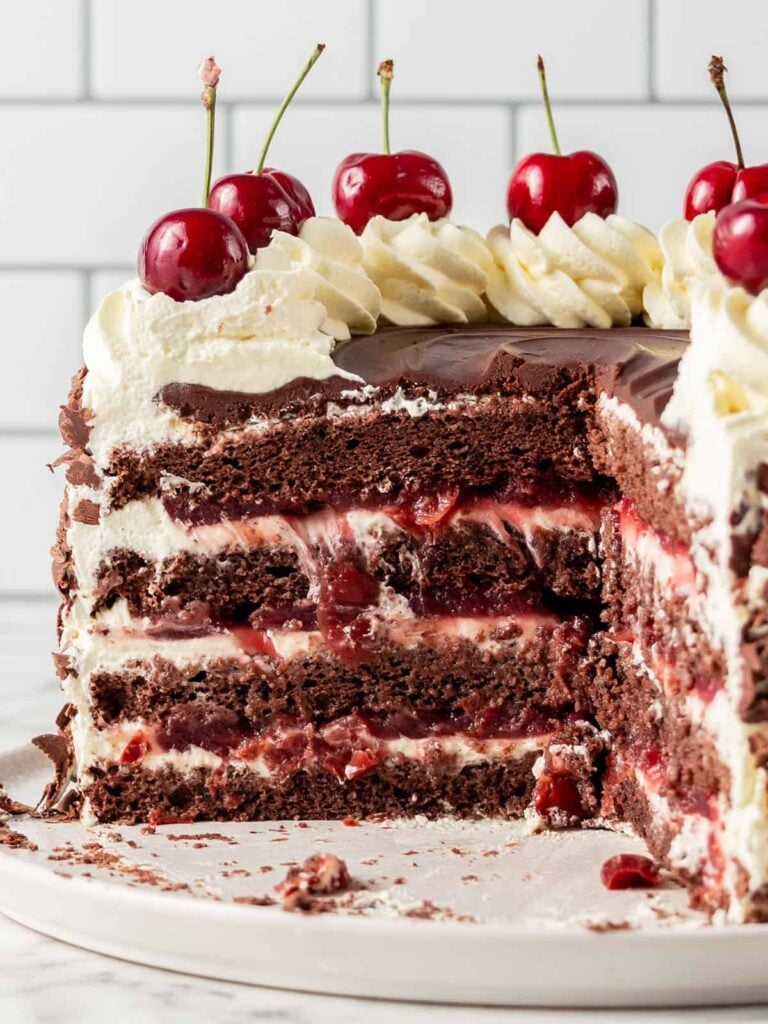
1. Black Forest Cake
Black Forest Cake, known as Schwarzwälder Kirschtorte in Germany, stands as the country’s most famous dessert. You’ll find layers of chocolate sponge cake filled with whipped cream and tart cherries.
Kirsch, a cherry brandy, soaks into the layers to give the cake its special flavor. Traditional recipes use cherry syrup to moisten the chocolate cake.
You can make this impressive dessert for birthdays, anniversaries, or any celebration. The combination of rich chocolate, cream, and cherries creates a balanced flavor.

2. German Fruit Flan
German Fruit Flan, called Obsttorte or Obstboden, features a light sponge cake base instead of traditional pastry. You top it with vanilla custard and fresh seasonal fruit.
The cake creates a soft foundation for berries, kiwi, or citrus. A clear fruit glaze gives it a shiny finish and adds sweetness.
You can make this dessert in under an hour. It works well for summer gatherings because it’s refreshing and not too heavy.

3. Kirschenplotzer
Kirschenplotzer is a traditional German cherry dessert that’s especially popular in regions like Palatinate, Baden-Württemberg, and Bavaria. The name literally translates to “fallen cherries.”
This pudding-style dessert uses leftover rolls soaked in milk, making it a practical and delicious way to use day-old bread. Cherries are the star ingredient, giving the dish its signature flavor.
Serve it warm, fresh from the oven. Top it with whipped cream or vanilla ice cream for an authentic German treat.

4. Bienenstich (Bee Sting Cake)
Bienenstich is a traditional German dessert that combines multiple textures in one cake. The base is made from sweet yeast dough that creates a soft, bread-like foundation.
The top features crunchy caramelized almonds glazed with honey. A rich vanilla custard cream filling goes between the layers and adds smoothness to each bite.
The name “bee sting cake” comes from an old German legend. Bakers supposedly threw beehives at attackers to defend their village in the 15th century.
Enjoy this cake with afternoon coffee or serve it as dessert after dinner.

5. Apfelstrudel (Apple Strudel)
Apfelstrudel is a classic German and Austrian dessert you’ll love for its thin, flaky pastry. The filling combines tart apples with cinnamon, sugar, and raisins for a warm and spiced taste.
Make it from scratch by stretching the dough until it becomes paper-thin. The pastry wraps around the apple filling and bakes until golden and crisp.
Serve your strudel warm with a dusting of powdered sugar. Add whipped cream, vanilla sauce, or ice cream on the side for extra richness.

6. Bavarian Cream
Bavarian cream is a light and fluffy dessert that belongs to German haute cuisine. You make it with vanilla, custard, and whipped cream to create a smooth texture.
Serve this dessert in a mold and unmold it before serving. Enjoy it on its own or pair it with fresh berries, fruit compote, or berry puree.
Bavarian cream also works well as a filling for cakes and pastries. It’s a common treat at Oktoberfest celebrations in Germany.

7. Lebkuchen (Gingerbread)
Lebkuchen is a traditional German gingerbread cookie that fills homes with warm spice aromas during the holiday season. These treats are soft and chewy.
Honey sweetens the cookies and adds moisture. Warm spices like cinnamon, cloves, and nutmeg flavor the dough.
Nuts and candied citrus appear in many recipes. The most famous version comes from Nuremberg, where bakers have perfected this Christmas specialty for generations.

8. Schwarzwälder Kirschtorte
Schwarzwälder Kirschtorte, or Black Forest Cake, comes from Germany’s Black Forest region. This cake features layers of chocolate sponge with whipped cream and cherries.
Kirsch, a cherry brandy from the Black Forest, soaks the cherries. Bakers also add the brandy to the whipped cream and brush it on the cake layers.
Chocolate shavings and more cherries top the cake. The mix of chocolate, cream, and Kirsch-soaked cherries creates the cake’s famous flavor.

9. Stollen
Stollen is a traditional German Christmas bread that’s become a holiday favorite around the world. You’ll find it packed with rum-soaked dried fruits, candied citrus peels, and almonds, all tucked into a rich, buttery dough.
The bread has a soft, dense texture with warm spices throughout. After baking, brush it with melted butter and coat it in powdered sugar.
You can keep stollen for up to two weeks. Many say it tastes even better after a day or two as the flavors blend together.

10. Rote Grütze
Rote Grütze is a traditional dessert from Northern Germany that features sweet-tart red berries in a thickened sauce. You’ll find it especially popular in regions like Schleswig-Holstein and neighboring Denmark.
The dessert combines berries like strawberries, raspberries, and currants with a thickening agent to create a pudding-like consistency. Serve it with fresh cream, vanilla sauce, or ice cream.
Cultural Significance of German Desserts
German desserts connect families across generations and mark important moments throughout the year. These sweet traditions vary by region and season, shaping how communities celebrate together.
Seasonal Traditions and Festivals
Christmas markets bring German dessert culture to life each winter. Stollen, a dense fruit bread dusted with powdered sugar, appears in bakeries and homes during Advent.
Lebkuchen, spiced cookies similar to gingerbread, fill market stalls alongside marzipan treats shaped into festive figures. You’ll find different desserts tied to specific holidays beyond Christmas.
During Easter, families bake sweet breads and cakes decorated with spring themes. Carnival season features Krapfen, jelly-filled doughnuts that disappear from bakery shelves within hours.
Regional Influences on Dessert Recipes
Southern Germany claims Black Forest Cake as its signature dessert. This layered chocolate cake with cherries and cream originates from the Black Forest region.
The local kirschwasser cherry brandy gives it its distinct flavor. Northern regions favor marzipan-based sweets, particularly around Lübeck.
The almond paste appears in countless desserts and candies throughout these areas. Coastal regions incorporate different ingredients than mountain communities.
Bavaria brings you cream-filled pastries and apple-based desserts like strudel. Each state maintains its own specialties based on available ingredients and historical influences.
Essential Ingredients and Techniques
German desserts rely on specific flavors like chocolate, cherries, apples, and cream cheese, combined with methods that bakers have used for generations.
Key Flavors and Spices
German baking uses a distinct set of ingredients that create recognizable tastes. Chocolate appears in many cakes and tortes, often paired with cherries for classic combinations.
You’ll find apples in strudels and tarts, while cream cheese adds richness to cheesecakes and fillings. Honey serves as both a sweetener and glaze in traditional recipes.
It adds moisture and a golden color to baked goods. Spices play an important role too, especially during holiday baking.
Common spices include:
- Cinnamon – used in apple desserts and cookies
- Nutmeg – adds warmth to creamy fillings
- Cloves – brings depth to spiced cakes
- Cardamom – offers a subtle, sweet flavor
You can find most of these ingredients at regular grocery stores. Butter and eggs form the foundation of many recipes.
Vanilla extract and lemon zest provide bright, fresh notes that balance richer flavors.
Traditional Baking Methods
German baking requires precise techniques that ensure proper texture and flavor. Recipes often call for specific mixing methods that you need to follow carefully.
Creaming butter and sugar creates air pockets that make cakes light. Beat them together until the mixture turns pale and fluffy.
Folding is another key technique used when adding whipped cream or egg whites to batters. This gentle motion preserves air bubbles.
Layering creates the structure in desserts like Black Forest cake. Bake thin sponge cakes and stack them with fillings.
Temperature control matters throughout the process. Ingredients should often be at room temperature before mixing.
Resting dough allows gluten to relax in pastries and strudel. This makes the dough easier to stretch thin without tearing.
Many recipes require patience as flavors develop over time, especially in yeast-based desserts.
Frequently Asked Questions
German baking includes rich chocolate cakes, fruit-filled pastries, and honey-glazed treats that have been passed down through generations. These recipes use simple ingredients like apples, cherries, quark cheese, and spices to create desserts that range from beginner-friendly to more complex bakes.
What are some classic German dessert recipes?
Black Forest Cake stands as one of Germany’s most famous desserts. This chocolate cake features layers of chocolate sponge, whipped cream, and cherries soaked in kirsch.
The cake gets topped with chocolate shavings and more cherries. Apfelstrudel uses thin pastry dough wrapped around spiced apples, raisins, and breadcrumbs.
Serve it warm with powdered sugar or vanilla sauce. Bienenstich, or Bee Sting Cake, combines a yeast cake base with custard filling and a caramelized almond topping.
The honey-almond topping gives this dessert its sweet crunch.
Can you list popular traditional German pastries?
German Fruit Flan features a shortcrust pastry base topped with vanilla custard and fresh seasonal fruits. Brush the fruit with a clear glaze to make it shine.
Kirschenplotzer is a cherry cake from Baden that uses a simple batter poured over fresh cherries. The cherries sink into the cake as it bakes, creating pockets of fruit throughout.
Berliner are jelly-filled donuts dusted with powdered sugar. Germans traditionally eat these on New Year’s Eve and during Carnival season.
Stollen is a fruit bread filled with dried fruits, nuts, and marzipan. Coat it heavily with butter and powdered sugar.
How do you make authentic Black Forest Cake?
Start by baking chocolate sponge cake layers using cocoa powder, eggs, flour, and sugar. Let the layers cool completely before assembling.
Soak the cake layers with kirsch, a cherry brandy that adds authentic flavor. Mix sour cherries with sugar and cornstarch, then cook them until thickened.
Whip heavy cream with sugar until stiff peaks form. Layer the cake by spreading whipped cream and cherries between each chocolate layer.
Cover the entire cake with more whipped cream. Decorate with chocolate shavings on the sides and whole cherries on top.
What ingredients are commonly used in German sweet treats?
Quark cheese appears in many German desserts, including cheesecakes and some pastries. This fresh cheese has a mild, slightly tangy flavor and creamy texture.
Apples are a staple in German baking, used in strudels, cakes, and tarts. Germans prefer tart baking apples that hold their shape when cooked.
Cherries, both sweet and sour, show up in Black Forest Cake, Kirschenplotzer, and other traditional recipes. Many bakers use jarred sour cherries when fresh ones aren’t available.
Spices like cinnamon, cardamom, cloves, and nutmeg flavor many German cookies and cakes. Almonds and hazelnuts add texture and richness to pastries and toppings.
Could you provide a few simple German dessert recipes for beginners?
German Fruit Flan works well for beginners because you can use store-bought shortcrust pastry. Make vanilla pudding, arrange fruit on top, and add a simple glaze.
Kirschenplotzer requires only basic cake ingredients and fresh or canned cherries. Mix a simple batter, pour it over cherries in a pan, and bake.
Apfelstrudel becomes easier when you use store-bought phyllo dough instead of making your own strudel dough. The filling includes apples, sugar, cinnamon, and breadcrumbs.
What is the history behind Germany’s famous Christmas desserts?
Stollen dates back to the 1400s in Dresden, Germany. Bakers originally made it as a simple bread with flour, oats, and water during Advent fasting periods.
The recipe evolved over centuries to include butter, dried fruits, and spices once fasting rules relaxed.
Monks in medieval monasteries baked Lebkuchen, or German spiced cookies, with honey and spices. These cookies became associated with Christmas markets in Nuremberg during the 1600s.
German families traditionally bake Christmas cookies weeks in advance so the flavors can develop. Each region has its own specialties, and families often pass down cookie recipes for generations.