
German food offers comfort and rich flavors through simple, hearty ingredients. Traditional dishes combine pantry staples like potatoes, sauerkraut, and quality meats into satisfying meals that have fed families for generations.
These recipes bring the taste of Germany straight to your kitchen without complicated techniques or hard-to-find ingredients. You can make authentic German dishes at home using straightforward cooking methods and ingredients you already know.
This collection covers main courses, side dishes, and desserts that represent the best of German cooking traditions. You’ll also learn about the key ingredients that make these recipes work and understand why these dishes matter in German culture.
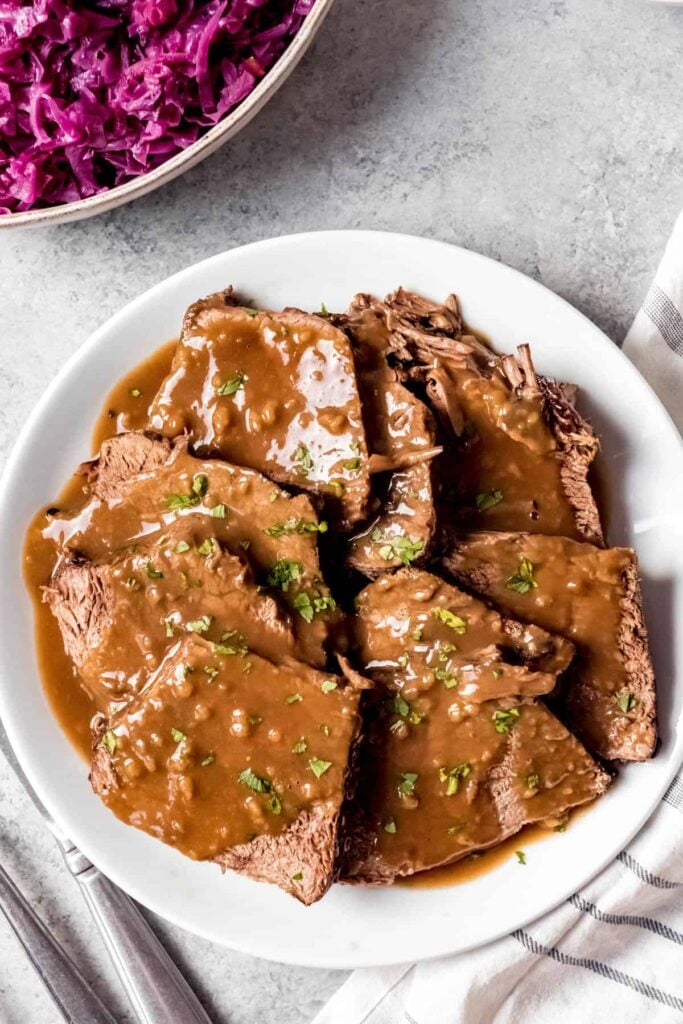
1. Sauerbraten
Sauerbraten is a classic German pot roast that stands out for its unique sweet-and-sour flavor. You marinate beef in a mixture of vinegar, wine, and spices for several days before cooking it low and slow.
The long marinating time makes even tough cuts of meat incredibly tender. When you’re ready to serve, simmer the roast until it falls apart, then use the cooking liquid to create a rich gravy.
Traditional sides include potato dumplings or spaetzle. The dish requires patience but delivers authentic German comfort food.

2. Wiener Schnitzel
Wiener Schnitzel is a classic Austrian dish that became popular in German cooking. The name means “Viennese cutlet” in German.
Pound veal cutlets thin, then coat them in breadcrumbs and fry them in butter until golden. The result is a crispy outside with tender meat inside.
While traditional versions use veal, you can also make schnitzel with pork, chicken, or turkey. Serve it with fresh lemon juice to add brightness to the rich, buttery flavor.

3. Bratwurst
Bratwurst is one of Germany’s most beloved sausages. You can make it at home using pork shoulder, spices like nutmeg and white pepper, and natural casings.
Cook bratwurst the traditional German way by simmering the sausages in beer, broth, or water with onions for about 15 minutes. This keeps them juicy and prevents the casing from splitting.
After simmering, finish them on the grill or in a pan for a crispy exterior. Serve your bratwurst with sauerkraut, mustard, and a crusty roll.

4. Spätzle
Spätzle are traditional German egg noodles from Southern Germany. Make them with just flour, eggs, milk, and salt.
Press the dough through a special tool to create small, irregular noodles. These soft noodles work well as a side dish for many meals.
Serve them with butter and herbs, or pair them with meat dishes and stews. They’re also good with mushroom sauce or cheese.
You can make fresh spätzle from scratch in about 25 minutes.

5. Rouladen
Rouladen is a classic German comfort dish featuring thin beef slices rolled around a savory filling. Mustard, bacon, onions, and pickles fill each roll.
Brown the beef rolls and then slowly simmer them in a rich gravy until they become fork-tender. This slow cooking method creates the dish’s signature melt-in-your-mouth texture.
Serve rouladen with traditional sides like potato dumplings or red cabbage. It’s perfect for cold weather dinners or special family meals.

6. German Potato Salad
German potato salad differs from the American version because it doesn’t use mayonnaise. Toss warm potatoes with a tangy vinaigrette made from bacon fat, vinegar, and mustard.
German settlers brought this recipe to America, where it became popular in Pennsylvania and the Midwest. Serve it warm, hot, or at room temperature.
The key ingredients include red or yellow potatoes, thick-cut bacon, onions, and fresh herbs. The bacon adds a smoky flavor while the vinegar creates a sweet and tangy taste.
This dish works well for picnics, barbecues, and potlucks.

7. Sauerkraut
Sauerkraut stands as one of Germany’s most recognized dishes. This fermented cabbage offers a tangy flavor that pairs well with many meals.
You can make authentic German sauerkraut with just two ingredients: cabbage and salt. The fermentation process creates probiotics that are good for your health.
Serve sauerkraut alongside sausages, pork, or potatoes for a traditional German meal. Add it to casseroles or enjoy it as a simple side dish.
The tangy taste brings a unique flavor to your table.

8. Pretzels
German pretzels, known as Laugenbrezeln or Brezeln, are a classic twisted bread with a dark brown crust and soft center. You’ll recognize them by their unique shape and golden exterior.
Traditional pretzels use a lye bath to create their signature crust. Many home recipes use a baking soda bath instead since it’s safer to work with in your kitchen.
These pretzels pair well with mustard or cheese dip. Make authentic versions at home with basic ingredients and simple techniques that bring the taste of a German bakery to your table.

9. Black Forest Cake
Black Forest Cake, known in Germany as Schwarzwälder Kirschtorte, is the country’s most famous dessert. Layer chocolate sponge cake with whipped cream and sour cherries to create this traditional treat.
The authentic recipe includes Kirsch, a cherry brandy that adds depth to the flavor. Soak the chocolate layers with this spirit before adding the cherry filling and cream.
This cake works well for birthdays, anniversaries, and special celebrations. You can make it from scratch with basic baking ingredients and fresh or jarred cherries.

10. Apple Strudel
Apple strudel is one of Germany’s most loved desserts. Layers of flaky pastry wrap around a warm filling of spiced apples, raisins, and sometimes nuts.
Make the pastry from scratch or use phyllo dough for that signature crispy texture. The apple filling uses tart apples mixed with cinnamon and sugar.
Serve it warm with whipped cream or vanilla ice cream for the best experience.
Essential Ingredients in Authentic German Cuisine
German cooking relies on simple, quality ingredients that create deep flavors and satisfying meals. Caraway seeds, potatoes, various meats, and fresh bread form the backbone of traditional dishes across Germany’s regions.
Spices and Seasonings
German cuisine uses spices thoughtfully rather than heavily. Caraway seeds appear in countless dishes, from sauerkraut to rye bread, adding a warm, slightly sweet flavor.
You’ll also find juniper berries in game dishes and sauerkraut recipes. Black pepper, nutmeg, and bay leaves season many meat dishes and stews.
Mustard plays a major role, especially the sharp, brown varieties served alongside sausages. Fresh herbs like parsley and dill appear in potato salads and fish dishes.
Paprika adds color and mild heat to certain recipes, while marjoram seasons sausages and meat dishes. German seasoning aims to enhance natural flavors rather than mask them.
Traditional Meats and Sausages
Pork dominates German meat cooking. Use it for schnitzel, roasts, and the famous bratwurst and other sausages.
Each region produces distinct sausage varieties, from smoky bratwurst to the spreadable mettwurst. Beef appears in dishes like sauerbraten, where you marinate it for days in vinegar and spices.
Ground beef and pork combine in meatballs and meat loaf dishes. Veal creates the most tender schnitzel.
Game meats like venison and wild boar feature in traditional recipes, especially in southern regions. Bacon and ham add smoky depth to potato dishes, soups, and vegetable sides.
You’ll also encounter liver and other organ meats in regional specialties.
Classic Breads and Grains
Bread holds sacred status in German cooking. Dark rye breads, pumpernickel, and whole grain varieties accompany nearly every meal.
You’ll need these hearty breads for open-faced sandwiches and to soak up rich sauces. Potatoes function almost like a grain in German cuisine.
Use them boiled, fried, mashed, or turn them into dumplings and pancakes. Wheat flour creates spätzle, the soft egg noodles served with many dishes.
Barley adds heartiness to soups and stews. Oats appear in some breakfast dishes and baked goods.
Cultural Significance of German Cooking
German cooking reflects centuries of tradition where food brings families and communities together. Recipes pass down through generations and take shape from local ingredients and seasonal availability.
Seasonal and Regional Variations
German cuisine changes dramatically based on where you are in the country. Bavaria in the south features dishes like Weisswurst and pretzels, while northern regions near the coast serve more fish and seafood.
Eastern Germany leans toward Slavic influences with heavy use of potatoes, cabbage, and pork. The seasons dictate what appears on German tables throughout the year.
Spring brings fresh asparagus, particularly white asparagus, which Germans celebrate with special menus. Summer means lighter salads and grilled meats at beer gardens.
Fall ushers in game meats and mushroom dishes. Winter features hearty stews, roasts, and Christmas specialties like Stollen and Lebkuchen.
The Rhine region grows grapes and produces wines that pair with local dishes. Mountain areas in the south have different ingredients available than the flat northern plains.
These geographic differences created distinct food cultures within Germany that remain strong today.
Popular German Food Traditions
German meals serve as social experiences rather than just eating. Sunday dinner brings families together for larger meals that often last hours.
Christmas markets feature specific seasonal foods like roasted almonds, Glühwein, and gingerbread. Beer gardens represent an important tradition where communities gather outdoors to share food and drinks.
You’ll find long communal tables where strangers sit together. These spaces encourage conversation and connection over simple dishes like pretzels, Obatzda cheese spread, and grilled sausages.
Oktoberfest showcases German food culture on a grand scale. Beyond beer, you’ll find traditional dishes like roasted chicken, pork knuckle, and potato dumplings.
Many German regions celebrate local harvest festivals with specific foods tied to their area’s agricultural heritage.
Frequently Asked Questions
German cooking raises common questions about preparation methods, ingredient choices, and meal planning. These answers will help you navigate traditional recipes and create authentic German dishes in your own kitchen.
What are some traditional German dinner recipes?
Traditional German dinners center around hearty meat dishes and savory sides. Sauerbraten serves as a classic pot roast marinated in vinegar and spices for several days before slow cooking.
Rouladen features thin beef slices rolled around bacon, onions, and pickles, then braised until tender. Wiener Schnitzel gives you a breaded and fried veal cutlet that pairs well with potato salad or spätzle.
Bratwurst offers a simpler option when you serve the grilled sausages with sauerkraut and mustard. These main dishes typically come with sides like red cabbage, potatoes, or egg noodles.
How can I make easy German desserts?
German desserts range from simple to complex, with several beginner-friendly options available. Apple strudel uses store-bought phyllo dough to simplify the process while still delivering authentic flavor.
Black Forest cake requires basic chocolate cake layers topped with cherries and whipped cream. Bienenstich, or bee sting cake, combines a yeasted cake base with honey-almond topping and custard filling.
For the easiest approach, make German pancakes in a single pan. These desserts work well for both weeknight treats and special occasions.
Can you provide a list of popular German foods?
Popular German foods include both main dishes and accompaniments that define the cuisine. Sauerbraten, Wiener Schnitzel, bratwurst, and rouladen represent the most recognized meat dishes.
Spätzle serves as the classic egg noodle side dish found throughout Germany. Sauerkraut and red cabbage provide traditional vegetable options.
Pretzels, potato pancakes, and various potato preparations round out the common sides. Schwarzwälder Kirschtorte (Black Forest cake) and apple strudel lead the dessert category.
What recipes are recommended for a German-themed potluck?
German potluck dishes should transport well and serve at room temperature or easily reheat. Bratwurst in rolls with mustard and sauerkraut gives you a portable main dish option.
Potato salad made with vinegar dressing holds up better than mayo-based versions during transport. Spätzle works as a crowd-pleasing side that you can make ahead and reheat.
Red cabbage and sauerkraut both travel well in covered dishes. For dessert, apple strudel or a sheet cake like Bienenstich feeds many people without complicated serving requirements.
Which easy German dishes are suitable for school projects?
School projects need simple recipes that students can prepare safely with basic equipment. Soft pretzels require only basic ingredients and teach simple bread-making techniques.
German pancakes bake in one pan and demonstrate how eggs create structure in baking. Spätzle shows students a unique noodle-making method using a colander or spätzle maker.
Potato pancakes use minimal ingredients and basic pan-frying skills. These recipes avoid complex techniques while still representing authentic German cooking traditions.
What are the characteristics of authentic German meals?
Authentic German meals emphasize hearty portions and rich flavors built through slow cooking methods. The cuisine relies heavily on pork, beef, and veal as protein sources.
Potatoes appear in multiple forms at nearly every meal. You might find them boiled, fried, or mashed.
Vinegar and pickling play important roles in both preserving and flavoring foods. Many dishes require marinating or braising for extended periods to develop deep flavors.
Meals typically follow a straightforward approach with a clear main protein and one or two sides. Most dishes use minimal sauces beyond pan gravies.