
Habanero peppers offer much more than just heat. They bring a unique fruity flavor that can transform ordinary dishes into memorable meals.
These recipes show you how to use habaneros in sauces, marinades, drinks, and main courses. You can control the spice level to match your preferences.
You’ll learn to work with these peppers safely and effectively. The recipes range from classic salsas and hot wings to creative options like pepper jelly and spicy margaritas.
Each dish balances the habanero’s natural heat with other ingredients. This creates flavors that work together.

1. Spicy Habanero Salsa with Fresh Tomatoes and Lime
This salsa combines habanero peppers with fresh tomatoes, onion, cilantro, and lime juice. You can roast the vegetables first for a smoky flavor or keep everything raw for a brighter taste.
The habaneros bring serious heat along with a slightly fruity note. The lime juice and tomatoes balance out the spice.
You’ll need just a few minutes to blend or chop the ingredients together. Serve this salsa with tortilla chips, tacos, or grilled meats.
Store it in your refrigerator for up to a week.

2. Jerk Chicken with Habanero Marinade
Jerk chicken combines Caribbean spices with the intense heat of habanero peppers. You can make the marinade by blending habaneros with scallions, garlic, thyme, allspice, and a touch of vinegar.
The peppers give your chicken a fiery kick while the other spices add depth. Let your chicken marinate for at least 20 minutes, though longer gives better results.
Grill the chicken until it chars on the outside and stays juicy inside. Pair it with a mango habanero sauce to balance the heat with sweetness.

3. Habanero Mango Chutney with Red Onion and Cilantro
This chutney combines sweet mangoes with spicy habanero peppers to create a balanced condiment. You’ll need diced ripe mangoes, finely chopped habanero peppers, red onion, fresh cilantro, and lime juice.
The sweetness of the mangoes balances the heat from the habaneros. You can control the spice level by adjusting how many peppers you add or by removing the seeds.
This chutney works well on cheese and cracker boards. You can also serve it with grilled meats or use it as a bread spread.

4. Habanero Hot Wings with Smoky BBQ Sauce
These wings combine heat and smoke for a bold flavor you’ll love. Coat the chicken wings with oil and spices, then grill or smoke them until the skin turns crispy.
Brush on the habanero BBQ sauce. Mix your favorite barbecue sauce with chopped habanero peppers, honey, and liquid smoke.
Let the sauce caramelize on the wings during the last few minutes of cooking. The result is sticky, spicy wings with a sweet-heat balance.
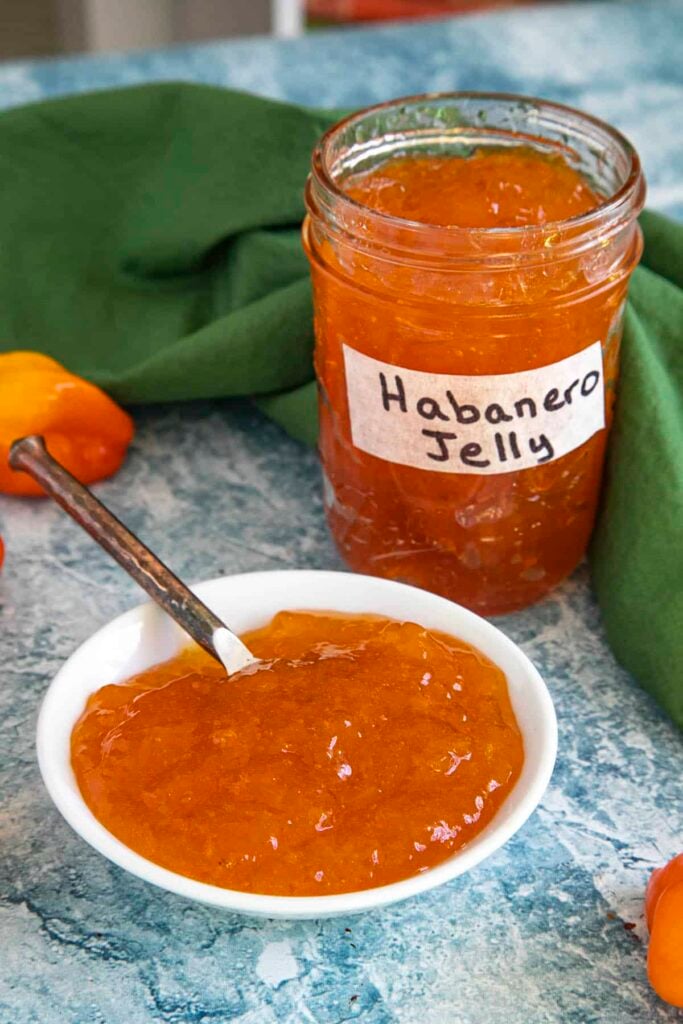
5. Habanero Pepper Jelly for Glazing and Spreads
Habanero pepper jelly offers a balanced mix of sweet and spicy flavors. Use it as a spread on biscuits or crackers with cream cheese.
It also works well as a glaze for grilled meats, fish, and sausages. The jelly pairs nicely with soft cheeses like brie or chevre on a cheese board.
Add it to grilled cheese sandwiches for extra flavor. Make your own with habaneros, sugar, vinegar, and pectin.
Some recipes include pineapple or bell peppers to add sweetness and balance the heat.

6. Grilled Shrimp Tacos with Habanero Slaw
These tacos bring together smoky grilled shrimp with a spicy cabbage slaw that packs real heat. Marinate your shrimp in habanero sauce for 30 minutes before grilling to build flavor.
The slaw combines shredded cabbage with diced habanero peppers and lime juice. This creates a crunchy topping that balances the tender shrimp.
You’ll need corn or flour tortillas, sour cream, and fresh cilantro to complete the tacos. The whole meal comes together in about 15 minutes after marinating the shrimp.

7. Habanero and Pineapple Fire-Roasted Salsa
This salsa brings together sweet pineapple and spicy habanero peppers. Roasting both ingredients creates a deeper, smoky flavor.
You can make this salsa in about 30 minutes. The pineapple adds natural sweetness that balances the habanero’s heat.
Serve it with tortilla chips or spoon it over tacos and grilled chicken. It also works well on fish and pork.

8. Creamy Habanero Cheese Dip
This dip balances the heat of habanero peppers with smooth cream cheese. You’ll need softened cream cheese, diced habanero peppers, and shredded cheddar cheese as your base ingredients.
Mix the ingredients together until well combined. Add a splash of milk if you want a thinner consistency for dipping.
The dairy products help tame the habanero’s intense heat while keeping its distinct flavor. Adjust the amount of peppers based on your heat preference.
Serve your dip with crackers, tortilla chips, or fresh vegetables.

9. Habanero-Infused Chili Con Carne
This hearty dish combines ground beef with the bold heat of habanero peppers. Cook the meat with onions, garlic, and your choice of beans for a filling meal.
The habaneros provide serious spice, so start with just one pepper if you’re new to this heat level. You can add kidney beans, black beans, or pinto beans based on what you prefer.
Season your chili with cumin and chili powder to balance the heat. Let everything simmer together so the flavors blend well.
Serve it hot with your favorite toppings.

10. Habanero Margarita with Fresh Lime Juice
A habanero margarita brings together spicy heat and tangy citrus in one drink. You’ll need tequila, fresh lime juice, orange liqueur, and sliced habanero peppers.
Muddle a few thin habanero slices in your shaker. Add ice, tequila, lime juice, and orange liqueur, then shake well.
The number of pepper slices controls the heat level. Use two slices for mild spice or four for more kick.
Rim your glass with salt and pour the strained mixture over fresh ice.
Understanding Habanero Peppers
Habaneros rank among the hottest peppers you can find at most grocery stores, measuring between 100,000 to 350,000 Scoville Heat Units. These small peppers deliver intense heat alongside a unique fruity flavor that sets them apart from other hot peppers.
Heat Profile and Flavor Notes
Habaneros pack about 76 times more heat than a jalapeño pepper. The Scoville scale measures their intensity between 100,000 and 350,000 units.
What makes habaneros special is their flavor. Beyond the heat, you’ll taste fruity and almost tropical notes.
Some varieties lean toward citrus flavors, while others have a slightly sweet, floral quality. The heat comes from capsaicin, which concentrates in the seeds and white membranes inside the pepper.
You can control the spice level in your recipes by removing these parts. The flesh of the pepper contains both heat and flavor, so don’t remove too much if you want to keep that distinct habanero taste.
Choosing the Right Habaneros
Look for peppers with smooth, firm skin and bright color. Fresh habaneros should feel heavy for their size without any soft spots or wrinkles.
The color tells you about ripeness: orange and red habaneros are fully ripe and have the most developed flavor, while green ones are less ripe and slightly more bitter. Size doesn’t indicate heat level.
Small and large habaneros from the same plant can have similar spice levels. Store fresh habaneros in your refrigerator for up to two weeks.
You can also freeze them whole or chopped for longer storage. Dried habaneros work well in recipes where you want concentrated flavor without adding moisture.
Tips for Cooking with Habaneros
Habaneros bring both intense heat and fruity flavor to your cooking. Working with them requires some knowledge.
Balancing Flavors and Heat
Habaneros contain between 100,000 and 350,000 Scoville Heat Units, making them much hotter than jalapeños. You can control the heat level by adjusting the amount you use and removing the seeds, which contain most of the capsaicin.
Start with small amounts when you’re testing a new recipe. Add one habanero at a time and taste as you go.
The pepper’s natural fruity and tropical notes pair well with sweet ingredients. Try combining habaneros with mango, pineapple, or peaches to create balance.
Citrus juice, especially lime, cuts through the heat while enhancing the pepper’s brightness. Dairy products like sour cream or cheese can mellow the spiciness.
Acids like vinegar help distribute the heat evenly throughout sauces and marinades. Adding sweet elements like honey or brown sugar creates contrast without removing the pepper’s character.
Safe Preparation Techniques
Always wear disposable gloves when cutting habaneros. The oils from these peppers can burn your skin and cause serious discomfort if they touch your eyes or face.
Use a dedicated cutting board that you can wash thoroughly afterward. Cut the peppers in a well-ventilated area, as the fumes can irritate your respiratory system.
Never touch your face, eyes, or any sensitive areas while handling habaneros, even with gloves on. Wash your hands, utensils, and cutting board with soap and hot water immediately after preparation.
Some people prefer to wash their equipment twice to make sure all the capsaicin oils are removed. If you get habanero oil on your skin, wash the area with dish soap rather than regular hand soap, as it breaks down oils more effectively.
Frequently Asked Questions
Habanero peppers offer intense heat and fruity flavor that work in many different recipes. Understanding how to handle, prepare, and store these peppers helps you use them safely and effectively in your cooking.
What are some creative uses for habanero peppers in vegetarian dishes?
You can dice habaneros into grain bowls with roasted vegetables and quinoa for a spicy kick. They work well in black bean burgers when minced finely and mixed into the patty mixture.
Try adding small amounts to vegetable stir-fries with bell peppers and snap peas. Habaneros blend smoothly into creamy soups like butternut squash or cauliflower soup.
You can also fold them into veggie tacos with grilled portobello mushrooms and avocado. For a milder option, remove the seeds before adding habaneros to any dish.
How can I properly prepare and cook habanero peppers for chicken recipes?
Always wear gloves when handling habaneros because the capsaicin oil stays on your skin for hours. Wash your hands thoroughly after touching the peppers even with gloves on.
Remove the stem and decide whether to keep the seeds based on your heat preference. For marinades like jerk chicken, blend whole habaneros with other ingredients until smooth.
You can also mince them finely and mix them into BBQ sauces or glazes. Start with one pepper and add more based on your heat tolerance.
What are the steps to make a homemade habanero jam?
Combine chopped habaneros with sugar, pectin, and vinegar in a large pot. The typical ratio uses about 6-8 habaneros for every 2 cups of sugar.
Add the peppers to the sugar mixture and bring it to a rolling boil. Stir constantly for about 10 minutes until the mixture thickens.
Pour the hot jam into sterilized jars and seal them immediately. The jam needs to cool completely before you store it in the refrigerator or process it for shelf storage.
Can you provide tips for roasting habanero peppers to enhance their flavor?
Place whole habaneros on a baking sheet and broil them on high for 5-7 minutes per side. Watch them carefully because they can burn quickly.
The skin should blister and char in spots. You can also roast habaneros directly over a gas flame using tongs.
Turn them frequently until all sides are charred. After roasting, place the peppers in a covered bowl for 10 minutes to steam, which makes the skin easier to remove.
How should I store habanero peppers from my garden to maintain their freshness?
Fresh habaneros last 1-2 weeks in the refrigerator when you store them in a paper bag or perforated plastic bag. Keep them in the crisper drawer away from moisture.
Check them regularly and remove any peppers that show soft spots or mold.
For longer storage, you can freeze whole habaneros in freezer bags for up to 6 months. You can also dry habaneros in a dehydrator or low oven to preserve them for up to a year.
Pickling habaneros in a vinegar brine keeps them fresh for several months in the refrigerator.
What are the health implications of regularly incorporating habaneros into my meals?
Habaneros contain capsaicin, which may boost metabolism and reduce inflammation. This compound can also trigger the release of endorphins.
Some people experience digestive discomfort when they eat hot peppers regularly. If you’re not used to spicy foods, start with small amounts.
Habaneros can irritate your stomach lining if you eat them in large quantities. People with acid reflux or sensitive stomachs should use caution when adding habaneros to their diet.