
Haitian cuisine combines African, French, Spanish, and Caribbean influences to create dishes with bold and satisfying flavors. The cooking traditions passed down through generations feature a mix of tender meat dishes, seasoned rice, hearty stews, and traditional soups that reflect Haiti’s rich cultural history.
You’ll find that these recipes use simple ingredients prepared with specific techniques that bring out deep, memorable flavors.
This collection of authentic Haitian recipes will guide you through making classic dishes at home, from marinated fried pork to spiced vegetable pickles and traditional holiday soups. Whether you want to try your first Haitian meal or expand your Caribbean cooking skills, these recipes cover the essential dishes that define Haiti’s food culture.
You’ll learn about the key ingredients that make these dishes unique and the cooking methods that give them their character.
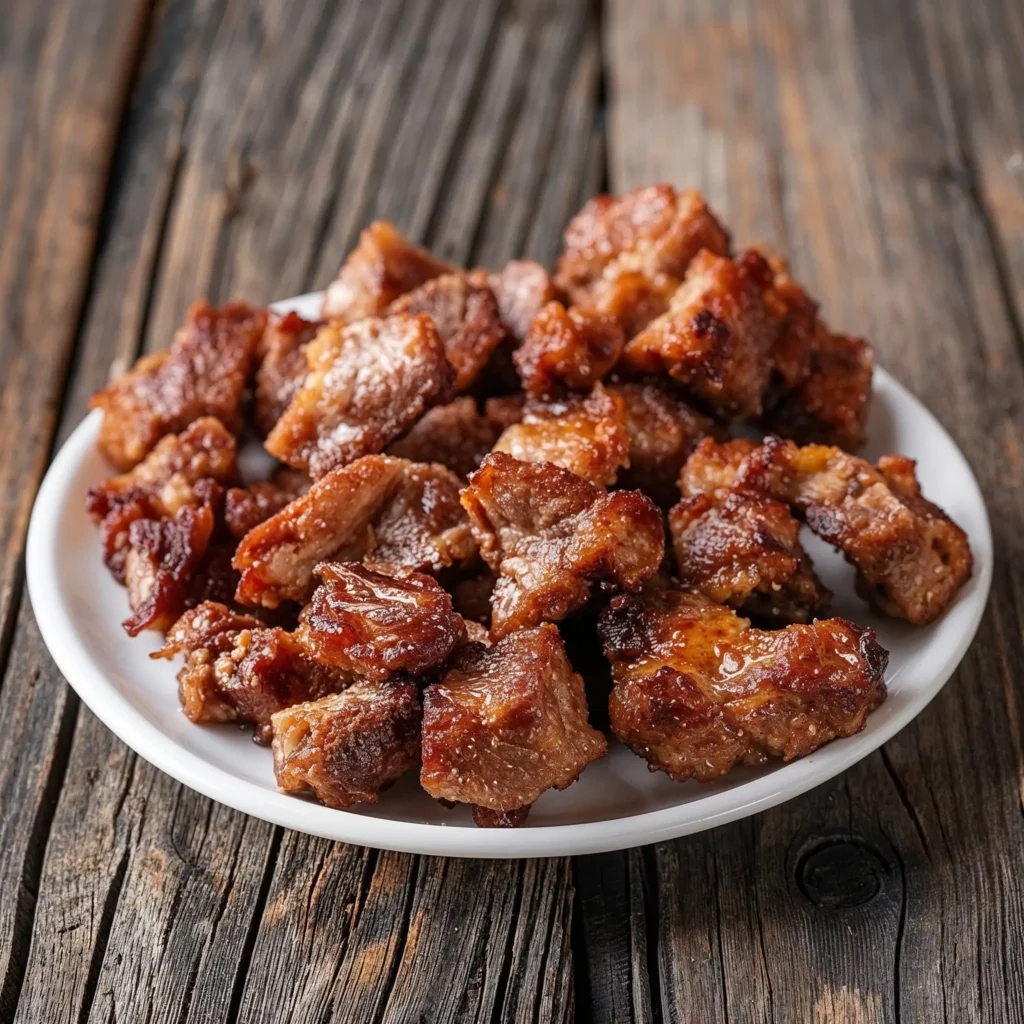
1. Griot – Fried marinated pork
Griot is one of Haiti’s most popular dishes. You’ll find this crispy fried pork at parties, special occasions, and holiday celebrations.
The dish starts with pork shoulder cut into chunks. You marinate the meat in citrus juice, garlic, and herbs.
After marinating, you boil the pork until it becomes tender. Then you fry the pieces until they turn crispy and golden brown.
This creates a contrast between the crunchy outside and juicy inside. Griot is typically served with pikliz and fried plantains.

2. Soup Joumou – Traditional squash soup
Soup Joumou is Haiti’s most important dish. You’ll find it served every New Year’s Day to celebrate Haiti’s independence from France in 1804.
The soup features a smooth squash base mixed with beef or oxtail. You add vegetables like carrots, cabbage, and potatoes along with pasta.
The broth gets its flavor from warm spices and aromatic seasonings. This is a hearty one-pot meal that works well for breakfast or lunch.

3. Diri ak Djon Djon – Black mushroom rice
This special Haitian rice dish gets its dark color from djon djon mushrooms. These rare mushrooms grow only in Haiti and give the rice an earthy flavor.
You’ll cook the rice in a dark broth made from the dried mushrooms. The result is striking black rice that tastes rich and savory.
Haitian families usually make this dish for celebrations and Sunday dinners. You can serve it with your choice of meat and fried plantains for a complete meal.

4. Tasso Kabrit – Spicy fried goat
Tasso Kabrit is fried goat meat that stands out in Haitian cuisine. You marinate the goat in traditional Haitian spices and epis, then fry it until it gets crispy on the outside while staying tender inside.
The dish works well as part of a fritay platter. You can serve it with pikliz and fried plantains for a complete meal.
If you don’t eat pork, this makes a great alternative to griot. The strong flavors from the marinade give the meat its distinctive taste.

5. Pikliz – Spicy pickled vegetables
Pikliz is Haiti’s most popular condiment. You’ll find this spicy pickled slaw on tables across the country.
The base includes shredded cabbage, carrots, onions, and scallions. Scotch bonnet or habanero peppers bring the heat.
Everything sits in a tangy vinegar and lime juice mixture. You can store pikliz in your pantry for months.
The flavors get better as it marinates. Spoon it over fried pork, grilled fish, or roasted chicken.
It adds crunch and heat to sandwiches and tacos too.
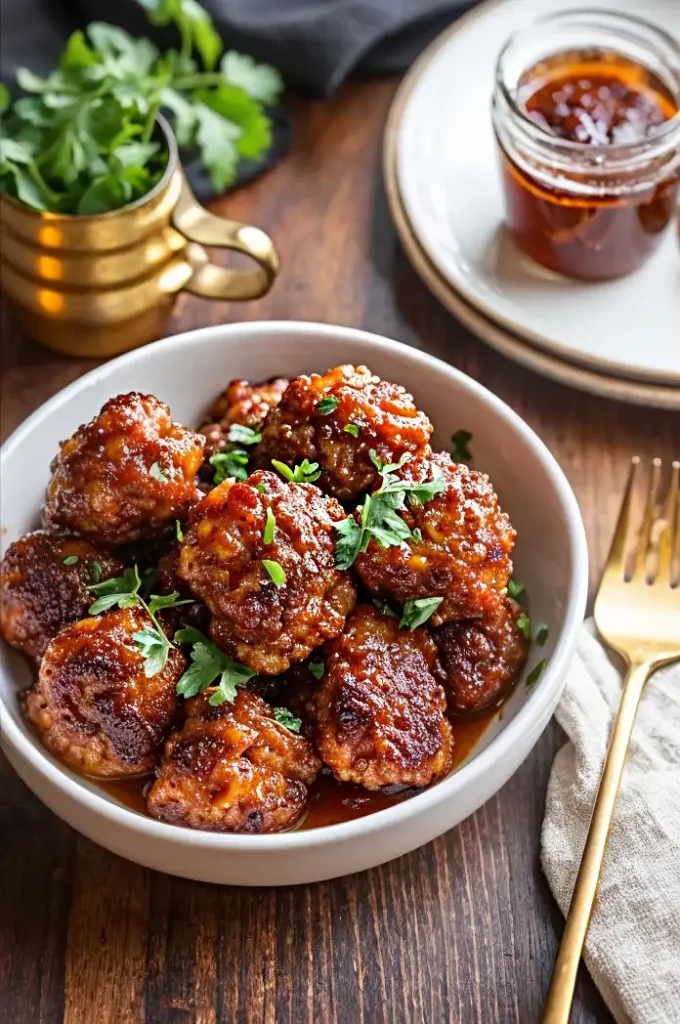
6. Boulettes – Haitian meatballs
Boulettes are seasoned ground beef meatballs that bring bold Caribbean flavors to your table. You’ll make them with epis, a Haitian herb blend, along with onions, garlic, bell peppers, and spices.
Fry these meatballs until golden, then simmer them in a tomato-based sauce. The result is tender, flavorful meat with a slight kick of heat.
You can serve boulettes with white rice, rice and beans, or fried plantains. They work well as a main dish or party appetizer.
If you prefer less spice, simply reduce the hot peppers in your recipe.

7. Mayi Moulen ak Sos Pwa – Cornmeal with bean sauce
This traditional Haitian dish pairs creamy cornmeal with rich bean sauce. You’ll find it served throughout Haiti as a comforting everyday meal.
The cornmeal porridge gets its smooth texture from coarse-ground corn cooked with garlic and herbs. The bean sauce typically uses black beans or red kidney beans blended with coconut milk.
You can enjoy this dish at breakfast, lunch, or dinner. Many Haitians serve it with sliced avocado on the side.
The combination offers both nutrition and flavor in one simple plate.

8. Pain Patate – Haitian sweet potato bread
Pain Patate is a traditional Haitian dessert that’s actually more like a pudding than bread. You make it with white sweet potatoes, coconut milk, and warm spices.
The texture is soft and creamy with a rich, comforting flavor. Many Haitian families serve this dish during holidays and special gatherings.
You’ll find recipes that include bananas, evaporated milk, and sugar. Some versions have a flaky crust, while others are more like a simple baked pudding.
Shred the sweet potatoes and mix them with the other ingredients before baking.

9. Lambi – Stewed conch
Lambi is a traditional Haitian conch stew that appears at celebrations and family gatherings. You start by tenderizing the conch meat, then slow-cook it in a tomato-based sauce with onions, garlic, and thyme.
The dish gets its kick from scotch bonnet peppers and aromatic epis seasoning. Simmer everything until the conch becomes tender and soaks up all the flavors.
Serve your lambi with white rice and fried plantains for a complete meal. The stew delivers a perfect balance of seafood flavor with Caribbean spices.

10. Tchaka – Corn and bean stew
Tchaka stands as one of Haiti’s most popular national dishes. This hearty stew combines dried corn, red beans, and pork in a flavorful broth.
The dish gets its rich taste from garlic, citrus, chili pepper, and fresh herbs like thyme and parsley. Slow-cook it to bring out the best flavors.
Haitian families often serve tchaka at gatherings and celebrations. The stew is filling and packed with nutrients from the beans and corn.
Essential Ingredients in Haitian Cuisine
Haitian cooking relies on a distinct set of ingredients that create its signature bold flavors. The cuisine centers around fresh herbs, hot peppers, and basic staples that form the foundation of almost every dish.
Traditional Herbs and Spices
Epis stands as the most important seasoning in Haitian cooking. This chunky green paste combines fresh parsley, garlic, bell peppers, scallions, thyme, and Scotch bonnet peppers.
You’ll find it in nearly every savory dish, from rice to stews. Scotch bonnet peppers bring intense heat and fruity flavor to Haitian food.
These small, lantern-shaped peppers are much hotter than jalapeños but add more than just spice. Fresh thyme appears in most recipes alongside dried varieties.
Haitian cooks use thyme generously to add earthy, aromatic notes. Other key seasonings include cloves, which add warmth to meat dishes, and parsley, which provides fresh, bright flavor to the epis base.
Black pepper, salt, and bouillon cubes round out the spice cabinet in most Haitian kitchens.
Foundational Pantry Staples
Rice forms the backbone of Haitian meals. You’ll cook it plain or prepare it with beans, mushrooms, or other ingredients to create complete dishes.
Beans appear in two main varieties: red kidney beans and small black beans. Haitians cook these beans into sauces that mix with rice or serve them in thick, seasoned pots.
Cornmeal makes traditional sides and porridges. You’ll use it to prepare mayi moulen and other classic accompaniments.
Cassava, plantains, and yams serve as starchy vegetables that appear alongside main dishes. These ingredients come from Haiti’s African and Taíno roots.
Tomato paste adds depth and color to sauces and stews. You’ll also need cooking oil, lime juice, and vinegar for authentic Haitian flavors.
Cooking Techniques Unique to Haitian Food
Haitian cooking relies on patient marination with bold spice blends and slow-cooked stews that build deep, layered flavors. These methods come from a mix of African, French, and Caribbean traditions that define the cuisine.
Marination and Seasoning Methods
Haitian cooks use a technique called “epis” as the foundation for most dishes. This is a wet marinade made from blended peppers, garlic, onions, parsley, and thyme.
Mix these ingredients into a paste and coat your meat or fish hours before cooking. The most common spices you’ll find in Haitian marinades include scotch bonnet peppers, garlic cloves, and fresh thyme.
These create the bold, intense flavors the cuisine is known for. Let your proteins sit in these seasonings for at least two hours, though overnight works better.
Key marinade ingredients:
- Scotch bonnet peppers for heat
- Fresh garlic and onions
- Parsley and thyme
- Sour orange or lime juice
- Salt and black pepper
Many recipes also call for a dry rub before the wet marinade. This double-seasoning method ensures flavor penetrates all the way through your meat.
Stewing and Simmering Traditions
Haitian stews use one-pot cooking methods that trace back to African culinary traditions. Brown your marinated meat first, then add liquid and vegetables to simmer slowly.
This technique builds rich sauces while making tough cuts of meat tender. The key to authentic Haitian stews is low heat and long cooking times.
Plan for at least 90 minutes of simmering for most dishes. During this time, the spices from your marinade blend with the cooking liquid to create a thick, flavorful sauce.
Common stewing techniques:
- Brown meat in oil before adding liquid
- Use low heat for extended periods
- Add vegetables in stages based on cooking time
- Stir occasionally to prevent sticking
Popular stewed dishes like poule en sauce (chicken stew) rely on this slow-cooking approach. The result is meat that falls off the bone and sauce that coats each piece perfectly.
Frequently Asked Questions
Haitian cooking brings together African, French, and indigenous flavors to create dishes that work for both weeknight meals and special occasions. These common questions will help you get started with making authentic Haitian food at home.
What are some traditional Haitian dishes to serve for dinner?
Griot makes an excellent dinner choice with its crispy fried pork that’s been marinated in citrus and spices. You can pair it with diri ak djon djon, a fragrant black mushroom rice that adds an earthy flavor to your plate.
Tasso kabrit offers a spicy option if you want to serve fried goat meat. Soup joumou works well as a main course, especially for special gatherings, since it’s a hearty squash soup with beef and vegetables.
Most Haitian dinners include rice and beans as a base, with your choice of meat and pikliz on the side.
Can you suggest vegetarian options from Haitian cuisine?
Diri ak pwa, which is rice and beans cooked together, serves as a filling vegetarian main dish. You can make it with red beans or black beans depending on your preference.
Legume is a vegetable stew that traditionally includes meat but works well without it. Cook eggplant, cabbage, carrots, and spinach in a seasoned tomato base.
Pikliz adds spice to any vegetarian meal as a pickled vegetable condiment. Fried plantains and cornmeal sides round out vegetarian Haitian meals.
These dishes give you the authentic flavors without meat.
What are the easiest Haitian recipes for beginners?
Pikliz is one of the simplest recipes to start with. You just shred cabbage, carrots, and peppers, then pickle them in vinegar with spices.
It requires no cooking. Pikliz gets better as it sits in your refrigerator.
Basic diri ak pwa only needs rice, beans, and a few seasonings. You cook everything in one pot, which makes cleanup easy.
Fried plantains take just a few minutes in a pan with some oil.
Epis, the base seasoning paste used in many Haitian dishes, can be made ahead and stored. Once you have epis ready, you can use it to flavor simple dishes like chicken or fish.
Which Haitian recipes that feature chicken are considered the most flavorful?
Poulet aux noix uses chicken cooked in a cashew sauce that creates a rich, nutty flavor. The chicken marinates in epis before cooking, which builds layers of taste.
Grilled Haitian chicken with pikliz gives you citrus-marinated meat with a spicy pickled topping. The combination of the tangy marinade and the heat from pikliz makes this dish stand out.
You can also make chicken in a Creole sauce with tomatoes, peppers, and onions for a classic preparation.
How can one find authentic Haitian food recipes with pictures for reference?
You can look for Haitian cookbooks that include photos with each recipe. “Haitian Cookbook: A Beginner’s Guide” by Karielyn Tillman provides step-by-step instructions with visual guides.
Food blogs focused on Haitian cuisine often show photos of each cooking stage. You’ll see what the epis should look like, how dark the griot should be when fried, and the right consistency for soup joumou.
YouTube channels dedicated to Haitian cooking give you video demonstrations that show techniques in real time.
Could you provide a list of Haitian dishes that are quick to prepare?
Fried fish takes only 15-20 minutes from start to finish. You season it simply and fry until crispy.
Scrambled eggs with tomatoes and peppers, known as eggs Creole-style, cook in under 10 minutes.
Fried plantains need about 5 minutes per side in hot oil.
Pikliz requires no cooking time once you’ve chopped the vegetables.
You can make a quick version of rice and beans using canned beans instead of dried ones. This cuts the cooking time down to about 30 minutes.