
Halibut is a mild, flaky white fish that works well with many different cooking methods and flavors. Its firm texture holds up whether you bake, grill, pan-sear, or wrap it in prosciutto.
You can dress it up for a special dinner or keep it simple for a weeknight meal. This collection gives you recipes for every skill level and occasion, from crispy fish and chips to elegant butter-roasted fillets.
You’ll also find helpful tips for cooking halibut perfectly every time and suggestions for what to serve alongside it. Plan on about one pound of halibut for every two adults when shopping for your meal.
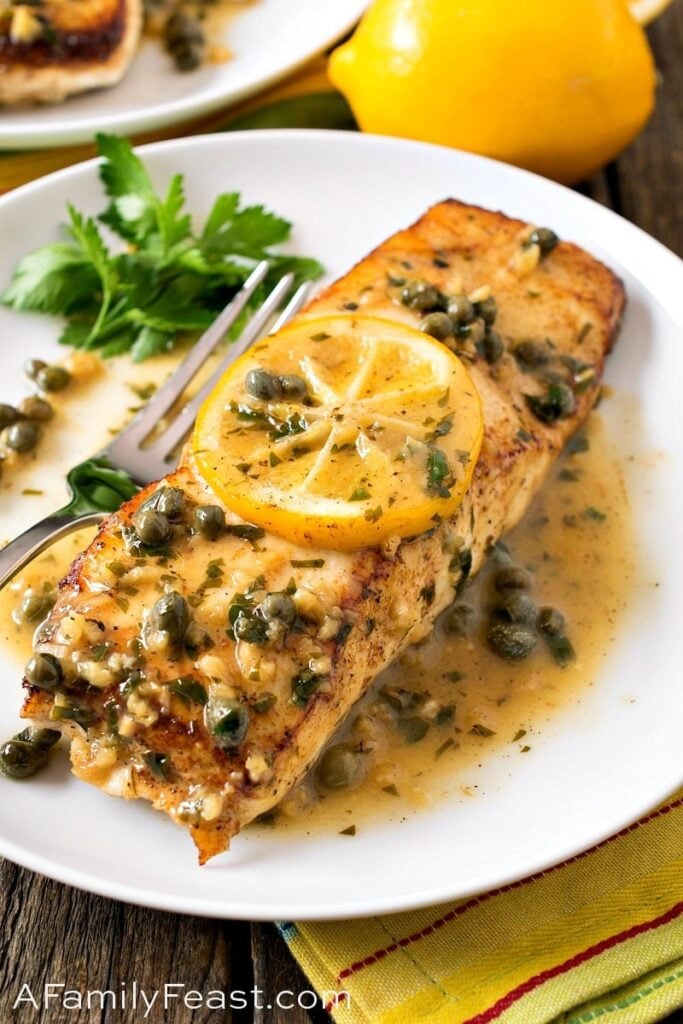
1. Pan-Seared Halibut with Lemon Butter Sauce
This recipe gives you restaurant-quality fish in about 20 minutes. You’ll get a golden, crispy crust on the outside while keeping the fish tender and flaky inside.
The lemon butter sauce uses simple ingredients you probably already have. Butter, garlic, lemon juice, and fresh herbs come together to make a rich topping that brings out the mild flavor of halibut.
You only need one pan for this dish. Season your halibut with salt and pepper, sear it until golden, then add the sauce ingredients to the same pan.

2. Baked Halibut with Herb Butter
This recipe delivers flaky, tender fish with minimal effort. You’ll coat halibut fillets with butter mixed with fresh herbs like parsley, dill, or thyme.
The butter creates a protective layer that keeps the fish moist while baking. You can add garlic and lemon zest to the herb butter for extra flavor.
Bake the fish at a moderate temperature, around 375°F, for 12-15 minutes. The halibut is done when it flakes easily with a fork and turns opaque white.

3. Grilled Halibut Tacos with Mango Salsa
You can prepare these tacos in about 30 minutes, making them perfect for busy weeknights. The halibut stays firm on the grill and breaks into large, tender pieces that fill your tortillas well.
Season your halibut fillets simply before grilling. A honey-lime marinade works well if you want extra flavor that caramelizes nicely.
Top your grilled fish with fresh mango salsa for a sweet contrast. Add shredded cabbage for crunch and finish with lime crema or sliced avocado.
Warm corn tortillas hold everything together.

4. Parmesan-Crusted Halibut
This recipe combines tender halibut with a golden, crispy topping. The crust features parmesan cheese, breadcrumbs, and garlic mixed with butter and olive oil.
You can have this dish ready in about 30 minutes. The preparation is straightforward, making it suitable for weeknight dinners.
The parmesan creates a savory flavor while the breadcrumbs add texture. Baking the fish keeps it moist inside while crisping the outside.
You can prepare the crust mixture ahead of time and store it in your refrigerator for up to 24 hours.

5. Prosciutto-Wrapped Halibut Fillets
Wrapping halibut in prosciutto creates a dish that looks fancy but takes only 30 minutes to make. The salty prosciutto adds flavor while keeping the fish moist during cooking.
You can prepare this recipe with a simple herb-caper butter or pair it with asparagus sauce. Season your fillets with salt and pepper, wrap them in thin prosciutto slices, then pan-sear or roast until the fish is cooked through.
The prosciutto gets crispy on the outside while the halibut stays tender. You can also use cod or sea bass if halibut isn’t available.

6. Butter-Roasted Halibut with Asparagus
This recipe combines mild, flaky halibut with fresh asparagus in a simple butter sauce. You roast everything together in one pan, which makes cleanup easy.
The butter keeps the fish moist while it cooks. You can add garlic, lemon, or fresh herbs to build more flavor.
Some versions include olives or spring onions for extra taste. The asparagus cooks at the same rate as the fish.
You’ll need about 15 to 25 minutes in the oven, depending on how thick your fillets are. The fish is done when it turns opaque in the center.

7. Halibut Chowder with Corn and Potatoes
This creamy chowder combines tender halibut chunks with sweet corn and diced potatoes. You’ll start by sautéing onions, carrots, and celery in butter until soft.
Add your potatoes and broth, then simmer until the potatoes become tender. The halibut goes in last since it cooks quickly.
Many recipes include bacon for a smoky flavor. You can use milk or half-and-half for the creamy base.
Season with salt and pepper to taste.

8. Crispy Halibut Fish and Chips
Halibut makes excellent fish and chips because it stays flaky inside while getting crispy on the outside. You can coat the fish in panko breadcrumbs or use a beer batter for that golden, crunchy texture.
The key is getting your oil to the right temperature before frying. This helps the coating turn crispy without making the fish greasy.
You can also make this dish in an air fryer for a lighter version that still delivers good crunch. Serve your crispy halibut with thick-cut fries and tartar sauce for a complete meal.

9. Halibut Steaks with Garlic and Thyme
This recipe combines two classic flavors that work perfectly with halibut’s mild taste. You’ll want thick-cut steaks for the best results.
The garlic and thyme create a simple but flavorful coating. You can grill or pan-sear the steaks depending on your preference.
Season your halibut with salt and pepper first. Then add minced garlic and fresh thyme leaves before cooking.
A squeeze of lemon juice at the end brightens everything up. The steaks cook quickly, usually about 4-5 minutes per side.
They’re done when the fish flakes easily with a fork.

10. Honey-Glazed Halibut with Roasted Vegetables
This dish brings together mild halibut with sweet honey and colorful vegetables. You can prepare it in about 30 minutes, making it perfect for busy weeknights.
The honey creates a light glaze that adds sweetness without covering up the fish’s natural flavor. Pair your halibut with roasted broccoli, carrots, or cauliflower for a complete meal.
You’ll need basic ingredients like honey, halibut fillets, and your choice of vegetables. The fish bakes quickly, usually in 15 to 20 minutes at the right temperature.
Cooking Tips for Perfect Halibut
Great halibut starts with quality fish and proper technique. The right preparation methods and attention to detail help you avoid dry, overcooked fish and achieve restaurant-quality results at home.
Selecting the Freshest Halibut
Fresh halibut should smell clean and slightly oceanic, never fishy or ammonia-like. Look for flesh that appears translucent and slightly shiny, with a firm texture that springs back when you press it gently.
The color should be pure white or slightly off-white. Avoid any fillets with yellowing, which indicates age.
If you’re buying whole fish, check that the eyes are clear and bright, not cloudy or sunken. Ask your fishmonger when the halibut arrived.
Fish that’s been on ice for more than two days will lose moisture and flavor. Frozen halibut can be a good option if it was flash-frozen on the boat, as this preserves the texture and taste better than “fresh” fish that’s been sitting for days.
Purchase fillets that are similar in thickness so they cook evenly. Aim for pieces that are at least 1 inch thick, as thinner cuts dry out quickly during cooking.
Essential Prep Techniques
Pat your halibut completely dry with paper towels before cooking. Surface moisture prevents proper browning and creates steam instead of a nice sear.
Season your fish 15-20 minutes before cooking and let it sit at room temperature. This helps the seasoning penetrate the flesh and ensures even cooking from edge to center.
Salt and pepper are often enough, though you can add herbs or spices based on your recipe. Remove any remaining bones by running your fingers along the fillet and pulling them out with clean tweezers.
Check the thicker center portion where pin bones usually hide. For even cooking, bring your halibut to room temperature before it hits the heat.
Cold fish straight from the refrigerator won’t cook evenly and the outside can overcook while the inside stays underdone.
Common Mistakes to Avoid
Overcooking is the biggest mistake with halibut. The fish is done at an internal temperature of 125°F, when it’s still slightly translucent in the center.
It will continue cooking after you remove it from heat, reaching 130-135°F as it rests. Don’t flip your fish multiple times.
Whether you’re pan-searing or grilling, flip once to develop a good crust and prevent the delicate flesh from breaking apart. Avoid using high heat for extended periods.
Medium-high heat works best for most cooking methods. Too much heat causes the proteins to seize up and squeeze out moisture, leaving you with dry, tough fish.
Watch for these warning signs:
- White albumin (protein) oozing from the surface means you’re cooking too hot or too long
- The fish flakes apart easily when raw, indicating it wasn’t fresh
- Sticking to the pan means you moved it too soon or didn’t use enough fat
Never walk away from cooking halibut. The window between perfectly done and overcooked is only 1-2 minutes.
Stay nearby and check the temperature frequently, especially toward the end of cooking.
Pairing Suggestions for Halibut Dishes
Halibut’s mild flavor and firm texture work well with crisp white wines and fresh side dishes. The right pairings enhance the fish without overpowering its delicate taste.
Recommended Wine Pairings
White wines are your best choice for halibut because their acidity balances the fish’s richness. Sauvignon Blanc offers crisp, herbal notes that complement halibut’s clean flavor.
This wine’s brightness cuts through butter-based sauces while highlighting the fish’s natural sweetness. Chardonnay works particularly well with grilled or pan-seared halibut.
Choose an unoaked version for lighter preparations or a lightly oaked style if you’re serving the fish with cream sauces. Pinot Grigio provides another excellent option with its refreshing citrus notes.
You can also try Albariño, a Spanish white wine with mineral qualities that pair nicely with halibut. For richer preparations, a white Burgundy adds elegance to your meal.
Side Dishes That Complement Halibut
Rice pilaf makes a satisfying accompaniment to halibut. Mix rice with celery, carrots, and onions for a dish that adds texture without competing with the fish’s flavor.
Lemon couscous offers a lighter option that brings bright citrus notes to your plate. Roasted vegetables are a simple, healthy choice.
Try asparagus, Brussels sprouts, or green beans tossed with olive oil and roasted until tender. These vegetables add color and nutrition to your meal.
Potatoes work well in various forms. Mashed potatoes create a creamy base, while roasted fingerlings add a crispy element.
You can also serve steamed or sautéed spinach as a quick green side that doesn’t overshadow the halibut.
Frequently Asked Questions
How can I prepare halibut in a way that is both healthy and flavorful?
Baking and grilling are two of the healthiest cooking methods for halibut. These techniques require minimal added fat while keeping the fish moist and tender.
You can brush your halibut with a small amount of olive oil and season it with fresh herbs like dill, parsley, or thyme. Adding lemon juice before or after cooking enhances the flavor without extra calories.
For grilled halibut, use a light marinade or simply season with salt, pepper, and garlic. The high heat creates a slightly charred exterior while keeping the inside flaky and moist.
What are some fine dining-inspired halibut recipes for special occasions?
Prosciutto-wrapped halibut fillets create an elegant presentation with rich, savory flavors. The prosciutto adds a salty contrast to the mild fish and becomes crispy when baked.
Parmesan-crusted halibut offers another upscale option with a golden, crispy coating. Mix parmesan with breadcrumbs and herbs for extra texture and taste.
Pan-seared halibut with lemon butter sauce delivers restaurant-quality results in about 15 minutes. The butter sauce adds richness while the lemon keeps the dish balanced and bright.
Which sauces complement the taste of halibut without overpowering it?
Lemon butter sauce is a classic choice that enhances halibut’s natural flavor. The combination of butter, fresh lemon juice, and garlic creates a light yet rich accompaniment.
Herb-based sauces add freshness without heaviness. Make a simple sauce with olive oil, minced garlic, and fresh herbs like basil or cilantro.
Light cream sauces with white wine or capers also pair nicely with halibut. Keep these sauces thin and delicate rather than thick and heavy.
What are Ina Garten’s most popular halibut recipes?
Ina Garten typically focuses on simple preparations with high-quality ingredients. She often uses fresh herbs, good olive oil, and bright citrus flavors.
Her recipes emphasize proper cooking techniques rather than complicated sauces. This approach lets the quality of the fish shine through.
Many of her halibut dishes include roasted vegetables or a light salad as accompaniments. These sides keep the meal fresh and balanced.
Can you suggest some top-rated baked halibut recipes?
Baked halibut with herb butter is a consistently popular recipe. Place pats of seasoned butter on top of the fish before baking, which melts and bastes the halibut as it cooks.
A simple baked halibut with lemon and garlic takes less than 20 minutes in the oven. Season your fish, add thin lemon slices on top, and bake at 400°F until the flesh turns opaque and flakes easily with a fork.
Parmesan-crusted baked halibut combines cheese, breadcrumbs, and herbs pressed onto the fillet before baking. This creates a golden crust while keeping the fish moist underneath.
What are the secrets to achieving perfect pan-seared halibut as done by celebrity chefs?
Start with a very hot pan to get a good sear on the outside. Heat your pan over medium-high heat and add oil or butter just before adding the fish.
Pat your halibut fillets completely dry with paper towels before cooking. Moisture on the surface creates steam instead of a crispy crust.
Don’t move the fish once it hits the pan. Let it cook undisturbed for 3-4 minutes on the first side until a golden crust forms.
Flip it once and cook for another 2-3 minutes. The halibut is done when it turns opaque and flakes easily with a fork.