
Guatemalan food brings together centuries of Mayan traditions with Spanish, African, and Caribbean influences to create a unique and flavorful cuisine. The country’s dishes feature staple ingredients like corn, beans, rice, and fresh vegetables combined with savory meats and aromatic spices.
Guatemalan cooking offers both comfort and variety through hearty stews, handmade tamales, and vibrant street food favorites. You’ll discover new flavors and connect with Guatemalan heritage by preparing these dishes at home.
This collection of recipes will help you prepare authentic Guatemalan dishes in your own kitchen, from popular classics like Pepián and Jocón to traditional favorites like Chuchitos and Tamales. You’ll learn about the cooking techniques that make these dishes special and understand the cultural significance behind Guatemala’s rich food traditions.
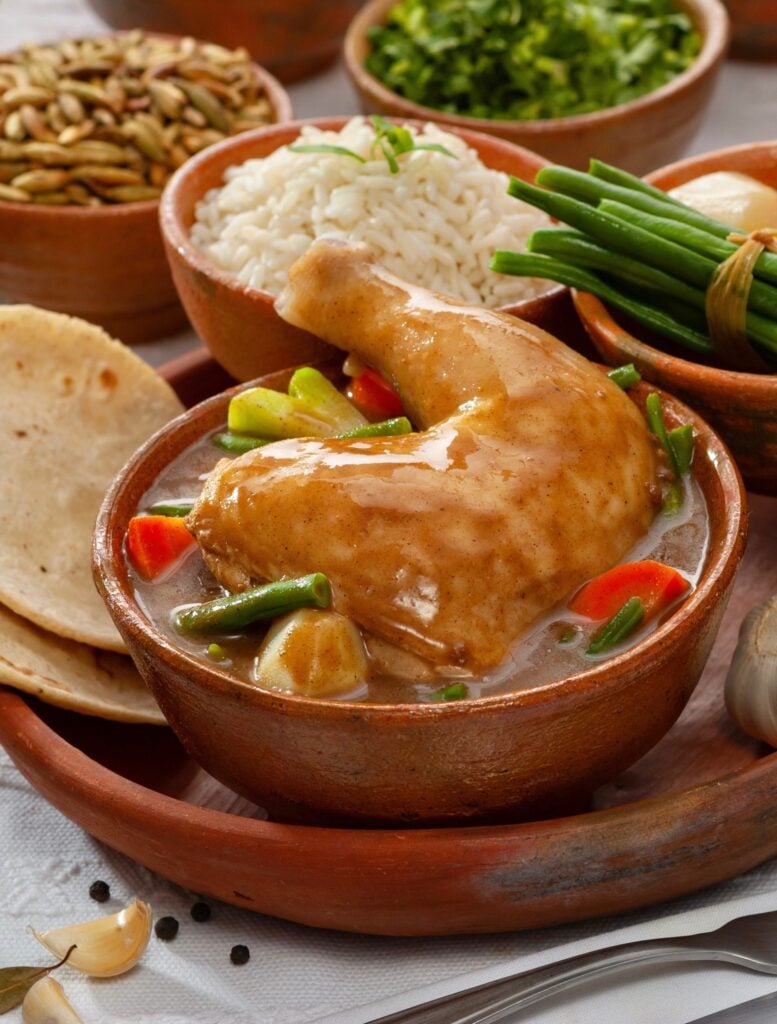
1. Pepián
Pepián is Guatemala’s most iconic stew and one of the oldest dishes in the country. This thick, hearty recipe combines Mayan and Spanish influences into a rich blend of flavors.
You make it by roasting and grinding seeds like sesame and pepitas, then mixing them with chiles, tomatoes, and spices. The stew typically includes chicken or meat along with vegetables.
Serve this savory dish over rice with warm tortillas on the side.
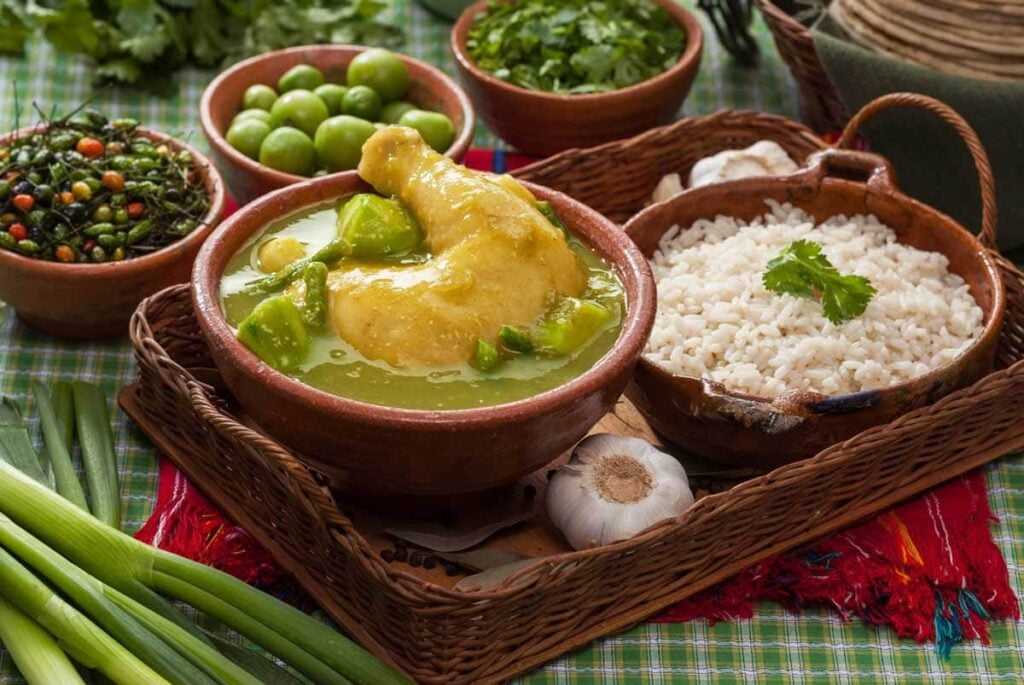
2. Jocón
Jocón is a traditional Guatemalan chicken stew with roots in Mayan culture. The dish gets its name from the K’iche’ Mayan word “jok’,” which means to grind or mash.
This stew has a bright green color from tomatillos, cilantro, and green onions blended together. These ingredients create a tangy, fresh sauce that coats tender chicken pieces.
Serve it over rice or with warm corn tortillas for an authentic Guatemalan meal.

3. Hilachas
Hilachas is a traditional Guatemalan shredded beef stew. The name means “rags” or “threads” in Spanish, which describes the tender shredded beef perfectly.
Simmer the beef in a rich tomato-based sauce with potatoes and aromatic spices. The dish takes time to cook but the preparation is simple.
You can make hilachas in an Instant Pot or slow cooker to save effort. Serve it with rice and warm tortillas.

4. Chuchitos
Chuchitos are small tamales that hold a special place in Guatemalan cuisine. These corn husk-wrapped bundles come filled with seasoned pork or chicken and a tomato-based sauce called recado.
The masa dough gives them their soft texture, while the filling provides savory flavor. You’ll find chuchitos at family gatherings and street food stands throughout Guatemala.
Making chuchitos at home takes some time, but the process is straightforward. The traditional recipe uses simple ingredients to create this beloved dish.

5. Tamales
Guatemalan tamales are a beloved staple in the country’s cuisine. They blend Mayan traditions with Spanish influences to create something truly special.
These tamales differ from Mexican versions in their preparation and flavors. The masa is often lighter and fluffier.
You’ll find them filled with seasoned pork or chicken, wrapped in banana leaves instead of corn husks. The filling typically includes a rich recado sauce made with tomatoes, peppers, and spices.
Spanish olives and capers add a distinctive touch that sets Guatemalan tamales apart.

6. Guatemalan Enchiladas (Jardineras)
Guatemalan enchiladas are completely different from Mexican enchiladas. You start with a crispy fried tortilla called a tostada as your base.
Top it with seasoned ground beef and a tangy tomato sauce. Add lettuce, pickled beets, and a cabbage slaw mixture called curtido.
Finish with hard-boiled eggs, crumbled cheese, and fresh parsley. These open-faced enchiladas are popular street food in Guatemala and make a filling meal at home.

7. Tapado
Tapado is a traditional seafood soup from Guatemala’s Caribbean coast. The dish combines fresh seafood with coconut milk and plantains to create a rich, flavorful broth.
Vegetables like onions and tomatoes mix in with the seafood. The soup gets its thickness from the plantains, which become so tender they start to dissolve as they cook.
Garlic and spices add depth to the broth. Serve tapado on its own or with rice on the side.

8. Sopa de Albóndigas
Sopa de Albóndigas is a traditional Guatemalan meatball soup. The soup features tender meatballs made from ground meat mixed with rice and spices.
Fresh vegetables swim in a savory broth that ties everything together. The meatballs cook directly in the soup, helping them stay moist and adding flavor to the broth.
Serve it as a main dish with fresh tortillas on the side.

9. Arroz Guatemalteco (Guatemalan Rice Pilaf)
Arroz Guatemalteco is a staple side dish served with most Guatemalan meals. You’ll find it paired with black beans, salsa, and tortillas throughout the country.
Start by sautéing long-grain white rice in oil until it absorbs the fat. Then add mixed vegetables like carrots, celery, bell peppers, and peas.
Cook the rice in chicken or vegetable broth for about 20 minutes. You can use fresh or frozen vegetables based on what you have available.

10. Tostadas
Tostadas are a popular Guatemalan snack often served during holidays and celebrations. These crunchy corn tortilla toasts come in three classic versions: red salsa, guacamole, and black bean.
Prepare them quickly using simple ingredients. The crispy tortilla base gets topped with your choice of sauce and fresh toppings.
They work well as appetizers before lunch or as snacks throughout the day. You’ll find tostadas at family gatherings and national holidays across Guatemala.
Guatemalan Cooking Techniques
Guatemalan cooking relies on slow-cooking methods that build deep flavors. Cooks use traditional tools like comals and molcajetes that have been used for generations.
Traditional Methods for Authentic Flavor
Guatemalan cooks use slow-braising to make their most famous dishes. This technique works perfectly for pepián and hilachas, where meat simmers for hours in rich sauces made from toasted seeds and spices.
Toasting is another key method. Toast sesame seeds, pumpkin seeds, and dried chilies on a dry comal or skillet until they release their oils and become fragrant.
This step creates the base flavors for many Guatemalan sauces and stews. Grinding ingredients by hand remains common in traditional Guatemalan kitchens.
After toasting, grind the seeds and spices into a paste. This creates a smoother texture and better flavor than using pre-ground ingredients.
Steaming is essential for making tamales. Wrap seasoned masa and fillings in banana leaves or corn husks and steam them.
The gentle heat from steaming keeps the masa tender while the leaves add subtle flavor to the filling.
Essential Kitchen Tools for Guatemalan Cuisine
A comal is a flat griddle for toasting spices, making tortillas, and charring vegetables. Cast iron or clay versions distribute heat evenly and add a slight smokiness to your food.
Use a molcajete for grinding toasted spices and making fresh salsas. This stone mortar and pestle releases more flavor from ingredients than electric grinders because the rough surface breaks down ingredients differently.
A large, heavy-bottomed pot is necessary for cooking stews and soups. These dishes need steady, even heat over long periods.
A Dutch oven works well as a modern substitute. Basic items like wooden spoons, a sharp knife, and a steamer basket complete your Guatemalan cooking setup.
You also want banana leaves if you plan to make traditional tamales.
Cultural Significance of Guatemalan Dishes
Guatemalan food serves as a living connection to both ancient Mayan civilization and Spanish colonial history. Each dish carries stories of cultural identity and community bonds.
The way families prepare and share these meals reflects centuries of tradition passed down through generations.
Role of Food in Guatemalan Celebrations
Food forms the centerpiece of Guatemalan festivals and family gatherings. During religious celebrations and national holidays, specific dishes are prepared using methods that haven’t changed in hundreds of years.
Tamales appear at nearly every important occasion, from Christmas and New Year’s to weddings and baptisms. Families spend entire days preparing these corn-based packages together, with each person taking on a different task.
The act of making tamales becomes just as important as eating them.
Common Celebratory Foods:
- Tamales for Christmas and religious holidays
- Pepián stew for feast days and special gatherings
- Sweet breads and desserts for Day of the Dead
- Fiambre salad for All Saints’ Day
Street vendors sell traditional foods during local festivals. These celebrations preserve cooking techniques that connect modern Guatemalans to their ancestors.
Influence of Indigenous and Colonial Traditions
Mayan cooking forms the foundation of Guatemalan cuisine. Corn, beans, and squash have served as essential ingredients for thousands of years.
Ancient Mayans considered corn sacred, and this respect continues in how Guatemalans prepare tortillas and other corn-based foods today. Spanish colonization added new ingredients like rice, pork, chicken, and cheese to the existing Mayan pantry.
This blend created entirely new dishes found only in Guatemala. Guatemalan enchiladas, for example, look nothing like Mexican versions because they developed their own identity through this cultural mixing.
The combination of indigenous techniques with Spanish influences appears in dishes like pepián, which uses Mayan spices and grinding methods alongside Spanish-introduced meats.
Frequently Asked Questions
Guatemalan cooking brings together Mayan traditions and Spanish influences through ingredients like corn, beans, chilies, and pork. These recipes range from hearty stews to steamed tamales, each offering distinct flavors you can recreate in your own kitchen.
What traditional Guatemalan dishes should I try cooking at home?
Start with Pepián, a rich meat stew that combines roasted seeds and vegetables with chicken or beef. This dish is considered one of Guatemala’s national foods and features a thick, flavorful sauce.
Jocón is another excellent choice. It’s a green stew made with chicken and tomatillos that creates a tangy, herbaceous flavor.
Hilachas offers shredded beef in a tomato-based sauce with a slight kick from chilies. For handheld options, make Chuchitos, which are small corn dough parcels filled with meat and steamed in corn husks.
How can I make authentic Guatemalan Pepian?
Toast sesame seeds, pumpkin seeds, and dried chilies in a dry pan until fragrant. Blend these with tomatoes, tomatillos, and spices to create the sauce base.
Brown your choice of chicken or beef in a large pot. Add the blended sauce along with chopped vegetables like potatoes and carrots.
Simmer everything together for 45 minutes to an hour until the meat is tender and the sauce thickens.
What are some common ingredients in Guatemalan cuisine?
Corn forms the foundation of most Guatemalan dishes. Use it for masa (corn dough), tortillas, and tamales.
Black beans appear in many meals as a side dish or filling. Tomatoes and tomatillos create the base for most sauces and stews.
Dried chilies like guaque and pasa add heat and depth to recipes. Chicken, pork, or beef serve as the main proteins in traditional dishes.
Can you suggest a Guatemalan recipe that is suitable for vegetarians?
Make vegetarian Jocón by replacing chicken with potatoes, zucchini, and green beans. The green sauce made from tomatillos, cilantro, and pepitas remains the same.
Black bean tamales offer another vegetarian option. Mix masa with vegetable broth and fill with seasoned black beans before steaming.
You can also prepare Arroz Guatemalteco, a rice dish cooked with vegetables, carrots, and peas. Pair it with black beans and fresh tortillas for a complete vegetarian meal.
What is the proper way to prepare Guatemalan tamales?
Mix masa harina with chicken broth or lard until it reaches a spreadable consistency. The dough should be soft but hold its shape.
Spread the masa onto banana leaves or corn husks, leaving room at the edges. Place your filling in the center, which can be seasoned chicken, pork, or beans with sauce.
Fold the leaves to enclose the filling completely. Stack the wrapped tamales in a steamer pot.
Cook for 60 to 90 minutes. The masa will pull away from the wrapper easily when done.
How do I make the Guatemalan dessert known as Rellenitos?
Boil ripe plantains until soft. Mash them until smooth.
Mix the mashed plantains with a small amount of flour to create a workable dough. Form the dough into balls and create an indent in the center.
Fill each indent with sweetened black bean paste. Seal and flatten each ball into a thick patty.
Fry the patties in oil until both sides turn golden brown. Dust them with sugar and serve warm.