
The Instant Pot has become a kitchen essential for people who want to make good meals without spending hours at the stove. This multi-function cooker can pressure cook, slow cook, sauté, and more, all in one pot.
It saves time and makes cleanup easier since you only need one dish for most recipes. You can use your Instant Pot to make everything from tender beef roasts to creamy pasta dishes, spicy curries, and even desserts.
The recipes ahead cover a range of options including meat dishes, vegetarian meals, and different cooking styles. You’ll find classic comfort foods alongside international flavors that all work well in the Instant Pot.
Each recipe includes steps you can follow along with tips for getting the best results. You’ll also learn how to adjust recipes to match your taste and discover answers to common Instant Pot cooking questions.

1. Instant Pot Beef Pot Roast with Vegetables
Beef pot roast becomes incredibly tender when you make it in your Instant Pot. The pressure cooker breaks down tough cuts of meat in less than two hours, saving you time compared to traditional methods.
You’ll need a chuck roast, potatoes, carrots, and basic seasonings. The recipe creates its own rich gravy as the meat cooks with the vegetables.
The Instant Pot keeps the carrots and potatoes from getting mushy while making the beef fall-apart tender. This one-pot meal works well for family dinners when you want comfort food without spending all day in the kitchen.

2. Creamy Chicken Alfredo Pasta
This one-pot meal brings together tender chicken and pasta in a rich, creamy sauce. You can have dinner ready in about 30 minutes without any fuss or constant stirring.
The uncooked pasta cooks directly in the Instant Pot, soaking up the alfredo sauce as it softens. This means fewer dishes and more flavor in every bite.
The sauce combines parmesan cheese, cream cheese, and garlic for a savory result. Your family will enjoy this comforting dish that costs less than takeout and takes even less time.

3. Pulled Pork Shoulder
Your Instant Pot transforms pork shoulder into tender, juicy pulled pork in about an hour. You can season the meat with a simple spice rub before pressure cooking it with liquid like broth or root beer.
The result is flavorful meat that shreds easily with two forks. You can serve it on sandwich rolls, in tacos, or over rice.
Add your preferred BBQ sauce after shredding for extra flavor. This recipe works well for feeding groups at gatherings without spending all day cooking.

4. Vegetarian Lentil Soup
Lentil soup works well in your Instant Pot because you don’t need to soak the lentils first. The pressure cooker softens them in about 15 minutes.
You can use green, brown, or red lentils for this recipe. Add vegetables like carrots, celery, and tomatoes for extra nutrition.
Season with cumin, thyme, or curry spices based on what you like. This soup is naturally vegan and gluten-free.
It stores well in the fridge for up to five days, making it good for meal prep.

5. Honey Garlic Chicken Thighs
This recipe turns chicken thighs into a tender meal with a sweet and savory sauce. You combine honey, garlic, and soy sauce to create a glaze that coats the meat.
The Instant Pot cooks the chicken in about 5 to 7 minutes under pressure. Your total time from start to finish is around 30 minutes.
You can serve this dish over rice or with vegetables. The sauce works well for soaking into your side dishes.

6. Spicy Cajun Shrimp and Rice
This one-pot meal brings bold flavors to your dinner table in about 30 minutes. The Instant Pot cooks the shrimp and rice together with butter and Cajun seasoning, creating a dish that’s both simple and satisfying.
You can customize this recipe with whatever vegetables you have available. The rice comes out tender, and the shrimp absorbs the spicy seasoning perfectly.
Finish with fresh parsley and lemon juice for brightness. This recipe works well for busy weeknights when you need something quick but flavorful.

7. Classic Chili Con Carne
Your Instant Pot makes chili con carne taste like it simmered all day, but it’s ready in just 25 to 35 minutes. This one-pot meal combines ground beef, beans, and vegetables with a rich blend of spices.
The pressure cooker creates tender meat and deep flavors without the long cooking time traditional chili requires. You can serve it over rice, with cornbread, or topped with your favorite garnishes.
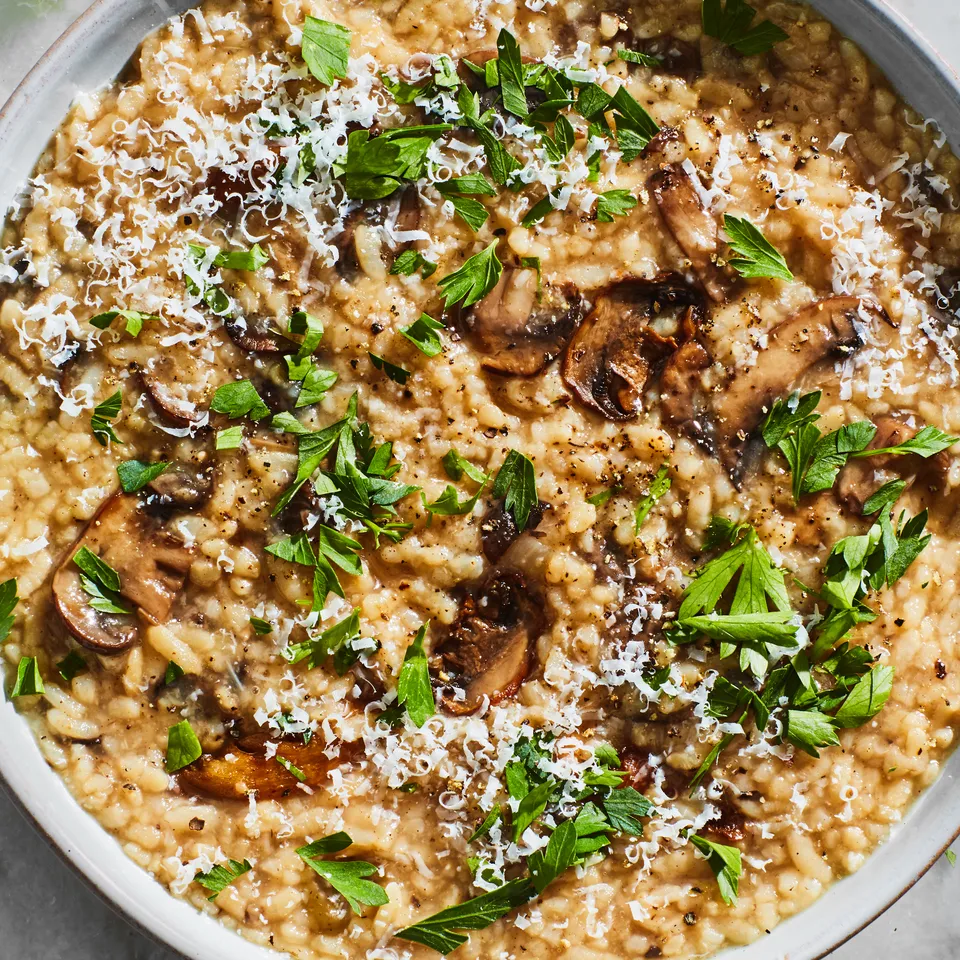
8. Mushroom Risotto
Making risotto in your Instant Pot removes the need for constant stirring. You can add all the broth at once and let pressure cooking do the work.
This dish combines arborio rice with mushrooms, broth, and Parmesan cheese. The pressure cooker locks in flavors while creating the creamy texture risotto is known for.
You’ll spend about 6 minutes cooking at high pressure, then a few minutes stirring in cheese and butter. The whole process takes around 30 minutes from start to finish.

9. BBQ Ribs with Homemade Sauce
Your Instant Pot makes tender ribs in under an hour. You can use baby back ribs or spare ribs for this recipe.
Start by coating your ribs with a simple dry rub of spices. Add some liquid like apple cider vinegar to the pot before cooking.
This helps build flavor and creates steam for pressure cooking. After cooking, brush your ribs with homemade BBQ sauce.
Put them under the broiler for a few minutes to caramelize the sauce and create a sticky coating.

10. Thai Green Curry Chicken
Thai Green Curry Chicken brings restaurant-quality flavors to your kitchen in under 30 minutes. You’ll start by sautéing green curry paste with aromatics until fragrant, then add coconut milk, chicken, and your choice of vegetables.
The Instant Pot creates a creamy sauce with the perfect balance of heat and sweetness. Fish sauce and lime juice add authentic Thai flavor, while vegetables like bell peppers and green beans stay crisp.
Serve this curry over rice for a complete meal that tastes like takeout but costs less and cooks faster.
Instant Pot Cooking Tips
Getting the most from your Instant Pot means understanding a few key techniques. The right ingredients, proper use of the sauté function, and knowing how to seal and release pressure will help you make better meals.
Choosing the Right Ingredients
Not all ingredients work the same way in an Instant Pot. Dense vegetables like potatoes and carrots hold up well under pressure, while delicate items like zucchini can turn mushy quickly.
Cut your ingredients into similar sizes so they cook evenly. If you’re making a stew with both meat and vegetables, consider the cooking times for each.
Meat generally needs longer, so you might add quick-cooking vegetables partway through. Liquids are essential for pressure cooking.
You need at least one cup of liquid for most recipes, though this can include broth, water, or sauces. The liquid creates the steam that builds pressure inside the pot.
Avoid overfilling your Instant Pot. Stay below the maximum fill line, which is usually two-thirds full for most foods and half full for foods that expand like rice or beans.
Mastering the Sauté Function
The sauté function turns your Instant Pot into a stovetop pan. Use it to brown meat, soften onions, or reduce sauces before or after pressure cooking.
You’ll find three heat settings on most models: less, normal, and more. Normal works well for most tasks.
More is better when you need a hard sear on meat. Less helps you simmer sauces without burning them.
Always add oil or butter before sautéing to prevent sticking. Let the pot heat up for a minute or two before adding your ingredients.
Press “cancel” when you finish sautéing and before you start pressure cooking. This step prevents the pot from continuing to heat while you add other ingredients.
Ensuring Proper Sealing and Pressure Release
Check that your sealing ring is properly seated in the lid before you start cooking. A loose or damaged ring will prevent your pot from building pressure.
Move the steam release valve to “sealing” before you begin pressure cooking. If you leave it on “venting,” pressure won’t build and your food won’t cook correctly.
You have two options for releasing pressure when cooking ends. Natural release means letting the pressure drop on its own, which can take 10 to 30 minutes.
Quick release means manually turning the valve to “venting” to let steam escape immediately. Use natural release for foods that foam or expand, like grains and beans.
Quick release works well for vegetables and foods you don’t want to overcook. Some recipes call for a combination where you wait 10 minutes before doing a quick release.
Customizing Instant Pot Recipes
You can modify any Instant Pot recipe to match your dietary needs, serve different numbers of people, or take advantage of fresh ingredients available throughout the year. These adjustments require small changes to cooking times, liquid ratios, and ingredient choices.
Adapting for Dietary Preferences
You can transform most Instant Pot recipes to fit vegetarian, vegan, gluten-free, or low-carb diets with simple substitutions. Replace meat with beans, lentils, or tofu while keeping the same cooking time for most recipes.
For dairy-free versions, use coconut milk instead of cream or cashew-based alternatives. When adapting for gluten-free diets, swap regular pasta for gluten-free varieties and add them after pressure cooking to prevent mushiness.
You can use tamari instead of soy sauce and check that your broth contains no gluten ingredients. For low-carb modifications, replace potatoes with cauliflower and use zucchini noodles instead of pasta.
These vegetables cook faster than their starchy counterparts, so reduce your cooking time by 2-3 minutes. You should also increase your protein portions to maintain the same level of satisfaction from your meal.
Adjusting for Batch Size
Your Instant Pot performs best when filled between one-third and two-thirds full. When doubling recipes, you don’t need to double the liquid since less evaporates during pressure cooking.
Add about 50% more liquid instead of doubling it completely. You must maintain at least one cup of liquid for the pot to reach pressure properly.
For smaller batches, you can halve most ingredients but keep the minimum liquid requirement. The cooking time stays nearly the same regardless of batch size since pressure cooking depends on food thickness rather than quantity.
Larger batches need slightly longer times to reach pressure but not longer cooking times once pressurized. Allow an extra 5-10 minutes for a full pot to come up to pressure compared to a half-full pot.
Incorporating Seasonal Produce
You can add fresh seasonal vegetables to any Instant Pot recipe by adjusting when you add them during cooking. Dense vegetables like winter squash and root vegetables work well with full cooking times.
Tender spring and summer produce like zucchini, spinach, and tomatoes should go in during the last few minutes or after cooking completes. Use the quick release method and open your pot to add delicate vegetables, then reseal and cook for 0-2 minutes at low pressure.
Fresh herbs taste best when stirred in after cooking finishes. Root vegetables from fall harvests need the same cooking time as potatoes, typically 8-12 minutes at high pressure.
Frozen seasonal produce works well in the Instant Pot without thawing first. Add 1-2 minutes to your cooking time to account for the frozen state.
Frequently Asked Questions
Many home cooks have questions about cooking times, ingredient preparation, and recipe modifications when using their Instant Pot. These answers address common concerns about frozen ingredients, meat texture, plant-based options, and time-saving strategies.
What are some quick and easy Instant Pot meal ideas for families?
Chicken thighs cook quickly and pair well with rice or potatoes for a complete meal. You can make dishes like honey garlic chicken thighs in about 20 minutes of pressure cooking time.
Pasta dishes work well because the Instant Pot cooks the noodles and sauce together. Creamy chicken alfredo pasta requires minimal prep and creates a satisfying dinner with one pot to clean.
Pulled pork shoulder feeds a crowd and makes great leftovers for the week.
How do I adapt traditional recipes for cooking in an Instant Pot?
You need to reduce the liquid in traditional recipes by about half since the Instant Pot traps steam and moisture. Regular recipes lose liquid through evaporation, but pressure cooking keeps it contained.
Cut your cooking time to about one-third of what stovetop or oven methods require. A pot roast that normally takes three hours in the oven will be tender in about 60 minutes under pressure.
Layer your ingredients with liquids at the bottom and delicate items on top. This prevents burning and ensures even cooking throughout the dish.
Can I use frozen ingredients in Instant Pot recipes, and how does it affect cooking times?
You can cook frozen meat directly in your Instant Pot without thawing it first. Add 5 to 10 minutes to your pressure cooking time depending on the thickness of the meat.
Frozen vegetables work well in soups and stews. They break down slightly more than fresh ones but maintain good flavor and nutrition.
Avoid using frozen meat for recipes that require browning first. The meat releases too much water and prevents proper searing, which affects the final flavor.
What are the best Instant Pot recipes for vegetarian or vegan diets?
Lentil soup cooks perfectly in the Instant Pot and requires no pre-soaking. You can make a hearty vegetarian version with carrots, celery, and tomatoes in under 30 minutes.
Beans and grains become tender without hours of stovetop monitoring. Chickpea curry, black bean chili, and rice bowls work well with plant-based proteins.
Vegetable stews develop deep flavors under pressure. Root vegetables like potatoes, carrots, and parsnips soften beautifully while maintaining their shape.
How do I ensure meat is tender and not overcooked in Instant Pot recipes?
Use natural pressure release for large cuts of meat like pot roast or pork shoulder. This allows the meat to rest and finish cooking gradually as the pressure drops.
Check your meat with a thermometer to confirm it reaches safe internal temperatures. Chicken should hit 165°F, pork reaches 145°F, and beef pot roast becomes tender around 190-200°F.
Quick release works better for smaller, tender cuts that cook fast. Chicken thighs and thin pork chops benefit from immediate pressure release to prevent them from becoming dry or rubbery.
Are there any Instant Pot recipes that can be made in under 30 minutes for busy weeknights?
Chicken dishes like honey garlic thighs take only 10-12 minutes of pressure cooking time.
With prep and pressure build-up, you can have dinner ready in 30 minutes total.
Pasta recipes cook incredibly fast since the noodles go in dry with the sauce.
Chicken alfredo pasta finishes in about 5 minutes under pressure, plus the time to build and release pressure.
Soup recipes using pre-cut vegetables and quick-cooking proteins suit weeknight meals.
A simple vegetable lentil soup comes together in 15 minutes of cooking time and requires minimal chopping.