
Italian desserts bring together simple ingredients and old recipes that families have used for many years. These sweet treats range from creamy custards to crunchy cookies.
Each one shows a different part of Italy’s food culture. Whether you want something cold and refreshing or warm and comforting, Italian desserts offer many options.
You’ll discover both famous classics and regional favorites that you can make in your own kitchen. Learning about these desserts helps you understand how Italians use quality ingredients like fresh cream, mascarpone cheese, and strong espresso to create amazing flavors.
Each dessert has its own story and place in Italian food history.
1. Tiramisu
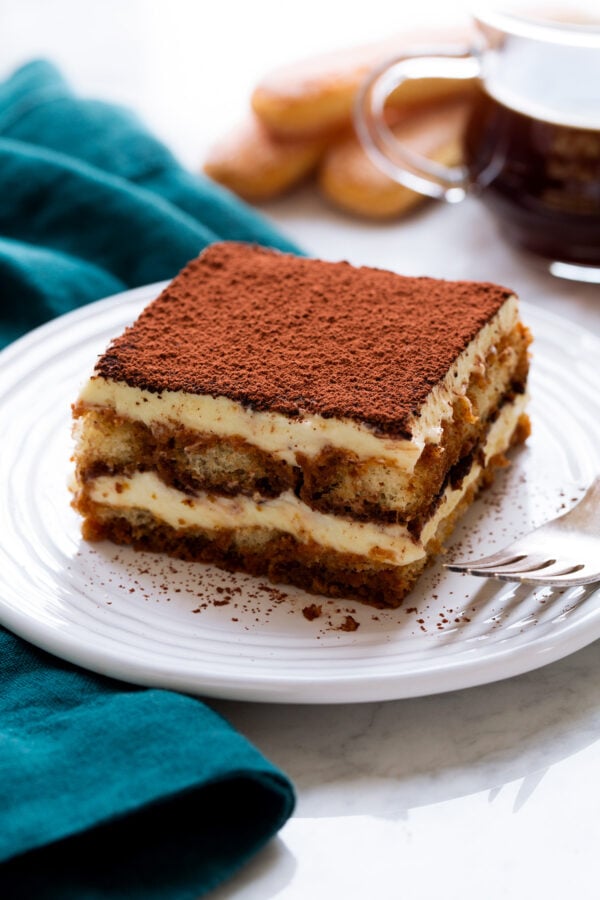
Tiramisu stands as one of Italy’s most beloved desserts. This no-bake treat features layers of coffee-soaked ladyfingers and rich mascarpone cream, topped with a dusting of cocoa powder.
The dessert originated in the 1960s or 1970s. It combines simple ingredients: espresso, savoiardi cookies, mascarpone cheese, eggs, and sugar.
Chill tiramisu overnight to let the flavors blend best. Each bite offers a balance of coffee, cream, and subtle sweetness.

2. Panna Cotta
Panna cotta means “cooked cream” in Italian. This simple dessert comes from the Piedmont region of Italy.
You need just a few basic ingredients to make it: cream, sugar, vanilla, and gelatin. The gelatin sets the dessert while keeping it smooth and creamy.
Prepare panna cotta ahead of time for dinner parties. It takes about 10 minutes of active work, then you chill it until it sets.
Serve it with fresh berries, caramel sauce, or chocolate. Eat it straight from the cup or flip it onto a plate.

3. Cannoli
Cannoli are Sicily’s most famous pastry. Their crispy fried shells and sweet ricotta filling make them instantly recognizable.
The name comes from “canna,” meaning reed, since the shells were originally wrapped around reed tubes. The classic filling combines creamy ricotta cheese with chocolate chips.
Some versions add candied fruit or crushed pistachios for extra flavor and texture. Fill the shells just before serving to keep them crispy.
You can find the metal tubes you need at most kitchen supply stores.

4. Gelato
Gelato is Italy’s beloved frozen dessert found in shops across the country. It contains more milk than cream, giving it a lower fat content and more intense flavors.
The texture is thick and creamy because gelato has less air whipped into it during churning. Make it at home with milk, heavy cream, and sugar using an ice cream maker.
Classic flavors include pistachio, chocolate, and vanilla. Experiment with unique combinations too.

5. Biscotti
Biscotti are twice-baked Italian cookies that deliver a satisfying crunch. The name means “twice-baked” in Italian, which explains their signature dry, crisp texture.
These oblong cookies originated in Tuscany and traditionally feature almonds. Their firm texture makes them ideal for dunking in coffee, tea, or Vin Santo wine.
Make biscotti at home with basic ingredients like flour, sugar, eggs, and your choice of nuts or flavorings. They keep well for weeks, making them practical for gifting or enjoying over time.

6. Affogato
Affogato means “drowned” in Italian, which perfectly describes this simple dessert. Pour a shot of hot espresso over a scoop of cold vanilla gelato or ice cream.
The hot coffee melts the ice cream slightly, creating a mix of creamy and liquid textures. You only need two ingredients to make this classic treat.
The combination gives you both bitter and sweet flavors in each spoonful. Try different gelato flavors like pistachio or chocolate for variety.

7. Zabaglione
Zabaglione is a classic Italian custard made with just three simple ingredients: egg yolks, sugar, and Marsala wine. Whisk these together over gentle heat until the mixture becomes light and airy.
The dessert has a silky texture and sweet, wine-flavored taste. Serve it warm or chilled, depending on your preference.
Zabaglione pairs beautifully with fresh berries or crisp cookies. It’s an elegant dessert that’s surprisingly easy to make at home.

8. Ricotta Cheesecake
Ricotta cheesecake is lighter and less dense than traditional New York-style cheesecake. It uses ricotta cheese as the main ingredient, sometimes mixed with cream cheese or mascarpone for extra richness.
The texture is airy and creamy rather than heavy. Many recipes add lemon zest or almond extract for flavor.
Make versions with a graham cracker crust or go crustless. Some recipes need just five simple ingredients.

9. Pizzelle
These traditional Italian waffle cookies bring elegance to your dessert table with their delicate snowflake patterns. Use a special pizzelle iron to create their signature lattice design.
The batter is simple. Mix flour, sugar, eggs, and oil with your choice of flavoring.
Classic options include anise, vanilla, or lemon zest. Each cookie bakes in minutes, creating a thin and crispy wafer.
Serve them alongside coffee or tea, or enjoy them as a light ending to your meal.

10. Cassata
Cassata is a traditional Sicilian cake that combines sponge cake, ricotta cheese, and candied fruit. This colorful dessert features layers of rich flavors and textures.
Ricotta serves as the main ingredient in the filling, giving cassata its creamy texture. The cake often includes marzipan and chocolate chips in different versions.
This dessert is closely tied to Easter celebrations in Sicily. Make either the classic layered version or the baked variation with a shortcrust pastry shell.
Understanding the Italian Dessert Tradition
Italian desserts reflect the distinct flavors of different regions. Families have passed down these recipes for hundreds of years.
Regional Influences on Sweets
Each region of Italy creates desserts based on local ingredients and traditions. Sicily is famous for cannoli, crispy pastry tubes filled with sweet ricotta cheese.
The island’s Arab influences show up in treats with almonds, pistachios, and citrus fruits. Northern regions like Piedmont gave us panna cotta, a simple cream-based dessert.
The cooler climate led to more dairy production, shaping their dessert-making style. Tuscany focuses on rustic sweets like biscotti, twice-baked cookies perfect for dipping in coffee or wine.
Southern Italy uses more honey, nuts, and fried doughs in their desserts. Sfogliatelle from Naples features many thin, crispy layers with ricotta filling.
Lombardy in the north created panettone, a sweet bread with candied fruits that’s now popular during holidays.
Historical Origins of Famous Desserts
Tiramisu appeared in the Veneto region during the 1960s, though some claim earlier origins. The name means “pick me up” because of the coffee and cocoa that give you energy.
The dessert combines ladyfinger cookies soaked in espresso with mascarpone cheese. Gelato dates back to Renaissance Florence, where the Medici family supported its development.
It differs from ice cream because it has less fat and air, creating a denser texture. Ancient Romans enjoyed frozen desserts made with snow from mountains mixed with honey and fruit.
Many Italian desserts started in monastery kitchens or noble courts before becoming everyday treats. Families adapted these recipes over generations, adding their own touches while keeping traditional methods alive.
Key Ingredients and Techniques
Italian desserts depend on a few high-quality ingredients and straightforward methods that bring out natural flavors. Understanding these basics will help you create authentic treats at home.
Essential Italian Confectionery Ingredients
Italian dessert recipes focus on quality over quantity when it comes to ingredients. You’ll need mascarpone cheese for creamy desserts like tiramisu.
This soft, spreadable cheese has a mild flavor and smooth texture. Ricotta cheese appears in cannoli, cakes, and tarts.
Fresh eggs are critical for custards and gelato bases. Use the freshest eggs you can find for the best results.
Key pantry items include:
- Amaretti cookies – almond-flavored cookies used in various recipes
- Marsala wine – sweet fortified wine for zabaglione and tiramisu
- Espresso or strong coffee – adds depth to many Italian sweets
- Vanilla beans – used whole for maximum flavor
- Pine nuts – found in cookies and pastries
Italian bakers also rely on simple ingredients like flour, sugar, and butter. The difference comes from how you handle them.
Classic Preparation Methods
Italian dessert techniques emphasize simplicity and patience. You don’t need fancy equipment or complicated steps.
Most recipes let the ingredients speak for themselves. Temper eggs by slowly adding hot liquid to beaten eggs while whisking to avoid scrambling them.
This process creates smooth, creamy mixtures for custards and ice cream bases. Folding is another important technique.
Gently combine ingredients without deflating whipped cream or egg whites. Use a spatula, cut down through the center, then sweep along the bottom and up the side.
Many Italian desserts require no baking at all. Panna cotta sets with gelatin.
Affogato combines gelato with espresso. These simple preparations focus on ingredient quality rather than cooking skills.
Frequently Asked Questions
Italian desserts range from elegant dinner party options to simple no-bake treats. These common questions cover traditional choices, expert favorites, and regional specialties.
What are traditional Italian desserts for a dinner party?
Tiramisu stands out as the most popular choice for dinner parties because you make it ahead and serve it chilled. The coffee-soaked ladyfingers and mascarpone cream offer an elegant presentation.
Panna cotta works well for entertaining since you can prepare individual servings in advance. The silky custard unmolds beautifully and pairs with fresh berries or caramel sauce.
Cannoli provide a hands-on option if you want to fill the crispy shells tableside. This approach keeps the shells crunchy and adds an interactive element to your dessert course.
Can you provide simple no-bake Italian dessert recipes?
Tiramisu requires no baking and comes together with espresso, mascarpone cheese, eggs, sugar, and ladyfinger cookies. Layer the soaked cookies with the cream mixture and refrigerate for at least four hours.
Panna cotta needs only cream, sugar, and gelatin heated together, then poured into molds. The mixture sets in the refrigerator in about four hours.
Affogato offers the simplest option with just two ingredients. Place a scoop of vanilla gelato in a cup and pour hot espresso over it right before serving.
What are some top-rated Italian desserts according to culinary experts?
Tiramisu consistently ranks as the top Italian dessert among chefs and food critics. Its balance of coffee, cream, and cocoa creates a sophisticated flavor profile.
Gelato earns high marks for its dense texture and intense flavors compared to regular ice cream. Culinary experts value the traditional methods that use more milk than cream and churn at slower speeds.
Cannoli receive praise for their contrast between the crispy fried shell and sweet ricotta filling. The best versions use fresh sheep’s milk ricotta and avoid soggy shells.
Which Italian desserts are considered classics in Southern Italy?
Cannoli originated in Sicily and remain the most iconic Southern Italian dessert. The fried pastry tubes filled with sweetened ricotta often include chocolate chips, candied fruit, or pistachios.
Sfogliatelle from Naples features thin, crispy layers of pastry filled with ricotta and candied citrus. This shell-shaped pastry requires skill to make but defines Neapolitan baking traditions.
Cassata siciliana combines sponge cake, ricotta, marzipan, and candied fruits in a dome shape. This festive dessert appears at celebrations and holidays throughout Sicily.
Could you list popular Italian desserts with accompanying pictures?
Tiramisu shows distinct layers of cream and coffee-soaked cookies dusted with cocoa powder in clear serving dishes. The presentation highlights the alternating light and dark stripes.
Cannoli appear as golden-brown tubes filled with white ricotta cream. Pistachios or chocolate chips often garnish the ends, creating a striking contrast between the shell and filling.
Gelato displays vibrant colors in metal pans at gelaterias. Bright pink strawberry and deep brown chocolate make the smooth surface and rich hues instantly recognizable.
Panna cotta presents as an ivory-colored dome on a plate. Berry sauce or caramel often tops it, and the glossy surface reflects its creamy texture.
Biscotti display their characteristic twice-baked appearance with visible nuts or chocolate chips throughout the golden-brown cookies. People typically stand them upright in a glass or on a plate next to coffee.
What are some Italian desserts that pair well with a savory meal?
Biscotti works well after rich pasta dishes or heavy meat courses because the dry, crunchy cookies cleanse your palate.
You can dip them in espresso or sweet wine for just enough sweetness.
Panna cotta suits savory meals since its light, creamy texture doesn’t feel heavy.
The subtle vanilla flavor complements both seafood and meat-based dinners.
Gelato serves as a refreshing finish to pizza or pasta with tomato sauce.
Lemon or fruit-based flavors cut through the richness of cheese and olive oil.