
Italian soups are a key part of Italy’s cooking tradition. These dishes combine fresh vegetables, beans, pasta, and meats with simple techniques that cooks have used for many years.
Each region of Italy offers its own special soups that reflect local ingredients and flavors. You’ll find both classic recipes like minestrone and newer favorites like creamy Zuppa Toscana that work well for any day of the week.
These soups range from light vegetable broths to thick, hearty meals that can stand on their own. They offer comfort and warmth while remaining simple enough to make at home with ingredients you can easily find.
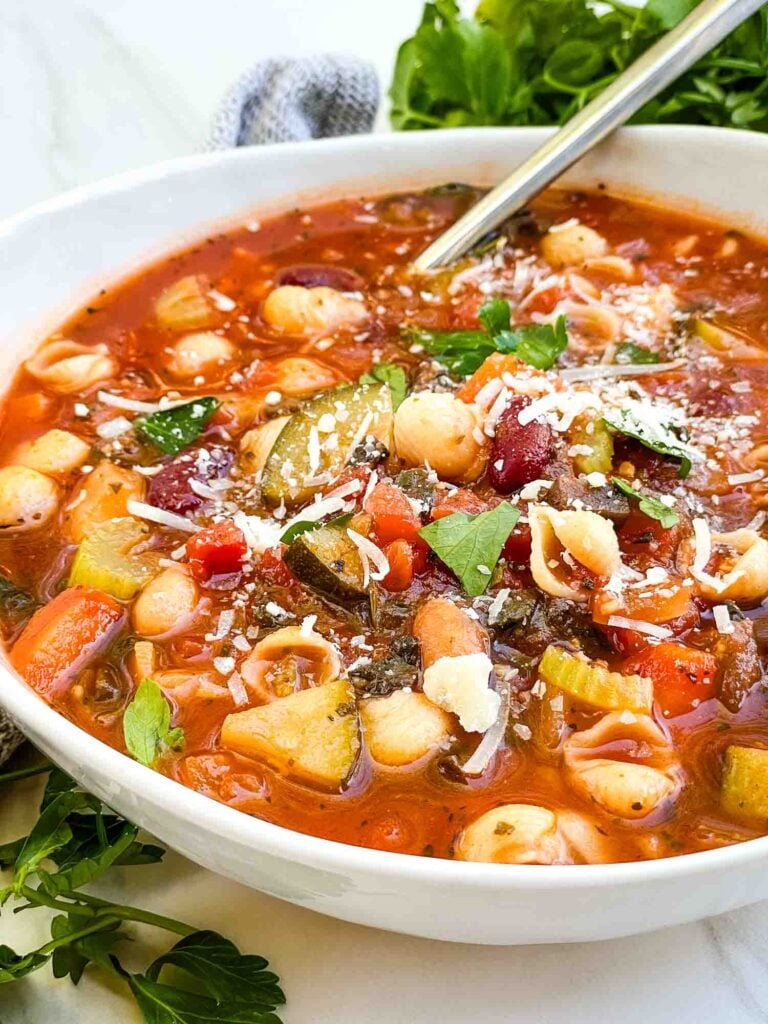
1. Minestrone
Minestrone is a classic Italian vegetable soup that brings comfort to your table any time of year. You’ll find it packed with fresh seasonal vegetables, beans, and small pasta in a savory tomato broth.
Start the soup with a base of onions, carrots, and celery cooked in olive oil. Then add potatoes, green beans, cannellini beans, diced tomatoes, and broth.
Minestrone stands out for its flexibility. You can use whatever vegetables are in season and adjust the ingredients to your taste.

2. Pasta e Fagioli
Pasta e Fagioli, which means “pasta and beans,” is a rustic Italian soup that turns simple pantry staples into comfort food. You’ll find it made with small pasta like ditalini and creamy cannellini beans simmered in a tomato-based broth.
Start with a soffritto of onions, carrots, and celery. Fresh herbs like rosemary or sage add depth to the flavor.
This traditional dish is often meatless, though some versions include pancetta. You can serve it as a thick stew or thinner soup, depending on your preference.
Pair it with crusty bread for a satisfying meal.

3. Zuppa Toscana
This creamy Italian-American soup combines Italian sausage, potatoes, and kale in a rich broth. You can make it at home with basic ingredients.
The soup gets its hearty texture from tender potatoes and cream. Some recipes include bacon for extra flavor.
Prepare Zuppa Toscana in under an hour. It works well for weeknight dinners when you want something warm and filling.
The combination of spicy sausage and leafy greens creates a balanced meal in one pot.

4. Italian Sausage Soup
Italian sausage soup brings comfort and bold flavor to your table. The sausage creates a savory base that makes every spoonful satisfying.
Brown the sausage first, then add vegetables, broth, and pasta. Popular additions include beans, spinach, and zucchini.
You can make this soup in one pot, which is convenient for busy weeknights. Customize it with your favorite vegetables or make it creamy by adding Parmesan cheese.

5. Ribollita
Ribollita is a hearty Tuscan soup named for the Italian word meaning “reboiled.” Make it once, let it rest, then reheat it before serving.
This traditional recipe uses stale bread, cannellini beans, and winter vegetables like kale or cabbage. The bread thickens the soup as it cooks, making it dense and filling.
Season your ribollita with herbs and add a Parmesan rind while cooking for extra flavor. This simple peasant dish turns leftover ingredients into a satisfying meal.

6. Pappa al Pomodoro
This Tuscan tomato and bread soup turns simple ingredients into something special. Simmer ripe tomatoes with stale bread, garlic, olive oil, and basil until the bread soaks up all the flavor.
The bread breaks down completely, creating a thick texture that’s almost creamy. Use day-old Tuscan bread or any sturdy white bread you have on hand.
This recipe takes about 30 minutes to make. Serve it warm or chilled, depending on your preference.
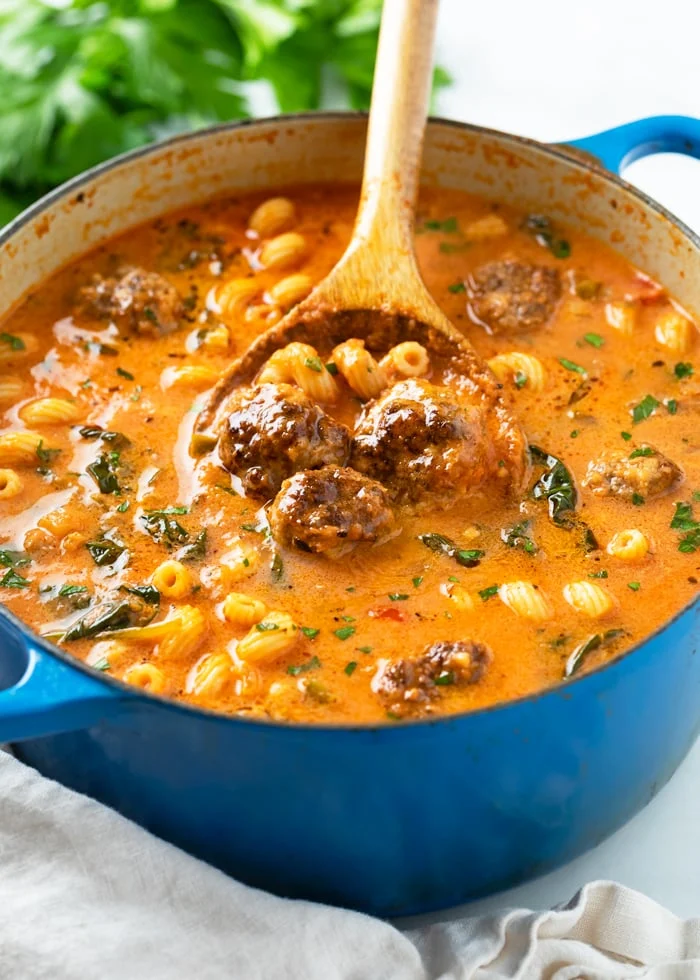
7. Sicilian Meatball Soup
Sicilian Meatball Soup brings authentic Italian flavor to your dinner table. This recipe features tender meatballs made with garlic and Parmesan, paired with fresh vegetables in a savory broth.
Make this soup in one pot for easy cleanup. The meatballs include a traditional Sicilian touch with raisins, adding a hint of sweetness.
Serve it with crusty bread for a complete meal. This soup works well for family dinners or cold evenings when you want something filling and warm.

8. Lentil and Sausage Soup
This Italian classic combines hearty lentils with savory sausage in a rich tomato broth. The protein-packed soup is simple to prepare and ready in about an hour.
The recipe typically includes Italian sausage, lentils, carrots, celery, and aromatic herbs. Many versions add spinach or kale for extra nutrition.
You can make this soup on your stovetop or in a slow cooker. It reheats well, making it great for meal prep and weeknight dinners.
Serve with crusty bread and grated Romano or Parmesan cheese.

9. Creamy Tomato Basil Soup
This classic Italian soup combines simple ingredients into a rich, satisfying dish. You’ll need fresh tomatoes, basil, and cream to create the smooth texture that makes this recipe stand out.
Roma or plum tomatoes work best because they have more flesh and less water. Make this soup in about 30 minutes on your stovetop.
The fresh basil adds bright flavor that pairs perfectly with the creamy tomato base.

10. Chicken and Orzo Soup
Chicken and orzo soup brings together tender chicken pieces with small rice-shaped pasta in a flavorful broth. Use fresh vegetables like celery, carrots, and spinach for added nutrition.
The orzo pasta cooks quickly, making this a practical choice for busy weeknights. You’ll have a complete meal ready in about 30 minutes.
This soup works well with different flavor profiles. Add lemon for brightness, tomatoes for richness, or Italian herbs for a Mediterranean twist.
Essential Ingredients in Classic Italian Soups
Italian soups rely on a few key components that create their signature flavors and textures. Quality broths, fresh herbs, and the right pasta shapes work together to make these dishes authentic and satisfying.
Broth and Base Choices
The foundation of any Italian soup starts with the broth. Use chicken broth for lighter soups like stracciatella or wedding soup.
Beef broth works well in heartier recipes such as pasta fagioli. Vegetable broth is the traditional choice for minestrone and ribollita.
Many Italian cooks make their own broth from scratch using vegetable scraps, meat bones, or chicken carcasses. This gives the soup deeper flavor than store-bought versions.
Sometimes water replaces broth in bean-based soups. The beans release their own starch and create a naturally thick, flavorful liquid.
You’ll find this technique in Tuscan white bean soup and pasta e fagioli. Some recipes start with a soffritto base before adding liquid.
Cook diced onions, carrots, and celery in olive oil until soft to make soffritto. It adds sweetness and body to the final soup.
Herbs and Aromatics
Fresh herbs are essential in Italian soups. Basil appears in minestrone and tomato-based soups.
Parsley adds brightness to brothy soups and often serves as a garnish. Rosemary and sage work well in bean soups and meat-based recipes.
You’ll find rosemary in Tuscan ribollita and sage in some versions of zuppa di fagioli. Fresh thyme adds an earthy note to vegetable soups.
Garlic appears in nearly every Italian soup recipe. Mince it finely or slice it thin, then cook it with olive oil at the start.
Bay leaves add subtle depth when simmered in the broth.
Common herb combinations:
- Basil + garlic + parsley for tomato soups
- Rosemary + sage for bean soups
- Thyme + bay leaf for vegetable broths
Traditional Pasta Shapes
Small pasta shapes are preferred in Italian soups because they fit on a spoon. Ditalini is a short tube pasta that’s perfect for minestrone and pasta e fagioli.
It holds its shape well and doesn’t get mushy. Stelline or pastina are tiny star-shaped pastas used in light broths.
They cook quickly and are gentle enough for children or when you’re feeling sick. Orzo looks like rice but is actually pasta.
You’ll find it in wedding soup alongside small meatballs. Acini di pepe are even smaller pasta pearls that work well in similar recipes.
Some soups use broken pieces of spaghetti or angel hair pasta. This is common in simple garlic and oil-based broths.
Always cook the pasta directly in the soup so it releases starch and thickens the broth slightly.
Tips for Serving and Enjoying Italian Soups
Italian soups taste best when served with the right garnishes and stored properly to maintain their flavors. Simple additions like fresh herbs and quality bread can turn a good soup into a great meal.
Proper storage methods keep your soup fresh for days.
Suggested Garnishes and Accompaniments
Fresh grated Parmigiano-Reggiano or Pecorino Romano cheese adds a salty, nutty flavor to most Italian soups. Sprinkle it on top just before serving for the best taste and texture.
A drizzle of extra virgin olive oil brings out the flavors in vegetable-based soups like minestrone. Use about one tablespoon per bowl.
Fresh herbs make your soup taste brighter. Add basil to tomato-based soups, parsley to bean soups, or rosemary to white bean varieties.
Chop the herbs right before serving. Crusty Italian bread works well with any soup.
Serve it plain, toasted, or rubbed with garlic. Some soups taste even better when you place a slice of toasted bread at the bottom of the bowl.
For hearty soups with pasta or beans, you don’t need much else. Lighter broth-based soups pair well with a simple side salad dressed with oil and vinegar.
Best Practices for Reheating and Storing
Store your Italian soup in airtight containers in the refrigerator for up to 4 days. Let the soup cool to room temperature before you put it away, but don’t leave it out for more than 2 hours.
Most Italian soups freeze well for up to 3 months. Don’t freeze soups with pasta already in them because the pasta gets mushy.
Instead, cook fresh pasta when you reheat the soup. Reheat soup on the stovetop over medium heat, stirring occasionally.
This method heats the soup evenly. Add a splash of water or broth if the soup seems too thick after storing.
For cream-based soups, reheat them gently over low heat. Stir often to prevent the cream from separating.
You may need to add a bit of milk or cream to restore the original texture.
Frequently Asked Questions
Italian soups rely on fresh vegetables, beans, pasta, and quality broth as their foundation. Making authentic versions at home requires understanding traditional techniques like soffritto and choosing recipes that match your skill level.
What are some classic ingredients in traditional Italian soups?
Italian soups start with soffritto, which is a base of onions, carrots, and celery sautéed in olive oil. This mixture gives the soup its authentic flavor foundation.
You’ll find cannellini beans and other white beans in many traditional recipes. Ditalini pasta, small shells, and other tiny pasta shapes are common additions that make these soups hearty.
Fresh vegetables like tomatoes, kale, cabbage, and escarole appear frequently. Italian sausage adds protein and flavor to many regional varieties.
Good broth matters more than you might think. Homemade chicken or vegetable stock creates better results than store-bought versions.
How can I make a simple yet authentic Italian soup at home?
Start by making your soffritto base with diced onions, carrots, and celery in olive oil. Cook these vegetables slowly until they’re soft and fragrant.
Add your broth next, then include vegetables that need longer cooking times first. Beans can go in at this stage, whether you use canned or pre-cooked dried beans.
Wait until the last 10-15 minutes to add pasta so it doesn’t get mushy. Small pasta shapes work best because they’re easier to eat with a spoon.
Season with salt, pepper, and fresh herbs like basil or parsley at the end. A drizzle of good olive oil and grated Parmesan cheese on top adds the finishing touch.
What are the top traditional Italian soups that I should try?
Minestrone stands as the most well-known Italian soup, packed with vegetables, beans, and pasta in a tomato-based broth. Every region in Italy makes it slightly differently.
Pasta e Fagioli combines pasta and beans in a thick, satisfying soup that can be brothy or stew-like. Italian families have made it for generations.
Zuppa Toscana comes from Tuscany and features Italian sausage, potatoes, and kale in a creamy broth. This soup has become popular in restaurants across America.
Ribollita is a Tuscan bread soup made with leftover vegetables and stale bread. The name means “reboiled” because people traditionally reheat it the next day.
How do I make a traditional Italian wedding soup?
Italian wedding soup combines small meatballs with greens and pasta in a clear chicken broth. The name comes from the Italian phrase for married flavors, not actual weddings.
Make tiny meatballs about one inch in diameter using ground beef, pork, or a combination. Mix the meat with breadcrumbs, Parmesan cheese, eggs, and Italian seasonings.
Brown the meatballs first, then set them aside while you prepare the broth. Bring chicken broth to a simmer and add the meatballs back in to cook through.
Add small pasta like acini di pepe or orzo near the end. Fresh escarole or spinach goes in last and only needs a few minutes to wilt.
Italian sausage soup works well for dinner because it’s filling and pairs nicely with crusty bread. The sausage provides enough protein to make it a complete meal.
Zuppa Toscana makes an excellent dinner choice with its creamy texture and hearty ingredients. The combination of sausage, potatoes, and greens satisfies most appetites.
Pasta e Fagioli serves well as a main course because it’s thick and substantial. You can make it ahead for extra flavor.
Ribollita becomes a full meal when you serve it with a simple salad. The bread in the soup makes it more filling than broth-based options.
What regional variations exist in Italian soup recipes?
Tuscany is known for bread-based soups like Ribollita and Pappa al Pomodoro. These recipes use stale bread to thicken the soup instead of pasta or rice.
Northern regions near the Alps often include rice in their soups. Cooks in these areas use more butter and cream than those in the south.
Southern Italian soups tend to be lighter and feature more tomatoes and seafood. Coastal areas make fish soups with local catches and simple seasonings.
Each region uses vegetables that grow locally and seasonally. The same soup can taste different depending on where in Italy it’s made.