
Italian breakfasts offer a different approach to the morning meal compared to what many people are used to in North America. Rather than heavy plates of eggs and bacon, Italy focuses on simple ingredients that are often sweet and paired with excellent coffee.
This style of eating is lighter and quicker, but still satisfying.
These breakfast recipes bring authentic Italian flavors to your kitchen using fresh ingredients and straightforward preparation methods. You’ll find options that work for busy weekday mornings as well as relaxed weekend brunches.
From classic combinations like bread with jam to more substantial dishes like frittatas, Italian breakfast foods balance taste with simplicity.
The recipes ahead show you how to create cafe-style meals at home without complicated techniques or hard-to-find ingredients. You’ll learn about traditional pairings and discover both sweet and savory options that fit different preferences and schedules.
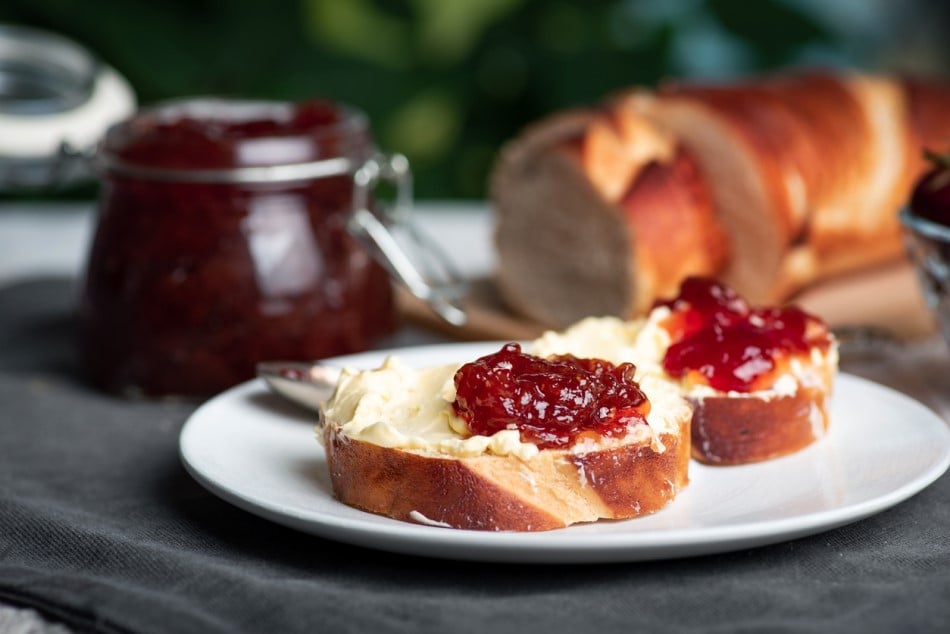
1. Pane, burro e marmellata (Bread, butter, and jam)
Pane, burro e marmellata is one of the most popular breakfast choices in Italy. You’ll find this simple combination of fresh bread, butter, and jam on tables across the country.
The bread is often a crusty roll from a local bakery. You spread butter on it, then add a layer of jam.
The jam can be any flavor you prefer, from apricot to raspberry. This breakfast pairs well with coffee or cappuccino.
It’s quick to prepare and fills you up without being too heavy.

2. Espresso with a cornetto (Italian croissant)
This pairing is the most popular breakfast choice in Italy. The cornetto is sweeter and softer than a French croissant, made with a brioche-like dough that contains less butter.
You can find cornetti filled with custard, jam, chocolate, or Nutella. Many Italians prefer the plain version.
The pastry’s light sweetness balances perfectly with the strong, bold flavor of espresso. Italians typically eat it standing at a café bar before starting their day.

3. Savory frittata with seasonal vegetables
A frittata is an Italian egg dish that works for breakfast, lunch, or dinner. You cook it in one pan, which makes cleanup simple.
The basic recipe combines eggs with whatever fresh vegetables you have available. Common choices include bell peppers, zucchini, tomatoes, and spinach.
You can add cheese like mozzarella or Parmesan for extra flavor. To make a frittata, you start by cooking your vegetables in an oven-safe skillet.
Then you pour beaten eggs over them and cook on the stovetop before finishing in the oven. The whole process takes about 15 minutes.
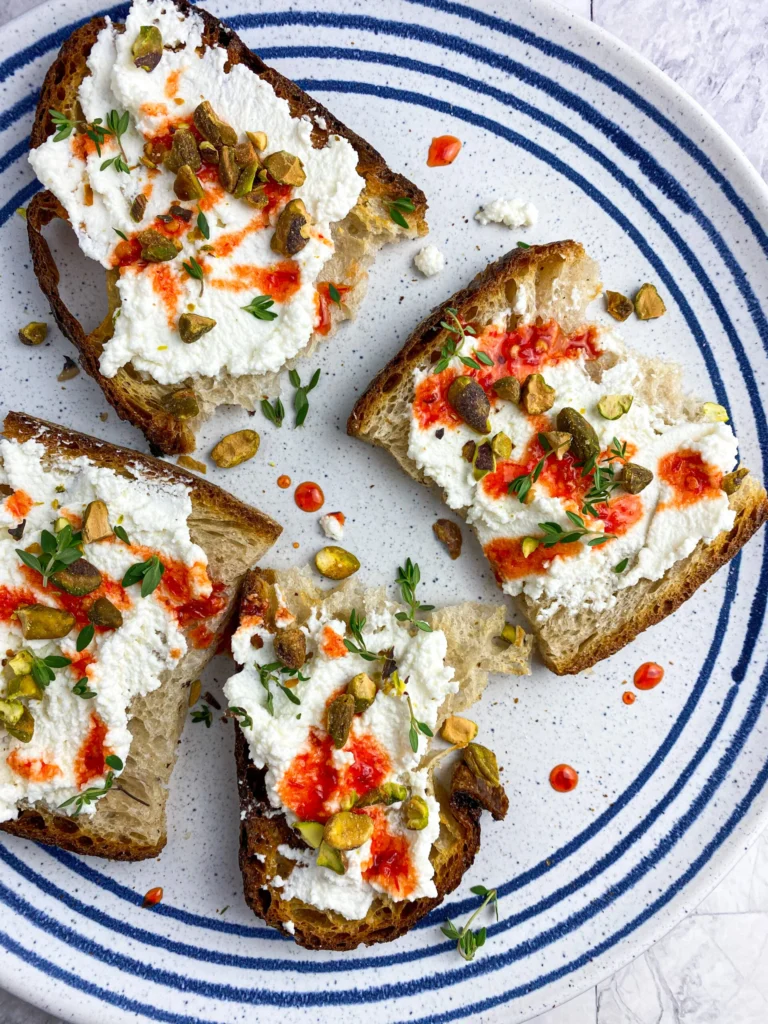
4. Ricotta and honey on toasted bread
This classic Italian breakfast combines fresh ricotta cheese spread over toasted rustic bread with a drizzle of honey on top. You only need three basic ingredients to make this dish.
The creamy ricotta pairs well with sweet honey and crunchy toast. You can use any type of bread, though rustic Italian bread works best.
Simply toast your bread until golden, spread ricotta generously on top, and finish with honey. Some people add a small pinch of salt to balance the sweetness.

5. Cappuccino paired with biscotti
This classic Italian breakfast combines frothy cappuccino with crunchy biscotti cookies. You’ll find this pairing in cafes across Italy every morning.
Biscotti are twice-baked cookies that stay crisp when dunked in hot coffee. Traditional flavors include almond, hazelnut, and chocolate chip.
The dry texture makes them perfect for dipping. You can prepare biscotti at home using basic ingredients like flour, eggs, sugar, and nuts.
They keep well for weeks in an airtight container, so you can bake a batch and enjoy them throughout the week.

6. Tiramisu crepes
Tiramisu crepes bring together Italian dessert flavors in a breakfast-friendly form. These thin pancakes are filled with sweet mascarpone cream and flavored with coffee and cocoa powder.
You can make them by preparing delicate crepes and filling them with a mixture of mascarpone cheese, espresso, and a touch of sweetener. The finishing dusting of cocoa powder gives you that classic tiramisu taste.
They work well for a special weekend breakfast or when you want something more indulgent than your usual morning meal.

7. Italian yogurt with fresh fruit and nuts
You’ll find this simple dish on breakfast tables across Italy, especially during warm weather. Start with creamy plain yogurt and top it with seasonal fruit like berries, figs, or peaches.
Add a handful of nuts such as almonds or walnuts for crunch. Drizzle honey over the top to tie the flavors together.
The combination takes just minutes to prepare and requires no cooking. You can mix and match fruits based on what’s fresh at your local market.

8. Parmesan and prosciutto rolls
These savory rolls bring together crispy Parmesan cheese with thin slices of prosciutto for a protein-rich breakfast. You can make them by forming freshly grated Parmigiano-Reggiano into small rounds and baking until golden and crispy.
The prosciutto adds a salty, delicate flavor that pairs well with the nutty cheese. You might add fresh basil inside the rolls for extra flavor.
These rolls work great as a quick breakfast or as part of a larger spread. They’re simple to prepare and look impressive when serving guests.

9. Sweet focaccia with olive oil and sugar
Sweet focaccia transforms the classic Italian bread into a breakfast treat. You’ll find it in bakeries across Italy, where locals enjoy it with their morning coffee.
The dough includes milk, butter, and sugar for a softer texture than traditional focaccia. After baking, you brush the top with olive oil and sprinkle it with sugar for a simple finish.
You can eat sweet focaccia plain or add toppings like fresh fruit or cinnamon. It works well for breakfast or as an afternoon snack with tea.

10. Polenta with cheese and herbs
Polenta makes a warm and filling breakfast that’s popular in Northern Italy. You cook cornmeal with water or milk until it becomes thick and creamy.
Add cheese like Parmesan and fresh herbs such as rosemary, thyme, or parsley. You can also top it with a fried egg for extra protein.
This dish takes about 30 minutes to prepare. You’ll need to stir it often to avoid lumps and get a smooth texture.
Essential Ingredients in Classic Italian Breakfasts
Italian breakfast relies on a few quality ingredients rather than elaborate preparations. You’ll find that fresh-baked goods, carefully brewed coffee, and regional dairy products form the foundation of morning meals throughout Italy.
Traditional Breads and Pastries
Cornetti are the most popular breakfast pastry in Italy. These crescent-shaped treats resemble croissants but contain less butter and often include a sweet filling like custard, chocolate, or jam.
Brioche is another breakfast staple you’ll encounter across Italian regions. The soft, slightly sweet bread works well on its own or split open and filled with gelato or cream.
Common Italian breakfast breads include:
- Fette biscottate (twice-baked toast)
- Ciambella (ring-shaped cake)
- Biscotti (crunchy cookies for dunking)
- Focaccia dolce (sweet flatbread)
Fresh eggs play an important role in savory Italian breakfasts. Frittatas use farm-fresh eggs as the base ingredient, combined with vegetables, cheeses, or meats.
The quality of eggs directly affects the final taste and texture of these dishes.
Coffee and Beverage Culture
Espresso is the standard morning coffee throughout Italy. You’ll drink it quickly while standing at the bar, usually in just a few sips.
Cappuccino combines espresso with steamed milk and foam in equal parts. Italians only drink this beverage before noon, typically paired with a sweet pastry.
Caffè latte contains more milk than cappuccino and comes served in a glass. Caffè macchiato is espresso “marked” with just a small amount of foamed milk.
Hot chocolate in Italy is much thicker than American versions. The rich, pudding-like consistency makes it more of a treat than a simple drink.
Regional Dairy and Cheese Varieties
Ricotta cheese appears frequently in both sweet and savory breakfast dishes. You’ll find it spread on toast, mixed into pastries, or baked into cakes.
The mild, creamy texture works with honey, fruit, or herbs. Mascarpone adds richness to breakfast pastries and coffee drinks.
This thick, spreadable cheese has a subtle sweetness that complements baked goods. Fresh mozzarella sometimes appears in savory breakfast preparations alongside eggs or on focaccia.
Different regions produce their own varieties using local milk. Parmigiano-Reggiano gets grated over frittatas and other egg dishes.
Even a small amount adds depth and saltiness to savory breakfasts.
Balancing Tradition and Nutrition
Italian breakfast traditions focus on simple pleasures like pastries and coffee, but modern needs call for more nutritional balance. Smart ingredient choices and seasonal produce help maintain authentic flavors while supporting better health.
Modern Approaches to Italian Breakfast
You can update classic Italian breakfast foods without losing their authentic taste. Start by choosing whole grain versions of cornetti and biscotti, which add fiber and nutrients to your morning routine.
Many bakeries now offer these healthier options. Replace some of the butter in traditional recipes with olive oil.
This small change reduces saturated fat while keeping the rich flavor Italians love. You can also reduce sugar content by 25-30% in most pastry recipes without major taste differences.
Add protein to your breakfast by pairing pastries with Greek yogurt or ricotta cheese. These dairy options complement sweet Italian flavors while helping you feel full longer.
A frittata makes an excellent protein-rich choice that fits perfectly into Italian breakfast culture. Keep portion sizes moderate.
Italians traditionally eat smaller breakfast portions than Americans, which naturally supports better calorie balance throughout the day.
Incorporating Seasonal Produce
Fresh seasonal ingredients make Italian breakfasts more nutritious and flavorful. Italian cooking has always emphasized farm-fresh produce, which contains more vitamins and better taste than stored alternatives.
Spring and summer bring berries, figs, and stone fruits that pair well with yogurt, ricotta, or whole grain toast. You can add these fruits to your cornetto or enjoy them alongside your morning espresso.
Fresh fruit provides natural sweetness and reduces the need for added sugars. Fall and winter offer citrus fruits, apples, and pears that work perfectly in baked goods and breakfast compotes.
Blood oranges, common in Italian cuisine, add vitamin C and bright flavor to your morning meal. Visit farmers markets or choose locally grown produce when possible.
These ingredients match the Italian philosophy of using the best available seasonal foods.
Frequently Asked Questions
Italian breakfast culture centers on simple, quality ingredients with a focus on coffee and sweet pastries, though savory options like frittatas also play a role in the morning meal.
What are some typical dishes included in a traditional Italian breakfast?
A traditional Italian breakfast focuses on sweet, light foods paired with coffee. You’ll find cornetti (Italian croissants) served with cappuccino or espresso as the most common combination.
Bread with butter and jam is another staple that Italians enjoy in the morning. Biscotti are popular for dunking into coffee.
Some Italians also eat toasted bread topped with ricotta and honey for a simple sweet start to the day.
How do you prepare an authentic Italian breakfast spread?
Start with fresh cornetti or good quality bread as your base. Set out butter, jam, and honey alongside the bread.
Ricotta cheese works well as a topping option. Prepare espresso or cappuccino to serve with the pastries.
Make sure your coffee is strong and properly brewed. Add biscotti for dunking into the coffee.
Keep the spread simple and focus on quality over quantity. Italians prefer a light breakfast, so you don’t need many dishes.
Can you recommend a variety of traditional Italian breakfast foods?
Cornetti are the Italian version of croissants and come plain or filled with cream, jam, or chocolate. Pane, burro e marmellata (bread, butter, and jam) is a basic option that many Italians eat daily.
Biscotti are crunchy cookies made specifically for dipping into coffee. Fette biscottate are twice-baked toast slices similar to rusks.
You can top them with jam, honey, or Nutella. Ricotta paired with honey on toasted bread offers a creamy, sweet option.
Frittatas provide a savory alternative when you want something more substantial. These egg dishes include seasonal vegetables and cheese.
An Italian breakfast buffet includes multiple types of pastries. Cornetti are the centerpiece.
You’ll see plain cornetti alongside filled versions with chocolate, cream, or fruit jam. Fresh bread, butter, and various jams are standard offerings.
Biscotti and other cookies are available for coffee dunking. The buffet will have espresso machines and milk for making cappuccinos.
Fresh fruit and yogurt may appear as lighter options. Some buffets include savory items like cheese, cold cuts, and frittatas.
Sweet items still make up the majority of the spread.
What are some top Italian breakfast recipes that are savory?
Frittata with seasonal vegetables is the most popular savory Italian breakfast dish. You can make it with zucchini, peppers, onions, or whatever vegetables are fresh.
Add cheese like Parmigiano-Reggiano or pecorino for extra flavor. Some Italians eat prosciutto or other cured meats with bread in the morning.
This is less common but still considered traditional in certain regions. Focaccia bread topped with olive oil and salt serves as another savory option.
Cheese like ricotta can be used in both sweet and savory preparations. Pair it with tomatoes and basil instead of honey for a savory twist.
How do Italians incorporate eggs into their breakfast recipes?
Frittatas are the main way Italians use eggs at breakfast. These dishes combine beaten eggs with vegetables, cheese, and sometimes meat.
You cook frittatas slowly on the stovetop or finish them in the oven. Italians often use farm-fresh eggs when making frittatas and baked goods.
They mix eggs with seasonal ingredients to create different variations throughout the year. Eggs also appear in many Italian breakfast pastries like cornetti.
The dough for these pastries contains eggs to create a rich, tender texture.