
Mexican desserts bring together bold flavors and comforting textures that make any meal special. These sweet treats use simple ingredients like cinnamon, vanilla, caramel, and chocolate to create desserts that people love around the world.
This collection features classic Mexican desserts that you can make at home, from creamy cakes to crispy fried pastries. You’ll find traditional recipes that have been passed down through generations. Discover tips on how to serve them and what makes them important to Mexican culture.
Each dessert offers something different. Choose from light and refreshing options or rich and indulgent treats.
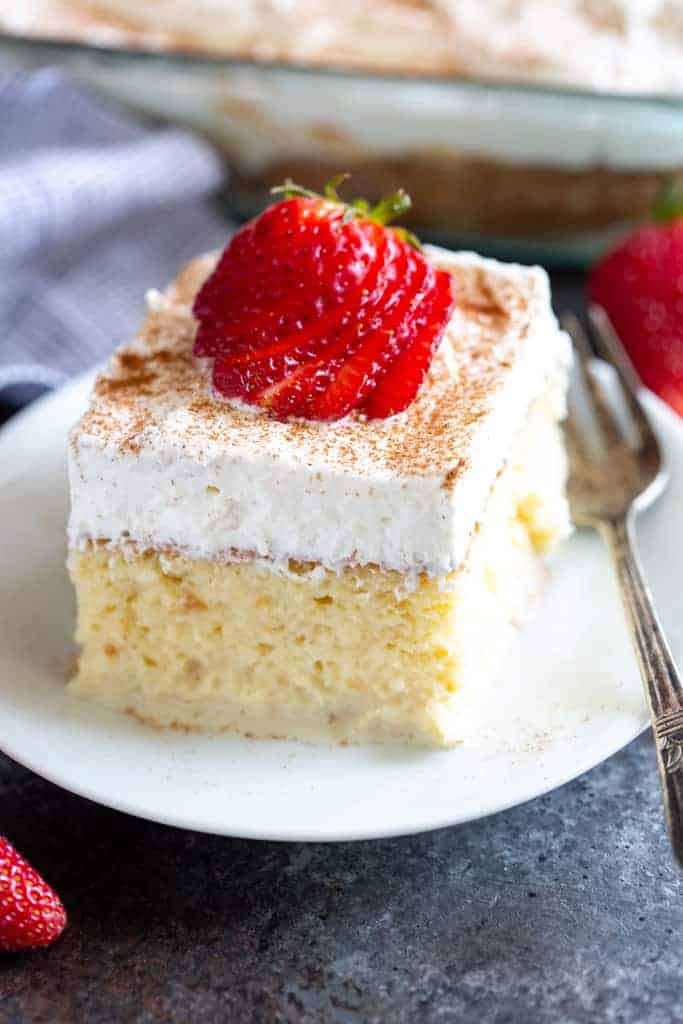
1. Tres Leches Cake
Tres leches cake is one of Mexico’s most popular desserts. You’ll find it at birthday parties, weddings, and other celebrations throughout the country.
The cake gets its name from the three milks used to soak it: sweetened condensed milk, evaporated milk, and heavy cream. This creates a moist, tender texture that sets it apart from regular cake.
The base is a light sponge cake that absorbs the milk mixture. Most recipes finish it with whipped cream and a sprinkle of cinnamon on top.

2. Churros with Chocolate Sauce
Churros are crispy fried dough sticks coated in cinnamon sugar. They originally came from Spain and Portugal but became popular across Mexico and other Spanish-speaking countries.
You can make churros at home with just five basic ingredients in about 15 minutes. Fry the dough until golden and crispy on the outside while it stays soft inside.
Serve your churros warm with chocolate sauce for dipping. Add vanilla ice cream or drizzle them with dulce de leche for extra sweetness.

3. Flan
Flan is a creamy custard dessert topped with caramel sauce. You’ll find it at celebrations and family gatherings throughout Mexico.
The dessert uses simple ingredients: eggs, milk, and sugar. Mexican versions often include sweetened condensed milk and evaporated milk for a silky texture.
Flip the flan onto a plate, and golden caramel cascades down the sides. The custard has a smooth, melt-in-your-mouth quality.

4. Sopapillas
Sopapillas are golden fried pastries that puff up when cooked, creating a crispy outside and airy inside. Make them with basic pantry ingredients like flour, baking powder, and water.
These treats work as both dessert and savory dishes. For dessert, drizzle them with honey or dust them with cinnamon sugar.
You can also stuff them with your choice of fillings. The dough is simple to prepare and fries quickly in hot oil.
Spanish settlers originally introduced sopapillas. They became popular throughout Mexico and the American Southwest.

5. Buñuelos
Buñuelos are crispy fried discs of dough that shine during Mexican holiday celebrations. Roll out simple dough into thin circles, then fry until golden and crispy.
The traditional topping is cinnamon sugar, which creates a sweet coating on the warm pastry. Some recipes include piloncillo syrup for extra sweetness.
These fritters have a light, airy texture with a satisfying crunch. Flavor the dough with vanilla or anise for extra depth.

6. Capirotada
Capirotada is a traditional Mexican bread pudding that’s especially popular during Lent and Holy Week. Layer toasted bread soaked in a sweet syrup made with piloncillo, cinnamon, and cloves.
The dish combines unexpected ingredients like raisins, peanuts, and shredded cheese with the sweetened bread. This creates a unique mix of sweet and savory flavors.
Use bolillo or French bread as your base. The bread absorbs the cinnamon syrup while baking, creating a texture that’s crispy on top and soft inside.

7. Mexican Fried Ice Cream
Mexican fried ice cream combines cold vanilla ice cream with a warm, crunchy coating. The coating is usually made from crushed corn flakes mixed with cinnamon and sugar.
Freeze the ice cream extra hard before coating. This helps it stay solid when you add the crispy layer.
Many recipes skip the actual frying step. Instead, coat frozen ice cream scoops in the cinnamon mixture and serve them right away.
Top yours with chocolate sauce, whipped cream, or honey for extra flavor.

8. Empanadas
Empanadas are sweet pastries that make a perfect Mexican dessert. The dough wraps around fruit fillings like pumpkin, pineapple, or cherry.
You can also fill them with caramel or other sweet mixtures. These treats have a crispy, flaky outside and a warm, flavorful inside.
Eat them fresh from the oven or save them for later. They work well for parties or as an everyday sweet snack.
The word “empanada” comes from the Spanish word meaning “to wrap in bread.”

9. Chocoflan
Chocoflan is a stunning Mexican dessert that combines two treats in one. You get a layer of moist chocolate cake and a layer of creamy vanilla flan.
The dessert is also called “Impossible Cake” because the layers switch places while baking. Pour the flan mixture in first, then add the cake batter on top.
During baking, the lighter cake batter rises above the denser flan. The result is a rich dessert with chocolate cake on the bottom and smooth flan on top, all covered in caramel.

10. Arroz con Leche
Arroz con leche is Mexican rice pudding that has been passed down through generations. This creamy dessert combines rice with milk and cinnamon to create a comforting treat.
You can make it with simple ingredients you likely have in your pantry. The recipe uses whole milk, evaporated milk, rice, sugar, and cinnamon.
Serve arroz con leche warm or cold. Top it with a sprinkle of cinnamon, fresh berries, or caramel for extra flavor.
Cultural Significance of Mexican Desserts
Mexican desserts connect families during important moments and reflect centuries of blended indigenous and Spanish culinary traditions. These sweet treats serve specific roles in religious observances and vary significantly across different regions of the country.
Traditional Celebrations and Festivals
Mexican desserts hold deep meaning in religious and cultural celebrations. Many sweets trace their origins to Catholic traditions and specific holidays throughout the year.
Capirotada, a bread pudding made with piloncillo, cinnamon, and cheese, appears on tables during Lent. This dessert carries symbolic meaning, with each ingredient representing elements of the crucifixion story.
During Day of the Dead celebrations, families prepare pan de muerto, a sweet bread decorated with bone-shaped pieces. You’ll find this treat placed on ofrendas (altars) to honor deceased loved ones.
The bread’s round shape represents the circle of life. Christmas season brings out buñuelos, crispy fried dough circles topped with cinnamon sugar or syrup.
Families gather to make these treats together, passing down recipes through generations. Tres leches cake and flan frequently appear at weddings, baptisms, and quinceañeras.
These desserts symbolize hospitality and celebration, marking life’s important milestones.
Regional Variations Across Mexico
Different parts of Mexico developed their own signature desserts based on local ingredients and cultural influences. You’ll taste distinct differences as you move from region to region.
Oaxaca produces tejate, a pre-Hispanic drink made from cacao, maize, and mamey seeds. The state also creates chocolate-based desserts that showcase indigenous cacao traditions.
In Puebla, you’ll find camote, a sweet potato candy flavored with pineapple, strawberry, or vanilla. Street vendors shape this treat into colorful bars wrapped in paper.
Veracruz specializes in coconut-based sweets due to its coastal location. Local cooks prepare cocadas, small coconut macaroons sold in markets throughout the region.
The Yucatan Peninsula offers marquesitas, crispy rolled wafers filled with cheese and cajeta. This dessert reflects the area’s unique blend of Mayan and European influences.
Tips for Serving and Pairing Mexican Desserts
The right drinks and presentation can make Mexican desserts even better. Smart pairings bring out the flavors in these sweet treats.
Thoughtful plating adds a special touch to your table.
Recommended Beverage Pairings
Mexican coffee works well with most desserts, especially chocolate-based treats like churros or flan. The bold, slightly spicy notes in Mexican coffee balance the sweetness without overpowering delicate flavors.
Horchata pairs perfectly with cinnamon-heavy desserts. This rice-based drink has a creamy texture that complements tres leches cake and sopapillas.
The cinnamon in horchata echoes the warm spices found in many Mexican sweets. Hot chocolate made with Mexican chocolate tablets brings out the richness in desserts like empanadas and buñuelos.
You can also serve champurrado, a thick chocolate drink made with masa, for a more traditional option. For lighter desserts, try serving agua fresca or sorbet alongside your sweets.
These fruit-based drinks refresh your palate between bites. Mexican hot tea with cinnamon sticks also works as a lighter alternative to coffee.
Presentation and Plating Suggestions
Serve desserts on colorful plates that match the festive nature of Mexican cuisine. Bright blues, yellows, and oranges add visual interest to your table.
You can use simple white plates if you prefer a clean look that lets the dessert stand out. Dust your plates with cinnamon or cocoa powder before plating.
This adds a professional touch and hints at the flavors in your dessert. Add fresh mint leaves or edible flowers as garnish for color contrast.
Group smaller desserts like churros or empanadas on a large platter for family-style serving. Place a small bowl of chocolate sauce or dulce de leche in the center for dipping.
This encourages sharing and creates a casual, welcoming atmosphere. For individual servings, use small ramekins or glass cups for layered desserts.
Clear glasses show off the different textures in tres leches cake or parfaits.
Frequently Asked Questions
Mexican desserts range from creamy custards to fried pastries. Many home cooks want to know which ones to try first, where to find recipes, and how to make them easier.
These answers help you navigate traditional sweets and modern shortcuts.
What are some popular traditional Mexican desserts?
Flan stands out as one of the most beloved Mexican desserts. This smooth custard features a caramel sauce and appears at celebrations throughout Mexico.
Tres leches cake earned its name from three types of milk that soak into the sponge cake. The result is a moist, sweet dessert that many families serve at birthdays and holidays.
Churros are fried dough pastries coated in cinnamon sugar. You’ll find them at street stands and markets across Mexico, often served with chocolate sauce for dipping.
Buñuelos are thin, crispy fried dough circles dusted with cinnamon sugar. Families traditionally make these during Christmas and other special occasions.
Can you list five simple Mexican desserts suitable for a potluck?
Tres leches cake travels well and feeds a crowd. You can make it the day before your event since it needs time to absorb the milk mixture.
Churros with chocolate sauce work great for potlucks. You can fry them ahead and reheat them briefly before serving.
Flan holds up well at room temperature for a few hours. Transport it in its baking dish and flip it onto a serving plate when you arrive.
Sopapillas are fried pastries that you can prepare in advance. Serve them with honey or cinnamon sugar on the side.
Buñuelos stay crispy for several hours after frying. Stack them carefully in a container and dust with extra cinnamon sugar before serving.
Which dessert is considered the most iconic in Mexico?
Flan claims the title of Mexico’s most iconic dessert. This caramel custard appears in homes, restaurants, and celebrations across the entire country.
The dessert traces its roots to Spanish colonial influence. Mexican cooks adapted the recipe over generations to create their own version.
You’ll find flan in nearly every region of Mexico. Grandmothers pass down their recipes, and each family often has its own special technique.
Where can I find recipes for authentic Mexican desserts?
Mexican home cooks and their grandmothers hold the most authentic recipes. Many families share their traditional methods through food blogs and cooking websites.
Local markets and street vendors in Mexico serve desserts made from generations-old recipes. You can observe techniques and ask questions about ingredients.
Food websites focused on Mexican cuisine offer tested recipes with step-by-step instructions. Look for sites that explain traditional methods and ingredient substitutions.
Cookbooks dedicated to Mexican desserts provide detailed recipes and cultural context. These books often include regional variations and family stories behind each sweet.
What are some no-bake dessert options inspired by Mexican cuisine?
Paletas are Mexican ice pops made with fresh fruit and cream. You simply blend ingredients, pour them into molds, and freeze.
Mexican chocolate mousse requires no baking. Melt chocolate with cinnamon and cayenne, then fold it into whipped cream.
Cajeta rice pudding uses pre-cooked rice mixed with milk and caramel sauce. Chill it in the refrigerator and serve it cold.
Mexican fruit cups combine fresh tropical fruits with lime juice, chili powder, and salt. Assemble them right before serving for the best taste.
How can I locate the best Mexican dessert options nearby?
Search online for Mexican bakeries in your area. These panaderías specialize in traditional sweets and often bake fresh items daily.
Mexican restaurants typically offer dessert menus with classics like flan and tres leches cake. Call ahead to ask what they have available.
Local farmers markets sometimes feature vendors selling authentic Mexican desserts. Look for stands run by Mexican families or specialty food makers.
Food apps and review sites help you find highly-rated Mexican dessert spots. Read recent reviews to see which specific desserts customers recommend.