
Nigerian food brings together bold flavors, fresh ingredients, and cooking methods that reflect the country’s diverse regions and cultures. The cuisine features staples like rice, yams, and plantains combined with aromatic spices and seasonings that create satisfying meals.
Whether you’re new to West African cooking or looking to expand your recipe collection, these dishes offer something for everyone.
This collection guides you through popular Nigerian recipes, from one-pot rice dishes and hearty soups to grilled meats and vegetable-based sides. You’ll learn about the key ingredients that define Nigerian cooking and discover techniques that make these recipes work in your own kitchen.
The recipes range from everyday meals to dishes served at special gatherings, giving you options for different occasions and skill levels.
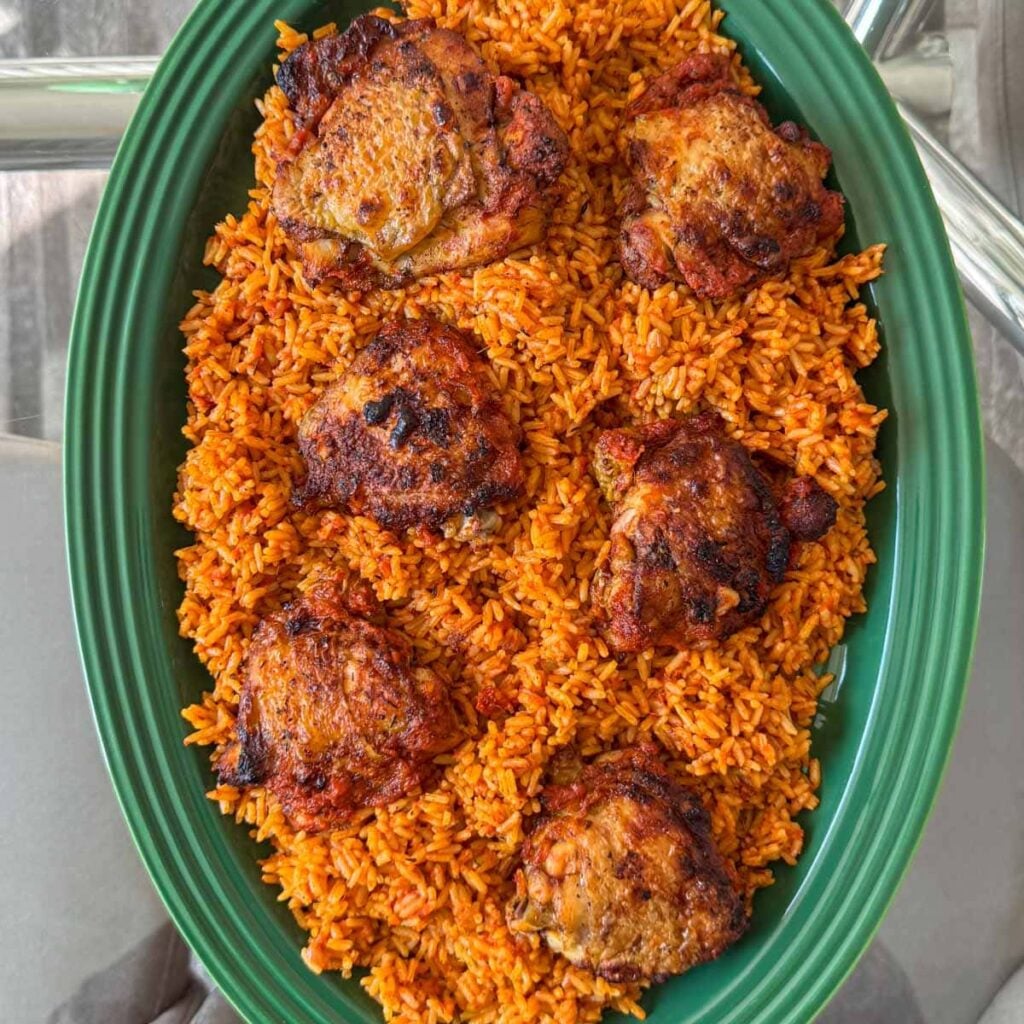
1. Jollof Rice
Jollof rice stands as West Africa’s most beloved dish. You’ll find it at weddings, birthdays, and family dinners across Nigeria.
This one-pot wonder combines rice with tomatoes, onions, peppers, and spices. The Nigerian version features sweet bell peppers and a signature smoky flavor that sets it apart.
You can serve it as a main dish or side. Popular pairings include fried plantains, grilled meat, or vegetable salad.
The recipe is straightforward and requires just one pot to make.

2. Egusi Soup
Egusi soup is one of Nigeria’s most loved dishes. You make it with ground melon seeds that create a rich, nutty flavor and thick texture.
The soup combines egusi seeds with palm oil, leafy greens, and your choice of meat or fish. You can use beef, goat, dried fish, or stockfish.
Ground crayfish and spices add more flavor. You’ll find this soup served across Nigeria and West Africa.
It pairs well with fufu, pounded yam, or rice. The recipe is simple and uses ingredients you can find at African markets.

3. Pounded Yam
Pounded yam is a smooth, stretchy dish that serves as one of Nigeria’s most popular swallows. You make it by boiling yam tubers and pounding them into a soft, dough-like texture.
The Yoruba people call it “iyan.” This dish works perfectly with Nigerian soups like egusi, ogbono, and okra soup.
You can prepare it using a traditional mortar and pestle or modern kitchen tools like a food processor. Pounded yam holds special importance at family gatherings and celebrations across Nigeria.
Its elastic texture makes it ideal for scooping up rich, flavorful soups.
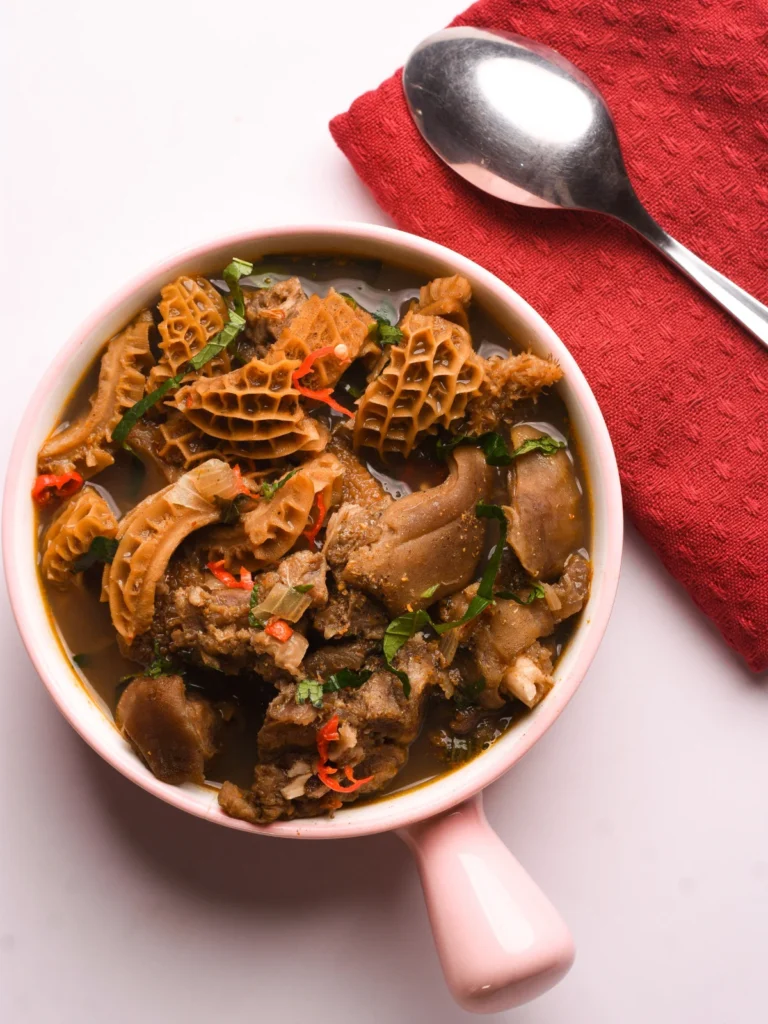
4. Nigerian Pepper Soup
Nigerian Pepper Soup is a spicy, flavorful broth that Nigerians enjoy year-round. You can make it with different proteins like goat meat, chicken, catfish, or beef.
The soup gets its bold taste from a blend of traditional spices including uziza, ehuru (calabash nutmeg), and scent leaf. Fresh lemongrass often adds extra aroma.
This dish is popular as comfort food during cold weather and rainy season. You’ll find it served by street vendors and in restaurants across Nigeria.
The broth is light but packed with warming heat and healing properties that make it perfect for any occasion.

5. Nkwobi
Nkwobi is a traditional Nigerian dish from the Igbo people of Southeastern Nigeria. You make it with cow foot that’s cooked until tender and served in a thick, spicy palm oil sauce.
The dish combines palm oil with ground crayfish, Cameroon pepper, and other spices to create rich flavors. You’ll often find it served as an appetizer or evening snack at local bars and gatherings.
This dish is popular for social occasions and pairs well with palm wine or cold beer. It’s known as an “oga” (boss) dish in Nigerian culture.

6. Suya
Suya is one of Nigeria’s most loved street foods. You’ll find these spicy grilled meat skewers sold by vendors across West Africa.
The dish features thin slices of beef coated in yaji, a peanut-based spice blend that creates a smoky, nutty flavor. You can make suya at home using your grill or oven.
The meat marinates in the spice mix before cooking, which takes about four hours total. Beef is the traditional choice, but you can also use chicken or other proteins.

7. Akara
Akara is a popular Nigerian breakfast food made from black-eyed peas. You blend the peeled beans with onions, peppers, and salt before deep-frying them into round fritters.
The result is a crispy golden exterior with a soft, fluffy center. You’ll often find akara served alongside pap or custard in the morning.
This street food favorite is also called koose in Ghana and acarajé in other parts of West Africa. You can enjoy it on its own or stuffed inside bread for an “akara burger.”

8. Moi Moi
Moi Moi is a steamed bean pudding that you’ll find at Nigerian gatherings and family meals. You make it with blended beans, peppers, and onions.
The dish works well for breakfast, lunch, or dinner. You can eat it on its own or pair it with rice, pap, or custard.
You have options when cooking Moi Moi. You can steam it in banana leaves for a traditional approach or bake it in ramekins for easier preparation.
Some recipes include fish or boiled eggs for extra protein.

9. Bitterleaf Soup
Bitterleaf Soup, called Ofe Onugbu in Igbo, comes from Eastern Nigeria. The name is misleading because the soup isn’t as bitter as you might think.
You make it with bitterleaf vegetables and your choice of meat, fish, or seafood. Cocoyam gives the soup a thick texture that makes it filling.
The bitter taste gets balanced with other ingredients to create a flavorful dish. This traditional soup offers both taste and nutrition in one bowl.

10. Ofada Rice and Ayamase
Ofada rice is an unpolished local rice from southwestern Nigeria with a nutty flavor and chewy texture. The rice has a distinct earthy aroma that makes it stand out from regular white rice.
Ayamase sauce, also called Designer Stew, is a smoky green pepper stew made with palm oil, assorted meats, and spicy peppers. You cook the sauce with green bell peppers to create its signature color and bold taste.
This dish appears at Nigerian parties and special occasions. You can serve Ayamase with white rice or boiled yam if you don’t have Ofada rice.
Core Ingredients and Cooking Techniques
Nigerian cooking relies on bold spices like cayenne pepper, ginger, and curry powder to create deep flavors. The traditional methods include slow-simmering stews, frying plantains in palm oil, and steaming bean cakes in banana leaves.
Essential Spices and Seasonings
Your Nigerian pantry needs cayenne pepper as a base for heat in most dishes. You’ll use this red powder in jollof rice, stews, and soups to build flavor layers.
Ground crayfish adds a distinct umami taste to soups and sauces. This dried and powdered ingredient comes from small freshwater shellfish.
Curry powder and thyme work together in Nigerian cooking. You’ll find these in rice dishes and meat preparations.
They create warm, aromatic notes. Fresh ginger and garlic form the foundation of many marinades.
You’ll blend these together with onions to season chicken, beef, and fish. Bouillon cubes are standard in Nigerian kitchens.
These concentrated flavor blocks season soups, rice, and stews. Stock cubes dissolve quickly in hot liquids.
Palm oil gives dishes their characteristic reddish color. This oil has a strong flavor that works in vegetable soups and stews.
Traditional Cooking Methods in Nigerian Cuisine
Slow-simmering creates the thick, rich stews Nigerian cuisine is known for. You’ll cook meat or fish in seasoned tomato bases for 45 minutes to two hours.
This method allows flavors to blend and intensify. Frying transforms plantains, yams, and bean cakes into crispy dishes.
You’ll use vegetable oil or palm oil heated to medium-high temperatures. Steaming works for dishes like moi moi, a bean pudding.
You’ll pour seasoned black-eyed pea batter into containers and steam them for 45-60 minutes. Grilling over charcoal adds smoky depth to fish and meat.
Nigerian cooks often pre-season proteins with pepper mixtures before grilling. This method is called suya preparation for meat skewers.
Pounding turns boiled yams or cassava into smooth dough. You’ll use a mortar and pestle or modern mixers for this traditional technique.
Cultural Context and Culinary Diversity
Nigerian food reflects the country’s remarkable ethnic diversity, with over 350 different groups contributing their own ingredients, cooking methods, and flavor profiles. The way Nigerians prepare and enjoy food varies greatly depending on where you are in the country and whether you’re eating a daily meal or celebrating a special occasion.
Regional Influences in Nigerian Dishes
Nigeria’s three main regions each have distinct cooking styles that shape the country’s food landscape. The southern region relies heavily on seafood, coconut, and palm oil, creating rich stews and soups.
You’ll find dishes here that use fresh fish, crayfish, and periwinkles as protein sources. The northern region uses more grains like millet, sorghum, and rice in their cooking.
These areas favor lighter soups and incorporate groundnuts and locust beans for flavor. Northern dishes tend to be less oily than their southern counterparts.
In the western region, you’ll encounter foods that emphasize yams, plantains, and cassava as staple ingredients. This area is known for dishes that combine sweet and savory elements.
The eastern region is famous for dishes that use lots of spices and strong flavors, including dishes made with bitter leaf and ukazi vegetables.
Festive and Everyday Food Traditions
Daily Nigerian meals typically consist of a starchy base paired with soup or stew. You might eat rice, yam, or cassava with vegetable soup for a regular weekday dinner.
These meals are practical, filling, and use ingredients that are easy to find. Special occasions call for more elaborate preparations.
Jollof rice appears at nearly every celebration, from weddings to birthday parties. Families prepare larger meat portions and multiple side dishes when guests visit.
Religious and cultural festivals bring out specific traditional foods. During Christmas, many families cook chicken stew and fried rice.
Muslim celebrations often feature tuwo and miyan kuka. These festive meals take longer to prepare and use more expensive ingredients than everyday cooking.
Frequently Asked Questions
Nigerian cuisine centers around dishes like Jollof Rice and Egusi Soup, with ingredients such as rice, tomatoes, palm oil, and various spices forming the foundation of most recipes.
Understanding basic cooking techniques and ingredient preparation helps you create authentic Nigerian meals at home.
What are some simple, yet popular Nigerian recipes for beginners?
Jollof Rice stands as the best starting point for beginners. You need rice, tomatoes, onions, peppers, and basic spices to create this one-pot dish.
Nigerian Pepper Soup offers another beginner-friendly option. The recipe requires meat or fish, pepper soup spice mix, and fresh peppers.
You simply boil the protein with spices until tender. Fried plantains work as an easy side dish.
You slice ripe plantains and fry them in oil until golden brown.
Start your week with Jollof Rice paired with fried plantains and coleslaw. Day two can feature Egusi Soup served with Pounded Yam or eba.
Plan Nigerian Pepper Soup for the third day as a lighter option. Add Nkwobi on day four for a spicy meat dish.
Mix in rice and stew on day five. Include beans dishes like moi moi or akara for day six.
Finish the week with a different soup variety like okra or bitterleaf soup served with fufu.
What are the essential ingredients needed for authentic Nigerian cooking?
Palm oil serves as the base for most Nigerian soups and stews. You need it for dishes like Egusi Soup and many traditional recipes.
Stock your pantry with these spices: curry powder, thyme, bouillon cubes, and ground crayfish. Fresh peppers including scotch bonnet, bell peppers, and tomatoes are necessary for nearly every dish.
Ground melon seeds create Egusi Soup. You also need onions, garlic, and various proteins like beef, chicken, or fish.
Starchy sides require yam flour, cassava flour, or plantain flour.
Can you recommend a few Nigerian dishes that are suitable for dinner occasions?
Jollof Rice works perfectly for dinner parties and special events. You can prepare large quantities and pair it with fried chicken, beef, or fish.
Nkwobi makes an excellent appetizer or main dish for gatherings. This spicy cow foot dish impresses guests with its rich palm oil sauce and authentic flavors.
Egusi Soup with Pounded Yam creates a traditional dinner experience. Nigerian Pepper Soup serves as a warming starter before the main course.
Fried rice Nigerian-style offers another crowd-pleasing option.
What traditional Nigerian foods are considered must-try for first-time visitors?
Jollof Rice tops the list as Nigeria’s most recognized dish. First-time visitors should try this tomato-based rice dish to understand Nigerian flavor profiles.
Egusi Soup represents traditional Nigerian soup culture. You eat it with a starchy side like Pounded Yam or eba.
Nigerian Pepper Soup showcases the country’s use of spices and heat.
Suya offers a taste of Nigerian street food. These spiced meat skewers deliver smoky, peppery flavors.
Puff puff provides a sweet snack option similar to doughnuts.
How is the preparation of Nigeria’s most famous dish typically done?
Jollof Rice preparation starts with creating a tomato base. You blend tomatoes, peppers, and onions together into a smooth paste.
Fry the blended mixture in oil until it reduces and darkens in color. This step takes 15 to 20 minutes and develops the dish’s signature flavor.
Add your spices, stock, and rice to the pot. Let the rice cook in the tomato mixture until it absorbs all the liquid.
Let the bottom slightly burn to create the prized crispy layer called “socarrat.” Some cooks finish the dish in the oven for even cooking.