
Oranges bring a bright, fresh flavor to desserts that works well year-round. The natural sweetness and tangy taste of citrus can make simple treats feel special.
This collection shows you how to use oranges in cakes, cookies, bars, and other desserts that are easy to make at home.
You’ll find recipes that use different parts of the orange, from the juice to the zest. Some desserts are light and refreshing, while others are rich and creamy.
The recipes range from classic favorites to creative new ideas that highlight orange flavor in different ways.
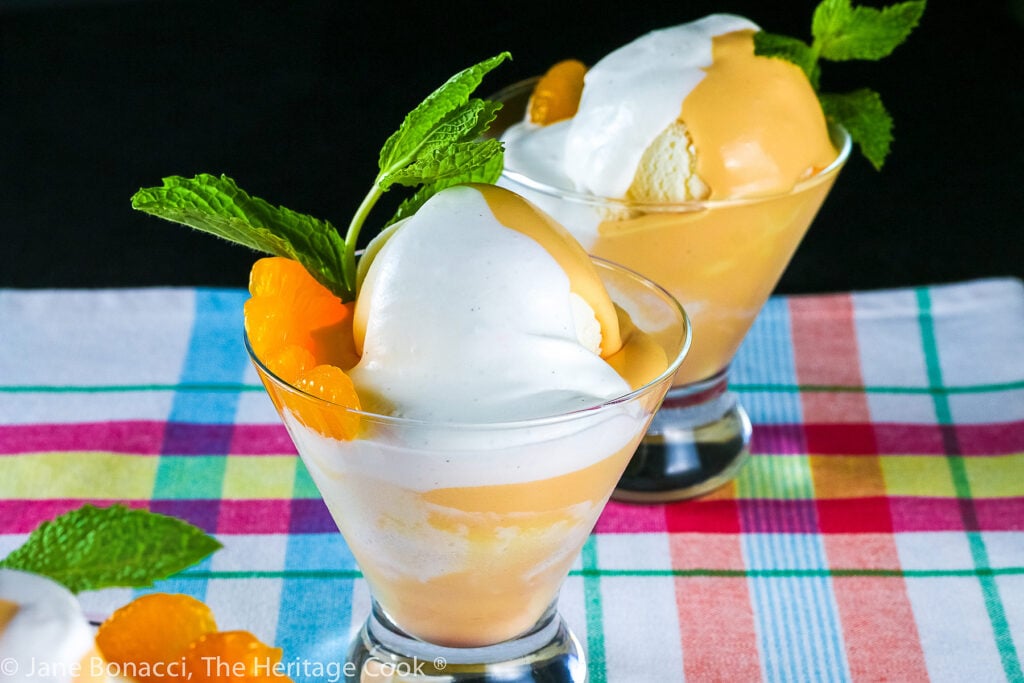
1. Orange Creamsicle Mousse
Orange Creamsicle Mousse brings together tangy orange and smooth cream in a light, airy dessert. You can make it with just a few basic ingredients.
The mousse needs orange juice, heavy cream, and a creamy base like mascarpone cheese. Whip these together to get a smooth texture that feels lighter than cheesecake or custard.
Serve it in individual cups and top with whipped cream or fresh orange segments.

2. Mandarin Orange Jello Salad
This retro dessert combines orange gelatin with vanilla pudding, Cool Whip, and mandarin oranges for a creamy, light treat. Add crushed pineapple and mini marshmallows for extra texture and sweetness.
The flavor reminds many people of orange creamsicles. You need just five or six basic ingredients, and it comes together in minutes.
Make it ahead since it needs to chill before serving.

3. Orange Pound Cake
Orange pound cake brings together rich butter and bright citrus flavors in one simple dessert. Orange zest and juice create a moist texture that lasts for days.
Bake this cake in a loaf pan or bundt pan. The dense crumb makes it perfect for slicing and serving at gatherings or enjoying with your afternoon tea.
Most recipes include an orange glaze on top. The sweet glaze adds extra citrus flavor and makes the cake look appealing.
You only need basic ingredients like butter, sugar, eggs, flour, and fresh oranges to make this dessert.

4. Orange Dream Bars
Orange dream bars give you creamy citrus flavor in every bite. Make them with a shortbread or graham cracker crust for a nice crunch.
The filling combines orange and cream cheese for a tangy, sweet taste similar to orange creamsicle popsicles. Most recipes are no-bake, so you just need to chill them in your fridge.
The orange flavor usually comes from gelatin or fresh juice. Customize these bars by swapping orange for lemon or strawberry if you want to try something different.

5. Orange Cheesecake
Orange cheesecake brings bright citrus flavor to a classic dessert. Mix fresh orange juice and zest into the cream cheese filling for a tangy taste that balances the rich, creamy texture.
Choose between baked versions for a firmer texture or no-bake recipes for speed and ease. Some recipes use a gingersnap crust instead of graham crackers for extra flavor.
Top your cheesecake with candied orange slices or a simple orange glaze.

6. Orange Trifle with Citrus Syrup
Orange trifle brings together layers of soft cake, creamy pudding, and fresh citrus in one beautiful dessert. The citrus syrup soaks into the cake layers, adding extra orange flavor to every bite.
Use vanilla or orange cake pieces, orange-infused pudding, and mandarin orange segments. Brush each cake layer with a simple citrus syrup made from orange juice and sugar.
Top everything with whipped cream for a light finish. This no-bake dessert works great for parties since you can make it ahead of time.

7. Orange Zest Cookies
Orange zest cookies bring fresh citrus flavor to your dessert table. Use orange zest and juice in both the dough and glaze for the best taste.
These cookies have a soft, chewy texture. The dough uses fresh orange zest, while a sweet glaze adds extra citrus punch.
Make them in about 30 minutes. They work well for parties or family treats.
The combination of buttery cookie base and tangy orange creates a balanced flavor that isn’t too sweet.

8. Orange Olive Oil Cake
Orange olive oil cake brings Mediterranean flavors to your dessert table. Use extra virgin olive oil instead of butter for a moist texture that lasts for days.
Combine fresh orange zest and juice with quality olive oil. This gives the cake a tender crumb and bright citrus taste.
Serve this cake plain or with a light frosting. It works well for breakfast, afternoon tea, or dessert.

9. Orange Poppy Seed Muffins
Orange poppy seed muffins bring bright citrus flavor to your breakfast table. Combine fresh orange zest and juice with poppy seeds for a moist, tender texture.
These muffins work well as a morning treat or afternoon snack. The orange zest adds a strong citrus taste, while the poppy seeds give a light crunch.
Make them in one bowl without complicated steps. Top them with a simple glaze made from orange juice and powdered sugar for extra sweetness.

10. Orange and Almond Tart
This tart pairs the bright flavor of citrus with rich, nutty almonds. The buttery crust holds a smooth almond filling enhanced with fresh orange zest.
Make it with regular oranges or try blood oranges for a deeper color and slightly different taste. The tart bakes until golden brown, creating a balance between sweet and tangy flavors.
It’s an elegant dessert that doesn’t require advanced baking skills.
Choosing the Best Oranges for Desserts
Different orange varieties bring distinct flavors and textures to your desserts, from the sweet juice of Valencias to the easy-peeling segments of Navels. Knowing which type to use and when they’re available helps you get the best results in your recipes.
Flavor Profiles of Popular Orange Varieties
Navel oranges work best for desserts where you need visible orange segments or thick zest. They’re seedless and easy to peel, which makes them perfect for tarts, trifles, and garnishes.
Their sweet flavor has low acidity, so they won’t overpower delicate desserts like custards or cream-based recipes.
Valencia oranges contain more juice than other varieties, making them your top choice for cakes, syrups, and glazes. They have a balanced sweet-tart flavor that holds up well when cooked.
These oranges may have a few seeds, but their high juice content makes them worth the extra effort of straining.
Blood oranges add a unique berry-like flavor and striking red color to your desserts. Their distinctive taste works well in sorbets, gelatos, and glazes where you want both visual appeal and complex flavor.
The pigment from blood oranges can create beautiful pink or red hues in your finished desserts.
Tips for Juicing and Zesting
Roll your oranges firmly on the counter before cutting to break down the internal membranes and release more juice. Room temperature oranges yield more juice than cold ones straight from the refrigerator.
Zest before you juice since it’s nearly impossible to zest an orange after you’ve cut it open. Use a microplane or fine grater to remove only the colored outer layer, avoiding the bitter white pith underneath.
One medium orange typically provides 1 to 2 tablespoons of zest and about 1/4 cup of juice.
Wash your oranges thoroughly before zesting, even if they’re organic. This removes any wax coating or residue from the peel.
Seasonal Availability and Selection
Peak orange season runs from November through May, with different varieties available at different times. Navels arrive first in winter, while Valencias peak in late spring and early summer.
Blood oranges have the shortest season, typically appearing from December through April.
Choose oranges that feel heavy for their size, which indicates high juice content. The skin should be firm and smooth without soft spots or bruising.
Color doesn’t always indicate ripeness since some ripe oranges can have green patches, especially Valencias.
Store oranges at room temperature for up to one week or refrigerate them for up to two weeks. Keep them in a mesh bag or open container to allow air circulation.
Techniques for Enhancing Orange Flavors
Get the most flavor from oranges by balancing their natural sweetness with acidity, choosing ingredients that complement citrus notes, and using proper techniques to infuse orange essence into creamy desserts.
Balancing Sweetness and Acidity
Taste your oranges before adding sugar to your dessert. Different orange varieties have different sugar levels.
Navel oranges tend to be sweeter, while Valencia oranges offer more tartness. Start with less sugar than you think you need.
You can always add more, but you can’t take it away. For every cup of orange juice, begin with 2-3 tablespoons of sugar and adjust from there.
Add a pinch of salt to your orange desserts. Salt enhances the natural sweetness of oranges and reduces any bitter notes from the pith or zest.
If your dessert tastes too sweet, add a squeeze of lemon juice. If it’s too tart, incorporate honey or maple syrup instead of granulated sugar for a more complex sweetness.
Pairing Oranges With Complementary Ingredients
Spices that work well with oranges include:
- Cinnamon
- Cardamom
- Vanilla
- Ginger
- Star anise
Chocolate and orange create a classic combination. Use dark chocolate with 60-70% cocoa content for the best balance.
The bitterness of chocolate offsets orange’s brightness. Cream cheese, mascarpone, and heavy cream provide rich backdrops that let orange flavors shine.
These dairy products temper acidity while adding smoothness. Nuts like almonds, pistachios, and hazelnuts add texture and earthy notes that ground orange’s bright taste.
Toast your nuts before adding them to intensify their flavor.
Infusing Orange Into Custards and Creams
Steep orange zest in warm milk or cream for 15-20 minutes before making custards. This pulls out the essential oils where most of the orange flavor lives.
Strain the zest out before proceeding with your recipe. Use both zest and juice for maximum impact.
The zest contains aromatic oils, while the juice provides acidity and liquid orange flavor. Add zest to the dairy base and juice after cooking.
Heat releases orange oils, so add zest early in the cooking process. Keep temperatures moderate (around 170°F) to avoid bitterness from the pith.
For cold creams like whipped cream or mousse, fold in orange zest along with a tablespoon of orange juice concentrate. The concentrate delivers intense flavor without adding too much liquid that could affect texture.
Frequently Asked Questions
Orange desserts work well for beginners and experienced bakers alike, with options ranging from no-bake treats to traditional recipes.
The right orange variety and preparation method can make a big difference in your final results.
What are some easy no-bake orange desserts I can make?
No-bake orange desserts save time and don’t require an oven. Make orange mousse by folding whipped cream with orange juice and zest, similar to Orange Creamsicle Mousse.
Mandarin Orange Jello Salad requires just a few minutes of mixing gelatin with fruit and letting it set in the refrigerator.
Orange cheesecake bars work well as a no-bake option when you use a graham cracker crust and cream cheese filling with fresh orange zest. Try orange parfaits by layering yogurt or whipped cream with orange segments and crushed cookies.
How to create healthy orange-based desserts?
Reduce sugar in orange desserts since oranges provide natural sweetness. Replace some of the sugar with orange juice or use ripe oranges that taste sweeter.
Greek yogurt works as a substitute for heavy cream in mousses and parfaits while adding protein. Use whole wheat flour instead of white flour in orange cakes and muffins for added fiber.
Make sorbets with just orange juice, a small amount of honey, and water for a light frozen treat.
What are traditional desserts featuring oranges?
Orange pound cake stands as a classic dessert that has been popular for generations. This dense, buttery cake uses both orange zest and juice in the batter and often includes an orange glaze.
Duck à l’orange originated in France, though the orange sauce technique also appears in desserts. Orange marmalade cake and orange custard date back centuries in European baking.
Candied orange peels became popular as both a standalone treat and a decoration for fancy desserts.
Which varieties of oranges are recommended for dessert recipes?
Navel oranges work best for most dessert recipes because they’re seedless and easy to work with. They have a sweet flavor that doesn’t require much added sugar.
Valencia oranges contain more juice, making them perfect for recipes that need fresh orange juice like glazes or syrups.
Blood oranges add a unique color and slightly berry-like flavor to desserts.
Mandarin oranges and clementines work well in no-bake desserts and salads because they’re already segmented and very sweet.
Can you suggest some simple recipes for orange desserts?
Orange Dream Bars require just a cake mix base, cream cheese filling, and orange flavoring. Mix the ingredients in layers and bake them together.
Orange Pound Cake needs basic pantry staples like butter, sugar, eggs, and flour. Add fresh oranges for flavor.
You can make a simple orange glaze by mixing powdered sugar with orange juice. Drizzle it over any cake or cookie.
Orange Cheesecake uses a standard cheesecake recipe. Add orange zest to the filling for extra flavor.