
Pasta is one of the most flexible dishes you can make at home. You can prepare it for a quick weeknight dinner or dress it up for a special gathering.
From classic Italian recipes to modern versions, pasta works for almost any meal.
You’ll find traditional favorites like spaghetti carbonara and fettuccine alfredo alongside vegetarian options and seafood dishes. The recipes include simple weeknight meals and more involved baked dishes that feed a crowd.
You’ll also learn basic tips for cooking pasta correctly and choosing the right wine to serve with your meal.

1. Classic Spaghetti Carbonara
Classic Spaghetti Carbonara brings together just five simple ingredients: pasta, eggs, cheese, cured pork, and black pepper. You can make this Roman dish in about 15 minutes.
Create a creamy sauce without scrambling the eggs by mixing eggs with grated Pecorino Romano cheese, then tossing with hot pasta off the heat.
Traditional recipes use guanciale, but pancetta works well too. Cook the pork until crispy, then combine everything while the pasta is still warm for a smooth, silky texture.
2. Creamy Fettuccine Alfredo
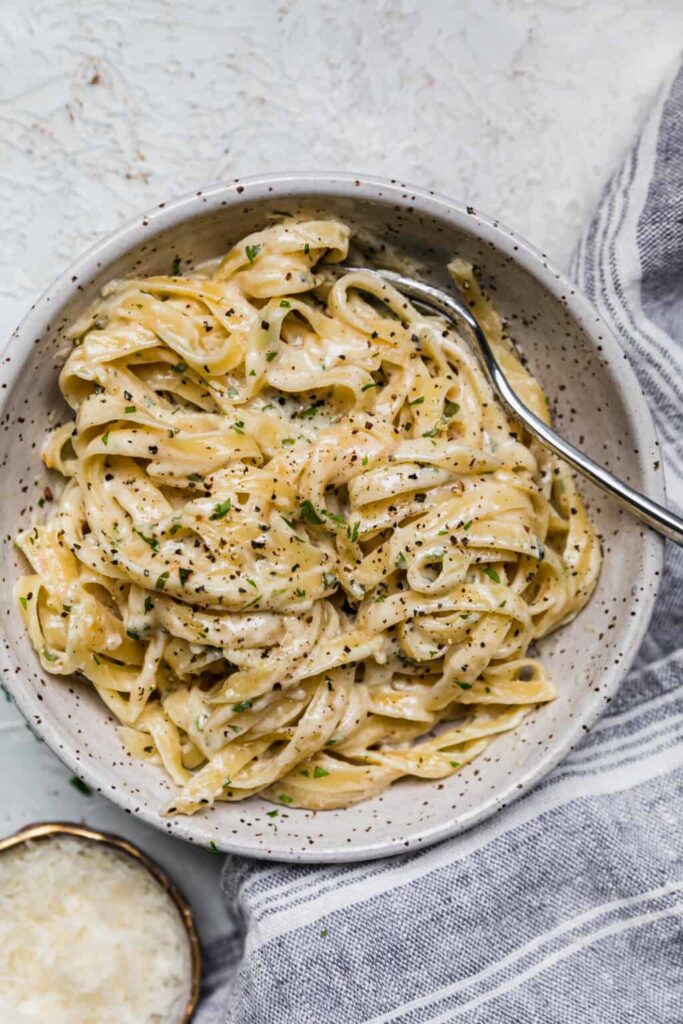
Fettuccine Alfredo brings together butter, cream, and Parmesan cheese to create a rich pasta dish. You can make this classic recipe in about 25 minutes with just a handful of ingredients.
The sauce coats each strand of fettuccine with a smooth, buttery mixture. Use good quality Parmesan cheese for the best flavor and texture.
This pasta works well for weeknight dinners or when you want something satisfying. The simple preparation makes it easy to master, even if you’re new to cooking pasta dishes.

3. Baked Ziti with Ricotta and Mozzarella
This Italian-American favorite combines tender ziti pasta with creamy ricotta and melted mozzarella. Layer the cooked pasta with tomato sauce and a ricotta mixture, then top it with mozzarella before baking.
The dish works well for family dinners or potlucks. You can prepare it ahead of time and bake it when needed.
The cheese blend creates a rich, satisfying meal. Some recipes add Parmesan for extra flavor.
Bake everything until the top turns golden and the cheese gets bubbly.

4. Vegetarian Pesto Pasta with Sun-Dried Tomatoes
This pasta combines traditional basil pesto with sun-dried tomatoes for a rich, flavorful meal. You can make it in about 20 minutes on busy weeknights.
The sun-dried tomatoes add a sweet and tangy taste that works well with the garlic and basil in the pesto. You can use any pasta shape you prefer.
Add vegetables like roasted asparagus or mushrooms to make the dish more filling. This recipe works as both a main course and a side dish for different occasions.
5. Shrimp Scampi Linguine
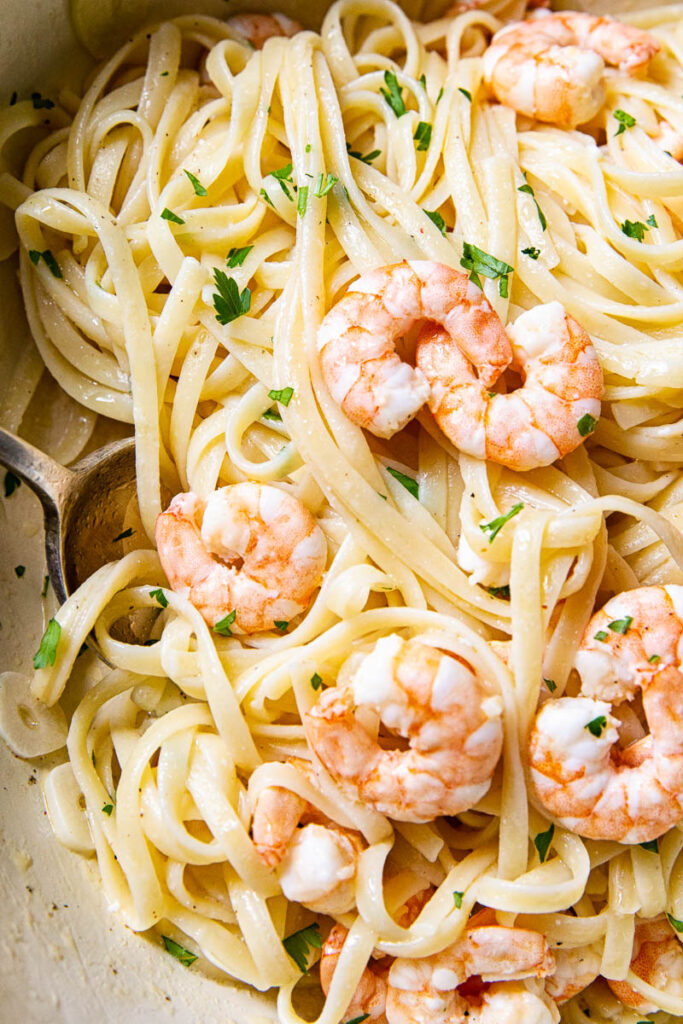
This classic Italian-American dish comes together in under 20 minutes. Cook tender shrimp in a simple sauce made with butter, olive oil, garlic, white wine, and fresh lemon juice.
The pasta cooks while you prepare the sauce, making this meal quick and efficient. The combination of garlic and lemon creates a light yet flavorful coating for the linguine.
You can serve this for weeknight dinners or special occasions. It’s restaurant-quality food you can make at home without complex techniques.

6. Chicken Marsala with Penne
Chicken Marsala with penne brings together tender chicken and mushrooms in a rich Marsala wine sauce. The penne pasta holds onto the creamy sauce well, making each bite satisfying.
Prepare this dish in about 30 minutes. The earthy mushrooms pair with the sweet Marsala wine to create balanced flavors.
This recipe works as a simple weeknight dinner or when you want something that feels special without much effort.

7. Four-Cheese Stuffed Shells
Four-cheese stuffed shells deliver rich, creamy comfort in every bite. Fill jumbo pasta shells with a blend of ricotta, mozzarella, parmesan, and romano cheeses, then bake them in marinara sauce until bubbly.
This dish works well for family dinners or when you need to feed a crowd. Prepare the shells ahead of time and refrigerate them until you’re ready to bake.
The combination of cheeses creates a smooth filling that pairs perfectly with tomato sauce. It’s a satisfying vegetarian option that even meat-lovers enjoy.

8. Mushroom and Spinach Lasagna
This vegetarian lasagna delivers rich flavor without meat. Layer tender pasta with sautéed mushrooms, fresh spinach, and creamy cheese.
The mushrooms add a hearty texture while the spinach brings color and nutrients. Use either fresh or frozen spinach for this recipe.
A creamy béchamel sauce ties everything together, making each bite smooth and filling. This dish works well for family dinners or when you need to feed a crowd.
Prepare it ahead of time and bake it when ready to serve.
9. Spaghetti Aglio e Olio
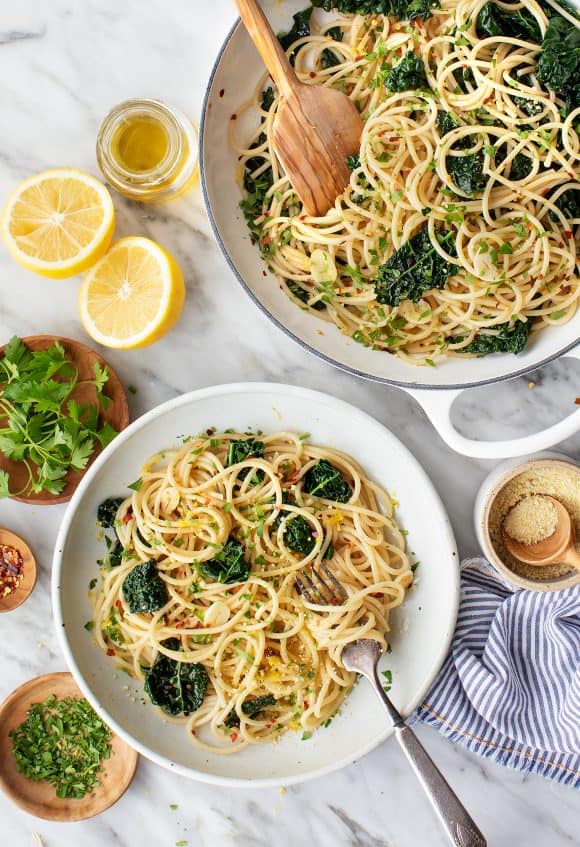
This Italian pasta dish uses just a few simple ingredients. You need garlic, olive oil, spaghetti, and red pepper flakes.
The recipe comes from Naples and takes about 15 minutes to make. Cook the garlic in olive oil until it smells good, then toss it with cooked pasta.
Some recipes add Parmesan cheese on top. The dish works well for busy weeknights when you want something quick and tasty.

10. Roasted Garlic and Tomato Pasta
This dish turns simple ingredients into something special. Roast cherry tomatoes and whole garlic cloves in the oven until they become sweet and soft.
The tomatoes get caramelized edges while the garlic mellows out. Toss everything with your cooked pasta, olive oil, and fresh basil.
The result is a light but flavorful meal that works for weeknight dinners or when you have guests over. You can add Parmesan cheese on top if you want.
Tips for Perfect Pasta Dishes
The difference between good pasta and great pasta comes down to three key elements: matching the right shape to your sauce, building layers of flavor, and nailing the texture through proper cooking.
Choosing the Right Pasta Shape
Pasta shapes aren’t just about looks. Each shape holds and carries sauce differently, which affects how your dish tastes with every bite.
Long, thin shapes like spaghetti and linguine work best with light, oil-based sauces or simple tomato sauces. The smooth surface lets the sauce coat evenly without weighing down the noodles.
Thicker long pastas like fettuccine pair well with cream-based sauces that cling to their wider surface.
Short shapes with ridges or tubes serve a different purpose. Penne, rigatoni, and fusilli trap chunky sauces in their grooves and hollows.
Use these when you’re working with meat sauces, vegetables, or thick ragùs. Stuffed pastas like ravioli and tortellini need only light butter or oil-based sauces.
Heavy sauces overpower the filling and make the dish feel dense. Small shapes like orzo and ditalini belong in soups where they add substance without overwhelming the broth.
Secrets to Flavorful Sauces
Your sauce needs proper seasoning and the right consistency to coat pasta effectively. Salt your sauce while it cooks, not just at the end.
This builds flavor throughout the cooking process. Save at least one cup of pasta cooking water before you drain.
This starchy, salty water is your secret weapon for adjusting sauce consistency. Add it a tablespoon at a time to thin sauces or help them cling better to the pasta.
Key flavor builders:
- Fresh garlic and herbs added at the right time
- Quality olive oil or butter as a base
- Parmesan or Pecorino cheese stirred in at the end
- A pinch of red pepper flakes for depth
Finish your pasta in the sauce pan, not just on top of drained noodles. Toss the pasta with sauce over low heat for 1-2 minutes.
This lets the pasta absorb the sauce and creates a unified dish instead of separate components.
How to Cook Pasta to Al Dente
Al dente means the pasta has a slight firmness when you bite it. This texture holds up better when tossed with sauce and tastes better than mushy, overcooked noodles.
Use four to six quarts of water per pound of pasta. More water prevents the pasta from sticking and maintains temperature when you add the noodles.
Salt the water generously—it should taste like seawater. This is your only chance to season the pasta itself.
Start checking your pasta two minutes before the package directions suggest. Pull out a piece and bite it.
You should see a tiny white dot in the center when you break it. That’s your target.
Drain the pasta when it’s slightly firmer than you want in the final dish. It will continue cooking when you toss it with hot sauce.
Never rinse your pasta unless you’re making a cold salad. The starchy coating helps sauce stick and adds body to your dish.
Pairing Pasta with Wine and Sides
The right wine and sides can transform your pasta dish from simple to special. Focus on matching wine to your sauce type and choosing sides that add contrast without competing with your main dish.
Wine Pairing Suggestions
Your wine choice should match the sauce, not the pasta shape. Tomato-based sauces pair well with medium-bodied red wines like Chianti or Sangiovese, which balance the acidity of the tomatoes.
Cream-based dishes need wines with enough acidity to cut through the richness. Try a crisp Pinot Grigio or Chardonnay with carbonara or alfredo.
These white wines prevent the meal from feeling too heavy. Oil-based sauces like aglio e olio work best with light white wines.
A Sauvignon Blanc or Vermentino complements the garlic and olive oil without overpowering the dish.
Seafood pasta calls for white wines that enhance the delicate flavors. Choose a Pinot Grigio for clam sauce or a dry rosé for shrimp dishes.
Meat-heavy sauces like bolognese need bold red wines. A Cabernet Sauvignon or Barbera has enough structure to stand up to the rich meat and tomato combination.
Complementary Side Dishes
A simple green salad with vinaigrette provides a fresh contrast to rich pasta dishes. The acidity cuts through creamy or oily sauces and cleanses your palate between bites.
Garlic bread remains popular because the crispy texture contrasts with soft pasta. Keep it simple with butter and herbs, or add cheese for extra richness.
Roasted vegetables add color and nutrition to your meal. Try asparagus, zucchini, or bell peppers seasoned with olive oil and salt.
These work especially well with lighter pasta dishes. Caprese salad offers a fresh option for summer meals.
The tomatoes, mozzarella, and basil complement Italian flavors without filling you up too much. For heartier meals, serve sautéed greens like spinach or broccoli rabe.
The slight bitterness balances sweet tomato sauces and adds vitamins to your plate.
Frequently Asked Questions
People often have questions about making pasta dishes at home, from finding the right recipe for family dinners to creating healthier versions of classic favorites.
These answers will help you pick the best pasta dishes for different situations and skill levels.
What are some top-rated pasta dishes for a cozy family dinner?
Baked Ziti with Ricotta and Mozzarella is a perfect choice for feeding your family. This dish combines pasta with creamy cheese and tomato sauce, and you can prepare it ahead of time.
Classic Spaghetti Carbonara also works well for family meals. It uses simple ingredients like eggs, cheese, and pasta to create a filling dinner in under 30 minutes.
Creamy Fettuccine Alfredo is another family favorite that kids and adults both enjoy. The rich, buttery sauce pairs well with the wide pasta noodles.
How can I make a healthier version of traditional pasta recipes?
Swap regular pasta for whole wheat or chickpea pasta to add more fiber and protein. These alternatives work in any recipe that calls for standard pasta.
Replace half the cream with milk or pasta water in dishes like Fettuccine Alfredo to use less cream and cheese. Add vegetables like spinach, zucchini, or cherry tomatoes to increase nutrients without changing the flavor much.
Choose olive oil instead of butter when possible. Use Greek yogurt or cauliflower puree in cream-based sauces to cut calories while keeping a creamy texture.
Could you suggest some unique pasta recipes that aren’t commonly known?
Pasta alla Gricia is a lesser-known Roman dish that uses only guanciale, pecorino cheese, and black pepper. It’s similar to carbonara but without the eggs.
Cacio e Pepe combines pasta water, pecorino cheese, and black pepper to create a creamy sauce. Mix the ingredients while the pasta is still hot so the cheese melts properly.
Pasta puttanesca uses olives, capers, and anchovies for a salty, bold flavor. Anchovies add depth without making the dish taste fishy.
What are Jamie Oliver’s best pasta dishes that I can try at home?
Jamie Oliver’s simple carbonara recipe uses only five ingredients and takes about 15 minutes to make. He focuses on using quality bacon or pancetta and fresh eggs.
His tomato and basil pasta teaches proper technique for making sauce from fresh tomatoes. Cook garlic in olive oil, add tomatoes, and finish with fresh basil.
Oliver’s tuna pasta combines canned tuna with lemon, chili, and pasta. It’s ready in the time it takes to boil the pasta.
What homemade pasta recipes can I make to impress my guests?
Shrimp Scampi Linguine looks fancy but is actually easy to make. The combination of garlic, white wine, butter, and shrimp creates a restaurant-quality dish.
Vegetarian Pesto Pasta with Sun-Dried Tomatoes offers bright colors and fresh flavors. Make the pesto from scratch with basil, pine nuts, and parmesan cheese.
Homemade ravioli filled with ricotta and spinach shows real cooking skill. While it takes more time than other pasta dishes, the results will impress anyone at your table.
What are the indispensable pasta dishes that every cook should know?
Every cook should know how to make Classic Spaghetti Carbonara. This Roman dish teaches you how to create a creamy sauce without using cream, just eggs and cheese.
Creamy Fettuccine Alfredo is another basic recipe you need in your cooking skills. It uses only butter, cream, and parmesan cheese.
A simple marinara sauce forms the foundation for many pasta dishes. When you make it with tomatoes, garlic, and olive oil, you can use it for countless meals.