
Persimmons are a fall and winter fruit that work well in both sweet and savory dishes. Their natural sweetness and soft texture when ripe make them a good choice for baking, cooking, and fresh preparations.
You can use them in everything from breakfast treats to dinner sides. This collection of persimmon recipes shows you how to make the most of this seasonal fruit with dishes like puddings, salads, soups, and baked goods.
You’ll find options that highlight both Hachiya and Fuyu varieties. The recipes include familiar favorites and new ideas to try.
You’ll also learn about the differences between persimmon types and get tips for selecting and preparing them. Whether you’re new to cooking with persimmons or looking for fresh ideas, these recipes give you practical ways to enjoy this fruit throughout the season.
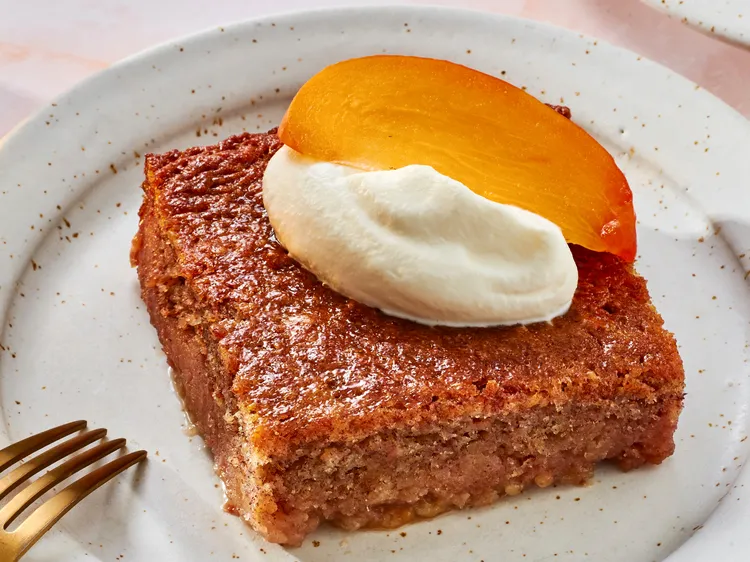
1. Hachiya Persimmon Pudding with Cinnamon and Nutmeg
Hachiya persimmon pudding is a moist, cake-like dessert that highlights the natural sweetness of ripe persimmons. You need to use fully ripe Hachiya persimmons for this recipe.
They should feel soft and jelly-like when ready. The pudding combines persimmon pulp with eggs, sugar, flour, and milk.
Cinnamon and nutmeg add warm spice notes that pair well with the fruit. Bake the mixture until it sets into a rich, dense texture.
Serve this traditional dessert warm with whipped cream or on its own.

2. Fuyu Persimmon and Arugula Salad with Pomegranate
This salad combines sweet Fuyu persimmons with peppery arugula and tart pomegranate seeds. You don’t need to peel the persimmons if they’re ripe enough.
The mix of flavors works well together. The sweetness of the persimmons balances the sharp taste of the arugula.
You can make this salad in about 15 minutes. Add a simple vinaigrette to bring all the ingredients together.
For extra flavor, crumble some feta or goat cheese on top.

3. Spiced Persimmon Muffins with Ginger and Honey
These muffins combine the natural sweetness of ripe persimmons with warm ginger and a touch of honey. The result is a moist, tender breakfast treat that works well any time of day.
You’ll need soft, ripe persimmons for this recipe. Their smooth texture blends easily into the batter and adds moisture to each muffin.
The ginger adds a gentle spice that complements the persimmon’s mild flavor. A drizzle of honey enhances the fruit’s natural sweetness.

4. Persimmon Bread with Walnuts and Orange Zest
This recipe adds orange zest to classic persimmon bread for extra flavor. The citrus brightens the natural sweetness of ripe persimmons.
Mix persimmon pulp with flour, spices, and chopped walnuts. Add the orange zest directly into the batter.
The bread bakes into a moist loaf with good texture from the walnuts. You can serve it for breakfast or as a snack.
It also freezes well if you want to save some for later.

5. Roasted Persimmon and Butternut Squash Soup
This soup combines two fall ingredients into one warming dish. Roast butternut squash and persimmons together before blending them into a smooth soup.
The natural sweetness from both ingredients creates a rich flavor without added sugar. You can use vegetable or chicken broth, depending on your preference.
Fuyu persimmons work best for roasting because they hold their shape better than Hachiya varieties. You’ll get a creamy texture even without dairy, especially if you add coconut milk.
This recipe fits vegan, paleo, and gluten-free diets.

6. Persimmon and Goat Cheese Crostini
You can make this elegant appetizer in minutes. Start by toasting thin baguette slices until golden and crisp.
Spread a layer of soft goat cheese on each piece. Mix the cheese with honey and fresh thyme for extra flavor.
Top with thin persimmon slices. Finish with a drizzle of honey or balsamic vinegar.
A sprinkle of sea salt and black pepper brings out the sweet and savory flavors. Add chopped walnuts or pomegranate seeds for texture and color.

7. Persimmon Risotto with Parmesan and Sage
This dish brings together sweet persimmons with savory parmesan and sage. You can make it in under 30 minutes for a quick weeknight meal.
Use Fuyu persimmons for this recipe since they hold their shape when cooked. The rice gets creamy while the diced persimmons add little bursts of sweetness.
The sage and parmesan balance out the fruit’s natural sugar. You’ll need arborio or carnaroli rice, hot vegetable stock, white wine, and grated parmesan cheese.
The persimmons soften as they cook into the risotto.

8. Persimmon Chutney with Ginger and Cloves
This chutney transforms ripe persimmons into a sweet and tangy condiment. Combine persimmons with fresh ginger, warm spices like cinnamon and cloves, and apple cider vinegar for balance.
The recipe works well with Fuyu persimmons. Prep your ingredients a day ahead to save time.
Serve this chutney alongside roasted meats or curry dishes. It also pairs nicely with cheese and crackers.
The combination of ginger and cloves gives it a warming flavor that makes it perfect for fall and winter meals.

9. Persimmon Jam with Lemon and Vanilla
You can make this jam with just a few simple ingredients. Start with about two pounds of ripe persimmons, one cup of sugar, and two tablespoons of lemon juice.
Add a vanilla bean for extra flavor. Remove the leafy tops from your persimmons and scoop out the soft pulp.
Put everything in a heavy-bottomed pot and simmer until thick. The persimmons have natural pectin, so you don’t need to add any.
This jam works well on toast or in desserts. You can finish it in under an hour.

10. Persimmon and Apple Crisp with Oat Topping
This dessert combines sweet persimmons with tart apples under a crunchy oat topping. You can use Fuyu persimmons since they work well in baked dishes.
The topping is made with oats, butter, and cinnamon for a simple preparation. The recipe takes about five minutes to prepare before baking.
Make it gluten-free by using oat flour or almond flour in the topping. Serve it warm with vanilla ice cream for a cozy winter treat.
Understanding Persimmons
Persimmons are orange fruits that shine in fall and winter cooking, offering a sweet, honey-like flavor that works in both dessert and savory dishes. You need to know the key differences between varieties and how to pick ripe fruit to get the best results in your recipes.
Types of Persimmons Used in Cooking
You’ll find two main types of persimmons at your grocery store or farmers market. Fuyu persimmons are short and squat, shaped like a tomato.
You can eat them while they’re still firm, and they have a crisp texture similar to an apple. Hachiya persimmons are acorn-shaped and larger.
These must be fully ripe before eating, or they’ll taste very bitter. When ripe, they become soft and have a pudding-like texture inside.
Fuyu persimmons work well when you need sliced fruit for salads or need to maintain shape in your dish. Hachiya persimmons are better for baking and recipes that call for persimmon pulp or puree.
You can scoop out the soft flesh from ripe Hachiyas or puree Fuyus in a blender depending on what your recipe needs.
How to Select and Store Persimmons
Pick Fuyu persimmons that feel firm with smooth, unblemished skin. The color should be deep orange.
Eat these right away or store them at room temperature for a few days. Choose Hachiya persimmons that feel heavy for their size.
If they’re not fully ripe, let them sit at room temperature until they feel very soft, almost like a water balloon. This can take several days to two weeks.
Store unripe persimmons at room temperature away from direct sunlight. Once Hachiyas reach full ripeness, refrigerate them for up to three days.
Fuyu persimmons can go in the fridge when ripe and will last about a week. Freeze persimmon pulp for up to six months for later use in baking.
Nutritional Benefits of Persimmons
Persimmons give you important vitamins and minerals without many calories. One medium persimmon has about 120 calories and provides significant amounts of vitamin A and vitamin C.
The fruit contains fiber that helps with digestion. You’ll also get antioxidants that support your overall health.
Persimmons provide manganese, which your body uses for bone health and metabolism. The high vitamin A content supports eye health and immune function.
Vitamin C helps your body heal wounds and absorb iron from other foods you eat.
Expert Tips for Cooking With Persimmons
Getting the most from persimmons requires understanding how to prepare them properly and which flavors complement their natural sweetness. The right techniques and ingredient pairings will transform this fall fruit into memorable dishes.
Preparation Techniques for Optimal Flavor
Choose the right variety for your recipe. Fuyu persimmons are firm and can be sliced or diced while still crisp.
Hachiya persimmons must be completely soft before eating, as unripe ones taste bitter and astringent. Check ripeness by gently pressing the fruit.
Ripe Hachiyas feel like a water balloon and their skin appears translucent. Ripe Fuyus yield slightly to pressure but maintain their shape.
Remove the leafy cap and any seeds before using. You can eat the skin of both varieties, though some people prefer to peel it.
For purees, scoop out the flesh with a spoon and blend until smooth.
Storage tips:
- Keep unripe persimmons at room temperature
- Speed up ripening by placing them in a paper bag with an apple
- Store ripe Hachiyas in the refrigerator for up to 3 days
- Ripe Fuyus last up to a week when refrigerated
Freeze persimmon puree in ice cube trays for later use in baked goods. This preserves the fruit for several months.
Culinary Pairings to Enhance Persimmon Dishes
Warm spices bring out persimmon’s natural flavor. Cinnamon, ginger, nutmeg, and cardamom work especially well in baked goods and breakfast dishes.
Best flavor combinations:
- Dairy: Cream cheese, Greek yogurt, ricotta, mascarpone
- Nuts: Walnuts, pecans, pistachios, almonds
- Sweeteners: Brown sugar, honey, maple syrup
- Citrus: Orange zest, lemon juice, lime
Savory applications benefit from aged cheeses like Parmesan or blue cheese. Add sliced Fuyus to salads with arugula and balsamic vinaigrette.
The fruit’s sweetness balances bitter greens and tangy dressings. Vanilla enhances persimmon’s flavor without overpowering it.
Use vanilla extract in puddings, cakes, and custards. Fresh herbs like rosemary and thyme create interesting contrasts in savory dishes.
Frequently Asked Questions
Persimmons work well in both sweet and savory cooking, and knowing how to prepare them properly makes all the difference. These common questions cover everything from healthy meal ideas to understanding different persimmon varieties.
How can I incorporate persimmons into a healthy meal?
Add sliced Fuyu persimmons to salads with leafy greens like arugula or spinach. The natural sweetness pairs well with nuts, seeds, and light vinaigrettes.
Persimmons also work as a healthy breakfast option when you slice them into oatmeal or yogurt bowls. Roast persimmons with vegetables like butternut squash for a nutritious side dish.
Blend roasted persimmons into soups for added vitamins and natural sweetness without extra sugar.
What are some savory dishes that feature persimmons as a main ingredient?
Roasted persimmon and butternut squash soup combines the fruit’s sweetness with savory vegetables. Puree the roasted ingredients with vegetable stock and warm spices for a filling meal.
Persimmons work well in grain bowls with quinoa or rice. Add roasted persimmons to dishes with roasted vegetables, nuts, and a protein source.
Slice firm Fuyu persimmons into stir-fries or serve them alongside roasted meats.
What is the best way to prepare dried persimmons for cooking?
Rehydrate dried persimmons before using them in most recipes. Soak them in warm water for 20 to 30 minutes until they soften.
You can also soak them in juice or tea for added flavor. After soaking, drain the persimmons and pat them dry.
Chop them into smaller pieces if your recipe calls for it. Use rehydrated persimmons in baked goods, compotes, or grain dishes.
Can you suggest a persimmon bread recipe?
Persimmon bread with walnuts and orange zest uses ripe Hachiya persimmons for a moist texture. Scoop out the flesh of very soft Hachiyas to get about one cup of persimmon pulp.
Mix the persimmon pulp with flour, sugar, eggs, and oil. Add chopped walnuts and orange zest for extra flavor and texture.
Bake the batter in a loaf pan at 350°F for about one hour until a toothpick comes out clean.
Are there any easy dessert recipes that highlight the flavor of persimmons?
Spiced persimmon muffins with ginger and honey are simple to make and ready in under an hour. Mix persimmon pulp into a basic muffin batter with warm spices.
Hachiya persimmon pudding with cinnamon and nutmeg is another easy option. Mix very ripe persimmon pulp with eggs, milk, and spices, then bake until set.
Serve these desserts warm or at room temperature.
How do Fuyu persimmons differ in recipes compared to other varieties?
Fuyu persimmons are firm and crisp. You can slice them raw for salads and fresh dishes.
They hold their shape when cut. You don’t need to wait for them to become fully soft before eating.
You can use Fuyu persimmons like apples in recipes that call for firm fruit.
Hachiya persimmons must be very soft and ripe before you use them. They work best in baked goods and puddings.
These recipes often need pureed fruit. Unripe Hachiyas give you an unpleasant, bitter taste because of the high tannin content.