
Phyllo dough is a thin, flaky pastry that works for both sweet and savory recipes. You can use it to make impressive dishes without needing advanced cooking skills.
This versatile ingredient deserves a spot in your freezer. Phyllo dough can turn basic ingredients into elegant appetizers, main dishes, and desserts with minimal effort.
You’ll find recipes ranging from traditional Greek dishes to creative modern takes. Whether you want to make a classic baklava, a savory vegetable tart, or delicate appetizers, phyllo dough makes the process simpler than you might think.
This guide shows you how to work with phyllo dough and includes recipes for different occasions. You’ll learn practical tips for handling the delicate sheets and discover serving ideas that make your dishes look polished and professional.
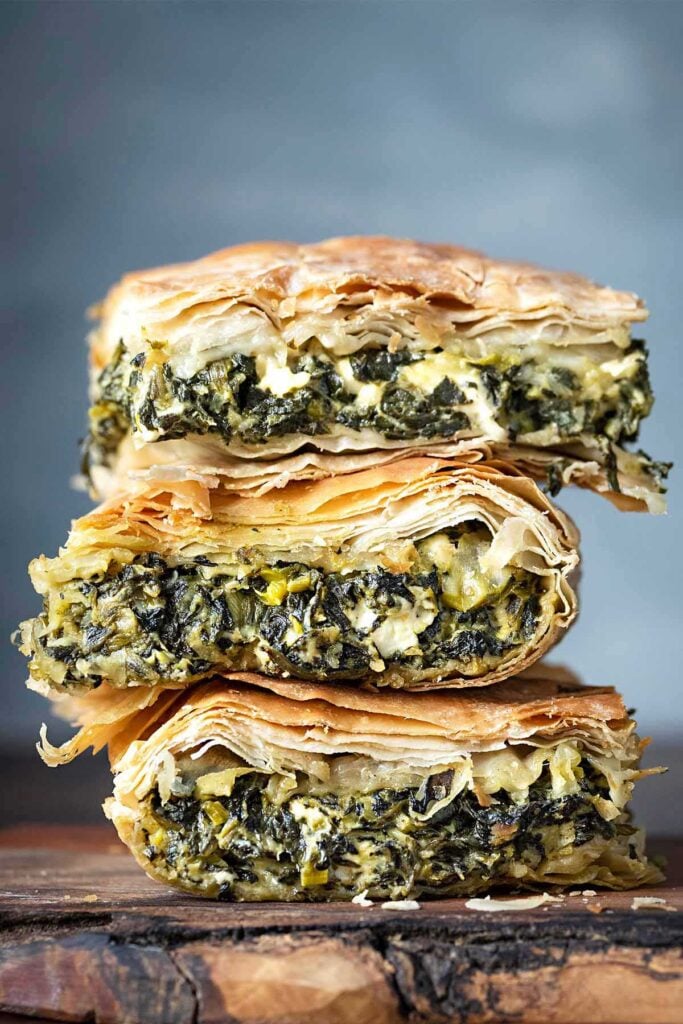
1. Classic Greek Spanakopita
Spanakopita is a traditional Greek spinach pie that showcases phyllo dough at its best. You’ll layer thin sheets of phyllo with a savory filling of spinach, feta cheese, and fresh herbs.
Brush each phyllo layer with olive oil or melted butter to create golden, crispy layers. Serve spanakopita warm or at room temperature as an appetizer or main dish.
The combination of flaky pastry and creamy filling works well for any meal.

2. Baklava with Pistachios and Honey
Baklava stands out as one of the most popular phyllo dough desserts. You layer thin sheets of buttered phyllo dough with finely chopped pistachios, then bake until golden and crisp.
Pour a honey syrup over the hot baklava to soak through the layers and add sweetness. Serve this Middle Eastern treat at special occasions or as an after-dinner dessert.
The recipe takes about 90 minutes to complete and creates a nutty, flaky pastry with a sticky-sweet finish.

3. Savory Roasted Vegetable Tart
This tart combines roasted vegetables with crispy phyllo pastry for a light yet satisfying dish. Use zucchini, bell peppers, eggplant, onions, and cherry tomatoes as your base.
Roast your vegetables at 360°F for about 15 minutes. Layer phyllo sheets in your tart pan and brush them with melted butter between each layer.
Add a ricotta or feta cheese mixture as your base, then arrange the roasted vegetables on top. The phyllo creates a flaky crust that stays crisp while holding the filling perfectly.

4. Buttermilk Cream Pie with Phyllo Crust
Create a lighter version of traditional cream pie by using phyllo dough instead of regular pie crust. The thin layers bake into a crispy shell that holds the smooth buttermilk filling perfectly.
Brush each phyllo sheet with melted butter and layer them in your pie pan. Bake the dough until golden brown before adding the filling.
The tangy buttermilk cream contrasts nicely with the flaky crust. This dessert works well for spring and summer gatherings when you want something sweet but not too heavy.

5. Caviar Tartlets with Dill Cream
These elegant appetizers combine crispy phyllo shells with creamy filling and luxurious caviar. Use frozen mini phyllo shells and bake them according to package directions.
Mix sour cream with fresh dill and a touch of lemon zest for the filling. Spoon about half a teaspoon of the dill cream into each shell.
Top each tartlet with a small amount of caviar. Use any type of fish roe based on your budget.
Garnish with fresh dill or chives before serving.

6. Peach Berry Cream Puff Phyllo Tart
This dessert combines fresh peaches and berries with layers of crispy phyllo dough. The flaky pastry pairs with the sweet fruit filling and creamy center.
Use fresh or frozen fruit for this tart. You can make this tart in about 35 minutes, making it perfect for last-minute gatherings.
The phyllo dough creates a light, crispy base. Add a dollop of whipped cream or vanilla ice cream on top for extra richness.

7. Spinach and Feta Phyllo Triangles
These crispy pastries combine spinach and tangy feta cheese wrapped in flaky phyllo layers. Serve them as appetizers or snacks for any gathering.
Remove extra moisture from the spinach before filling to keep your triangles crispy. Fold each triangle by layering phyllo sheets and brushing them with butter or oil.
The filling typically includes spinach, feta, and herbs. Bake until golden brown and crispy.
You can make them ahead and freeze them for easy entertaining.

8. Roasted Winter Vegetable Baklava
This savory version of baklava uses phyllo dough in a completely new way. Layer the sheets with roasted winter vegetables like potatoes, parsnips, and fennel instead of the traditional sweet filling.
Brush the phyllo with olive oil and fill with a walnut and breadcrumb mixture. Roast root vegetables until they’re tender and golden.
Some recipes add feta cheese for extra flavor. Bake everything until the phyllo turns crispy and golden brown.
Serve as a main course or side dish for winter meals.
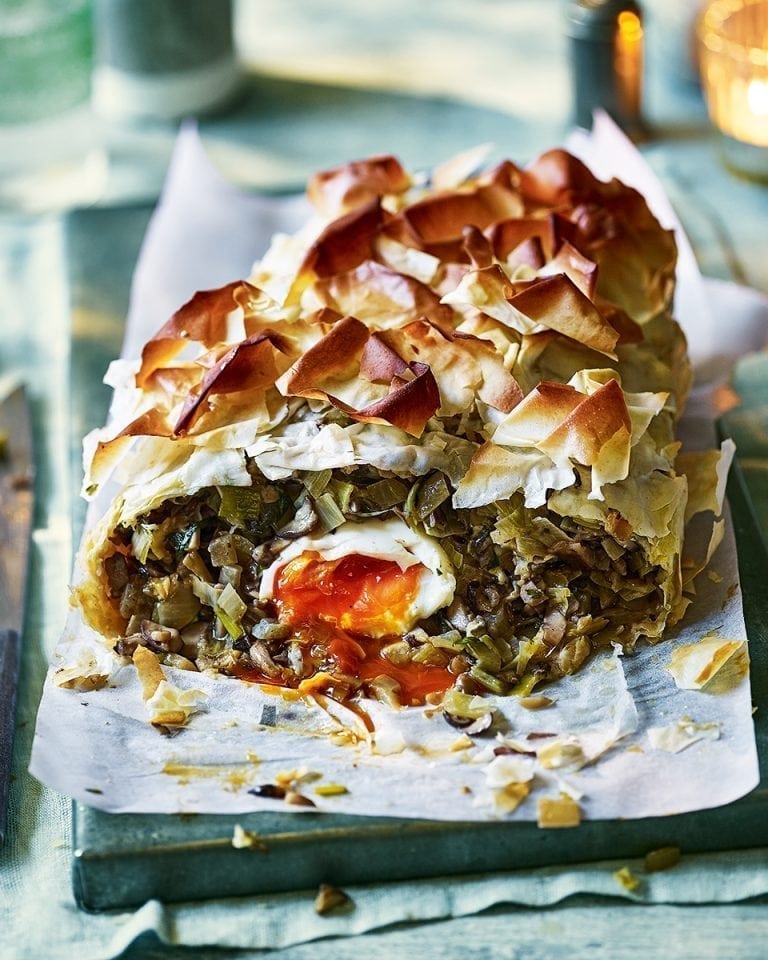
9. Mushroom and Leek Phyllo Pie
This vegetarian pie combines earthy mushrooms with mild, sweet leeks wrapped in crispy phyllo layers. The filling often includes cheese like Parmesan or feta for extra richness.
Serve this dish as a main course for dinner or cut it into smaller portions for appetizers. The contrast between the crunchy phyllo exterior and creamy mushroom filling makes each bite satisfying.
Store-bought phyllo dough works perfectly for this recipe. You don’t need to make it from scratch to get great results.

10. Honey Walnut Phyllo Rolls
Honey walnut phyllo rolls combine crispy layers of buttery pastry with a sweet nut filling. Brush each sheet of phyllo dough with melted butter, then add a mixture of crushed walnuts and warm spices like cinnamon.
Bake the rolls until golden brown and crispy. After baking, drizzle them with honey or a simple honey syrup while they’re still warm.
These rolls work well as a dessert or afternoon snack. You can make them ahead of time since they stay crispy for a day or two when stored properly.
Tips For Working With Phyllo Dough
Phyllo dough requires careful handling because of its paper-thin texture. A few simple techniques will help you achieve crispy, flaky results every time.
Keep the dough moist while you work, handle it gently, and avoid rushing through the process.
How To Keep Phyllo Sheets From Drying Out
The biggest challenge with phyllo is preventing it from drying out and cracking. Once exposed to air, the sheets become brittle in just a few minutes.
Keep your unused phyllo covered with a slightly damp kitchen towel at all times. Place the sheets on a clean work surface and drape the towel over them immediately after unrolling.
Don’t let the towel get too wet, or the dough will turn soggy. Work with one sheet at a time.
Remove a single sheet from under the towel, close the package back up, and keep everything else covered. This lets you focus on layering and brushing without worrying about the rest drying out.
If you notice a sheet starting to crack, brush it lightly with melted butter or oil. This adds moisture back to the surface and helps keep it workable.
Layer a slightly damaged sheet between two good ones where it won’t be as visible.
Best Practices For Handling And Storage
Thaw frozen phyllo in the refrigerator overnight, never at room temperature. Quick thawing causes condensation that makes the sheets stick together.
Let the dough sit at room temperature for about 30 minutes before unrolling to prevent cracking. Handle the sheets gently since they tear easily.
If a sheet rips, don’t throw it away. Patch small tears with another piece or use torn sheets in middle layers where they won’t show.
Store unopened phyllo in the freezer for up to three months. Once opened, wrap any unused dough tightly in plastic wrap, place it in an airtight container, and refrigerate for up to three days.
Don’t refreeze thawed phyllo because it becomes too fragile to use. Keep your work area clean and dry.
Even small amounts of moisture on your countertop can make the sheets stick and tear.
Common Mistakes To Avoid
Don’t skip the butter or oil between layers. Each sheet needs a light coating to create the flaky texture phyllo is known for.
Use a pastry brush to apply thin, even layers of melted butter or oil. Avoid using too much filling.
Overstuffing causes the phyllo to tear and leak during baking. Use about two tablespoons of filling per piece for appetizers, and spread it evenly.
Don’t bake at too low a temperature. Phyllo needs heat between 350°F and 375°F to crisp up properly.
Lower temperatures result in soggy, pale pastry instead of golden, crispy layers. Have all your ingredients and tools ready before you unwrap the dough.
This includes melted butter, filling, baking sheets, and your pastry brush.
Serving And Presentation Ideas
Phyllo dough dishes deserve thoughtful presentation and complementary sides to showcase their delicate, flaky texture. The right pairings and plating techniques can turn simple phyllo recipes into memorable meals.
Pairing Phyllo Recipes With Sides
Savory phyllo appetizers pair well with fresh green salads dressed in light vinaigrettes. The crisp greens balance the richness of cheese-filled triangles or meat-stuffed pastries.
For spinach and feta phyllo dishes, serve with tzatziki sauce, hummus, or a yogurt-based dip on the side. Sweet phyllo desserts like baklava need strong coffee or hot tea to cut through their sweetness.
Serve them with vanilla ice cream or lightly sweetened whipped cream. Main dish phyllo pies work alongside simple sides that don’t compete with the pastry.
Try roasted vegetables, cucumber tomato salad, or lemon-dressed greens. A balsamic glaze adds depth when drizzled over savory phyllo tarts.
Presentation Tips For Entertaining
Serve phyllo appetizers warm rather than hot to preserve their crispness. Arrange them on platters with fresh herbs like dill or parsley for color contrast.
Space pieces apart so the flaky layers stay visible and intact. Cut phyllo dishes into clean, even portions using a sharp knife.
For triangles and squares, arrange them in rows or circular patterns on serving plates. Phyllo cups should sit upright to display their fillings.
Garnish plates with lemon wedges, fresh herbs, or light dustings of powdered sugar for sweet versions. White or light-colored serving dishes make phyllo pastries stand out visually.
Keep portions bite-sized for appetizers to make eating easier at parties.
Frequently Asked Questions
Phyllo dough works for both sweet and savory cooking, from appetizers to desserts. Understanding how to use it properly helps you make better dishes and avoid common problems.
What savory dishes can I make with phyllo dough?
You can make Greek spanakopita filled with spinach and feta cheese. Phyllo dough also works well for cheese-filled appetizers and savory tarts with roasted vegetables.
Börek is another option that uses phyllo sheets with various fillings like meat, cheese, or potatoes. You can create tartlets topped with caviar and dill cream for elegant party food.
Can you suggest some phyllo dough recipes for dessert?
Baklava is the most popular phyllo dessert, made with layers of nuts and honey syrup. You can use pistachios, walnuts, or almonds for the filling.
Buttermilk cream pie with a phyllo crust offers a lighter alternative to traditional pie crusts. Apple desserts work well too when you layer phyllo sheets with chopped apples and bake until golden.
Milk pies are another sweet option that combines custard fillings with crispy phyllo layers.
Spanakopita makes an excellent main course or side dish for dinner. A roasted vegetable tart with phyllo provides a satisfying vegetarian entrée option.
You can also make stuffed pumpkins wrapped in phyllo for a seasonal dinner dish. Savory pies with cheese and herbs work as appetizers or light dinner options.
What are some breakfast ideas that incorporate phyllo dough?
You can make breakfast pastries by filling phyllo with eggs, cheese, and vegetables. These hand-held items are easy to eat and reheat well.
Phyllo cups filled with scrambled eggs or egg custard offer a different way to serve breakfast. Sweet breakfast options include phyllo filled with cream cheese and fruit or honey.
What are the common mistakes to avoid when working with phyllo dough?
Never leave phyllo dough uncovered while you work with it because it dries out quickly. Keep unused sheets under a damp towel to maintain moisture.
If you use too little butter or oil between layers, the sheets stick together and don’t crisp properly. Brush each layer lightly but thoroughly with melted butter or oil.
Don’t try to refreeze phyllo once you’ve thawed it. Refreezing damages the delicate sheets and makes them unusable.
Are there alternative uses for phyllo dough in unconventional recipes?
You can use phyllo as a crispy topping for casseroles instead of breadcrumbs.
Crumple phyllo sheets and bake them until crispy to add texture to salads.
Phyllo works as a wrapper for spring rolls and dumplings when you want a lighter, crispier result.
Some recipes use phyllo to make ice cream sundae cups.
You can also use phyllo as a base for pizza-style appetizers.
Cut phyllo into strips and fry them for homemade crackers or chips.