
Seafood offers a wide variety of flavors and textures that can fit any meal plan. From the coast to your kitchen, these dishes bring fresh tastes that work for weeknight dinners or special occasions.
Whether you prefer shellfish or fin fish, you have many ways to prepare seafood that highlight its natural qualities. This collection includes classic recipes like crab cakes and lobster rolls alongside simple preparations that make cooking seafood at home easy and enjoyable.
You’ll find options that range from quick sheet pan meals to more involved dishes like whole roasted fish. Each recipe focuses on bringing out the best in quality seafood without requiring advanced cooking skills.
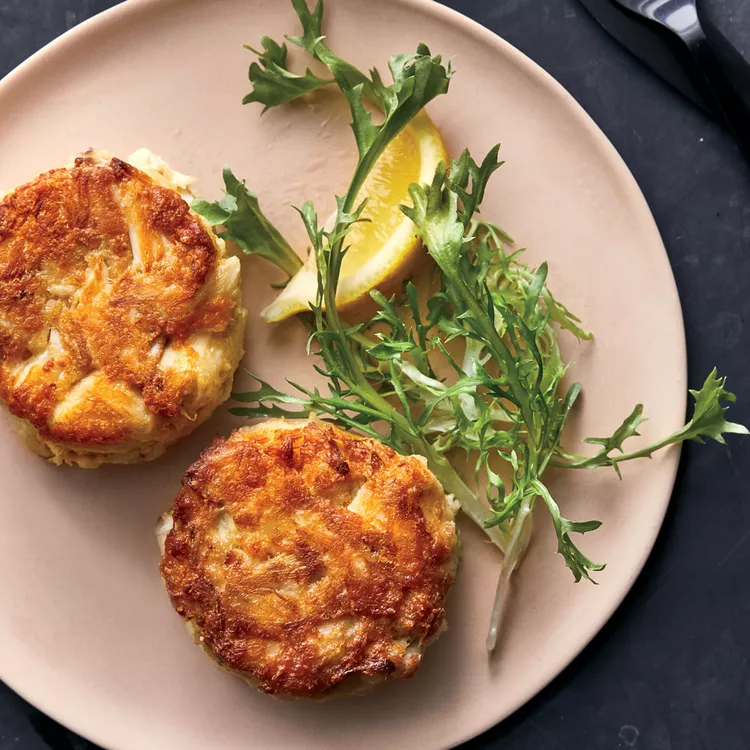
1. Baltimore-Style Crab Cakes
Baltimore-style crab cakes let the crab meat shine. You’ll use lump crab meat with minimal filler, which sets these apart from other versions.
Keep it simple. You need crab meat, a light binder like mayonnaise or egg, and Old Bay seasoning.
Some recipes add mustard or Worcestershire sauce for depth. Your crab cakes should be mostly crab, not bread crumbs.
Mix gently to keep the lumps intact. Pan-fry them until golden on each side, about three minutes per side.

2. Maine Lobster Rolls
Maine lobster rolls bring the taste of New England’s coast to your table. You’ll need fresh lobster meat, preferably from the claws and knuckles for the sweetest flavor.
Mix chunks of lobster with a light coating of mayonnaise, lemon juice, and a pinch of salt. Serve the mixture in a toasted, buttered roll.
Pair your lobster rolls with potato chips and pickles for a traditional meal. Let the fresh lobster shine without overdressing it.

3. Whole Roasted Branzino
Cooking a whole branzino is easier than you might think. The fish cooks in about 20 to 30 minutes, and the bones and skin help prevent it from drying out.
Stuff the fish with lemon slices, fresh herbs like rosemary or thyme, and garlic cloves. These ingredients add flavor while the fish roasts.
Drizzle olive oil and sprinkle salt and pepper for seasoning. The result is moist, flaky fish that looks impressive on your dinner table.

4. Grilled Oysters with Garlic Butter
Grilled oysters with garlic butter offer a simple way to enjoy fresh seafood. Start by heating your grill to medium-high heat and shucking the oysters, keeping the meat in the deeper half of each shell.
Mix softened butter with minced garlic, chopped parsley, lemon juice, and a pinch of salt and pepper. Place the oysters on the grill and add a spoonful of the garlic butter to each one.
Grill them for about 5-8 minutes until the butter melts and bubbles.

5. Squid Ink Pasta with Seafood
Squid ink pasta brings a striking black color and subtle briny flavor to your dinner table. You can find it at specialty stores or order it online.
This dish pairs beautifully with shrimp, scallops, and calamari. The seafood complements the pasta’s natural ocean taste.
Cook your seafood in olive oil with garlic and white wine for a simple sauce. Cherry tomatoes add brightness and color to the dark noodles.
The recipe comes together in under 30 minutes, making it perfect for weeknight dinners.

6. Shrimp Sheet Pan Dinner
Sheet pan shrimp dinners make weeknight cooking simple. Toss shrimp and vegetables on one pan, season them, and roast everything together.
The cooking time is quick, usually under 30 minutes from start to finish. Cleanup is easy since you only use one pan.
Pair shrimp with potatoes, asparagus, bell peppers, or any vegetables you like. Add garlic, lemon, and olive oil for basic seasoning that works every time.
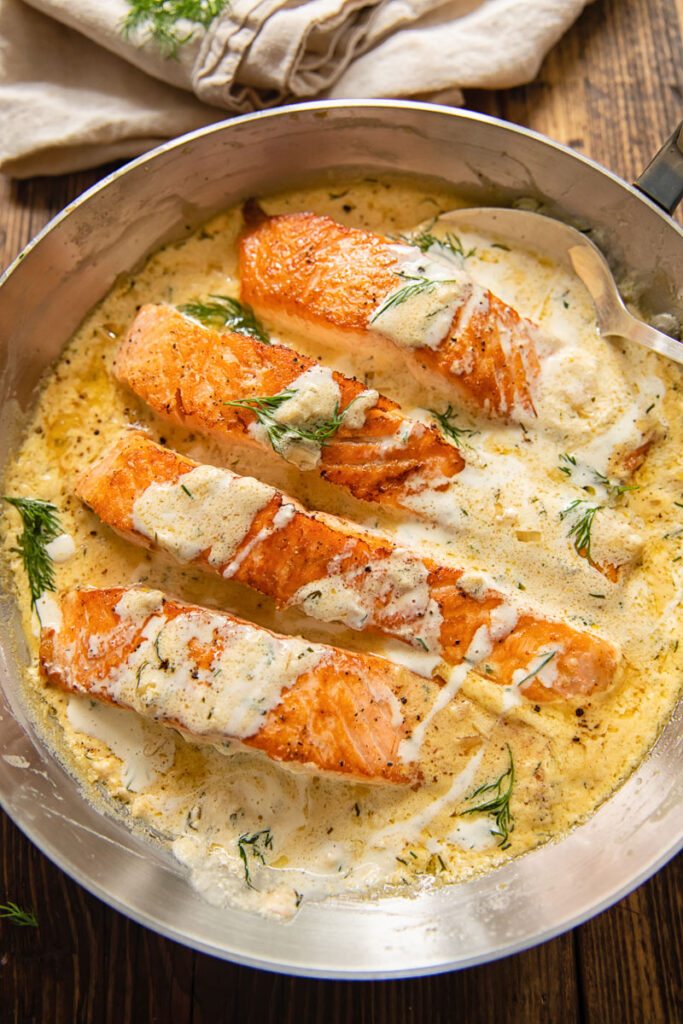
7. Salmon with Lemon Dill Sauce
You can prepare this classic dish in under 30 minutes. Start by searing your salmon fillets in a hot pan until they develop a golden crust.
The sauce combines fresh lemon juice and chopped dill with butter or cream. Some recipes use yogurt or crème fraiche for a lighter option.
The bright citrus and herb flavors pair perfectly with the rich salmon. Serve this with rice, roasted vegetables, or a simple salad for a complete meal.

8. Tuna Casserole
Tuna casserole is a classic American comfort food that brings warmth to your dinner table. You’ll combine egg noodles with canned tuna, creating a budget-friendly meal your family will enjoy.
The traditional recipe includes cream of mushroom soup, milk, and peas mixed with flaky tuna. Top it with breadcrumbs or potato chips for a satisfying crunch.
This one-pot dish takes less than 30 minutes to prepare. Simple ingredients like cheddar cheese and garlic transform into a creamy, filling dinner that works perfectly on busy weeknights.

9. Seared Scallops with Herb Butter
You can make restaurant-quality scallops at home with just a few ingredients. Pat your scallops dry and season them before placing them in a hot pan.
Get a golden-brown crust while keeping the inside tender. Once seared, add butter with fresh herbs like parsley, thyme, or chives.
Garlic makes the sauce even better. This dish takes less than 15 minutes to prepare.
Serve your scallops right away while the butter sauce is warm and the scallops are at their best.

10. Fisherman’s Pie
Fisherman’s Pie brings the comfort of shepherd’s pie together with your favorite seafood. You’ll find tender pieces of fish like cod or salmon mixed with shrimp in a creamy sauce.
The filling sits under a layer of mashed potatoes that turns golden when baked. Use different types of seafood based on what you like or have available.
The creamy sauce typically includes white wine, cream, and seasonings that let the seafood flavors stand out.
Essential Tips for Cooking Seafood
Fresh seafood starts with smart shopping and proper handling techniques. Understanding how to select quality ingredients, store them correctly, and avoid typical cooking errors will help you prepare better seafood dishes at home.
Selecting the Freshest Ingredients
Fresh fish should smell clean and slightly briny, like the ocean. Avoid any seafood with a strong fishy odor, as this indicates the product is past its peak.
The flesh should feel firm and spring back when you press it gently. When buying whole fish, check the eyes first.
They should be clear and bright, not cloudy or sunken. The gills need to be bright red or pink, and the skin should look shiny with tightly attached scales.
For shellfish like clams and mussels, the shells must be closed or close quickly when tapped. Discard any with cracked shells or ones that stay open.
Live shellfish should feel heavy for their size. Shrimp quality depends on appearance and texture.
Look for firm bodies with translucent shells. Gray or yellowish shrimp with black spots indicate poor quality or age.
Fresh or properly frozen shrimp both work well for cooking.
Proper Seafood Storage and Handling
Store fresh seafood in the coldest part of your refrigerator, typically the bottom shelf near the back. Keep it in its original packaging or wrap it tightly in plastic wrap.
Use fresh seafood within 1-2 days of purchase. Place your seafood on a bed of ice in a covered container if you need to extend freshness by a day.
Replace the ice as it melts to maintain proper temperature. Freeze seafood if you can’t cook it within two days.
Wrap it tightly in freezer paper or heavy-duty plastic wrap to prevent freezer burn. Most fish stays good for 3-6 months when frozen properly.
Thaw frozen seafood in the refrigerator overnight, never at room temperature. You can also place sealed seafood in cold water, changing the water every 30 minutes until thawed.
Cook thawed seafood immediately and never refreeze it.
Common Mistakes to Avoid
Overcooking ranks as the most frequent seafood cooking error. Fish is done when it reaches 145°F internally and flakes easily with a fork.
The flesh should be opaque throughout but still moist. Don’t overcrowd your pan when cooking seafood.
This drops the temperature and causes steaming instead of proper browning. Cook in batches if needed to maintain high heat.
Key mistakes to watch for:
- Adding seafood to cold pans or insufficient heat
- Flipping fish multiple times, which breaks it apart
- Removing skin before cooking, which helps hold fish together
- Using too much seasoning that masks delicate flavors
- Starting with wet seafood, which prevents browning
Always pat seafood dry with paper towels before cooking. Excess moisture creates steam and prevents the crispy exterior most cooking methods require.
Enhancing Flavor in Seafood Dishes
The right seasonings, cooking methods, and side dishes can transform simple seafood into memorable meals. These three elements work together to bring out the natural taste of fish and shellfish while adding layers of flavor.
Seasoning and Marinades
Salt and pepper form the foundation of good seafood seasoning. Apply them just before cooking to avoid drawing out too much moisture from the fish.
Acidic ingredients like lemon juice, lime juice, and vinegar brighten seafood flavors. They work especially well in marinades, where they also help tenderize the proteins.
Mix citrus juice with olive oil and herbs for a basic marinade that works with most fish. Umami-rich ingredients add depth to seafood dishes:
- Soy sauce
- Fish sauce
- Miso paste
- Worcestershire sauce
Fresh herbs complement seafood without overpowering it. Dill pairs well with salmon, while cilantro enhances shrimp and white fish.
Parsley, basil, and tarragon are also good choices. Garlic and butter create a classic combination that works with almost any seafood.
Add paprika, cayenne, or Old Bay seasoning for a spicy kick. Keep marinating times short for delicate fish—15 to 30 minutes is usually enough.
Pairing Seafood with Side Dishes
Rice absorbs the juices and sauces from seafood, making it a practical side dish. White rice works as a neutral base, while coconut rice adds sweetness to spicy fish dishes.
Vegetables that complement seafood include:
- Asparagus
- Green beans
- Roasted Brussels sprouts
- Steamed broccoli
- Grilled zucchini
Potatoes provide a hearty contrast to light seafood. Roasted fingerlings, mashed potatoes, or crispy fries all work well.
A fresh salad with a light vinaigrette balances rich, buttery fish preparations. Crusty bread helps you enjoy every bit of sauce or butter.
Garlic bread pairs especially well with shrimp and pasta dishes. Corn on the cob complements crab boils and other casual seafood meals.
Recommended Cooking Methods
Grilling gives seafood a smoky flavor and crispy exterior. Use medium-high heat and oil the grates well to prevent sticking.
Firm fish like salmon, tuna, and swordfish hold up best on the grill. Pan-searing creates a golden crust while keeping the inside moist.
Heat your pan until very hot, add oil, then place the fish skin-side down. Don’t move it until the skin releases easily from the pan.
Baking works well for delicate fish and large portions. Set your oven to 375-400°F and cook until the fish flakes easily with a fork.
This method lets you add compound butters or herb toppings that melt into the fish. Steaming preserves the natural flavor and keeps seafood tender.
Place fish over simmering water with aromatics like ginger, garlic, or herbs in the liquid below.
Frequently Asked Questions
Seafood recipes can raise questions about preparation methods, ingredient selection, and timing. These answers cover everything from elegant party dishes to quick weeknight meals.
What are some classic seafood dishes suitable for special events?
Baltimore-Style Crab Cakes make an excellent choice for special occasions. These cakes feature fresh lump crab meat bound with minimal filler, allowing the sweet crab flavor to shine through.
Maine Lobster Rolls offer another elegant option that guests love. Serve the lobster meat lightly dressed in butter or mayo on a toasted split-top bun.
Whole Roasted Branzino presents beautifully on a platter. Roast the Mediterranean sea bass with herbs and lemon to create a dish that looks as impressive as it tastes.
Can you suggest simple seafood recipes for a quick weekday dinner?
Shrimp scampi comes together in about 15 minutes. Sauté shrimp with garlic, white wine, and butter, then toss everything with pasta.
Pan-seared salmon takes less than 20 minutes from start to finish. Season the fillets, cook them skin-side down in a hot pan, and serve with vegetables.
Grilled or broiled fish fillets work well for busy nights. Most white fish like cod or tilapia cook through in just 8 to 10 minutes.
Which seafood ingredients are essential for a traditional paella?
Traditional paella requires a mix of seafood and proteins. Use shrimp, mussels, and sometimes clams for authentic flavor.
The rice forms the foundation of paella. Use short-grain Spanish rice like bomba or Calasparra rice to get the right texture.
Saffron gives paella its signature golden color and distinctive taste. Add chicken or seafood stock, garlic, tomatoes, and paprika to build the flavor base.
How can I make a genuine mixed seafood platter?
Start with fresh, high-quality seafood from a trusted source. Include a variety of textures and flavors like shrimp, crab legs, oysters, and clams.
Cook each type of seafood properly for its specific needs. Steam or boil shrimp and crab, and serve oysters raw on ice.
Arrange everything on a large serving platter with ice to keep items cold. Add lemon wedges, cocktail sauce, and melted butter for dipping.
What are some must-try seafood recipes for a dinner party?
Grilled Oysters with Garlic Butter make a memorable appetizer. Top fresh oysters with herb butter and grill them until they bubble.
Squid Ink Pasta with Seafood creates a dramatic presentation. Pair the black pasta with shrimp, scallops, or mixed seafood to catch everyone’s attention.
Seafood stew like cioppino serves a crowd well. Prepare the tomato base ahead and add the seafood just before serving.
Where can I find seafood recipes with detailed ingredients and procedures?
Online recipe sites provide step-by-step instructions with measurements and cooking times. Many include photos or videos that show you exactly what each step should look like.
Cookbooks dedicated to seafood offer tested recipes with detailed techniques. They often explain how to select, store, and prepare different types of fish and shellfish.
Food blogs frequently share recipes with helpful tips and ingredient substitutions. You can read comments from other cooks who have tried the recipes and made adjustments.