
Stale bread doesn’t have to end up in the trash. When bread loses its freshness, it actually becomes perfect for many recipes that need bread to hold its shape and soak up flavors.
Day-old bread works better than fresh bread in dishes like French toast, bread pudding, and croutons because it absorbs liquids without falling apart. You can transform leftover bread into breakfast dishes, soups, casseroles, and even desserts.
These recipes help you save money on groceries and reduce food waste in your kitchen. From sweet treats to savory meals, stale bread gives you options for any time of day.
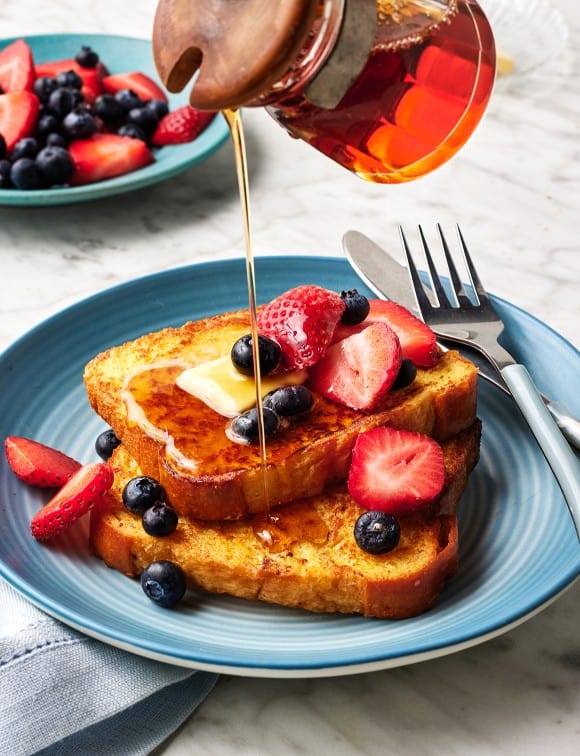
1. Classic French Toast
French toast is the perfect way to use stale bread. The drier texture helps the bread soak up the egg mixture without falling apart.
You’ll need eggs, milk, butter, and your choice of bread. Brioche and challah work great, but regular white bread does the job too.
Mix the eggs and milk together, then dip each slice of bread into the mixture. Cook the bread in a buttered pan over medium heat until both sides turn golden brown.
The result is crispy on the outside and soft inside.

2. Garlic Herb Croutons
Stale bread makes perfect croutons because it toasts better than fresh bread. You can use any crusty loaf like sourdough, ciabatta, or baguette.
Cut your bread into cubes and toss them with olive oil or melted butter. Add minced garlic, salt, and herbs like parsley, thyme, or Italian seasoning.
Spread the cubes on a baking sheet and bake at 375°F. Stir them every few minutes so they brown evenly.
They’re done when golden and crispy. Store your croutons in an airtight container for up to a week.

3. Homemade Breadcrumbs
Stale bread makes excellent breadcrumbs. You can turn any leftover bread into this useful pantry staple in just a few minutes.
Break your stale bread into pieces and pulse them in a food processor until you get the texture you want. For a low-tech option, place the bread in a bag and crush it with a rolling pin.
Use breadcrumbs to coat chicken or fish, top casseroles, or add crunch to pasta dishes. Store them in the freezer for several months.

4. Savory Bread Pudding
Savory bread pudding turns your stale bread into a rich casserole dish. Combine cubed day-old bread with eggs, milk, cheese, and herbs to create a custard-based meal.
The stale texture absorbs the custard without getting mushy. Add vegetables, caramelized onions, or fresh thyme to customize the flavor.
Toast the bread cubes first for a crispy top and creamy center.

5. Bread Upma
Bread upma is a South Indian breakfast dish that turns stale bread into a savory meal. Cut the bread into cubes and toss them with spices, onions, and vegetables in a pan.
The dish comes together in about 15 minutes, making it perfect for busy mornings. You can use day-old bread or lightly toast fresh slices if that’s what you have on hand.
The combination of aromatic spices and vegetables creates a flavorful snack.

6. Tuscan Ribollita Soup
This traditional Italian soup transforms stale bread into a hearty meal. Simmer day-old bread with cannellini beans, kale, and vegetables like carrots, onions, and celery in a tomato base.
The name means “reboiled” because you cook it once, let it rest, then reheat it. This method thickens the soup as the bread breaks down.
Season with garlic, olive oil, and fresh rosemary for authentic flavor.

7. Cheesy French Onion Strata
This dish transforms stale bread into a savory bread pudding with all the flavors of French onion soup. Layer cubes of old bread with caramelized onions and Gruyère cheese, then soak everything in an egg mixture.
Use more bread and less liquid so your strata holds together well. Serve it for breakfast, lunch, or dinner.
Caramelize the onions slowly to build sweet flavor and rich color. Your stale bread soaks up the custard while keeping its structure.

8. Breakfast Casserole with Sausage and Kale
Stale bread works perfectly in this hearty breakfast casserole. Cube your leftover bread and layer it with cooked sausage, fresh kale, and beaten eggs.
The bread soaks up the egg mixture overnight, creating a satisfying texture when baked. Add shredded cheese between the layers for extra flavor.
Assemble this casserole the night before and bake it in the morning. The combination of protein from the eggs and sausage keeps you full throughout the morning.

9. Sweet Cinnamon Bread Muffins
Sweet cinnamon bread muffins give your stale bread a delicious second life. Tear old bread into small pieces and mix it with eggs, milk, sugar, and cinnamon to create a simple batter.
The bread soaks up the liquid and becomes soft again. Add a cinnamon sugar topping before baking for extra sweetness and crunch.
These muffins work well for breakfast or as an afternoon snack. Make them in about 30 minutes using basic ingredients you already have in your kitchen.

10. Overnight Bread Pudding
Overnight bread pudding lets you prep dessert ahead of time. Soak stale bread in a custard mixture of eggs, milk, and sugar, then refrigerate it overnight.
The next day, bake it until golden and set. The long soak creates a rich, custardy texture throughout.
Add cinnamon, vanilla, or raisins to customize the flavor. Serve it warm with caramel sauce or whipped cream for an easy dessert.
The Science Behind Stale Bread
Bread goes stale through a chemical process that changes its structure at the molecular level. This transformation makes it better for certain recipes that need bread with a firmer texture.
Why Bread Goes Stale
When bread goes stale, the starches in the flour undergo a process called starch retrogradation. During baking, starch molecules absorb water and soften, creating that fresh, fluffy texture you love.
After baking, these starches start to release that water and crystallize back into their original rigid structure. This process happens faster in cool temperatures, which is why storing bread in the refrigerator actually speeds up staling.
The moisture doesn’t leave the bread entirely—it just moves from the starch molecules to other parts of the loaf. That’s why stale bread feels dry and firm even though it still contains water.
Room temperature storage slows this process down compared to refrigeration. The staling happens naturally over time as the bread sits exposed to air, allowing moisture to redistribute throughout the loaf.
How Stale Bread Transforms in Recipes
Stale bread’s firmer structure gives it special properties that fresh bread doesn’t have. The drier texture allows it to absorb liquids like eggs, milk, and broth without falling apart or becoming mushy.
This makes stale bread perfect for dishes like French toast, bread pudding, and stuffing. Fresh bread would turn soggy and disintegrate when you add liquid ingredients.
Croutons and breadcrumbs made from stale bread stay crispier because they have less moisture to begin with. When you use stale bread to thicken soups or bind meatballs, it breaks down more evenly and creates a smoother consistency than fresh bread would.
Tips for Storing and Reviving Stale Bread
Proper storage can extend bread’s freshness by several days. Simple revival methods can restore texture to bread that has already gone stale.
Best Storage Methods
Store-bought bread with preservatives stays fresh for 5-7 days at room temperature. Homemade and artisanal breads without preservatives only last 2-3 days before going stale.
Room temperature storage works best for bread you’ll eat within a few days. Keep your bread in an airtight container or resealable plastic bag.
A bread box also works well because it maintains the right balance of air circulation and protection. Freezing is your best option for long-term storage.
Wrap bread tightly in plastic wrap, then place it in a freezer bag. Frozen bread keeps for up to three months.
You can freeze whole loaves or pre-slice the bread so you can take out only what you need. Avoid storing bread in the refrigerator.
The cold temperature actually makes bread go stale faster by changing its structure.
Simple Techniques for Bringing Back Texture
You can revive stale bread quickly with water and heat. Run the entire loaf under water for a few seconds until the outside feels damp.
Place it in a 300-350°F oven for 5-10 minutes. The water creates steam that softens the bread while the heat crisps the crust.
For partial loaves or slices, wrap them in a damp paper towel and microwave for 10-20 seconds. This method works faster but won’t restore crispness to the crust.
If your bread is too far gone to revive, you can still use it. Stale bread safely lasts 3-5 days at room temperature.
Cut it into cubes for croutons or breadcrumbs, or use it in recipes like bread pudding where the texture doesn’t matter.
Frequently Asked Questions
Stale bread works well in both sweet and savory dishes, from crispy croutons to rich bread puddings. You can make quick breakfast items, traditional Italian meals, or creative new dishes using bread that’s past its fresh stage.
What savory dishes can I prepare using stale bread?
You can make savory bread pudding by combining stale bread cubes with eggs, cheese, and vegetables. The bread soaks up the egg mixture and creates a rich, custard-like dish.
Croutons are another simple option. Cut your stale bread into cubes, toss with olive oil and seasonings, then bake until crispy.
You can also make stuffing for holidays or Sunday dinners. Homemade breadcrumbs give you a coating for chicken, fish, or vegetables.
Just grind the stale bread in a food processor with your favorite seasonings. Meatballs also benefit from stale bread, which keeps them moist and tender.
Can you suggest any breakfast recipes that incorporate leftover bread?
French toast is the most popular breakfast use for stale bread. The dry texture soaks up more of the egg and milk mixture than fresh bread does.
Bread upma offers a savory breakfast option. This Indian dish combines stale bread pieces with spices, vegetables, and aromatics.
You can also create breakfast casseroles using stale bread as the base. Layer bread cubes with eggs, cheese, and your choice of meat or vegetables.
Bake it the night before and reheat in the morning.
How can I turn stale bread into a delicious dessert?
Bread pudding transforms stale bread into a warm, comforting dessert. Soak bread pieces in a mixture of eggs, milk, sugar, and vanilla, then bake until set.
Add raisins, chocolate chips, or fresh fruit for extra flavor. French toast works as a dessert when you add extra cinnamon and sugar.
Serve it with whipped cream, fruit compote, or maple syrup. The stale bread holds its shape better than fresh bread when you cook it.
You can make bread-based muffins by grinding stale bread into fine crumbs and mixing them with fresh ingredients.
Are there any easy and quick recipes for repurposing bread that’s past its prime?
Garlic herb croutons take just 15 minutes to prepare. Toss bread cubes with olive oil, minced garlic, and dried herbs, then bake at 375°F until golden.
They stay fresh in an airtight container for up to a week. Breadcrumbs require even less effort.
Process stale bread in a food processor for about one minute until you get fine crumbs. Season them and store in the freezer for up to three months.
You can make simple bread crumbs in just five minutes with a food processor and basic seasonings.
What traditional Italian methods exist for utilizing stale bread in cooking?
Panzanella is a Tuscan bread salad that uses chunks of stale bread mixed with tomatoes, cucumbers, and onions. The bread soaks up the vegetable juices and dressing.
You let it sit for about 30 minutes before serving.
Ribollita is a hearty Tuscan soup that includes stale bread as a key ingredient. The bread thickens the soup and adds body to the vegetables and beans.
Italian cooks also use stale bread to make bruschetta bases and to thicken sauces. The bread adds texture without changing the flavor of the dish.
What are some creative ways to transform bread slices into tantalizing new dishes?
You can create bread pizzas by toasting stale slices and topping them with sauce, cheese, and your favorite toppings. Kids especially enjoy making their own combinations.
Make savory strata by layering bread with cheese, vegetables, and eggs. Refrigerate it overnight and bake in the morning.
Turn bread slices into crispy bread chips by brushing them with oil and baking until crunchy. Season them with salt, pepper, or spice blends.
Serve these chips as dippers for hummus, salsa, or cheese spreads.