
Stove Top stuffing doesn’t have to sit in your pantry waiting for the holidays. This simple boxed mix works as an ingredient in meals throughout the entire year.
You can use it in casseroles, as a coating for meat, mixed into side dishes, or transformed into completely new recipes.
You’ll find options with poultry, pork, vegetables, and bold flavor combinations. Some recipes stick close to traditional preparation while others take the mix in unexpected directions.
Each recipe includes clear steps and common ingredients you likely already have at home.
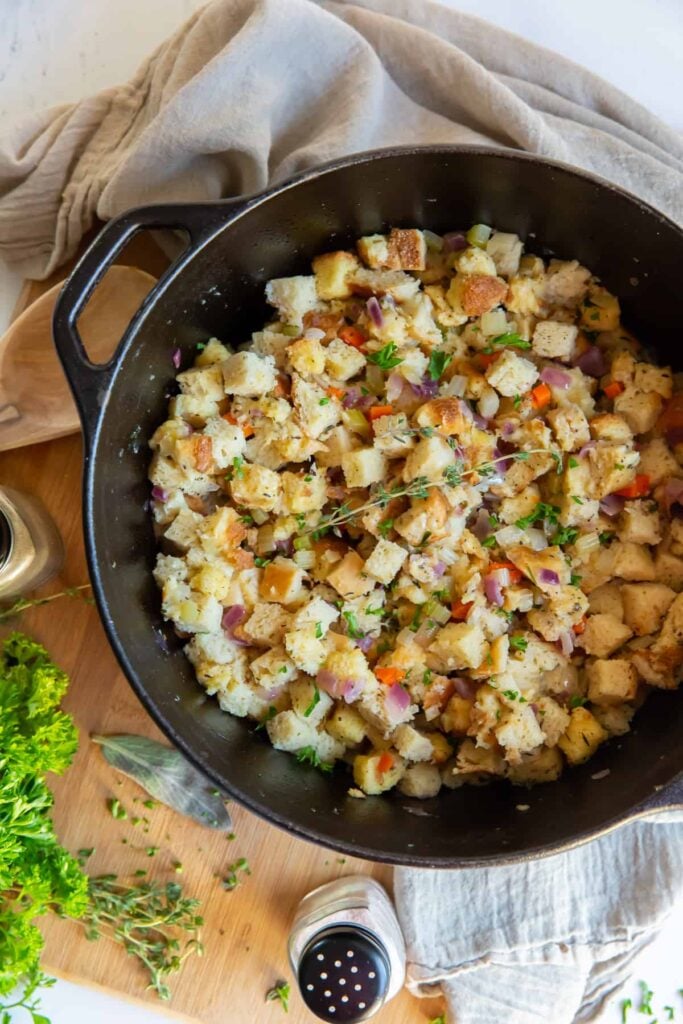
1. Classic Turkey Stove Top Stuffing
Classic turkey stove top stuffing starts with seasoned bread cubes mixed with traditional herbs and spices. You’ll need celery, onion, sage, and parsley to create the authentic flavor.
You sauté vegetables in butter, add your bread cubes and broth, then let everything simmer together on the stovetop. This cooking method frees up your oven for other dishes.
This version pairs perfectly with roasted turkey and other holiday sides. The bread absorbs the savory flavors while staying light and fluffy.

2. Cheesy Chicken Stove Top Casserole
This casserole combines tender chicken with melted cheese and savory stuffing for an easy weeknight dinner. You’ll need just five basic ingredients to make this dish.
Layer chicken pieces with a creamy soup mixture, then top everything with prepared Stove Top stuffing. Bake it at 375°F for about 35 minutes until the chicken cooks through and the cheese melts.
Your family will enjoy the golden, crispy topping and creamy layers underneath. This one-pan meal feeds six people and uses simple pantry items you likely already have at home.

3. Sausage and Herb Stuffing Bake
This recipe combines savory sausage with fragrant herbs to create a stuffing that works for any meal. Start with your favorite Stove Top stuffing mix and brown some sausage in a pan.
Mix the cooked sausage with the prepared stuffing. The herbs add a rich flavor that pairs well with the meat.
You can serve this dish alongside chicken, pork, or even as a standalone meal. You’ll have a warm, filling dish ready in about 25 minutes.

4. Vegetarian Mushroom Stove Top Stuffing
This vegetarian version brings rich, earthy flavors to your table without meat. Sauté fresh mushrooms with onions and celery in butter until they turn golden brown.
The mushrooms add a meaty texture that makes this stuffing satisfying. Mix them with toasted bread cubes and fresh herbs like sage and thyme.
You can have this dish ready in about 20 minutes on your stovetop. The result is a moist stuffing with crispy edges that works for both weeknight dinners and holiday meals.

5. Cranberry and Apple Stove Top Stuffing
This recipe brings sweet and tart flavors to your holiday table. Use apple juice instead of water to boost the fruity taste throughout the stuffing.
The combination of fresh apples and cranberries creates a nice balance with savory herbs. The tart cranberries add a pop of flavor that works well with the sweetness of the apples.
You can have this side dish ready in about 45 minutes. It pairs perfectly with roasted turkey or chicken.

6. Spicy Southwest Stove Top Stuffing
Southwest cornbread stuffing adds bold flavors to your regular stuffing mix. Combine Stove Top with jalapeños, corn, and Cajun spices for a dish that brings heat to your table.
This recipe works well as a holiday side dish or weeknight dinner option. The spicy ingredients pair nicely with the savory base of traditional stuffing.
You’ll find this version especially good with grilled chicken or pork. The combination of cornbread texture and southwestern spices creates something different from basic stuffing recipes.

7. Garlic and Parmesan Stuffed Pork Chops
These pork chops combine cream cheese, bacon, and Parmesan cheese for a rich filling. Coat them in Panko breadcrumbs before pan-frying until golden brown.
Finish cooking the chops in the oven to ensure they’re done throughout. This method gives you a crispy outside while keeping the inside moist and flavorful.
Prepare these for a weeknight dinner or save them for special occasions. The garlic and Parmesan create a satisfying combination that works well with simple side dishes like roasted vegetables or mashed potatoes.

8. Buttery Herb and Garlic Stove Top
This recipe combines garlic and fresh herbs with plenty of butter to create a flavorful side dish. Start by melting butter in a pan and cooking minced garlic until it smells good.
Add your choice of fresh herbs like parsley, thyme, or sage. The herbs release their oils and mix with the butter and garlic.
Pour in chicken or vegetable broth and bring it to a boil. Stir in the stuffing mix and remove from heat.
Let it sit covered for five minutes before fluffing with a fork.

9. BBQ Chicken Stuffing Casserole
This casserole adds a smoky twist to the classic combination. Mix shredded chicken with your favorite BBQ sauce before layering it with prepared Stove Top stuffing.
The tangy BBQ flavor pairs well with the savory stuffing mix. Use rotisserie chicken to save time.
Top the casserole with shredded cheese during the last few minutes of baking. The result is a simple weeknight dinner your family will ask for again.

10. Italian Style Stove Top Stuffing with Sun-Dried Tomatoes
Transform basic Stove Top stuffing into an Italian-inspired dish with just a few additions. Add dried basil to the mix for authentic Italian flavor.
Mix in sun-dried tomatoes and minced garlic when you prepare the stuffing. Diced tomatoes work well too if you prefer fresh ingredients.
The sun-dried tomatoes add a tangy, savory element that pairs perfectly with the herbs.
Tips for Preparing the Perfect Stove Top Stuffing
Success with stove top stuffing comes down to three key factors: selecting quality bread, getting your seasoning ratios right, and controlling moisture throughout the cooking process.
Choosing the Right Bread Base
The bread you choose sets the foundation for your stuffing. White sandwich bread works well for a classic, mild flavor that absorbs broth easily.
Day-old bread is better than fresh because it’s drier and won’t turn mushy. Sourdough adds a tangy depth that pairs well with rich gravies and roasted meats.
Cut your bread into half-inch cubes for the best texture. You can also use French bread or Italian bread for a heartier result.
Toast your bread cubes in the oven at 300°F for 10-15 minutes before adding liquid. This step prevents soggy stuffing and creates pockets that hold flavor.
Skip pre-seasoned bread cubes unless you want to limit your control over the final taste.
Balancing Herbs and Spices
Your herb blend makes the difference between bland and flavorful stuffing. Sage is the most important herb for traditional stuffing flavor.
Use one teaspoon of dried sage per four cups of bread cubes. Add thyme and rosemary in smaller amounts.
Too much rosemary overpowers other flavors. A good ratio is two parts sage to one part thyme to half part rosemary.
Fresh herbs need three times the amount of dried herbs to achieve the same intensity. Salt and black pepper are essential.
Taste your broth before adding it to the bread. If it’s well-seasoned, you might need less additional salt.
Celery salt can replace regular salt for extra depth.
Achieving the Ideal Texture
The liquid-to-bread ratio determines whether your stuffing turns out fluffy or dense. Start with three-quarters cup of liquid per cup of dry bread cubes.
You can always add more but you can’t remove excess moisture. Use hot broth instead of water for better flavor and faster absorption.
Add the liquid gradually while stirring. The stuffing should look moist but not wet or soupy.
Cover your pot after adding liquid and let it steam for five minutes off the heat. This technique helps the bread absorb moisture evenly.
Fluff with a fork before serving to separate the pieces and create a light texture.
Creative Ways to Customize Stove Top Stuffing
You can transform basic boxed stuffing into something special by adding proteins, vegetables, or swapping ingredients to match your dietary needs. These simple changes turn a quick side dish into a meal that fits your taste and cooking style.
Incorporating Savory Proteins
Adding protein to your stuffing makes it hearty enough to serve as a main dish. Cooked sausage works well because it adds both meat and seasoning.
Brown Italian sausage, breakfast sausage, or chorizo and mix it into the prepared stuffing. Shredded chicken or turkey is another good option.
Use leftover rotisserie chicken or cooked turkey breast cut into small pieces. The mild flavor pairs well with the herbs already in the stuffing mix.
Ground beef or pork also works if you brown it first and drain the fat. For seafood lovers, cooked shrimp or crab meat adds a different twist.
Fold them in gently after cooking the stuffing so they don’t get tough. Bacon bits or diced ham bring a smoky flavor.
Cook the bacon until crispy, crumble it, and stir it through. Ham cubes add a salty element that complements the savory base.
Adding Vegetables for Extra Flavor
Vegetables add texture, color, and nutrition to boxed stuffing. Diced onions and celery are classic choices that you should cook in butter before adding the stuffing mix.
This step softens them and brings out their natural sweetness. Mushrooms add an earthy taste.
Slice button mushrooms, cremini, or shiitake and sauté them until golden brown. They release moisture as they cook, which adds extra flavor to your stuffing.
Bell peppers, carrots, and zucchini work when diced small. Cook them with your onions so they soften properly.
Fresh or frozen corn kernels add a sweet crunch without extra prep work. Dried fruits like cranberries, apricots, or raisins give you bursts of sweetness.
You can also add chopped nuts such as pecans, walnuts, or almonds for crunch. Toss them in during the last few minutes of cooking.
Fresh herbs like parsley, thyme, or sage boost the flavor. Stir them in at the end so they stay bright and fresh-tasting.
Making It Vegetarian or Vegan
You can easily adapt Stove Top stuffing for plant-based diets. Replace chicken broth with vegetable broth to remove all animal products from the base liquid.
This simple swap keeps the savory flavor without using meat-based ingredients. Use plant-based butter or olive oil instead of regular butter.
These options work the same way and still give you the rich taste you want. Add extra vegetables like mushrooms to create a meaty texture without actual meat.
For vegan protein, try adding cooked lentils, chickpeas, or white beans. These options add substance and make the stuffing more filling.
Crumbled tofu seasoned with herbs and spices mimics ground meat texture. Check your stuffing mix label because some brands contain dairy or chicken fat.
Look for versions labeled as vegetarian or vegan, or make sure the ingredients list doesn’t include animal products.
Frequently Asked Questions
Making stove top stuffing involves simple ingredients like bread, broth, and seasonings, but questions often arise about customization, dietary restrictions, and storage methods. These answers cover the basics of preparing stuffing that meets different needs and preferences.
What ingredients are needed for a classic stove top stuffing recipe?
A classic stove top stuffing requires bread cubes, chicken or vegetable broth, butter, celery, and onions. You’ll also need herbs like sage, thyme, and parsley for seasoning.
Salt and pepper round out the basic flavor profile. Most recipes call for about 6 cups of bread cubes and 2 to 3 cups of broth.
The bread should be dried or toasted before mixing to absorb the liquid properly.
How can one customize a basic stuffing recipe to enhance its flavor?
You can add cooked sausage, bacon, or diced turkey to make your stuffing more filling and flavorful. Dried cranberries, chopped apples, or pecans bring sweetness and texture to the dish.
Fresh herbs like rosemary or tarragon create different flavor profiles than the standard sage and thyme combination. Mushrooms add an earthy taste while chestnuts provide a nutty richness.
Cheese like parmesan or cheddar melts into the stuffing for extra creaminess. You can also use different types of broth or add wine to the liquid for more depth.
What are some vegetarian or vegan alternatives for traditional stove top stuffing?
Vegetable broth replaces chicken broth in vegetarian and vegan versions of stuffing. Use olive oil or vegan butter instead of regular butter to keep the recipe plant-based.
Add mushrooms, nuts, and extra vegetables like carrots or bell peppers to increase protein and nutrition. Nutritional yeast provides a cheesy flavor without dairy products.
Dried fruits and fresh herbs maintain the traditional stuffing taste while keeping ingredients plant-based.
Could you explain the steps for making a moist and fluffy stove top stuffing?
Toast your bread cubes in a skillet or oven until they’re lightly golden. Sauté diced celery and onions in butter until they become soft.
Add your herbs and seasonings to the vegetables and cook for another minute. Gradually pour in the broth while stirring the bread mixture.
The bread should be moist but not soggy. Cover the pan and let it simmer on low heat for 5 to 10 minutes.
Fluff the stuffing with a fork before serving. If it seems dry, add more broth a little at a time until you reach the texture you want.
Are there any gluten-free options available for making stove top stuffing?
Use gluten-free bread cubes as a direct substitute for regular bread in stuffing recipes. You can find gluten-free bread at most grocery stores or make your own from gluten-free sandwich bread.
Rice-based or cornbread stuffing mixes also provide gluten-free alternatives. Check that your broth and seasonings are certified gluten-free since some brands contain hidden gluten.
Wild rice or quinoa can partially replace bread cubes for a different texture while keeping the dish gluten-free.
What are the best practices for safely storing and reheating leftover stove top stuffing?
Store leftover stuffing in an airtight container in the refrigerator within two hours of cooking. Proper refrigeration keeps it fresh for up to four days.
You can freeze stuffing for up to one month in freezer-safe containers or bags.
Reheat refrigerated stuffing in a skillet over low heat with a splash of broth to restore moisture. You can also microwave it in a covered dish, stirring occasionally until it heats through.
Thaw frozen stuffing in the refrigerator overnight before reheating.
Ensure the internal temperature reaches 165°F when you reheat stuffing. Add extra butter or broth during reheating if the stuffing seems dry.