
Vegetable side dishes can transform an ordinary meal into something special. They add color, nutrition, and variety to your plate while complementing your main course.
Whether you’re cooking for a weeknight dinner or planning a holiday feast, having a collection of reliable vegetable recipes makes meal planning easier.
The right vegetable side dish balances flavor, texture, and preparation time to fit your needs. From roasted options that bring out natural sweetness to quick sautéed preparations, you have many ways to prepare vegetables that your family will enjoy.
You can choose recipes based on what’s in season, what pairs well with your main dish, or simply what sounds good to you.
This guide shares recipes that range from classic preparations to more creative options. You’ll also find practical tips for cooking vegetables perfectly and advice on matching sides with different main courses.
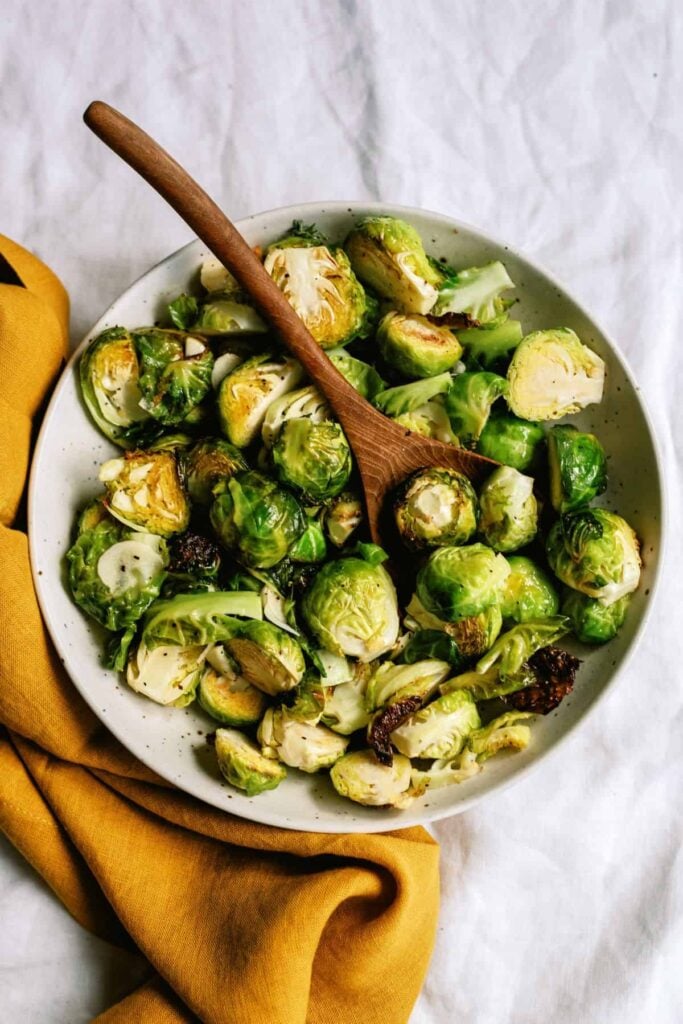
1. Garlic Roasted Brussels Sprouts
Roasting brussels sprouts with garlic turns them into a tasty side dish. The high heat makes the outside crispy while keeping the inside tender.
You only need a few ingredients to make this recipe. Toss your brussels sprouts with olive oil, minced garlic, salt, and pepper.
Spread them on a baking sheet in a single layer. Roast them at 400°F for about 20-25 minutes.
Shake the pan halfway through cooking for even browning. The sprouts turn golden brown and crispy on the edges when done.

2. Honey Glazed Carrots
Honey glazed carrots bring together sweet and savory flavors in one simple dish. You roast the carrots until they’re tender and caramelized, then coat them in a honey-butter glaze.
This side dish works for both weeknight dinners and special occasions. The carrots develop golden, slightly crispy edges while staying soft inside.
You only need a few basic ingredients: carrots, honey, butter, and your choice of seasonings. The whole dish comes together in about 35 minutes.

3. Lemon Parmesan Asparagus
Lemon Parmesan asparagus brings bright, fresh flavors to your dinner table in under 20 minutes. You’ll roast fresh asparagus spears with olive oil until they’re tender but still slightly crisp.
The combination of tangy lemon juice and savory Parmesan cheese creates a simple yet delicious taste. This side dish works well with chicken, salmon, or any main protein you choose.
You only need about five ingredients to make this recipe. It’s naturally low in carbs and gluten-free.

4. Sautéed Green Beans with Almonds
Green beans with almonds gives you a side dish that works for both weeknight dinners and holiday meals. You cook fresh green beans in butter until they’re tender but still crisp.
Toasted almonds add a nice crunch and nutty flavor. The recipe takes about 20 minutes from start to finish.
You can add garlic or shallots for extra flavor. The butter helps everything come together into a simple dish.

5. Roasted Cauliflower with Turmeric
Roasting cauliflower with turmeric brings out the vegetable’s natural sweetness while adding warm, earthy flavors. You’ll need cauliflower florets, turmeric, oil, and basic seasonings like salt and pepper.
Toss the florets with your seasonings and roast at high heat for 30 to 40 minutes. The cauliflower becomes tender inside with crispy, golden edges.
This side dish works well with many meals. You can serve it alongside proteins or add it to grain bowls.

6. Balsamic Glazed Roasted Beets
Roasting beets brings out their natural sweetness while the balsamic glaze adds a tangy contrast. Wrap the beets in foil and roast them until tender, which takes about an hour.
The balsamic reduction creates a syrupy coating that makes the beets taste both sweet and tart. This dish works well as a side for roasted chicken, steak, or fish.
You can also keep these beets in your fridge to add to salads throughout the week. They stay fresh for several days and add color to any meal.

7. Creamed Spinach
Creamed spinach is a classic side dish made with cooked spinach in a smooth cream sauce. You can prepare it in about 15 to 25 minutes, making it a quick option for busy weeknights or special dinners.
The dish pairs well with roast chicken, steak, or pork. You’ll need basic ingredients like spinach, cream, butter, and garlic.
Some recipes add Dijon mustard or nutmeg for extra flavor. Even picky eaters tend to enjoy it.

8. Grilled Zucchini with Herbs
Grilled zucchini becomes something special when you add fresh herbs and a little olive oil. The grill gives it char marks and a smoky taste that you can’t get from other cooking methods.
You only need about 10 minutes to make this dish from start to finish. Slice your zucchini lengthwise, brush it with olive oil and garlic, then add herbs like basil, thyme, or parsley.
The zucchini stays tender inside while getting those nice crispy edges. It pairs well with grilled meats and fish.

9. Maple Roasted Butternut Squash
Butternut squash becomes tender and caramelized when you roast it with maple syrup. The natural sweetness of the squash pairs well with the maple flavor.
You only need a few basic ingredients for this dish. Toss cubed squash with olive oil, maple syrup, and a bit of cinnamon or salt before roasting.
This side works well with roasted chicken or turkey. You can also add it to salads or grain bowls.

10. Spicy Stir-Fried Broccoli
This dish brings bold flavor to your dinner table in minutes. You’ll coat broccoli florets with garlic, ginger, and red pepper flakes for a kick of heat.
Heat oil in your pan, add aromatics for 30 seconds, then toss in the broccoli. A quick stir-fry keeps the vegetable crisp and bright green.
You can serve this as a side dish with rice and protein, or enjoy it on its own. Add soy sauce and sesame oil for Asian-inspired flavor.
Tips for Perfect Vegetable Side Dishes
Making great vegetable sides starts with fresh ingredients, smart cooking methods, and the right mix of flavors. These three elements work together to turn simple vegetables into dishes your family will ask for again and again.
Choosing the Freshest Produce
Fresh vegetables make the biggest difference in how your side dishes taste. Look for produce that feels firm and heavy for its size.
Avoid vegetables with soft spots, wrinkles, or brown patches. Check the color of your vegetables before buying.
Bright, vibrant colors mean the produce is fresh and full of nutrients. Dull or faded colors often signal that vegetables are past their peak.
Signs of fresh vegetables:
- Crisp leaves on greens with no yellowing
- Tight, closed florets on broccoli and cauliflower
- Smooth, unblemished skin on root vegetables
- Fresh smell with no sour or musty odors
Shop seasonally when possible. Summer squash tastes best in summer.
Root vegetables shine in fall and winter. Seasonal produce costs less and offers better flavor because it didn’t travel as far to reach your store.
Store vegetables properly after you buy them. Keep leafy greens in the crisper drawer.
Store tomatoes and potatoes at room temperature. Most other vegetables do well in the refrigerator.
Essential Cooking Techniques
Roasting brings out natural sweetness in vegetables. Heat your oven to 400-425°F.
Cut vegetables into even pieces so they cook at the same rate. Toss with oil, salt, and pepper.
Spread them in a single layer on your baking sheet. Sautéing works well for quick-cooking vegetables like spinach, mushrooms, and green beans.
Heat your pan first, then add oil or butter. Cook over medium-high heat and stir often.
Steaming keeps nutrients in your vegetables. Bring water to a boil in your pot.
Place vegetables in a steamer basket above the water. Cover and cook until tender but still crisp.
This works great for broccoli, carrots, and asparagus. Don’t overcook your vegetables.
They should be tender but still have some bite. Overcooked vegetables turn mushy and lose their color and nutrients.
Balancing Flavors and Textures
Add salt at the right time to boost flavor. Salt vegetables before roasting to help them brown.
Add salt at the end when steaming to avoid drawing out too much water. Mix textures to keep things interesting.
Combine soft roasted vegetables with crunchy nuts or seeds. Top creamy dishes with crispy breadcrumbs or fried onions.
Flavor boosters that work with most vegetables:
- Fresh herbs like parsley, basil, or thyme
- Garlic and onions (fresh or powdered)
- Lemon juice or vinegar for brightness
- Butter or olive oil for richness
- Parmesan cheese for savory depth
Taste your vegetables before serving. Add more salt, pepper, or acid if needed.
A squeeze of lemon juice can wake up bland vegetables. A small pat of butter adds richness to simple steamed or boiled sides.
Don’t let one flavor overpower the dish. Your seasonings should enhance the natural taste of the vegetables.
Pairing Vegetable Sides with Main Courses
Matching vegetables with proteins requires thinking about flavors, textures, and cooking methods. The seasons also guide your choices, helping you pick vegetables at their peak freshness.
Complementing Protein Choices
Chicken pairs well with lighter vegetables that won’t overpower its mild flavor. Try roasted asparagus, green beans, or sautéed zucchini.
These options work with both grilled and baked chicken preparations. Beef needs heartier vegetables that can stand up to its rich taste.
Root vegetables like carrots, parsnips, and potatoes are excellent choices. Roasted Brussels sprouts or braised cabbage also complement beef’s bold flavor.
Pork goes nicely with sweet and savory combinations. Consider glazed carrots, roasted sweet potatoes, or caramelized onions.
Apple-based vegetable dishes also match pork’s natural sweetness. Fish calls for delicate sides that enhance rather than mask its flavor.
Steamed broccoli, sautéed spinach, or roasted cherry tomatoes work perfectly. Keep seasonings light with lemon, garlic, and herbs.
Seasonal Pairing Ideas
Spring vegetables like asparagus, peas, and artichokes taste best from March through May. Pair them with lighter proteins such as fish or chicken.
These vegetables need minimal cooking to preserve their fresh flavor. Summer produce includes zucchini, corn, tomatoes, and bell peppers.
Grill these alongside burgers or steak for outdoor meals. Their high water content makes them perfect for hot weather dining.
Fall brings squash, Brussels sprouts, and root vegetables. These pair well with roasted meats and hearty dishes.
Their earthy flavors match the cooler weather and richer meals. Winter vegetables like cabbage, kale, and turnips handle longer cooking times.
Braise or roast them to serve with beef, pork, or lamb. Their robust flavors complement warming winter meals.
Frequently Asked Questions
Cooking vegetable sides often raises questions about preparation methods, flavor combinations, and pairing options. These answers help you make informed choices when selecting recipes for weeknight dinners or special occasions.
What are some Jamie Oliver-inspired vegetable side dishes?
Jamie Oliver’s approach focuses on simple preparations that highlight natural flavors. He typically roasts vegetables at high heat with olive oil, garlic, and fresh herbs like rosemary or thyme.
You can create Jamie Oliver-style dishes by tossing Brussels sprouts with balsamic vinegar before roasting. He also favors quick-sautéed greens with lemon and chili flakes.
Root vegetables roasted with honey and mustard reflect his cooking philosophy.
What are the top-rated healthy vegetable side dishes?
Roasted cauliflower with turmeric ranks high for its anti-inflammatory properties and low calorie content. This dish provides vitamin C and fiber while keeping sodium and fat minimal.
Lemon parmesan asparagus offers nutrients without heavy sauces or excessive calories. Sautéed green beans with almonds add protein and healthy fats.
Steamed broccoli with garlic and a light drizzle of olive oil remains a consistent healthy choice.
What are some easy and quick vegetable side dishes to prepare?
Honey glazed carrots take just 15 minutes on the stovetop. You simply cook sliced carrots in butter and honey until tender and caramelized.
Sautéed green beans with almonds require only 10 minutes of prep and cooking time. Roasted asparagus with lemon and parmesan needs about 12 minutes in a hot oven.
Microwaved or steamed vegetables with basic seasonings work when you’re short on time.
What are the most unique vegetable side dishes?
Roasted cauliflower with turmeric stands out for its golden color and earthy flavor profile. The combination of curry spices and roasting creates a dish different from standard preparations.
Brussels sprouts with pomegranate seeds and goat cheese offer unexpected flavor contrasts. Beets roasted with orange zest and pistachios provide visual appeal and complex tastes.
Charred cabbage wedges with tahini drizzle present familiar vegetables in new ways.
What are popular Indian-style vegetable side dishes?
Aloo gobi combines cauliflower and potatoes with turmeric, cumin, and coriander. This dry curry pairs well with rice or flatbreads.
Baingan bharta features roasted eggplant mashed with onions, tomatoes, and spices.
Bhindi masala uses okra sautéed with Indian seasonings.
Palak paneer includes spinach cooked with cheese cubes. You can also make a paneer-free version.
What vegetable side dish pairs well with most main courses?
Garlic roasted Brussels sprouts complement both red meat and poultry. The mild bitterness and savory garlic work across different cuisines.
Honey glazed carrots provide sweetness that balances savory main dishes. Their neutral base makes them suitable for everything from grilled chicken to baked fish.
Sautéed green beans with almonds offer a light, crisp texture. They don’t compete with your main course.