
Vegetables can be the best part of any meal when you know how to cook them right. Many people struggle to make vegetables taste good, but the right techniques and recipes can turn simple produce into dishes your family will ask for again and again.
This collection brings together tried-and-true methods that work every time. These recipes show you how to cook vegetables using different methods like roasting, grilling, sautéing, and air frying so you can bring out the best flavors and textures.
You’ll find options for weeknight dinners, holiday sides, and everything in between. Each recipe uses ingredients you can find at any grocery store and takes less effort than you might think.

1. Roasted Garlic Parmesan Brussels Sprouts
Brussels sprouts become crispy and flavorful when you roast them at high heat. You’ll coat halved sprouts with olive oil, garlic, and Parmesan cheese before placing them in the oven.
Spread them out on your baking sheet so they don’t touch too much. This helps them get crispy edges instead of steaming.
The garlic and Parmesan create a savory coating that sticks to each sprout. Add salt, pepper, and breadcrumbs for extra texture.

2. Grilled Mediterranean Vegetable Skewers
Grilling vegetables on skewers brings out their natural sweetness and adds a smoky flavor. Use bell peppers, zucchini, cherry tomatoes, mushrooms, and onions for your skewers.
Mix olive oil with garlic, lemon juice, and your favorite herbs for a simple marinade. Let the vegetables soak in this mixture for 15 to 30 minutes.
Thread the vegetables onto skewers and grill them for about 10 to 15 minutes. Turn them occasionally until they’re tender and have light char marks.

3. Spicy Szechuan Green Beans
This dish transforms simple green beans into a bold side that’s ready in about 15 minutes. Pan-fry the beans in hot oil until they’re slightly blistered and tender.
Combine garlic, ginger, soy sauce, and red pepper flakes for a spicy kick. Adjust the heat level to match your taste.
Prep all your ingredients before you start cooking. This makes the stir-frying process smooth and quick.

4. Creamy Butternut Squash Soup
This soup is a fall favorite that you can make in under an hour. Roast the squash to bring out its natural sweetness, then blend it with simple ingredients.
The result is a smooth, thick soup without any dairy if you prefer. Add coconut milk or cream for extra richness.
Warm spices like cinnamon or nutmeg pair well with the squash’s mild flavor. Make it on the stovetop, in a slow cooker, or in an Instant Pot.

5. Sautéed Garlic Butter Mushrooms
Sautéed garlic butter mushrooms bring rich flavor to any meal. Make them in about 10 minutes with just a few basic ingredients.
Use enough butter and cook the mushrooms slowly. This helps them turn golden brown and absorb all the garlic flavor.
Add soy sauce or Worcestershire sauce for extra depth. Serve these mushrooms as a side dish for steak or chicken, or put them on pasta or toast for a quick meal.

6. Honey Glazed Carrots with Thyme
Honey glazed carrots with thyme combine sweet and savory flavors in one simple dish. Prepare this side in about 25 to 30 minutes.
The honey caramelizes as the carrots cook, creating a glossy coating. Fresh thyme adds an herbal note that balances the sweetness.
Roast or sauté the carrots depending on your preference. A splash of lemon juice brightens the flavors.
This recipe pairs well with chicken, grilled meats, or vegetarian mains.
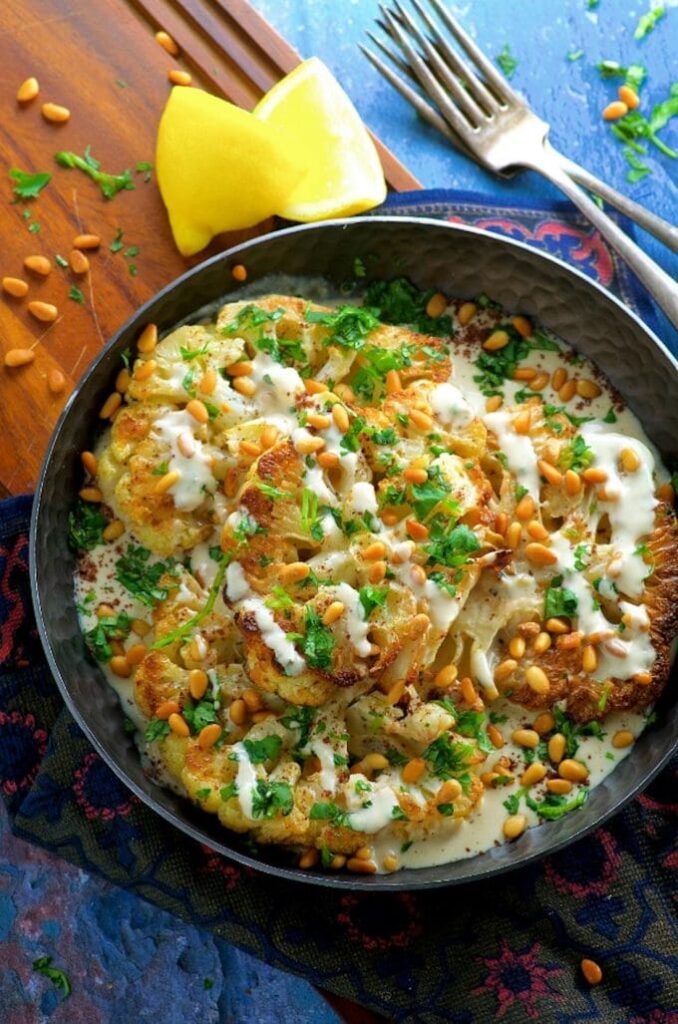
7. Roasted Cauliflower Steaks with Tahini
Thick slices of cauliflower roast until golden and caramelized at the edges. The result is tender on the inside with crispy, flavorful edges.
A creamy tahini sauce mixed with lemon juice brings nutty richness to every bite. Top the steaks with pine nuts and fresh herbs for added texture and flavor.
This recipe works as a main course or side dish. It takes about 30 minutes from start to finish and uses simple ingredients you likely have on hand.

8. Zucchini Noodles with Pesto
Zucchini noodles, or zoodles, give you a fresh low-carb alternative to traditional pasta. Make them by spiralizing fresh zucchini into noodle-like strands.
Toss the zoodles with basil pesto for a quick dish. You’ll get bright flavors from fresh basil, garlic, and parmesan cheese in every bite.
This recipe works well for lunch or dinner. Add cherry tomatoes or roasted vegetables to make it more filling.

9. Balsamic Glazed Roasted Root Vegetables
Root vegetables become something special when you roast them with balsamic glaze. The high heat brings out their natural sweetness while the glaze adds tangy flavor.
Use carrots, parsnips, turnips, or beets in this dish. Cut them into similar sizes so they cook evenly.
Toss them with olive oil and seasonings before roasting. The balsamic glaze caramelizes as the vegetables roast, creating a sticky coating.

10. Crispy Air Fryer Sweet Potato Fries
Sweet potato fries get perfectly crispy in your air fryer with minimal oil. Cut them into even pieces, toss with a small amount of oil, and season them well.
Spread them in a single layer so air can circulate around each fry. Most recipes cook in 12 to 15 minutes at around 400°F.
Season them with simple salt and pepper or try garlic powder and paprika for extra flavor. They make a healthy side dish that your whole family will enjoy.
Essential Tips for Perfect Vegetable Dishes
The difference between good vegetable dishes and great ones comes down to three key factors: starting with quality produce, combining flavors and textures thoughtfully, and using cooking methods that preserve nutrients while building taste.
Selecting Fresh Produce
Fresh vegetables form the foundation of any successful dish. When shopping, look for produce with bright colors, firm texture, and no soft spots or bruising.
Seasonal vegetables offer the best flavor and value. Spring brings asparagus and peas, summer offers tomatoes and zucchini, fall delivers squash and root vegetables, and winter provides hearty greens and Brussels sprouts.
Check the stems and leaves for signs of freshness. Wilted greens or dried-out stems indicate old produce.
Vegetables should feel heavy for their size, which shows they contain plenty of moisture. Store your vegetables properly to maintain freshness.
Leafy greens need refrigeration in breathable bags. Root vegetables last longer in cool, dark places.
Tomatoes and peppers stay on the counter until cut. Buy from farmers markets when possible.
You get produce picked at peak ripeness, and you can ask growers for preparation tips.
Balancing Flavors and Textures
Great vegetable dishes need contrast. Pair soft vegetables like roasted eggplant with crunchy elements like toasted nuts or seeds.
Sweet vegetables like carrots and bell peppers benefit from acidic ingredients. Add lemon juice, vinegar, or tomatoes to balance the sweetness.
Bitter greens such as kale and arugula work well with sweet components like dried fruit or honey. Salt enhances natural flavors but add it at the right time.
Season water when boiling vegetables. For roasting, salt before cooking to draw out moisture and create browning.
Build depth with aromatics. Garlic, onions, and ginger transform simple vegetables into memorable dishes.
Fresh herbs add brightness at the end of cooking, while dried herbs need time to release their flavors. Consider temperature contrast too.
Cold cucumber salad served alongside warm roasted vegetables creates an interesting dining experience.
Cooking Techniques for Optimal Nutrition
Different cooking methods affect both nutrition and taste. Steaming preserves the most nutrients and works well for broccoli, green beans, and cauliflower.
Keep cooking time short to maintain vitamins. Roasting at high heat caramelizes natural sugars and creates rich flavors.
Toss vegetables with oil, spread them in a single layer, and roast at 425°F. Overcrowding the pan causes steaming instead of browning.
Blanching keeps vegetables crisp and bright. Boil briefly, then plunge into ice water to stop cooking.
This technique works perfectly for vegetables you plan to reheat later. Raw vegetables retain all their nutrients.
Slice them thin or shred them for better texture in salads. Some nutrients become more available through cooking, so eat vegetables both raw and cooked.
Avoid overcooking, which destroys nutrients and creates mushy textures. Test vegetables frequently and remove them from heat when they still have some bite.
Pairing and Serving Recommendations
The right pairings and presentation can transform simple vegetable dishes into memorable meals. Understanding which sides, drinks, and plating techniques work best will help you create balanced and appealing dishes.
Choosing Suitable Sides
Vegetable dishes work best when paired with proteins and grains that complement their flavors and textures. Roasted vegetables pair well with grilled chicken, steak, or fish.
Steamed vegetables go nicely with rice or quinoa. Consider the cooking method when choosing sides.
Crispy roasted Brussels sprouts balance soft mashed potatoes. Light salads work alongside rich pasta dishes.
Think about color and nutrition too. Green vegetables like broccoli or green beans add brightness to plates with brown or beige foods.
Mix different vegetable types to get various vitamins and minerals in one meal.
Common Pairing Guidelines:
- Heavy proteins (steak, pork) → lighter vegetables (salads, steamed greens)
- Light proteins (fish, chicken) → any vegetable preparation
- Pasta dishes → roasted or grilled vegetables
- Rice bowls → stir-fried or sautéed vegetables
Wine and Beverage Pairings
Match drinks to your vegetable preparation style rather than the vegetables themselves. Roasted vegetables with caramelized edges pair with medium-bodied red wines.
Light white wines complement steamed or raw vegetables in salads. For non-alcoholic options, sparkling water with lemon works with almost any vegetable dish.
Iced tea pairs well with roasted or grilled vegetables. Fresh vegetable juices can complement vegetable-forward meals.
Butter-based vegetable dishes need drinks with good acidity to cut through the richness. Garlic-heavy preparations work with bold-flavored beverages.
Presentation Ideas
Arrange vegetables by color to create visual interest on the plate. Place darker greens next to orange carrots or red peppers.
Use odd numbers when plating. Three asparagus spears or five roasted carrot sticks look better than even numbers.
Leave some white space on the plate instead of crowding it. Quick Plating Tips:
- Stack vegetables for height
- Drizzle sauces in lines or dots
- Add fresh herb garnishes
- Use colorful serving dishes
- Cut vegetables into uniform sizes
Serve hot vegetables immediately after cooking. Cold salads should be chilled before serving.
Room temperature works for marinated or pickled vegetables.
Frequently Asked Questions
Cooking vegetables well requires understanding basic techniques like roasting, sautéing, and grilling. These methods can turn simple ingredients into flavorful dishes that work for any meal.
What are some healthy vegetable recipes for dinner?
You can make Creamy Butternut Squash Soup as a light dinner option. It provides vitamins and fiber while keeping calories low.
Grilled Mediterranean Vegetable Skewers work well as a main course. They include zucchini, bell peppers, and eggplant seasoned with herbs.
Spicy Szechuan Green Beans offer a healthier alternative to heavier dishes. The recipe uses minimal oil while delivering bold flavor.
How do I roast vegetables to perfection?
Start by cutting your vegetables into even pieces. This helps them cook at the same rate.
Preheat your oven to 425°F. Toss the vegetables with oil, salt, and pepper before spreading them on a baking sheet in a single layer.
Give the vegetables space on the pan. Overcrowding creates steam instead of the crispy edges you want.
Roasted Garlic Parmesan Brussels Sprouts need about 20-25 minutes. Flip them halfway through cooking for even browning.
What are the top ten vegetable dishes for a nutritious lunch?
Brussels sprouts roasted with garlic and parmesan provide protein and vitamin C. Pair them with whole grains or lean proteins.
Sautéed Garlic Butter Mushrooms work as a side or over salads. Mushrooms contain B vitamins and important minerals.
Butternut squash soup offers beta-carotene and potassium. Prepare it ahead and reheat it during busy lunch hours.
Green beans prepared Szechuan style add vegetables to your midday meal. The spicy preparation keeps sodium lower than many restaurant versions.
Mediterranean vegetable skewers combine multiple vegetables in one dish. Each skewer gives you several servings of different nutrients.
Can you provide a comprehensive list of vegetable recipes?
Roast Brussels sprouts, carrots, cauliflower, and root vegetables at 400-425°F. These recipes bring out natural sweetness and flavor.
Grill zucchini, bell peppers, eggplant, and asparagus on outdoor grills or stovetop grill pans. This method adds a smoky taste.
Sauté mushrooms and green beans in a hot pan with minimal oil. They cook quickly and retain nutrients.
Prepare soups with butternut squash, tomatoes, or mixed vegetables. These recipes freeze well for later meals.
What are some classic Indian vegetable recipes?
Aloo Gobi combines potatoes and cauliflower with turmeric and garam masala. Serve it as a main course or side.
Baingan Bharta features roasted eggplant mashed with onions and spices. Pair it with flatbread.
Palak Paneer includes spinach cooked with cheese cubes. The creamy sauce uses ginger, garlic, and traditional spices.
Chana Masala uses chickpeas as the base with tomatoes and aromatic spices. This dish provides protein along with vegetables.
How can I make vegetables the highlight of my meal?
Choose cooking methods that add flavor and texture. Roasting creates caramelized edges, and grilling adds smoky notes.
Add seasonings beyond salt and pepper. Garlic, parmesan, butter, and spices like Szechuan peppercorns boost taste.
Cut vegetables into appealing shapes and sizes. Skewers make vegetables look more interesting on the plate.
Serve vegetables as the main dish instead of a side. A hearty soup or loaded vegetable platter can satisfy without meat.