
Vegetarian crockpot cooking offers a simple way to prepare healthy, filling meals with little active work. You can add your ingredients in the morning and return home to a ready-made dinner.
This method works well for people with busy schedules who still want to eat homemade food. Slow cookers turn basic plant-based ingredients into rich, satisfying dishes for weeknight dinners or meal prep.
From hearty stews and soups to creamy pasta dishes and grain-based meals, these recipes cover a range of flavors and styles. You’ll also learn helpful tips for getting the best results and avoiding common mistakes when using your crockpot for meatless cooking.
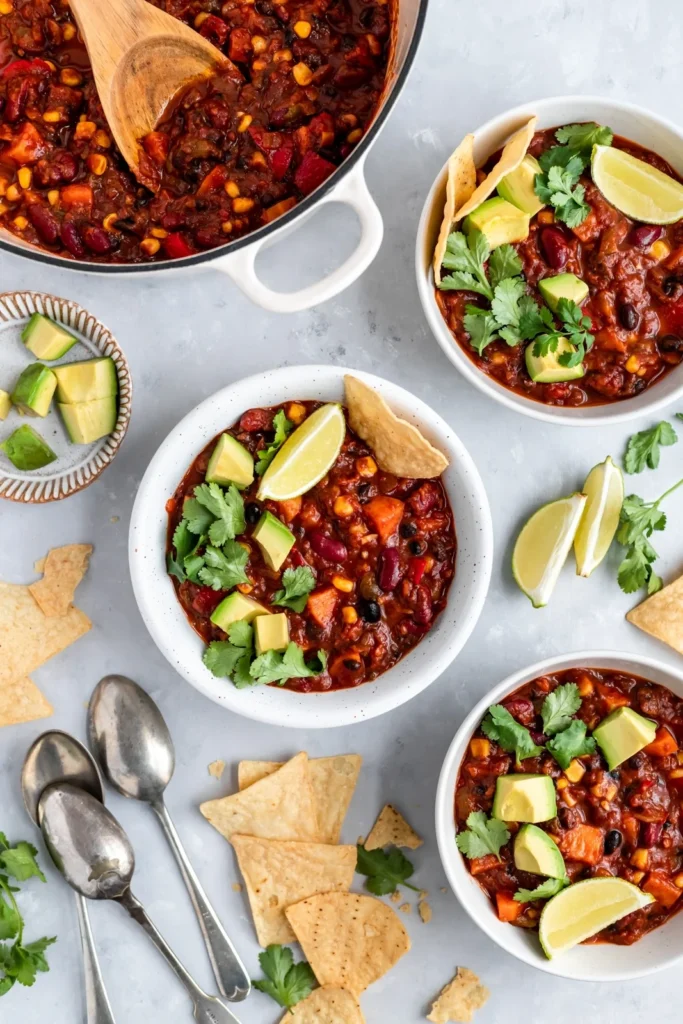
1. Vegetarian Chili with Beans and Veggies
Vegetarian chili is one of the most popular crockpot meals you can make. You’ll use multiple types of beans, fresh vegetables, and warming spices that blend together while cooking.
Just add your ingredients in the morning and come home to a ready meal. This dish works well for busy weeknights and meal prep.
You can store leftovers in your fridge for up to five days or freeze portions for later.

2. Creamy Mushroom Stroganoff
This dish transforms simple mushrooms into a rich, satisfying meal with almost no effort on your part. Simply add mushrooms, broth, and seasonings to your crockpot in the morning.
After 4-6 hours on low, you’ll have tender mushrooms in a creamy sauce. Serve it over egg noodles or rice for a complete vegetarian dinner.
The recipe works well with button mushrooms, cremini, or a mix of different varieties.

3. Slow Cooker Lentil Soup
Lentil soup is one of the easiest crockpot meals you can make. Add lentils, vegetables, broth, and spices to your slow cooker in the morning and let it cook all day.
The lentils become tender and absorb all the flavors while you’re at work or doing other things. This soup is high in protein and fiber, making it filling and nutritious.
You can use brown, green, or red lentils depending on what you have. Add carrots, celery, tomatoes, and your favorite seasonings for a hearty vegetarian meal.

4. Vegetable Curry with Coconut Milk
This slow cooker curry combines coconut milk with your choice of vegetables like sweet potatoes, cauliflower, carrots, and bell peppers. The coconut milk creates a creamy base while curry powder and cumin add warm spices.
You can add chickpeas for extra protein. Just put everything in your crockpot and let it cook for 3 to 6 hours.
The vegetables become tender and absorb the curry flavors as they cook. Serve it over rice and top with fresh cilantro.

5. Quinoa and Black Bean Stew
This stew combines quinoa and black beans to create a protein-rich meal that cooks itself in your crockpot. The quinoa absorbs the flavors while the beans add a hearty texture.
The recipe works well with basic pantry ingredients. Add vegetable broth, cumin, and your choice of vegetables like sweet potatoes or corn.
You can adjust the spices based on your taste preferences. The stew takes 4-5 hours on high or 6-8 hours on low.
It’s naturally vegan and gluten-free, making it suitable for various dietary needs.

6. Sweet Potato and Chickpea Tagine
This North African-inspired dish brings bold flavors to your dinner table with minimal effort. Combine sweet potatoes and chickpeas with warm spices like cumin, coriander, and cinnamon in your crockpot.
The slow cooking process lets the ingredients blend together while you go about your day. Serve this filling meal over couscous, rice, or quinoa.
Add a dollop of yogurt and fresh mint on top before serving. This tagine provides both protein and vegetables in one pot.

7. Slow Cooker Ratatouille
Slow cooker ratatouille brings the classic French vegetable stew to your table with almost no effort. Layer eggplant, zucchini, bell peppers, and tomatoes in your crockpot with garlic and herbs.
The vegetables cook together slowly, creating a rich tomato-based sauce. Serve it over rice, pasta, or with crusty bread.
This dish works well as a main course or side dish. The hands-off cooking method keeps your kitchen cool during warm weather.
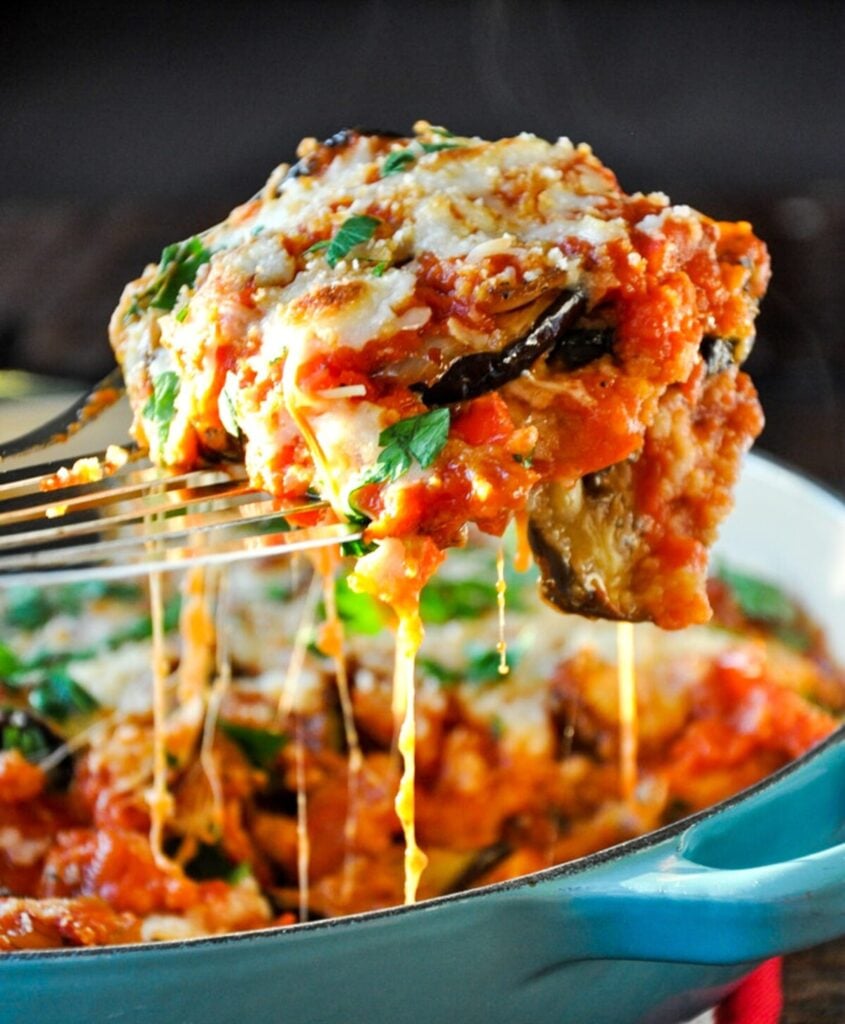
8. Eggplant Parmesan Casserole
This crockpot version takes the classic Italian dish and makes it simple. Layer sliced eggplant with marinara sauce and cheese, then let your slow cooker do the work.
The recipe skips the frying step that traditional eggplant parmesan requires. This saves you time and makes the dish lighter.
Use mozzarella and parmesan cheese for that classic flavor. The eggplant becomes tender after hours in the slow cooker.
It’s naturally low-carb and vegetarian, making it work for different eating styles.

9. Pumpkin and Sage Risotto
This crockpot risotto brings together sweet pumpkin and earthy sage for a rich fall dish. Use fresh or canned pumpkin puree mixed with arborio rice and vegetable broth.
The slow cooker does most of the work for you. Stir occasionally to get that creamy texture.
Add nutritional yeast or parmesan at the end for extra flavor. Top your risotto with crispy fried sage leaves before serving.
This recipe works well as a main course or side dish for any autumn meal.

10. Butternut Squash and Kale Stew
This vegetarian stew combines sweet butternut squash with nutrient-rich kale for a filling meal. Throw everything into your crockpot without any pre-cooking.
The recipe works well with quinoa or white beans for added protein. Many versions use warming spices and diced tomatoes to build flavor.
Add sweet potatoes alongside the butternut squash if you like. The stew stays fresh in your fridge for several days and freezes well too.
Benefits of Vegetarian Crockpot Cooking
Slow cooking vegetarian meals offers practical advantages that make daily cooking easier while supporting your health and the environment. These methods preserve nutrients, save time, and reduce your carbon footprint.
Nutritional Advantages
Slow cooking helps vegetables and legumes keep more of their vitamins and minerals compared to other cooking methods. The low, steady heat prevents nutrient loss that happens with high-temperature cooking.
Beans and lentils become easier to digest when cooked slowly. The long cooking time breaks down complex sugars that can cause digestive discomfort.
Key nutrients preserved in slow cooking:
- Vitamin C in vegetables like bell peppers and tomatoes
- B vitamins in whole grains and legumes
- Antioxidants in herbs and spices
- Fiber in beans, vegetables, and whole grains
The gentle cooking process also allows flavors to develop without added fats or oils. You can create rich, satisfying meals with minimal salt because the extended cooking time brings out natural flavors in vegetables and spices.
Convenience and Time-Saving Benefits
A crockpot needs just 10-15 minutes of prep work in the morning. Add your ingredients, set the temperature, and return home to a ready meal.
This hands-off approach means no stirring, monitoring, or temperature adjustments throughout the day. You avoid the evening rush of deciding what to cook and standing over a hot stove.
Vegetarian crockpot meals work well for meal prep. Cook large batches on weekends and portion them for the week ahead.
Most recipes make 6-8 servings, giving you multiple meals from one cooking session. Your crockpot uses less energy than your oven.
It draws about the same power as a light bulb while it cooks all day.
Sustainability and Environmental Impact
Plant-based meals have a smaller environmental footprint than meat-based dishes. Growing vegetables and grains requires less water and land than raising livestock.
Slow cookers help you use whole ingredients instead of processed foods with excess packaging. Buy dried beans in bulk rather than canned versions to reduce waste.
The low energy consumption of a crockpot makes it an efficient cooking choice. Using your slow cooker instead of your oven can cut your cooking energy use by up to 70%.
You can also reduce food waste by using vegetable scraps in slow cooker stocks and soups. Stems, peels, and other parts you might throw away add flavor and nutrients to your meals.
Tips for Success with Vegetarian Crockpot Recipes
Getting the best results from your crockpot means choosing ingredients that hold up during long cooking times, building rich flavors without meat, and storing your meals safely.
Choosing the Right Ingredients
Not all vegetables work well in a slow cooker. Root vegetables like potatoes, carrots, and parsnips are perfect because they take longer to soften.
Sweet potatoes, butternut squash, and beets also hold their shape beautifully. Tender vegetables like zucchini, spinach, and bell peppers should be added in the last 30-60 minutes of cooking.
They turn mushy if cooked too long. Fresh tomatoes can make your dish watery, so use canned diced tomatoes instead.
Beans and legumes work great in crockpots. Soak dried beans overnight before cooking, except for lentils and split peas.
Drain and rinse canned beans, then add them during the last hour. Grains like rice and pasta can get soggy in a slow cooker.
Use wild rice or brown rice for better texture. Add regular pasta in the final 20-30 minutes only.
Maximizing Flavor Without Meat
Building deep flavors in vegetarian dishes takes a few extra steps. Sauté your onions and garlic in a pan before adding them to the crockpot to create a flavor base.
Use vegetable broth instead of water for cooking. Low-sodium versions let you control the salt level better.
Layer your spices at different times. Add half at the beginning and the rest during the last hour.
Stir in fresh herbs right before serving because they lose flavor quickly. Add dried herbs from the start.
Add umami-rich ingredients like soy sauce, miso paste, tomato paste, or mushrooms. These create the savory depth that meat usually provides.
A splash of balsamic vinegar or lemon juice at the end brightens all the flavors.
Safe Food Handling and Storage
Your crockpot must reach 140°F within two hours to prevent bacteria growth. Keep the lid closed during cooking because lifting it releases heat and adds 15-20 minutes to your cook time.
Never put frozen vegetables or cold ingredients straight from the fridge into your crockpot. Let ingredients come to room temperature first, or use the sauté function if your crockpot has one.
Store leftovers within two hours of cooking. Move food to shallow containers so it cools faster in the fridge.
Most vegetarian crockpot meals last 3-4 days refrigerated or up to 3 months frozen. Reheat food in your microwave or stovetop to bring leftovers to 165°F quickly.
Frequently Asked Questions
Making vegetarian meals in a crockpot raises common questions about ingredients, nutrition, and cooking methods. Understanding how to select proteins, adjust recipes, and create dishes that work for different dietary needs helps you get the most from your slow cooker.
What are some simple vegetarian slow cooker recipes that require minimal ingredients?
Lentil soup is one of the easiest recipes you can make with just lentils, vegetable broth, onions, and basic spices. You need about five main ingredients to create a filling meal that cooks for six to eight hours on low.
Black bean and quinoa stew works well with canned beans, quinoa, diced tomatoes, and vegetable broth. This combination creates a complete protein with minimal prep work.
Vegetable curry requires coconut milk, curry powder, and whatever vegetables you have on hand. Potatoes, carrots, and cauliflower work particularly well in this dish.
Can you recommend high protein vegetarian crockpot dishes for a nutritious meal?
Quinoa and black bean stew provides about 15 grams of protein per serving. The combination of quinoa and beans creates a complete protein with all essential amino acids.
Lentil-based dishes offer excellent protein content, with one cup of cooked lentils containing around 18 grams of protein. Add extra lentils to soups and stews to boost the protein level even more.
Chickpea curries deliver substantial protein while staying budget-friendly. Add tofu or tempeh to your crockpot recipes to increase protein content by 10 to 20 grams per serving.
What are the top kid-friendly vegetarian recipes for slow cookers?
Vegetarian chili with beans tends to be a favorite because kids enjoy the mild flavor and familiar texture. You can adjust the spice level by reducing or eliminating hot peppers and cayenne.
Creamy mushroom stroganoff appeals to children who like pasta dishes. The creamy sauce and soft mushrooms create a texture that most kids accept easily.
Mac and cheese made in a crockpot uses simple ingredients that kids recognize. You can add vegetables like peas or carrots to increase nutrition without changing the overall taste too much.
How can I adapt Jamie Oliver’s vegetarian recipes for a slow cooker?
Reduce the liquid in stovetop recipes by about one-third when converting to a slow cooker. Crockpots trap moisture, so dishes become watery if you use the original liquid amounts.
Cut vegetables into larger chunks than the original recipe calls for. Slow cooking for several hours breaks down vegetables more than stovetop cooking, so bigger pieces maintain better texture.
Add fresh herbs and delicate ingredients during the last 30 minutes of cooking. This preserves their flavor and prevents them from becoming mushy or losing their taste.
What are some healthy vegetarian crockpot recipes suitable for weight management?
Vegetable-heavy soups with minimal added fats work well for weight management. Using vegetable broth instead of cream-based liquids cuts calories while maintaining flavor.
Lentil and bean dishes provide fiber that helps you feel full longer. A serving of lentil soup contains about 200 calories but keeps you satisfied for hours.
You can lighten curry dishes made with coconut milk by using light coconut milk. This swap saves about 100 calories per serving without sacrificing the creamy texture.
Are there any versatile vegan crockpot dishes that go beyond soups?
Stuffed peppers work well in a crockpot when you fill them with quinoa, beans, and vegetables. The slow cooker steams the peppers while the filling absorbs all the flavors.
Bean-based casseroles create hearty meals without relying on soup format. Layer beans, vegetables, and grains with tomato sauce for a lasagna-style dish.
For crockpot risotto, use arborio rice with vegetable broth and wine to create a creamy texture. Add mushrooms, asparagus, or butternut squash for different variations.