
Spring brings fresh produce and new flavors to your kitchen. The season offers ingredients like asparagus, peas, rhubarb, and fresh herbs that can transform your meals.
These ingredients work well in salads, main dishes, and desserts. You’ll find options for quick weeknight dinners and special occasions.
Each recipe focuses on seasonal ingredients that are at their peak during this time of year.
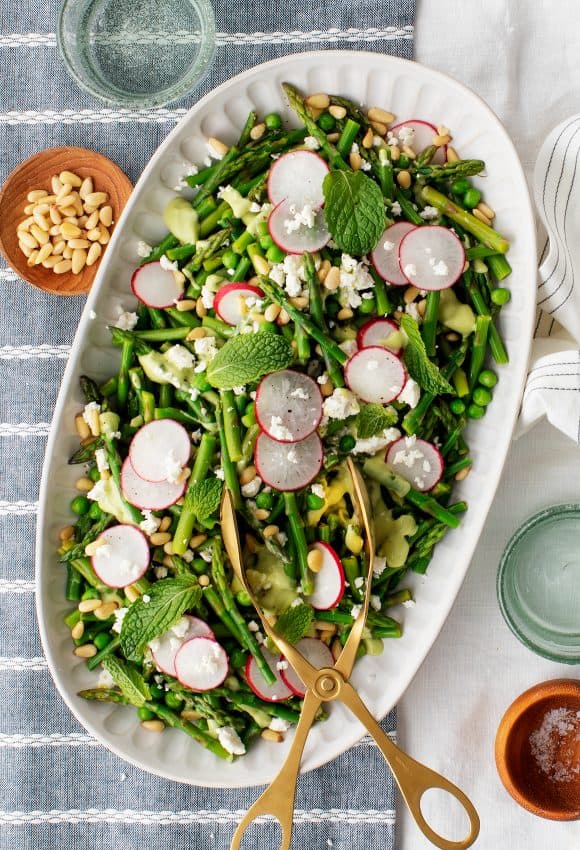
1. Asparagus and Pea Spring Salad
Fresh asparagus and sweet peas make a perfect spring combination. You can create this simple salad in minutes with ingredients that are at their peak in the season.
Start with crisp asparagus spears and blanch them briefly to keep their bright green color. Add fresh or frozen peas for sweetness.
Toss everything with lettuce or spring greens as your base. Mix lemon juice with olive oil for a bright vinaigrette.
Add fresh herbs like mint or basil for extra flavor.

2. Strawberry Rhubarb Cobbler
Strawberry rhubarb cobbler brings together the sweet taste of strawberries with the tart flavor of rhubarb. You can make this dessert in under an hour, which makes it perfect for busy spring evenings.
Combine fresh fruit with sugar and a thickener like cornstarch for the filling. Top it with either a biscuit-like dough or a buttery crumble.
Serve your cobbler warm with vanilla ice cream or whipped cream.

3. Spring Vegetable Minestrone
Spring vegetable minestrone brings fresh seasonal produce into a light, satisfying soup. Use asparagus, peas, zucchini, and new potatoes for a bright flavor.
Include white beans and small pasta in a simple broth. Add fresh herbs and finish with lemon juice for extra brightness.
Top your bowl with grated Parmesan cheese or a drizzle of olive oil before serving.

4. Lamb Stew with Fresh Herbs
Lamb stew works perfectly for spring meals when you want something warm and filling. Cook tender pieces of lamb with seasonal vegetables until everything becomes soft and flavorful.
Add rosemary and thyme while the stew simmers to bring out the natural taste of the meat. Use spring vegetables like new potatoes, peas, and young carrots.
Cook the stew for about two hours on your stovetop. Serve it in bowls for an easy dinner your family will enjoy.

5. Carrot Cake with Cream Cheese Frosting
Carrot cake is a classic spring dessert that brings together tender cake layers and sweet cream cheese frosting. Enjoy the moist texture that comes from freshly grated carrots mixed into the batter.
Warm spices like cinnamon and nutmeg give this cake its signature flavor. Make your frosting creamy and slightly tangy to balance the sweetness of the cake.
This dessert works well for Easter celebrations, birthday parties, or any spring gathering. Add chopped nuts or raisins if you prefer extra texture.

6. Spinach and Feta Spring Pie
This Greek-inspired dish brings fresh spring flavors to your table. Layer buttery phyllo dough with a savory filling of spinach, crumbled feta cheese, and fresh herbs like dill and parsley.
Bake the pie until the phyllo turns golden and crispy. Inside, the spinach and feta create a creamy, flavorful filling.
Prepare this dish ahead of time and bake it when you’re ready to eat. It works well for lunch, dinner, or as part of a spring brunch spread.

7. Roasted Spring Vegetables with Garlic
Spring vegetables reach their peak when roasted with garlic. Use carrots, asparagus, radishes, and snap peas for this simple side dish.
Cut your vegetables into similar-sized pieces so they cook evenly. Toss them with olive oil, minced garlic, salt, and pepper.
Roast at 400°F for 20-25 minutes until the edges turn golden and caramelized. The garlic adds a savory depth that brings out the natural sweetness in the vegetables.
This dish pairs well with chicken, beef, or fish.

8. Spring Risotto with Asparagus and Peas
This creamy rice dish brings fresh spring vegetables to your table. Slowly cook Arborio rice with vegetable broth until it becomes tender and creamy.
Combine bright green asparagus and sweet peas with rich Parmesan cheese. Make traditional risotto on the stovetop with regular stirring, or try an oven-baked version that needs less attention.
The dish works well as a main course or side dish. Use simple pantry items along with whatever fresh spring vegetables you have available.
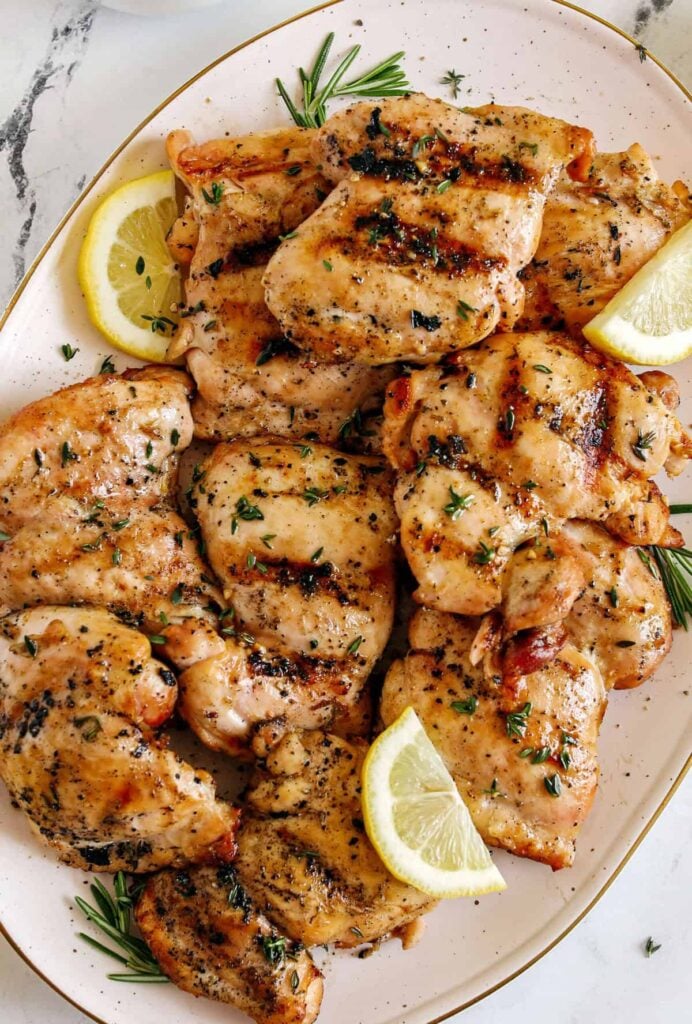
9. Lemon Herb Grilled Chicken
Lemon herb grilled chicken brings bright, fresh flavors to your spring table. The marinade combines lemon juice with herbs like rosemary, thyme, and oregano to create tender, juicy chicken.
Use chicken breasts or thighs for this recipe. The marinade works quickly, so you don’t need hours of prep time.
Grill the chicken until it develops a light char on the outside. This dish works well for weeknight dinners or weekend barbecues.
It’s naturally gluten-free and high in protein, making it a healthy choice for your spring meals.

10. Steak Tacos with Spring Slaw
Steak tacos with spring slaw bring together tender meat and fresh vegetables in a simple weeknight meal. Grill or pan-sear your steak to your preferred doneness, then slice it thin for easy eating.
The spring slaw adds a light, crunchy element to your tacos. Mix shredded cabbage with lime juice, fresh cilantro, and a touch of honey for sweetness.
Add sliced radishes or carrots for extra color and texture. Warm your tortillas and build your tacos with the sliced steak and generous portions of slaw.
The whole meal comes together in about 20 minutes.
Seasonal Ingredients for Spring
Spring brings a fresh selection of vegetables and fruits that taste better and cost less when you buy them at their peak growing season.
Fresh Produce Highlights
Asparagus leads the spring vegetable lineup. Roast it, grill it, or sauté it in brown butter for a simple side dish.
Look for firm stalks with tight tips at your local market.
Peas arrive fresh in spring, including snap peas, snow peas, and English peas. They add sweetness and crunch to salads, pastas, and rice dishes.
Fresh peas taste noticeably sweeter than frozen ones.
Rhubarb becomes available in early spring. This tart vegetable works well in desserts like cobblers and pies when paired with strawberries.
The pink and red stalks contain the most flavor.
Other spring favorites include:
- Leeks and green onions
- Radishes
- Fresh herbs like chives and parsley
- Spinach and spring lettuces
- Strawberries
Benefits of Eating In-Season
Seasonal produce costs less because farmers have abundant supplies during peak growing times. You’ll notice lower prices on asparagus bundles and fresh peas in spring compared to winter months.
Fruits and vegetables picked at their peak contain more nutrients and vitamins. They also taste better since they ripen naturally on the plant instead of in storage or during transport.
Shopping for seasonal items supports local farmers in your area. Many spring vegetables come from nearby farms instead of traveling long distances.
This means fresher food on your table and less time between harvest and your kitchen.
Tips for Enhancing Spring Recipes
Spring cooking becomes more successful when you know how to balance different tastes and make your dishes look appealing. The right combination of flavors and simple finishing touches can turn basic seasonal ingredients into memorable meals.
Balancing Flavors and Textures
Combine different taste elements to make spring dishes more interesting. Pair sweet vegetables like peas or carrots with acidic ingredients such as lemon juice or vinegar.
This creates contrast and prevents dishes from tasting flat. Add fresh herbs at the end of cooking to keep their bright flavor.
Mint, basil, and dill work well with spring vegetables and don’t need much heat. Mix soft and crunchy textures in the same dish.
Add toasted nuts or seeds to creamy soups. Raw radishes bring crunch to soft pasta dishes.
Use salt carefully to bring out natural flavors in spring produce. A small amount of sea salt makes asparagus and strawberries taste sweeter without adding sugar.
Add a small amount of fat like olive oil or butter to help your body absorb nutrients from vegetables. It also helps flavors blend together better.
Creative Garnishing Techniques
Simple garnishes make your spring recipes look professional. Scatter fresh herb leaves over finished dishes instead of chopping them.
Whole leaves of parsley, cilantro, or chervil add color and flavor. Slice radishes or cucumbers paper-thin and arrange them on top of salads or cold dishes.
Use a mandoline or sharp knife for clean, even cuts. Edible flowers like pansies, nasturtiums, or chive blossoms add color to spring plates.
Rinse them gently and pat dry before placing them on food. Make citrus zest curls by using a vegetable peeler on lemons or oranges.
These bright strips add visual appeal and fresh aroma to desserts and main dishes. Drizzle herb oils or balsamic reduction in patterns on your serving plates.
Use a spoon or squeeze bottle for better control.
Frequently Asked Questions
Spring cooking focuses on fresh vegetables like asparagus and peas, lighter preparation methods, and using herbs to enhance natural flavors without heavy sauces or long cooking times.
What are some light and refreshing dishes perfect for springtime dining?
Salads built around spring vegetables make excellent light meals. Combine fresh asparagus and peas with mixed greens, a light vinaigrette, and shaved Parmesan for a satisfying lunch or dinner side.
Spring vegetable minestrone offers a lighter take on traditional soup. The broth-based recipe includes seasonal vegetables and keeps you full without feeling heavy.
How can I incorporate seasonal spring vegetables into my meals?
Add asparagus to pasta dishes, omelets, or roast it as a simple side dish. Blanch asparagus briefly in boiling water to keep it crisp and bright green.
Peas work well in risottos, grain bowls, and stir-fries. Fresh peas only need a few minutes of cooking to stay tender and sweet.
Eat radishes, carrots, and spring onions raw in salads or lightly sauté them. These vegetables lose nutrients with extended cooking, so quick preparation methods work best.
Can you suggest quick and healthy spring recipes for busy weeknights?
A spring vegetable stir-fry takes less than 20 minutes. Use snap peas, asparagus, and carrots with your choice of protein and serve over rice or quinoa.
Sheet pan meals with spring vegetables and fish or chicken require minimal prep. Toss vegetables with olive oil and herbs, arrange everything on one pan, and roast at 400°F for 20-25 minutes.
Grain bowls let you use whatever spring produce you have on hand. Start with quinoa or farro, add roasted or raw vegetables, and top with a simple lemon dressing.
What are some creative ways to use spring herbs in my cooking?
Add fresh herbs like basil, dill, and chives at the end of cooking to preserve their flavor. Sprinkle them over finished dishes or stir them into sauces just before serving.
Make herb oils by blending fresh herbs with olive oil. These oils work well as salad dressings or finishing touches for soups and roasted vegetables.
Herb butters add flavor to bread, fish, or vegetables. Mix softened butter with chopped fresh herbs and a pinch of salt, then refrigerate until firm.
Could you recommend any spring-themed desserts that are both delicious and easy to make?
Strawberry rhubarb cobbler uses two classic spring ingredients. The fruit mixture cooks under a simple biscuit topping that you can prepare in about 10 minutes.
Carrot cake celebrates spring carrots with warm spices and cream cheese frosting. Bake it as a layer cake or in a sheet pan for easier serving.
Fresh fruit parfaits layer yogurt with chopped strawberries, sliced rhubarb compote, and granola. These require no baking and take just minutes to assemble.
What are the best techniques for cooking tender spring produce to maintain its flavor and nutrients?
Blanching preserves the bright color and crisp texture of vegetables like asparagus and peas. Boil water, add vegetables for 2-3 minutes, then immediately transfer them to ice water.
Steaming cooks vegetables gently without submerging them in water. This method keeps more vitamins intact compared to boiling.
Quick sautéing over medium-high heat works well for spring vegetables. Use a small amount of oil or butter and cook them for just 3-5 minutes to maintain their texture and nutrients.