
Banana peppers add a mild, tangy flavor to many dishes without overwhelming heat. These yellow-to-orange peppers work well in both raw and cooked recipes.
You can use them fresh, pickled, grilled, or fried depending on what you want to make. This collection shows you how to prepare banana peppers in different ways, from simple stuffed peppers and homemade pickles to creative dishes like meatballs, pasta salads, and stir-fries.
You’ll learn basic cooking techniques and discover how these peppers can improve your everyday meals. The recipes range from quick appetizers to full dinners that work for weeknight cooking or entertaining guests.
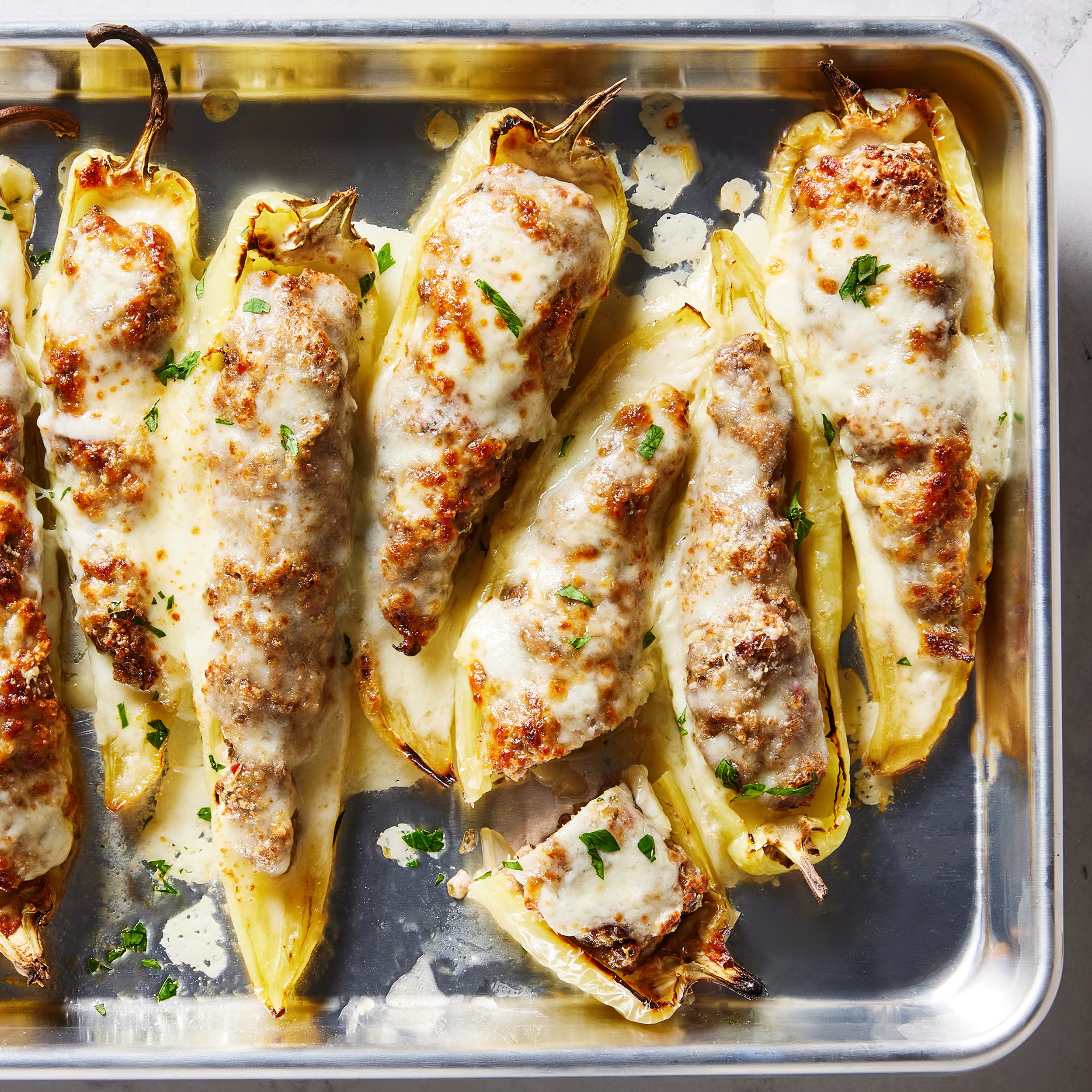
1. Stuffed Banana Peppers with Ground Beef and Cheese
This recipe turns mild banana peppers into a hearty meal. You fill the peppers with seasoned ground beef, cooked rice, and cheese.
The peppers stay tender while the filling gets warm and satisfying. You can use Italian sausage instead of ground beef if you want more flavor.
Mix in ricotta or cream cheese for a creamy texture. Top everything with mozzarella before baking.

2. Pickled Banana Peppers with Garlic and Vinegar
Pickled banana peppers make a tangy addition to sandwiches, salads, and pizza. You can prepare them quickly with just a few ingredients.
The basic recipe uses vinegar, water, sugar, and salt for the brine. Add sliced garlic cloves and your choice of spices like black peppercorns or mustard seeds.
Slice your banana peppers into rings and pack them into clean jars. Pour the heated brine over the peppers and let them cool.
You can store them in your refrigerator for up to two weeks without canning.

3. Banana Pepper and Chicken Stir-Fry
This stir-fry brings together tender chicken and tangy banana peppers in one quick dish. You’ll coat chicken pieces in cornstarch, salt, and pepper before cooking them in a hot wok until golden brown.
The banana peppers add a mild heat and bright flavor to the dish. Stir-fry them with onions and garlic, then add soy sauce and oyster sauce for depth.
Serve it over rice for a complete dinner that works well on busy weeknights.

4. Banana Pepper Relish for Sandwiches
Banana pepper relish brings a sweet and tangy flavor to your sandwiches. You can make it at home with banana peppers, onions, bell peppers, vinegar, and sugar.
This relish works well on burgers, hot dogs, and deli sandwiches. The mix of sweet and spicy flavors adds brightness to simple meals.
Store your homemade relish in the refrigerator or preserve it through canning. It lasts for months when properly sealed in jars.

5. Banana Pepper Meatballs
Banana pepper meatballs bring a zesty kick to your dinner table. You can make them with ground beef, pork, or a mix of meats for extra flavor.
Mix chopped banana peppers right into the meat mixture. This keeps every bite juicy and adds a mild heat throughout.
Bake these meatballs in the oven or cook them in marinara sauce. Serve them over pasta, in sub sandwiches, or as an appetizer with toothpicks.

6. Mediterranean Pasta Salad with Banana Peppers
This pasta salad brings together bright Mediterranean flavors in one simple dish. Combine cooked rotini or fusilli with fresh vegetables like cherry tomatoes, cucumbers, and sliced banana peppers.
Add crumbled feta cheese for a tangy, salty element. Toss in some kalamata olives and red onions for extra flavor.
Dress everything with good quality olive oil and a splash of vinegar. You can serve this at room temperature or chilled.

7. Beer-Battered Fried Banana Peppers
Beer batter adds a light, crispy coating to banana peppers that makes them perfect for snacking. Mix flour with your favorite beer to create a bubbly batter that fries up golden and crunchy.
The beer gives the coating extra flavor while keeping the peppers tender inside. Use pickled banana pepper rings or fresh peppers sliced into rounds.
Heat your oil to the right temperature before frying. Dip each pepper in the batter and fry until golden brown.
Serve them hot with ranch dressing or your favorite dipping sauce.

8. Banana Pepper Salsa
Banana pepper salsa offers a tangy twist on traditional recipes. Make it with fresh banana peppers, tomatoes, onions, and cilantro for a balanced flavor.
The peppers bring a mild heat and slight sweetness that works well as a dip or taco topping. Prepare this salsa in minutes using a food processor.
Mix in lime juice and garlic to brighten the taste. This recipe works great when you have extra banana peppers from your garden or store-bought produce.

9. Grilled Banana Peppers with Olive Oil and Herbs
Grilling banana peppers with olive oil and herbs brings out their natural sweetness while adding a smoky char. You only need fresh banana peppers, extra virgin olive oil, garlic, and your choice of herbs like basil or oregano.
Coat the peppers in olive oil and minced garlic. Season them with salt and black pepper.
Place them directly on the grill over medium heat. Grill for 3-4 minutes per side until they develop char marks and soften.
The peppers should have a tender texture and slightly blistered skin when done.

10. Banana Pepper and Sausage Pizza
You can make this tasty pizza in under 30 minutes. The combination of savory sausage and tangy banana peppers creates a balanced flavor profile.
Start with your favorite pizza dough and sauce. Add mozzarella cheese, cooked sausage pieces, and sliced banana peppers.
Bake until the crust turns golden and the cheese melts. Adjust the amount of peppers based on your heat preference.
Tips for Cooking With Banana Peppers
Getting the most flavor from banana peppers starts with choosing quality produce and using the right preparation methods. The way you select, prep, and balance these peppers affects the final taste of your dishes.
Selecting the Freshest Banana Peppers
Look for banana peppers with smooth, glossy skin that feels firm when you touch them. The peppers should have a bright yellow or yellow-green color without any wrinkles, soft spots, or dark blemishes.
Fresh banana peppers should feel heavy for their size. This means they have thick walls and plenty of moisture inside.
Avoid peppers that feel light or have thin, papery skin. Check the stem end of each pepper.
It should be green and fresh-looking, not brown or dried out. A fresh stem tells you the pepper was recently picked.
Store your banana peppers in the refrigerator’s crisper drawer. They will stay fresh for up to two weeks when kept at the right temperature.
Don’t wash them until you’re ready to use them, as extra moisture can make them spoil faster.
Preparation Techniques for Best Flavor
Remove the seeds and inner membranes if you want a milder taste. Cut the pepper lengthwise and scrape out the white ribs with a spoon.
The seeds and membranes contain most of the heat. Roasting brings out the natural sweetness in banana peppers.
Place them under the broiler or on a grill until the skin blisters and chars slightly. This adds a smoky depth to your recipes.
Pickle banana peppers to preserve them and create a tangy condiment. Use a simple brine of vinegar, water, salt, and sugar.
The pickled peppers will last for months in your refrigerator. For stuffed pepper recipes, blanch the peppers in boiling water for 2-3 minutes first.
This softens them just enough to make eating easier while keeping their structure intact.
Balancing Heat and Sweetness
Banana peppers rate between 0 and 500 Scoville heat units, making them one of the mildest peppers available. Their subtle heat works well in dishes where you want flavor without intense spice.
The natural sweetness in banana peppers pairs well with acidic ingredients. Try combining them with vinegar, citrus juice, or tomatoes in your recipes.
This balance creates a more complex flavor profile. Cooking methods that enhance sweetness:
- Sautéing with olive oil and garlic
- Roasting at high heat
- Grilling over direct flame
- Slow cooking in stews or sauces
Add banana peppers early in the cooking process for a milder, sweeter taste. If you want more pronounced pepper flavor, add them near the end of cooking.
The longer they cook, the more their heat mellows and their sweetness develops.
Health Benefits of Banana Peppers
Banana peppers provide several vitamins and minerals that support your body’s basic functions while adding minimal calories to your meals. These mild peppers contain nutrients that contribute to heart health, vision, and digestive wellness.
Nutritional Profile Overview
Banana peppers are low in calories, with just 10 calories per pepper. This makes them an easy addition to meals when you want flavor without extra weight.
A one-cup serving delivers 103 milligrams of vitamin C, which exceeds the daily recommended amount. This vitamin supports your immune system and helps your body heal.
Banana peppers also contain:
- Vitamin A for maintaining healthy vision
- Potassium to support proper heart function
- Fiber for digestive health
- Small amounts of iron and calcium
The fiber content helps you feel full longer after eating. This can be useful when managing portion sizes throughout the day.
Potential Role in a Balanced Diet
The potassium in banana peppers may help lower blood pressure when included as part of a healthy eating pattern. This mineral works with your body to regulate heart function and fluid balance.
The vitamin C content supports your immune system’s ability to fight off illness. It also acts as an antioxidant that protects your cells from damage.
Banana peppers fit well into meal plans focused on adding vegetables without increasing calories significantly. You can use them in sandwiches, pizzas, salads, or as a standalone snack.
Their mild heat makes them accessible even if you don’t typically enjoy spicy foods.
Frequently Asked Questions
Banana peppers work in many dishes beyond typical toppings, and you can preserve them through pickling or freezing. They offer vitamin C and antioxidants while adding mild heat to both plant-based meals and traditional recipes.
What are some creative ways to incorporate banana peppers into meals?
Blend banana peppers into homemade hot sauces or salsas for a tangy kick. Slice them into stir-fries with chicken or vegetables, adding both flavor and crunch.
Chop them into meatball mixtures or use them as a base for sandwich relishes. Layer them into quesadillas, pasta dishes, or grain bowls.
Air fry stuffed banana peppers to create a crispy exterior while keeping the filling moist. Dice them into scrambled eggs or omelets for a morning boost to your breakfast routine.
How can I preserve banana peppers for long-term use in cooking?
Pickle banana peppers in vinegar with garlic to extend their shelf life for several months. Sterilize jars, pack the peppers tightly, and cover them with a brine solution of vinegar, water, salt, and sugar.
Freeze them if you plan to cook with them later. Wash and dry the peppers, then slice or leave them whole before placing them in freezer bags.
Remove as much air as possible to prevent freezer burn. Dry banana peppers in a dehydrator or oven set to low heat.
Once dried, store them in airtight containers and rehydrate them when needed for cooking.
Are there any vegan or vegetarian dishes that feature banana peppers?
Stuffed banana peppers work perfectly with plant-based fillings like quinoa, rice, beans, and dairy-free cheese. Season the filling with herbs and spices to create a complete meal.
Add sliced banana peppers to veggie pizzas, grain salads, or Buddha bowls. They pair well with hummus, roasted vegetables, and falafel wraps.
You can make a banana pepper relish for veggie burgers or sandwiches using just peppers, onions, and vinegar. Toss banana peppers into pasta primavera or stir them into vegetable fried rice for extra flavor.
What are the nutritional benefits of including banana peppers in my diet?
Banana peppers provide vitamin C, which supports your immune system and helps your body absorb iron. One pepper contains a small number of calories while delivering fiber and antioxidants.
They contain vitamin B6, which aids in brain function and metabolism. Capsaicin in banana peppers may boost your metabolism slightly and reduce inflammation.
You get vitamin A from banana peppers, which supports eye health and skin function. They also provide potassium and manganese in smaller amounts.
Can banana peppers be used in dessert recipes, and if so, how?
You can incorporate mild banana peppers into fruit salsas served with sweet chips or over ice cream. The combination of sweet and tangy creates an unexpected flavor profile.
Candying banana peppers transforms them into a sweet-spicy treat. Cook sliced peppers in sugar syrup until they become glazed and tender.
Use candied banana peppers as toppings for cheesecakes or chocolate desserts. Some bakers add finely minced banana peppers to chocolate brownies or cookies for subtle heat.
Use the peppers sparingly to avoid overpowering the sweetness.
How do I adjust the heat level in recipes when using banana peppers?
Remove the seeds and white membranes inside banana peppers to reduce their heat significantly.
The flesh contains much less capsaicin than these inner parts.
Mix banana peppers with sweeter bell peppers to dilute the spiciness while maintaining pepper flavor.
Use a 1:1 or 1:2 ratio depending on your heat preference.
Add dairy products like cheese, sour cream, or milk to dishes with banana peppers.
These ingredients help neutralize capsaicin and make the heat more manageable.
Increase other ingredients in your recipe to spread out the pepper’s intensity across more servings.