
Banana peppers bring a mild, tangy flavor to your cooking that works well in many different dishes. These yellow peppers offer a gentle kick without too much heat, making them perfect for people who want flavor without burning their mouths.
You can use them fresh, pickled, or cooked in everything from appetizers to main courses. This collection shows you how to turn banana peppers into satisfying meals, from stuffed peppers and meatballs to pickles and hot sauce.
You’ll learn about cooking methods that include baking, frying, and pickling. The recipes cover both meat-based and vegetarian options, so you can find something that fits your diet.
You’ll also discover tips for picking the right peppers and balancing their unique sweet and tangy taste in your cooking.
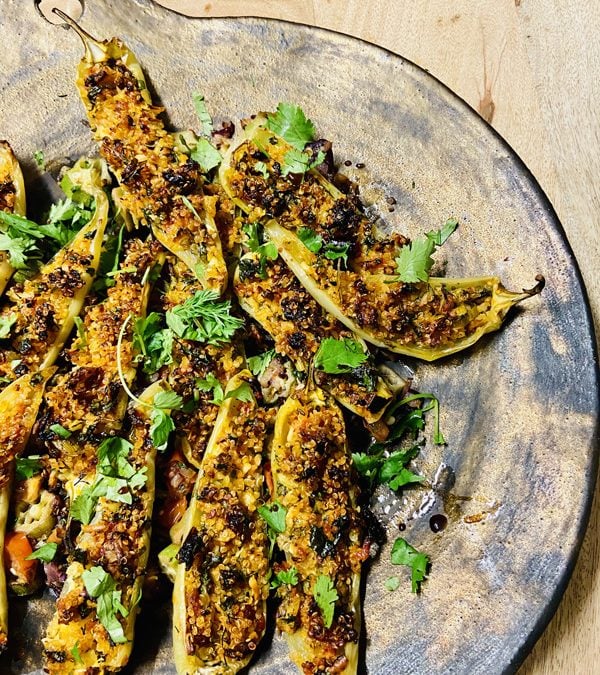
1. Stuffed Banana Peppers with Quinoa
This vegetarian dish combines mild banana peppers with protein-rich quinoa for a nutritious meal. Start by cooking quinoa according to package directions while you prep the peppers.
Cut off the tops of your banana peppers and remove the seeds. Mix the cooked quinoa with black beans, diced vegetables, and your choice of spices.
Fill each pepper with the quinoa mixture and top with cheese if desired. Bake the stuffed peppers until tender and the filling is heated through.
This recipe works well for weeknight dinners or meal prep.
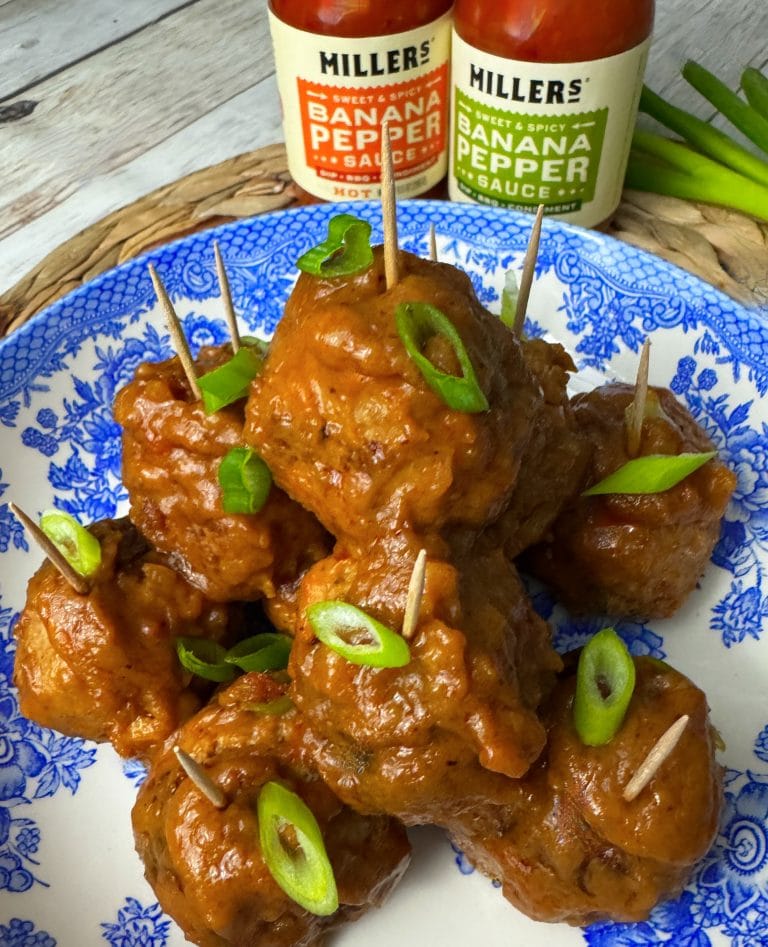
2. Banana Pepper Meatballs
Banana pepper meatballs bring a tangy kick to your dinner table. Make them with ground beef, pork, and Italian sausage for maximum flavor.
The chopped banana peppers add moisture and a mild heat that makes each bite juicy. These meatballs work great on their own or in a sub sandwich.
Bake them in marinara sauce and top with melted mozzarella cheese. They’re easy to prepare and perfect for weeknight meals or game day gatherings.
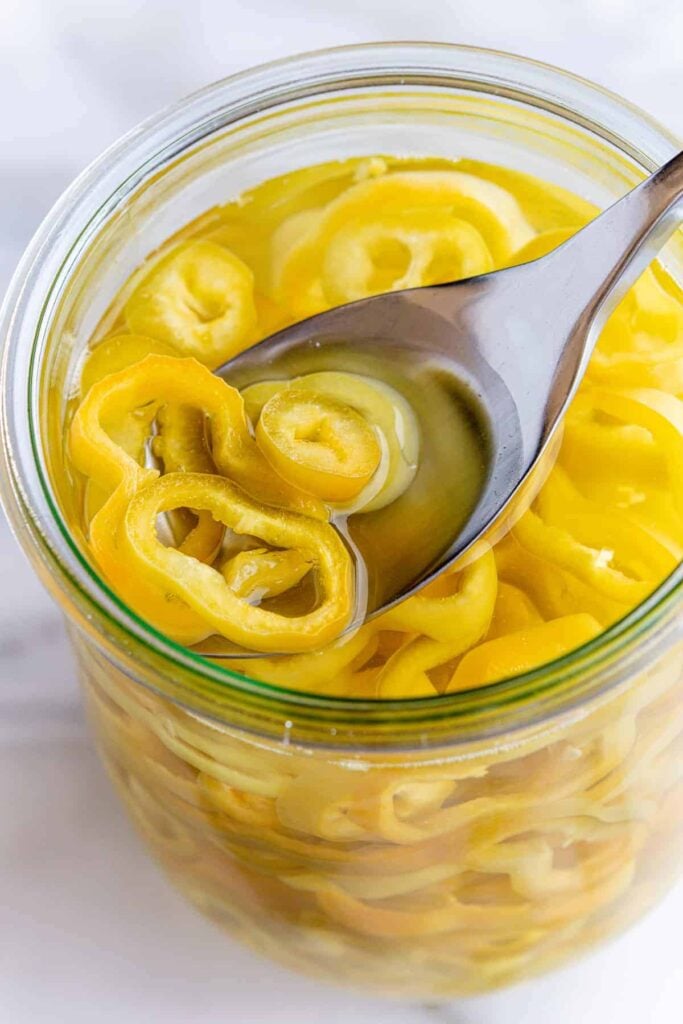
3. Pickled Banana Peppers
Pickled banana peppers are a simple way to preserve your harvest. You only need vinegar, sugar, and a few basic spices to get started.
The process takes just a few hours. You’ll get crispy, tangy peppers that are ready to eat the same day.
These pickled peppers work great on sandwiches, pizza, and salads. Store them in your refrigerator without any canning equipment.
The vinegar-based brine keeps them fresh while adding a mild spicy kick.
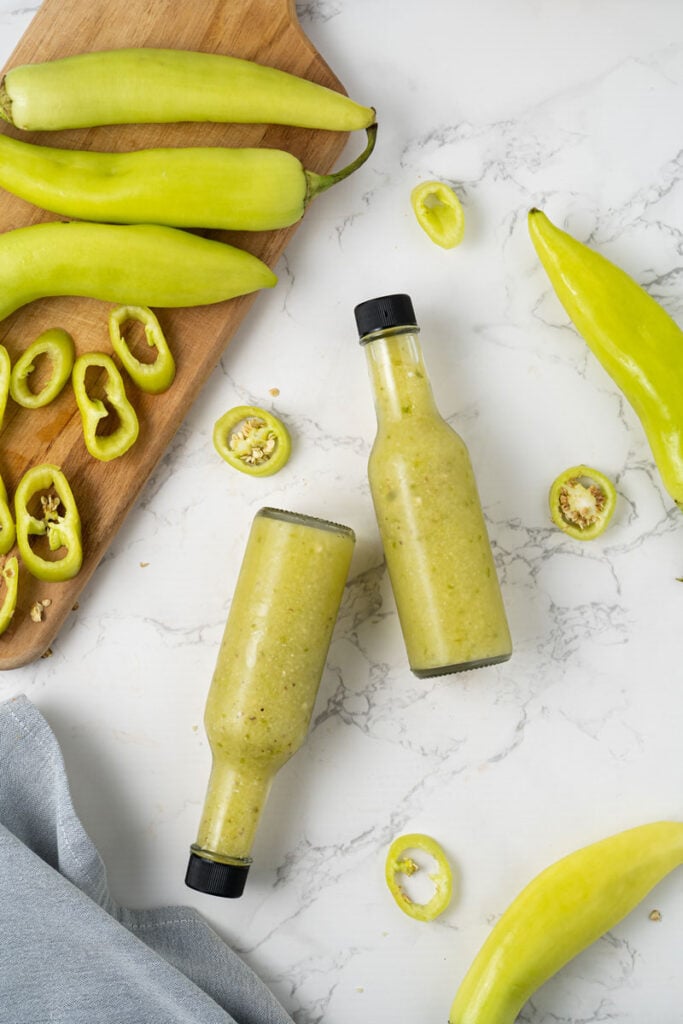
4. Banana Pepper Hot Sauce
Making your own banana pepper hot sauce is simple and rewarding. Use fresh banana peppers, vinegar, garlic, salt, and a few spices to create this tangy condiment.
The sauce combines the mild heat of banana peppers with a bright, acidic kick. Adjust the spice level by adding jalapeños or other hot peppers if you want more heat.
After blending the ingredients, you get a versatile sauce that works well on tacos, eggs, grilled meats, and more. Store it in your refrigerator for weeks.
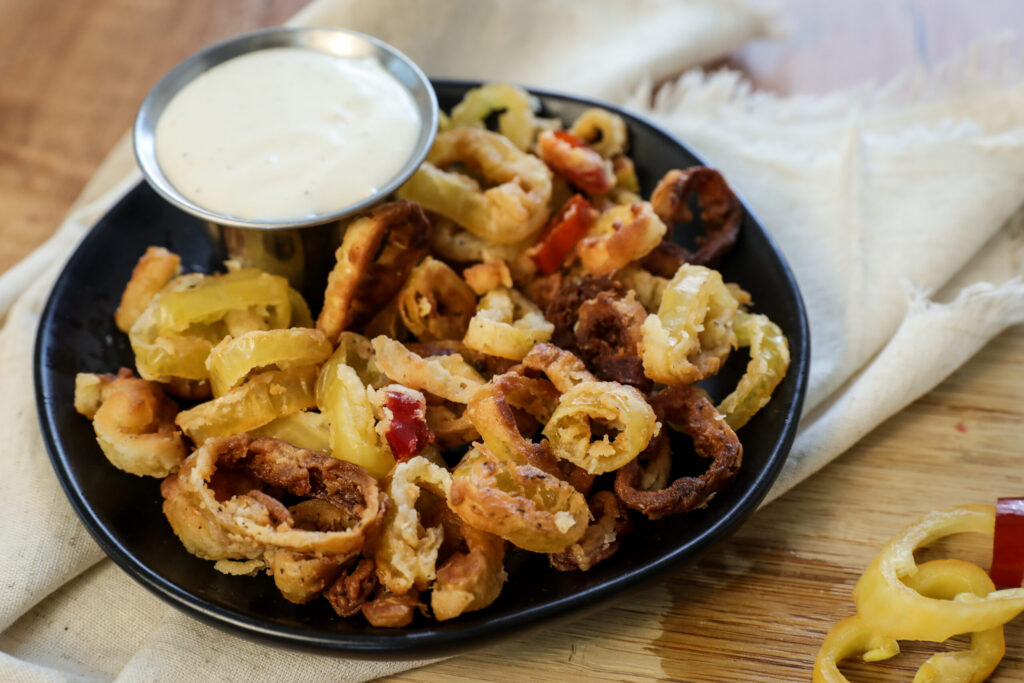
5. Beer-Battered Banana Peppers
Beer-battered banana peppers make an excellent appetizer or snack. The light, crispy coating pairs well with the mild heat and tangy flavor of the peppers.
You’ll need fresh banana peppers, beer, flour, and basic seasonings. The beer creates a light batter that crisps up nicely when fried.
Slice the peppers into rings before coating them in the batter. Deep fry them in oil or use an air fryer for a simpler cooking method.
Both approaches deliver satisfying crunch. Serve them hot with your favorite dipping sauce.
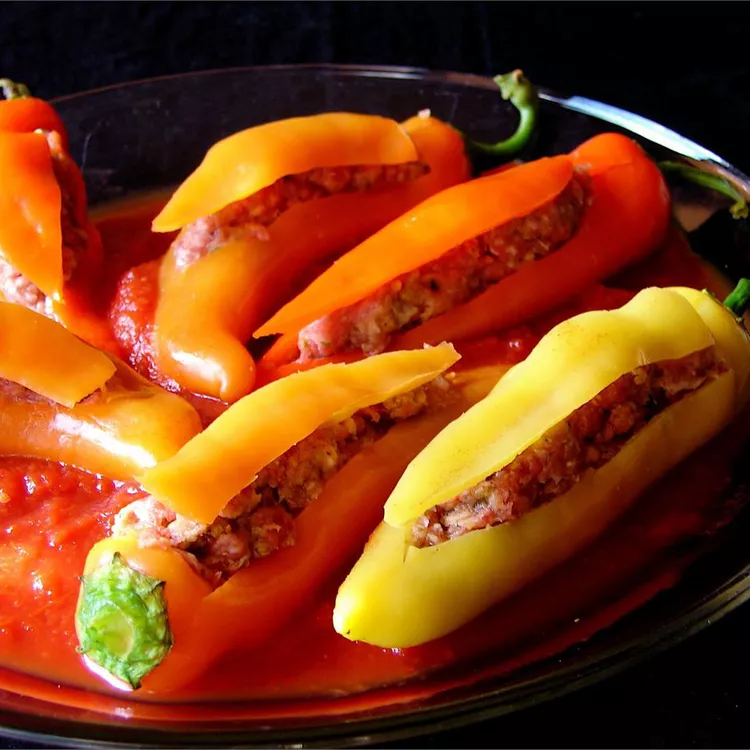
6. Bacon and Mozzarella Stuffed Banana Peppers
You can make these stuffed peppers with just a few basic ingredients. Fill mild banana peppers with melted mozzarella cheese and wrap them in bacon strips.
The bacon becomes crispy while it bakes, and the mozzarella melts inside the peppers. Serve these as an appetizer or side dish.
The prep work takes about 15 minutes. Cut the peppers lengthwise and remove the seeds before stuffing them.
Bake the wrapped peppers at 375°F for 25-30 minutes until the bacon is done.

7. Banana Pepper and Sausage Pizza
This pizza brings together tangy banana peppers and savory Italian sausage on a crispy crust. The combination creates a balance between spicy, salty, and tangy flavors.
Use hot or sweet sausage depending on your preference. Add mozzarella cheese as your base, then top with sliced banana peppers and cooked sausage pieces.
The peppers add a mild kick while the sausage provides hearty flavor. Bake until the crust turns golden and the cheese melts completely.
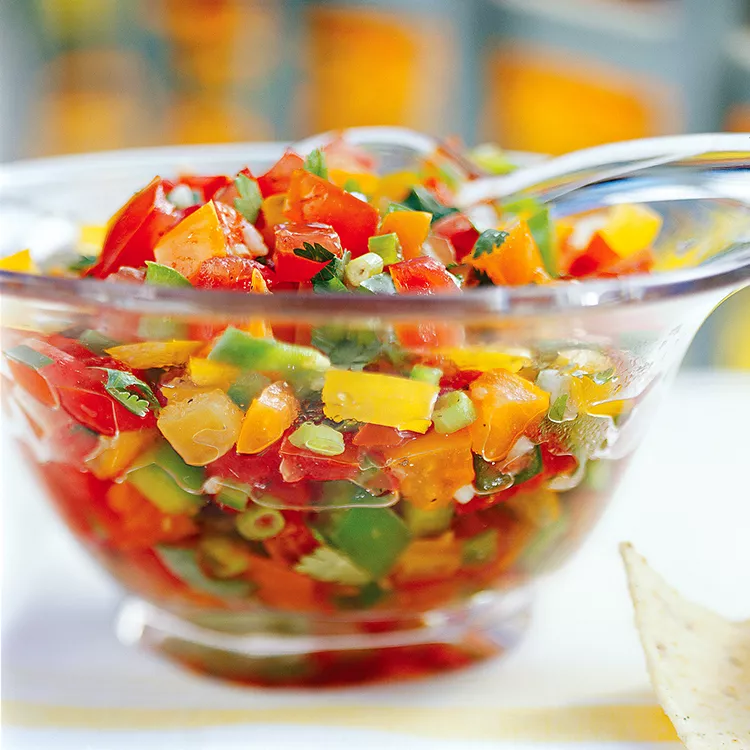
8. Banana Pepper Salsa
Banana pepper salsa combines fresh peppers with tomatoes, onions, and cilantro for a tangy twist on traditional salsa. The mild heat and slightly sweet flavor make it perfect for tacos, chips, or grilled meats.
Make this salsa in minutes using a food processor. Chop your banana peppers and mix them with fresh ingredients and lime juice.
The result is a versatile condiment that works as a dip, topping, or sandwich spread.

9. Vegetarian Stuffed Banana Peppers
Vegetarian stuffed banana peppers offer a filling meal without meat. Use quinoa, black beans, or lentils as your protein base.
These ingredients work well when mixed with vegetables and your favorite spices. Start by cutting off the pepper tops and removing the seeds.
Cook your chosen grain or legume first, then mix it with diced tomatoes, herbs, and seasonings. Fill each pepper with the mixture and bake at 375°F until the peppers are tender.
Serve it with a simple salad or roasted vegetables.
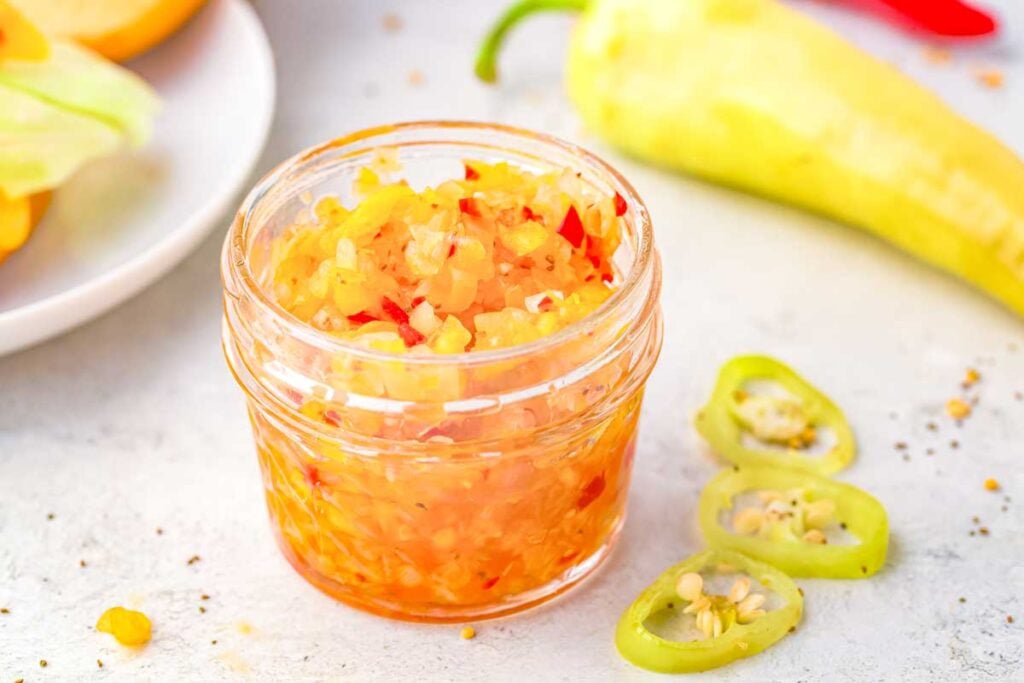
10. Banana Pepper Relish
Banana pepper relish is a tangy condiment that brings sweet and spicy flavors to your meals. Chop banana peppers, onions, and garlic, then cook them with vinegar and sugar until the mixture thickens.
This relish works great on hot dogs, burgers, and sandwiches. Add it to potato salad or tacos for extra flavor.
The recipe takes less than 30 minutes to prepare. Store it in your refrigerator or preserve it through canning for longer storage.
Choosing and Preparing Banana Peppers
Fresh banana peppers make all the difference in your recipes. Knowing how to pick, clean, and store them properly ensures you get the best flavor and texture in every dish.
How to Select the Freshest Banana Peppers
Look for banana peppers with smooth, firm skin that feels heavy for their size. The peppers should be bright yellow or green depending on their ripeness.
Avoid peppers with wrinkles, soft spots, or dark blemishes. Fresh banana peppers should have a glossy appearance and crisp texture when you gently squeeze them.
The stem should be green and firmly attached to the pepper. Any brown or dried stems indicate the pepper has been sitting too long.
Check the pepper’s color based on what you need. Yellow banana peppers are fully ripe and offer a sweeter taste.
Green ones are less ripe and have a tangier, more acidic flavor.
Cleaning and Cutting Techniques
Rinse banana peppers under cold running water to remove dirt and residue. Pat them dry with a clean towel before cutting.
Place the pepper on a cutting board and slice off the stem end. Cut the pepper lengthwise if you want to remove the seeds and white membrane inside.
These parts contain most of the heat, so keep them if you prefer more spice. For rings, slice the pepper crosswise into rounds about 1/4 inch thick.
You can also cut them into strips by slicing lengthwise after removing the core. Always use a sharp knife to get clean cuts without crushing the pepper.
Wear gloves when handling multiple peppers to protect your hands from irritation. Wash your hands thoroughly after cutting peppers, and avoid touching your face or eyes.
Tips for Storing Banana Peppers
Store unwashed banana peppers in the refrigerator’s crisper drawer. Place them in a plastic bag with a few small holes for air circulation.
They’ll stay fresh for 1-2 weeks this way. For longer storage, freeze banana peppers.
Wash and dry them first, then remove the stems and seeds. Cut them into your preferred size and spread them on a baking sheet to freeze individually.
Transfer the frozen pieces to a freezer bag for up to 6 months. Keep whole peppers separate from cut ones since cut peppers spoil faster.
Store cut banana peppers in an airtight container in the refrigerator and use them within 3-4 days.
Balancing Flavors in Banana Pepper Dishes
Banana peppers deliver both tangy and mildly spicy notes that work best when paired with complementary ingredients. Their natural acidity requires careful adjustment to create well-rounded dishes.
Pairing Ingredients for Optimal Taste
Creamy ingredients create the best balance against banana peppers’ sharp flavor. Cream cheese works as a smooth base that tames the pepper’s heat while letting its tangy notes shine through.
Use it in dips, spreads, or as a stuffing ingredient. Cheese options give you different ways to enhance your dishes.
Mozzarella provides a mild, gooey texture that absorbs the pepper’s flavor without competing with it. Sharp cheddar adds bold taste that stands up to the pepper’s kick, making it ideal for casseroles and baked recipes.
Salty ingredients like bacon bits or prosciutto complement the tangy profile naturally. These savory additions add texture and richness that round out the pepper’s brightness.
The salt content also helps tone down any excessive tartness. Garlic and onions serve as aromatic foundations in banana pepper recipes.
Green onions add a fresh, mild bite, while roasted garlic brings sweetness that softens the pepper’s acidic edge.
Adjusting Heat and Acidity
The seeds and membranes contain most of the heat in banana peppers. Remove them completely for a milder flavor, or leave some in if you want extra spice.
This simple step gives you control over the final heat level. Balance excess acidity by adding sweet elements to your recipe.
A small amount of honey or sugar in marinades and sauces counters the tangy bite. Roasting banana peppers also reduces their sharpness while bringing out natural sweetness.
Cooking methods change the pepper’s intensity. Pickling increases tanginess and should be balanced with sugar in the brine.
Raw peppers deliver the strongest acid punch and work best in small amounts as toppings or garnishes.
Frequently Asked Questions
Banana peppers work in many different cooking styles and dietary needs. You can use them in various cuisines, prepare them at different skill levels, and adapt them for specific health goals.
How can I incorporate banana peppers into Indian cuisine?
Add banana peppers to Indian dishes by using them in place of or alongside traditional peppers. Chop them and mix them into dal or lentil curries for a mild tangy kick.
They work well in vegetable kormas and biryanis too. Stuff banana peppers with spiced paneer or potato filling, then grill or bake them.
You can also pickle them with Indian spices like mustard seeds, turmeric, and fenugreek. Add sliced banana peppers to samosa fillings or use them as a topping for dosas and uttapam.
What are some simple banana pepper recipes for beginners?
Pickled banana peppers are the easiest recipe to start with. Slice the peppers, boil vinegar with salt and sugar, and pour it over the peppers in jars.
Another simple option is to slice banana peppers and add them raw to sandwiches, salads, or pizzas. Stuff them with cream cheese or store-bought filling, then bake them at 375°F for 20 minutes.
These basic recipes require few ingredients and minimal cooking skills.
Which banana pepper recipes are considered the healthiest?
Stuffed banana peppers with quinoa offer high protein and fiber without excess calories. This recipe keeps the nutritional value of the peppers intact while adding whole grains.
Raw banana peppers in salads preserve all their vitamins and antioxidants. Grilling or roasting banana peppers with minimal oil is also healthy since it doesn’t add many calories.
Avoid recipes with heavy cheese, deep frying, or cream-based fillings if you want the healthiest options.
Can you provide a recipe for banana pepper jelly?
Remove seeds from 12 banana peppers and chop them fine. Blend the peppers with half a cup of apple cider vinegar until smooth.
Pour the mixture into a pot with 3 cups of sugar and bring it to a boil. Add one pouch of liquid pectin and boil hard for one minute while stirring.
Remove from heat and skim off any foam. Pour the jelly into sterilized jars and process in a water bath for 10 minutes.
What can I make with an excess of fresh banana peppers?
Pickled banana peppers provide the best way to preserve large amounts. They last for months in the refrigerator.
Blend peppers with vinegar, garlic, and salt to make banana pepper hot sauce.
Stuff multiple peppers with meat and cheese, then freeze them before baking.
Fry beer-battered banana peppers and freeze them for later use.
Dehydrate sliced peppers to make pepper flakes or powder. Store these in your pantry.
Are there any banana pepper recipes that won’t affect blood sugar significantly?
Stuffed banana peppers with ground meat and non-starchy vegetables have minimal impact on blood sugar. Skip the breadcrumb fillings and use cauliflower rice instead of regular rice.
You can reduce the sugar in pickled banana peppers by adjusting the brine or using sugar substitutes. Raw banana peppers contain only 1-2 grams of carbs per pepper and won’t spike blood sugar.
Grill or roast banana peppers without sweet glazes or sugary sauces for a safe option.