
Bell peppers are some of the most useful vegetables you can keep in your kitchen. They come in different colors like red, orange, yellow, and green.
Each one adds fresh flavor and bright color to your meals. You can eat them raw, roasted, stuffed, or cooked in many different ways.
This collection of bell pepper recipes shows you how to use this vegetable in breakfast dishes, main courses, soups, salads, and quick meals throughout the week. You’ll learn how to make stuffed peppers, stir-fries, tacos, and sandwiches that work for any day of the year.
The recipes also include tips on picking the best peppers and getting health benefits from adding them to your diet.
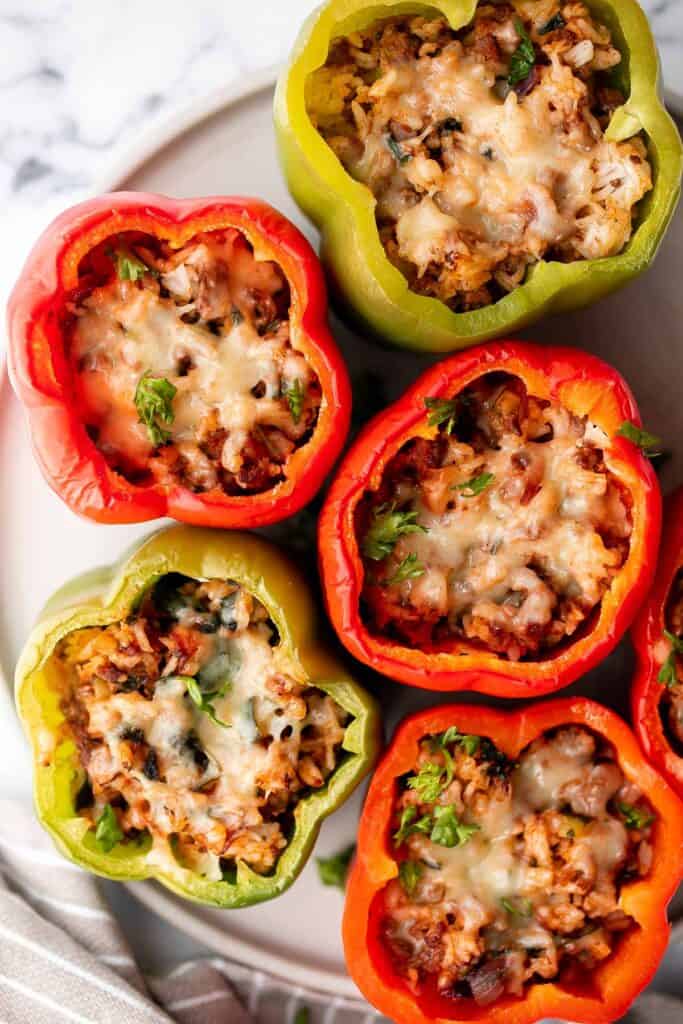
1. Stuffed Bell Peppers with Ground Beef and Rice
Stuffed bell peppers bring together simple ingredients for a complete meal. You fill sweet bell peppers with seasoned ground beef and cooked rice, then bake them until tender.
The filling typically includes ground beef, white or brown rice, tomato sauce, and seasonings. Use red, yellow, or orange peppers for the best flavor.
Many recipes top the peppers with cheese during the last few minutes of baking. You can prepare this dish in about an hour.
Make the peppers ahead of time and reheat them when needed.
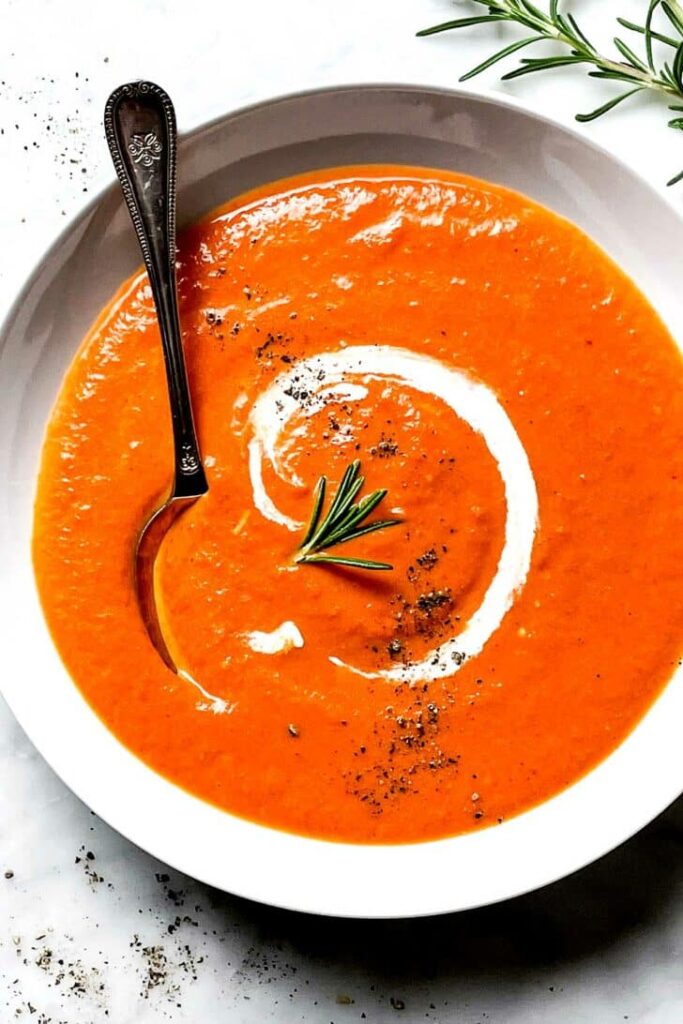
2. Roasted Bell Pepper and Tomato Soup
This soup combines roasted bell peppers with fresh tomatoes for a rich, comforting meal. Roast the peppers until they develop a smoky sweetness that balances the bright tomato flavor.
The recipe works well with just five simple ingredients. Blend everything together until smooth and creamy.
Serve your soup with grilled cheese sandwiches or crusty bread. Prepare larger batches and freeze for later.

3. Bell Pepper and Feta Cheese Frittata
This frittata combines sweet bell peppers with tangy feta cheese for a satisfying meal any time of day. Use any color peppers you have on hand.
Start by cooking sliced peppers in oil until they soften. Pour beaten eggs mixed with herbs over the peppers and crumble feta on top.
Cook on the stovetop until the eggs set, then finish under the broiler for a golden top. Make it ahead and reheat portions throughout the week.
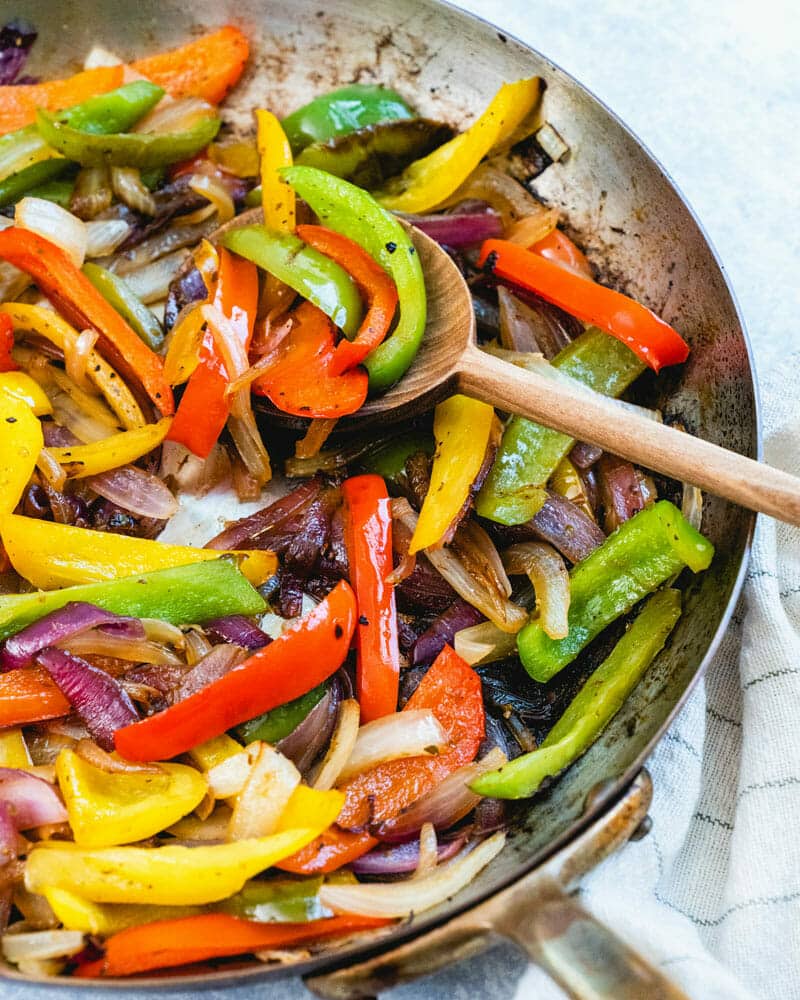
4. Sautéed Bell Peppers with Onions and Garlic
This simple side dish takes just 10 minutes to make. You’ll need bell peppers, onions, garlic, and oil.
Slice your vegetables into strips. Heat oil in a large pan over medium-high heat.
Add the onions and garlic first, cooking them until soft. Then add your sliced bell peppers.
Cook everything together, stirring now and then, until the peppers are tender but still have a slight crunch. Season with salt and pepper to taste.
Serve these with fajitas, tacos, or sandwiches.
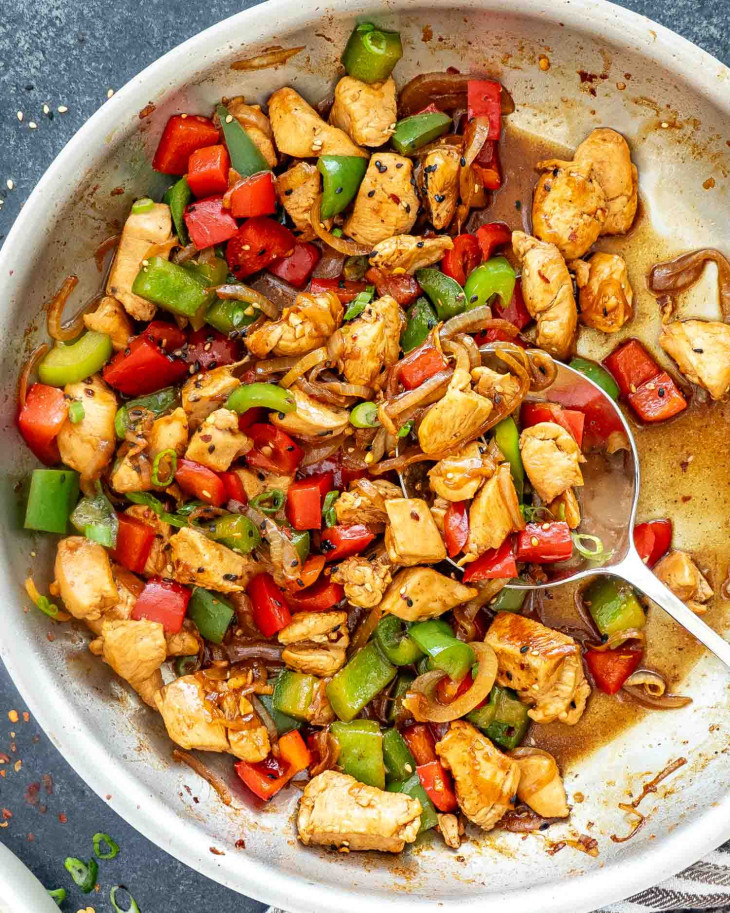
5. Bell Pepper Stir-Fry with Chicken and Soy Sauce
This stir-fry brings together tender chicken and colorful bell peppers in a simple soy-based sauce. Have dinner ready in about 20 minutes.
Cut your chicken into thin strips and slice your bell peppers. Use a mix of red, green, and yellow peppers for the best color and flavor.
Cook the chicken first in a hot pan until it’s done. Add your peppers and stir-fry them until they’re slightly soft but still crisp.
Mix soy sauce with garlic and a bit of sugar for your sauce, then toss everything together.
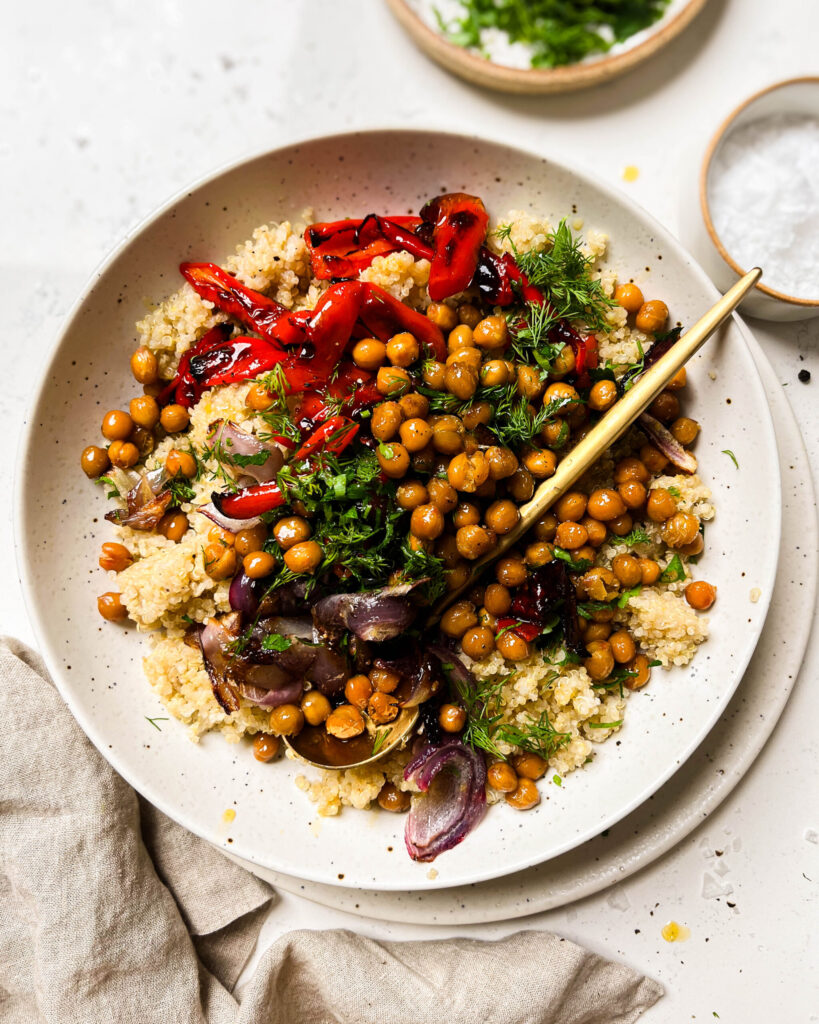
6. Quinoa Salad with Roasted Bell Peppers and Herbs
This quinoa salad brings together nutty grains with sweet roasted bell peppers for a filling meal. Use any color bell peppers you have on hand.
Roast your peppers at 400°F until they’re tender and slightly charred. Cook your quinoa according to package directions and let it cool.
Mix the quinoa with chopped roasted peppers, fresh herbs like parsley or basil, and a simple lemon dressing. Add cucumber or cherry tomatoes for extra crunch and color.
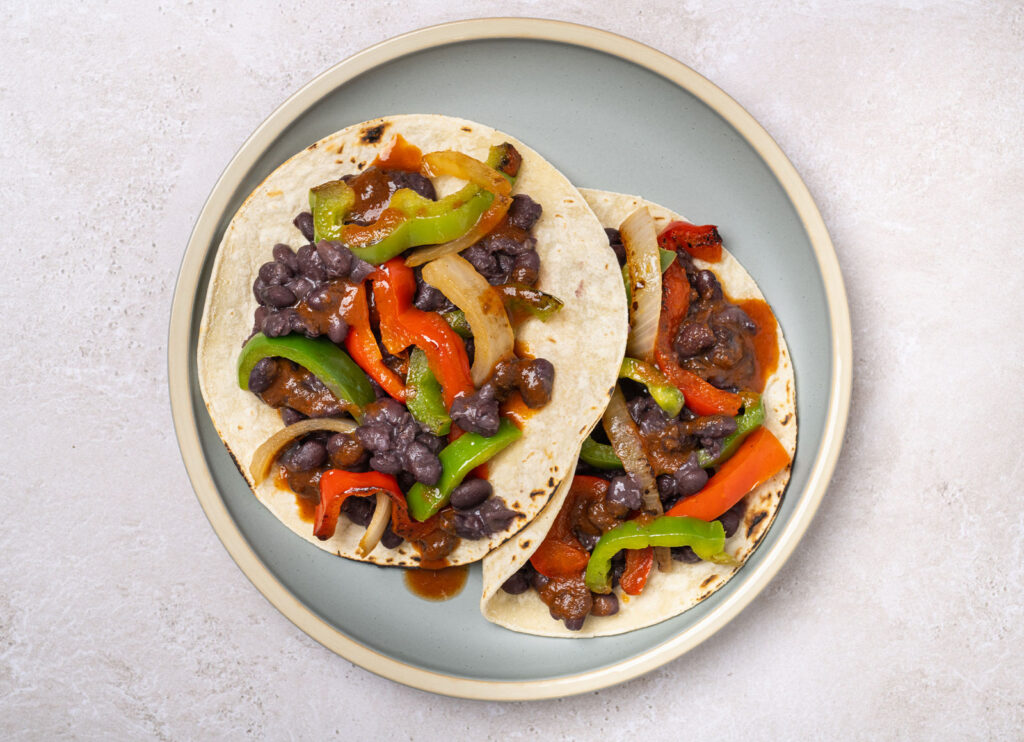
7. Bell Pepper and Black Bean Tacos
Bell peppers make excellent taco shells when you want a healthier twist on traditional tacos. Cut the peppers in half lengthwise and remove the seeds to create natural boats for your filling.
Fill them with seasoned black beans, onions, and spices like cumin and chili powder. Add corn, tomatoes, and cheese for extra flavor.
Bake them in the oven until the peppers soften slightly and the cheese melts. Top with sour cream or your favorite salsa.
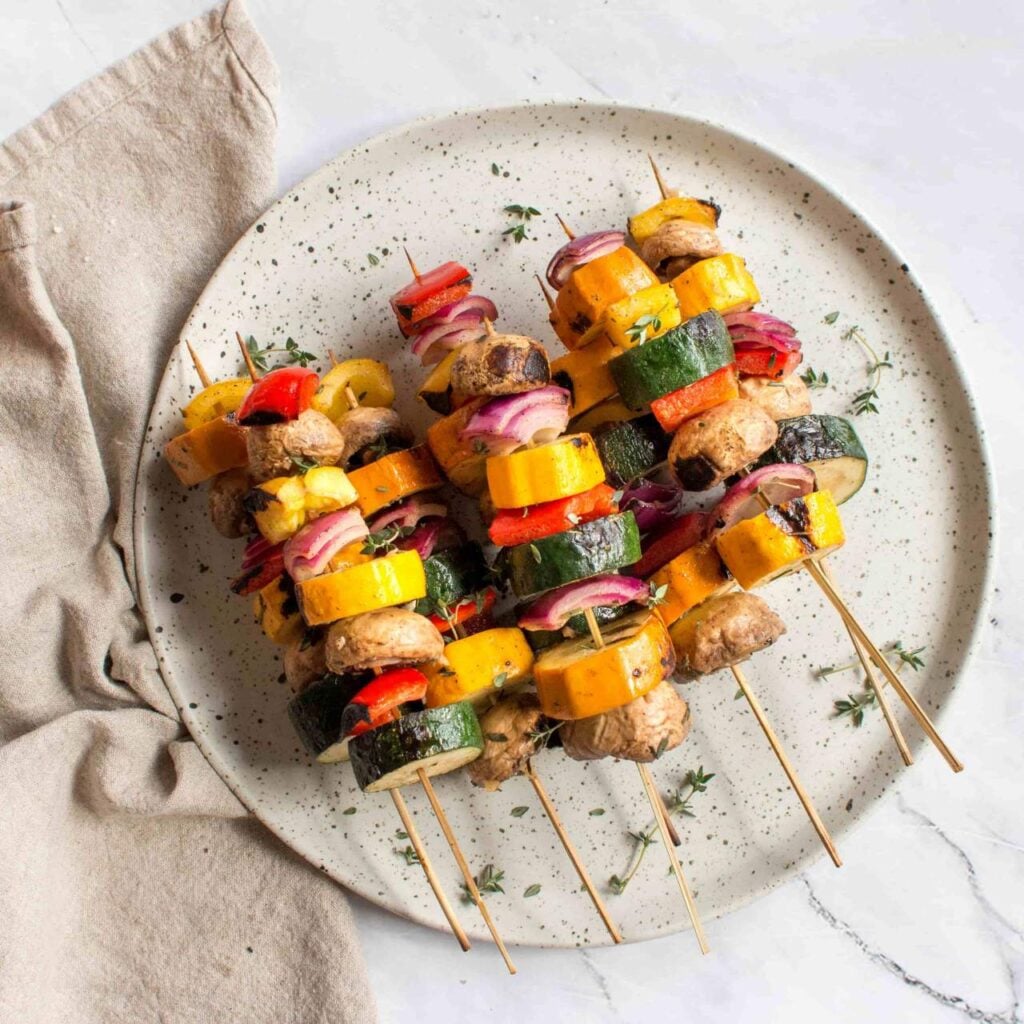
8. Grilled Bell Pepper and Zucchini Skewers
Grilled bell pepper and zucchini skewers bring color and flavor to your table. Cut vegetables into uniform pieces so they cook evenly.
Thread bell peppers and zucchini onto skewers and brush them with olive oil or your favorite marinade. Grill the vegetables over medium-high heat for about 10-12 minutes, turning occasionally.
The vegetables develop a smoky char on the grill while staying tender-crisp inside. Serve as a side dish or main course.
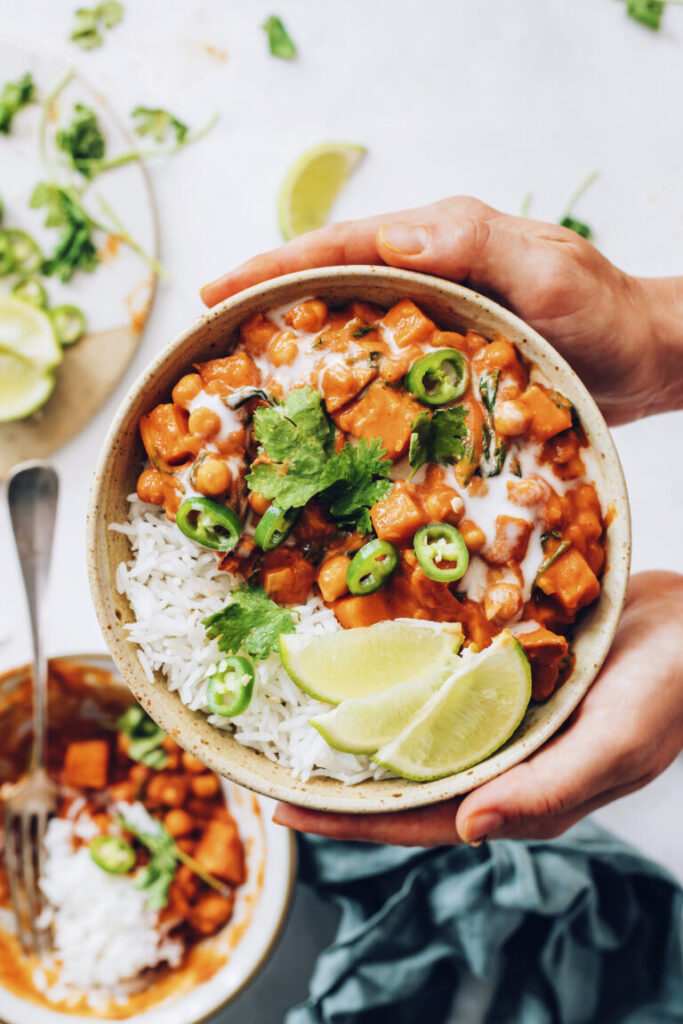
9. Bell Pepper and Chickpea Curry
This vegetarian curry brings together tender chickpeas and colorful bell peppers in a flavorful sauce. Make it in about 20 minutes for busy weeknights.
Use any color bell pepper you have on hand. Red peppers add sweetness, while green ones bring a slightly bitter note.
Most recipes include coconut milk for creaminess and spices like cumin and turmeric for depth. Serve your curry over rice or with naan bread.

10. Bell Pepper and Mozzarella Panini
This panini brings together roasted bell peppers and melted mozzarella in a simple sandwich you can make in under 20 minutes. The peppers add a sweet, smoky flavor while the cheese creates a creamy texture.
Prep the roasted peppers up to three days ahead to save time. Layer them with fresh mozzarella between slices of bread, then grill until the cheese melts and the bread turns crispy.
Add fresh basil or a spread of pesto to boost the flavor.
Health Benefits of Bell Peppers
Bell peppers provide substantial amounts of essential vitamins and protective compounds that support your immune system and overall wellness. A single serving delivers more vitamin C than citrus fruits while adding minimal calories to your meals.
Nutritional Profile
Bell peppers are remarkably low in calories while offering significant nutritional value. One medium red bell pepper contains only 30 calories but provides 169% of your daily vitamin C requirement.
The calorie content remains consistent across all bell pepper colors. However, the vitamin and mineral composition varies based on ripeness.
Red bell peppers contain over eight times more vitamin A than green varieties because they’ve had more time to mature on the plant. Your body benefits from the fiber, folate, and potassium found in bell peppers.
These nutrients support digestive health, cell function, and blood pressure regulation. The high water content also helps you stay hydrated while adding volume to your meals without extra calories.
Antioxidants and Vitamins
Bell peppers contain extremely high concentrations of antioxidants that protect your cells from damage. The vitamin C content surpasses that of oranges, making bell peppers one of the best sources available.
Vitamin A appears in abundance, particularly in red and orange varieties. This nutrient supports eye health, skin integrity, and immune function.
Yellow bell peppers offer moderate amounts, while green peppers contain the least. You’ll also find carotenoids and flavonoids in bell peppers.
These plant compounds work together to reduce inflammation and support your body’s natural defense systems. The combination of vitamins and antioxidants makes bell peppers a valuable addition to any balanced diet.
Tips for Selecting and Preparing Bell Peppers
Fresh, properly prepared bell peppers make a significant difference in your cooking results. Look for firm peppers with smooth skin and use the right cutting techniques to save time in the kitchen.
How to Choose the Freshest Bell Peppers
Start by examining the pepper’s skin. Fresh bell peppers have smooth, glossy skin without wrinkles or soft spots.
Avoid peppers with bruises or dark patches. Pick up the pepper and check its weight.
A good bell pepper feels heavy for its size, which means it has thick walls and plenty of moisture inside. Light peppers are often dried out.
Look at the stem end carefully. The stem should be green and firm, not brown or moldy.
Press the pepper gently near the stem area. It should feel firm and spring back.
Check the color based on what you need. Green peppers taste more bitter and work well in cooked dishes.
Red, yellow, and orange peppers are sweeter and cost more because they take longer to grow.
Techniques for Cutting and Storing
Stand the pepper upright and cut down each side, avoiding the core and seeds in the center. This method gives you four large pieces and wastes less pepper than other cutting methods.
Remove any white membranes inside since they taste bitter. Rinse the pieces under cold water if small seeds remain.
Storage Guidelines:
- Whole peppers: Keep in the refrigerator crisper drawer for 7-10 days
- Cut peppers: Store in an airtight container for 3-4 days
- Frozen peppers: Chop and freeze in bags for up to 6 months
Cut peppers into uniform sizes so they cook evenly. Slice them into strips for fajitas, dice them for sauces, or keep them in large pieces for stuffing.
Frequently Asked Questions
Bell peppers work in breakfast scrambles, lunch salads, dinner casseroles, and everything in between. These answers cover cooking methods, storage, and meal planning to help you make the most of this nutritious vegetable.
What are some easy bell pepper recipes for quick meals?
Sautéed bell peppers with onions and garlic take about 15 minutes from start to finish. You just slice your peppers, heat some oil in a pan, and cook everything together until tender.
Bell pepper stir-fry with chicken and soy sauce is another fast option. Cut your peppers and chicken into similar-sized pieces so they cook at the same rate.
A frittata with bell peppers and feta cheese makes a complete meal in one pan. You can have it on the table in 20 minutes or less.
How can you incorporate bell peppers into vegetarian dishes?
Stuffed bell peppers work well without meat when you use rice, beans, quinoa, or lentils as the base. Add cheese, herbs, and spices to create a filling meal.
Roasted bell pepper and tomato soup provides a hearty vegetarian option. Roasting brings out natural sweetness in both vegetables.
Add raw bell peppers to salads for crunch and color. They also work in pasta dishes, grain bowls, and vegetable medleys.
What is a popular Indian recipe that features bell peppers?
Paneer tikka uses bell peppers along with Indian cottage cheese marinated in spiced yogurt. Thread the peppers and paneer onto skewers and grill or bake.
Bell peppers also appear in Indian stir-fries and curries. They pair well with traditional spices like cumin, coriander, turmeric, and garam masala.
Bell pepper stir-fry with chicken and soy sauce combines protein and vegetables in one dish. The peppers stay crisp while the chicken cooks through.
Stuff bell peppers with seasoned ground chicken and rice. Top them with cheese and bake until the peppers are tender.
Fajitas use sliced bell peppers and chicken strips cooked together with Mexican spices. Serve them in tortillas with your favorite toppings.
What are some creative ways to stuff bell peppers?
Stuffed bell peppers with ground beef and rice offer the classic version. Switch the protein to turkey, pork, or plant-based alternatives.
Try filling peppers with pizza toppings like mozzarella, marinara, and pepperoni. You can also use taco fillings with seasoned meat, beans, and Mexican cheese.
Breakfast stuffed peppers work with scrambled eggs, sausage, and cheese. Mediterranean-style versions use couscous, olives, and feta.
How can I utilize a large quantity of bell peppers in cooking?
Roast multiple peppers at once. Freeze them in portions.
They keep for several months. Use them in soups, sauces, and casseroles.
Make a big batch of roasted bell pepper and tomato soup. Freeze it for quick meals you can reheat.
Slice and sauté a large amount of peppers with onions. Store them in the fridge for up to five days.
Add them to eggs, sandwiches, or pasta throughout the week.