
Bundt cakes are a simple way to make desserts that look beautiful without much effort. The special pan creates a pretty shape that makes any cake look fancy.
These cakes work well for parties, family dinners, or just a regular weeknight treat. Bundt cakes are easy to bake and come in many different flavors to match what you like.
You can make chocolate cakes, fruit-filled cakes, or classic vanilla options. The recipes in this guide cover everything from traditional flavors to fun options like root beer float and peanut butter.
Learning the right techniques helps you bake better Bundt cakes every time. You’ll find tips on keeping your cakes moist, getting them out of the pan without breaking, and avoiding common problems that can happen when you bake.
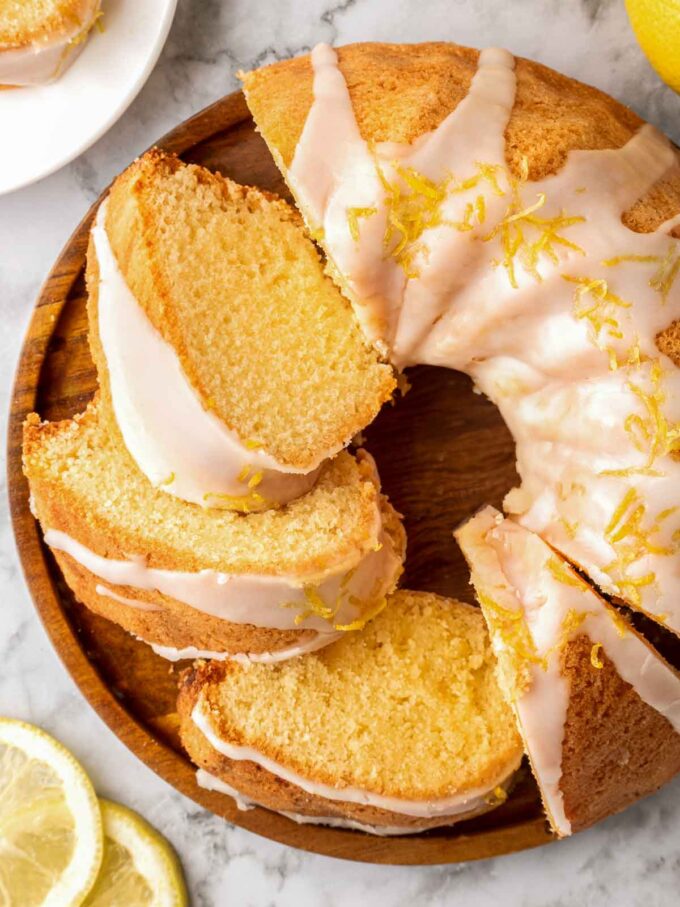
1. Classic Lemon Bundt Cake
This timeless cake combines buttery richness with bright citrus flavor. You’ll love how the lemon zest and juice create a moist, tender crumb.
Brush the warm cake with lemon syrup right after baking to keep it extra moist and add flavor throughout. Finish with a simple lemon glaze for the perfect balance of sweet and tangy.
Your cake will have a beautiful golden color and delicate texture that works for any occasion.
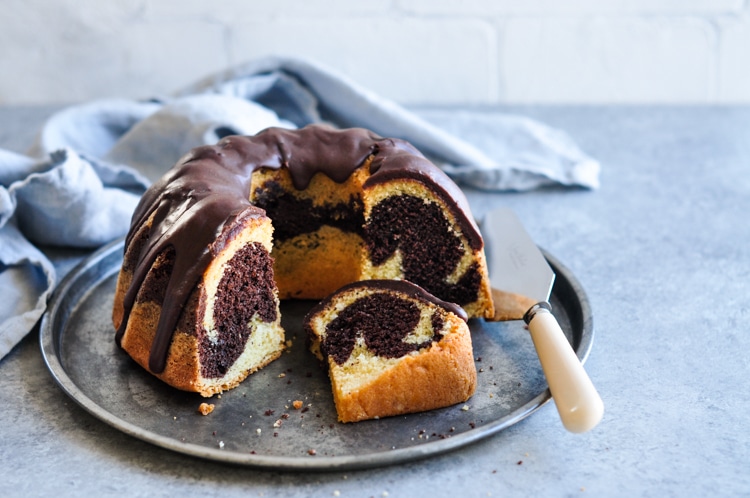
2. Chocolate Marble Bundt Cake
This cake combines vanilla and chocolate batters in a classic swirl pattern. You’ll get soft, buttery slices with both flavors in every bite.
Alternate spoonfuls of each batter in the pan, then use a knife to create swirls. The Bundt pan creates an elegant shape without requiring frosting skills.
The recipe uses basic pantry ingredients like flour, sugar, eggs, and cocoa powder. Your finished cake will have a moist texture similar to pound cake.
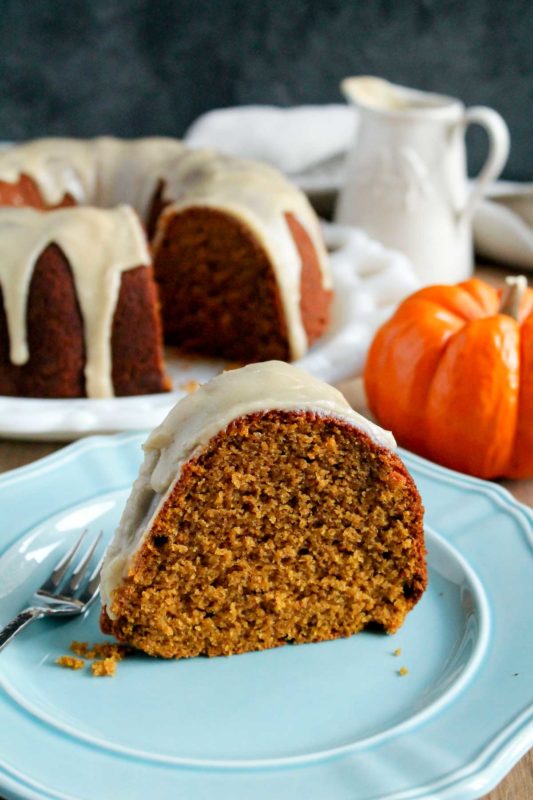
3. Pumpkin Spice Bundt Cake
Pumpkin spice bundt cake brings warm fall flavors to your table with its mix of pumpkin puree and aromatic spices. The cake has a moist, dense texture that holds up well in the bundt pan’s shape.
You can make this cake with simple ingredients like cinnamon, nutmeg, and ginger. The pumpkin keeps the cake soft and adds natural sweetness.
Top your bundt cake with cream cheese frosting, maple glaze, or a simple dusting of powdered sugar. Add chocolate chips or chopped nuts to the batter for extra flavor.
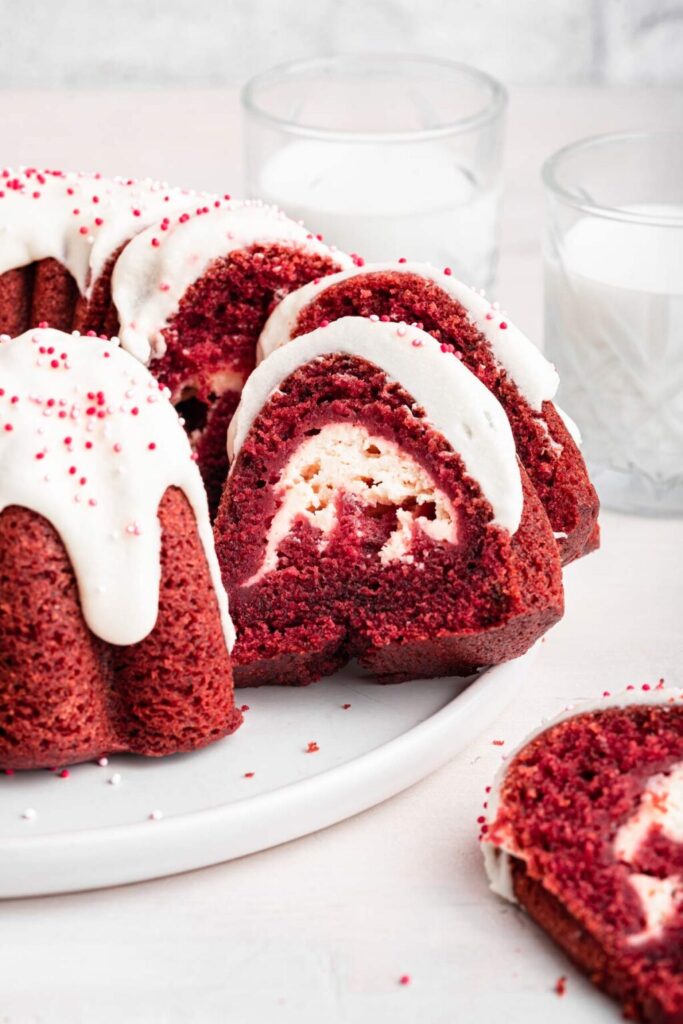
4. Red Velvet Swirl Bundt Cake
Red velvet bundt cake brings together rich cocoa flavor with a bright red color that makes any dessert table stand out. The cake has a moist, tender texture that pairs perfectly with cream cheese.
Many recipes include a cream cheese swirl baked into the center of the cake. Top it with a simple glaze or cream cheese frosting.
The combination of chocolate notes and tangy cream cheese works well for holidays like Valentine’s Day or any celebration.
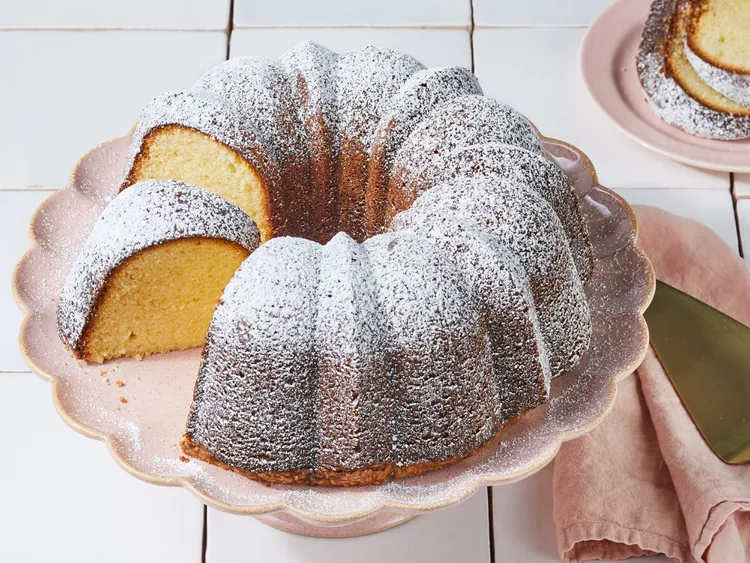
5. Sour Cream Bundt Cake
Sour cream bundt cake is a Southern classic that delivers moist, tender results every time. The sour cream adds richness and a subtle tang to your cake while keeping it incredibly soft.
This recipe works well for both vanilla and chocolate versions. The high fat content in sour cream creates a velvety texture that stays fresh for days.
Add a cinnamon streusel swirl through the middle or keep it simple with a dusting of powdered sugar.
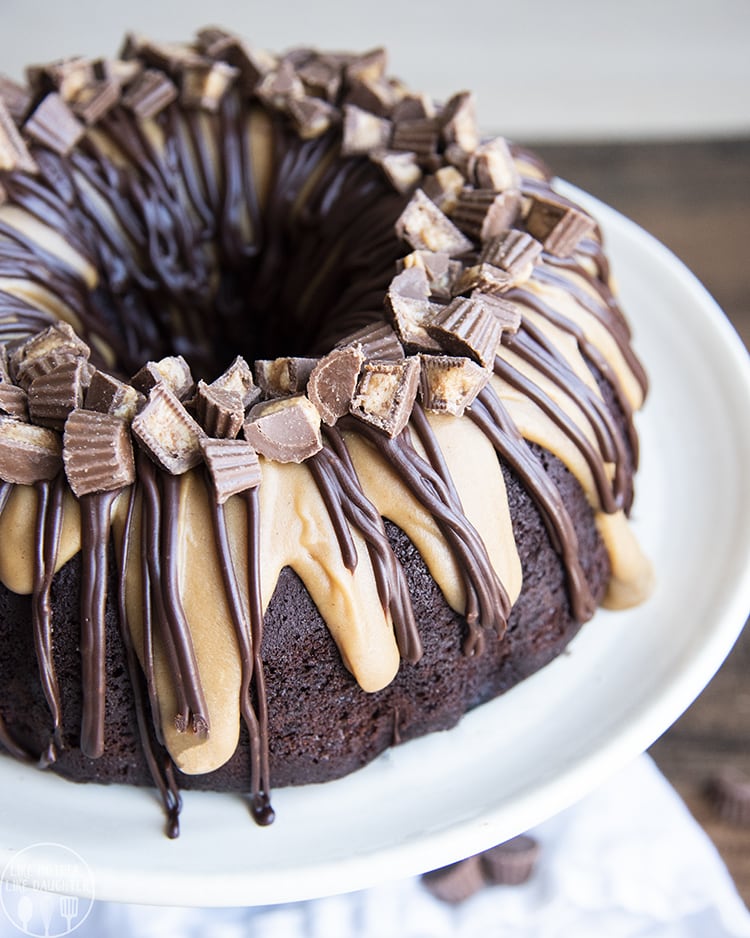
6. Peanut Butter Bundt Cake
Peanut butter lovers will enjoy this simple bundt cake that puts the flavor front and center. Mix the cake batter quickly with standard peanut butter like Jif or Skippy.
Avoid natural peanut butter because it can change the texture. The finished cake turns out soft and moist every time.
A creamy peanut butter glaze tops the cake and adds extra flavor. Make this dessert from scratch in under an hour for last-minute gatherings or weeknight treats.

7. Vanilla Cream Cheese Bundt Cake
This bundt cake combines rich vanilla flavor with the tang of cream cheese baked into the batter. The cream cheese creates a moist, tender texture that stays fresh for several days.
You’ll need basic pantry ingredients like butter, sugar, eggs, flour, and vanilla extract. The cream cheese works with the butter to make an extra soft crumb.
Top it with a simple cream cheese glaze or frosting for added sweetness. This cake works well for birthdays, holidays, or any time you want a reliable dessert that everyone will enjoy.
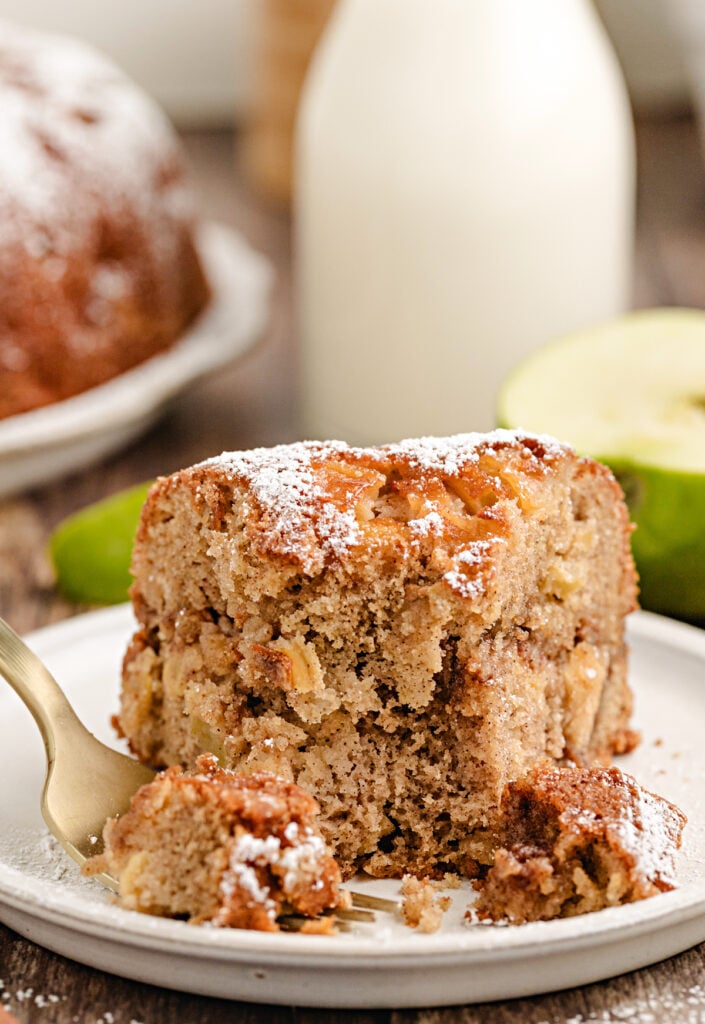
8. Apple Cinnamon Bundt Cake
Apple Cinnamon Bundt Cake combines fresh apples with warm cinnamon spice in a moist, tender cake. Use basic ingredients like flour, eggs, sugar, and butter along with sliced apples coated in cinnamon.
Granny Smith apples hold their shape during baking and add a sweet-tart flavor. The batter looks thick when you fold in the apples, but it bakes up around the fruit slices perfectly.
Finish this cake with powdered sugar or a simple glaze. It pairs well with coffee or milk.
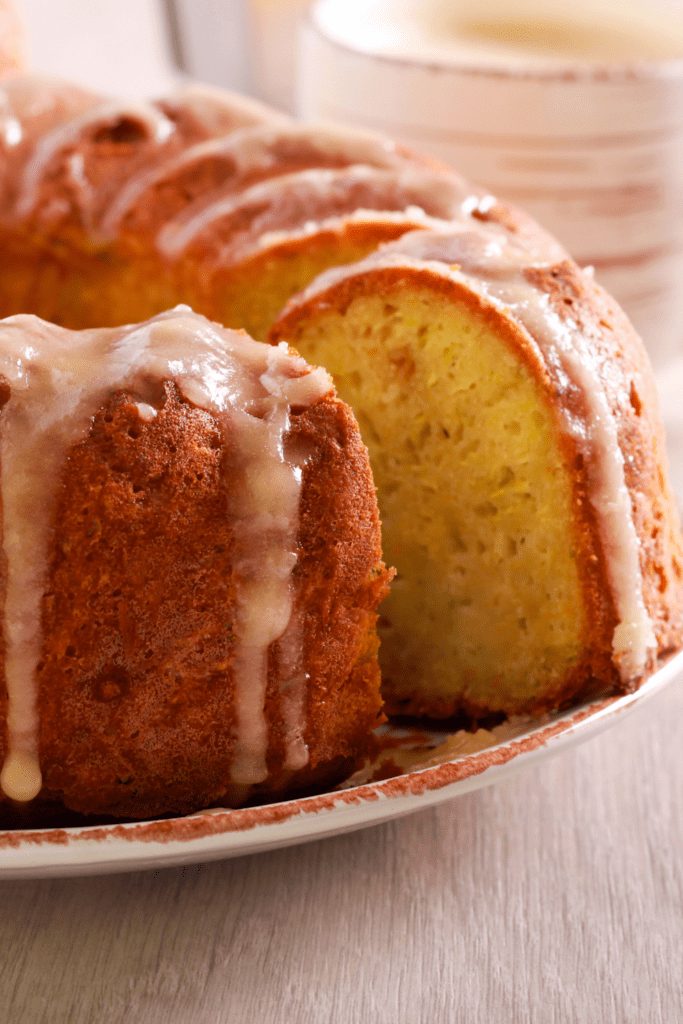
9. Root Beer Float Bundt Cake
Root Beer Float Bundt Cake brings the classic soda shop treat into cake form. Taste the sweet, fizzy flavor of root beer in every bite.
Use root beer in the batter to create that familiar taste. Most recipes include a root beer glaze or vanilla ice cream topping to complete the float experience.
This cake works great for summer gatherings and picnics. Make it with a cake mix for quick preparation or from scratch for a more traditional approach.
Serve it with vanilla ice cream on the side.
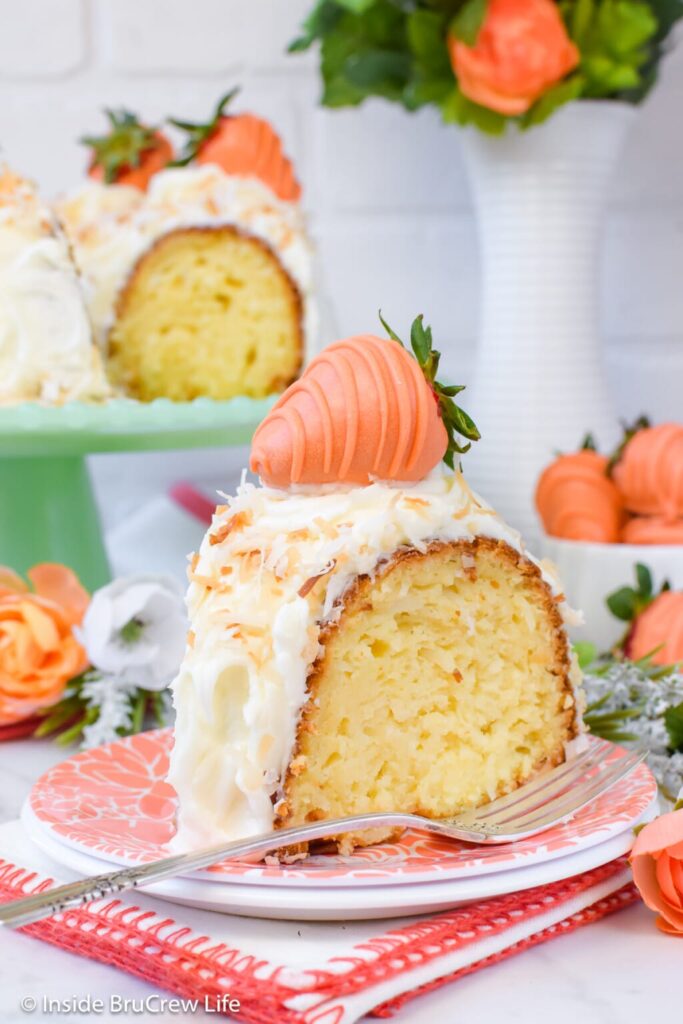
10. Coconut Chiffon Bundt Cake
This cake gives you a light and airy texture that sets it apart from denser coconut cakes. The chiffon method creates a soft crumb that melts in your mouth.
Find coconut flavor throughout the cake and frosting. Coconut milk adds moisture to the batter.
The sweet coconut frosting complements the tender cake perfectly. Top it with toasted shredded coconut for extra texture and flavor.
This cake works well for dessert or special occasions when you want something that feels elegant but isn’t too heavy.
Bundt Cake Baking Tips
Success with Bundt cakes comes down to three key factors: selecting a quality pan, greasing it correctly, and releasing the cake at the right time with proper technique.
Choosing the Right Pan
The best Bundt pans are made from heavy-duty aluminum or cast aluminum. These materials distribute heat evenly and prevent hot spots that can cause uneven baking.
A 10 to 15-cup capacity works for most standard Bundt cake recipes. Lighter pans and silicone molds can cause pale, underbaked crusts.
Look for pans with a nonstick coating, but even nonstick surfaces require greasing. Pans with intricate designs look beautiful but can make releasing the cake more difficult.
If you’re new to Bundt baking, start with simpler patterns that have fewer grooves and details. Dark-colored pans absorb more heat than light ones, so you may need to reduce your oven temperature by 25°F to prevent over-browning.
Proper Greasing Techniques
Cover every part of your Bundt pan, especially the center tube and detailed ridges. Missing even small spots will cause your cake to stick.
Best greasing methods:
- Shortening and flour method: Use a pastry brush to coat all surfaces with shortening, then dust with flour and tap out excess.
- Baking spray with flour: Apply a thick, even coat to all surfaces, holding the can 6 inches away.
- Homemade paste: Mix equal parts shortening, flour, and vegetable oil to create a spreadable mixture.
Butter alone doesn’t work well because the milk solids can cause sticking. Oil is too thin to provide adequate coverage.
Apply your grease right before adding batter. Greasing too early allows the coating to pool at the bottom.
Cooling and Releasing Bundt Cakes
Let your cake cool in the pan for exactly 10 to 15 minutes after removing it from the oven. This timeframe allows the structure to set without sticking.
Place a wire cooling rack over the pan. Flip both together in one smooth motion.
Lift the pan off slowly and gently. If the cake doesn’t release immediately, place a warm, damp towel over the inverted pan for 5 minutes.
The steam helps loosen stubborn spots. Tap the pan firmly but carefully on the counter.
Never let a Bundt cake cool completely in the pan. The cake will contract as it cools and become impossible to remove without breaking.
Common Bundt Cake Mistakes to Avoid
Even experienced bakers can run into trouble with Bundt cakes. The right pan capacity, proper oven placement, and patience during cooling make the difference between a perfect cake and a kitchen disaster.
Overfilling the Pan
Fill your Bundt pan only two-thirds full with batter. Going beyond this limit causes the batter to spill over the edges during baking, creating a mess in your oven and an uneven top.
Most standard Bundt pans hold 10 to 15 cups of batter total. Add no more than 6 to 10 cups of batter depending on your pan size.
When you overfill the pan, the cake rises too high and can collapse in the center. The excess batter also prevents proper heat circulation around the cake.
Check your pan’s capacity before you start mixing, and measure your batter if you’re unsure about the amount.
Uneven Baking
Place your Bundt pan on the center rack of your oven for even heat distribution. Positioning it too high or too low results in one side cooking faster than the other.
Your oven temperature needs to be accurate. An oven thermometer helps you verify the actual temperature matches your dial setting.
Avoid opening the oven door during the first 30 minutes of baking. Each time you open the door, the temperature drops and disrupts the rising process.
Dark-colored pans absorb more heat than light ones, so you may need to reduce your oven temperature by 25°F when using dark Bundt pans.
Removing Cakes Too Early
Let your Bundt cake cool in the pan for exactly 10 to 15 minutes after removing it from the oven. Removing it too soon causes the cake to break apart because the structure hasn’t set.
The cake continues to cook slightly from residual heat during this cooling period. Set a timer so you don’t forget about it.
After the initial cooling time, place a wire rack or serving plate over the pan and flip it in one smooth motion. If the cake doesn’t release immediately, let it sit upside down for a few minutes.
Never leave a Bundt cake in the pan for more than 20 minutes, as it will stick to the pan and become difficult to remove.
Frequently Asked Questions
Making a successful Bundt cake requires proper preparation and technique to achieve the right moisture level and clean release from the pan. Understanding how to work with different recipes and flavor combinations helps you create beautiful cakes every time.
How do I ensure my Bundt cake comes out moist?
Start by not overbaking your cake. Check for doneness a few minutes before the recipe’s suggested time by inserting a toothpick into the cake.
Add ingredients that boost moisture. Sour cream, buttermilk, or yogurt work well in your batter.
Oil also keeps cakes moister than butter alone. Let your cake cool in the pan for 10 to 15 minutes before turning it out.
What are some simple tips for making Bundt cake with a cake mix?
Add an extra egg to your cake mix to make the texture richer and help the cake hold together better. Replace the water in the box directions with milk or buttermilk.
Add a packet of instant pudding mix to boost flavor and moisture. Use melted butter instead of oil for better taste.
Mix in extras like vanilla extract, citrus zest, or spices to make your cake taste homemade.
What are the top-rated flavors for Bundt cakes?
Lemon ranks as one of the most popular Bundt cake flavors. The bright citrus taste pairs well with a simple glaze.
Chocolate remains a classic choice. You can make it plain chocolate or create a marble effect by swirling in vanilla batter.
Pumpkin spice works great for fall gatherings. Red velvet with its distinctive color impresses guests at any event.
Sour cream-based cakes offer a subtle tang and stay moist for days.
What are the classic steps to making a perfect Bundt cake?
Prepare your pan properly before adding batter. Grease every ridge and crevice with butter or baking spray that contains flour.
Mix your batter according to the recipe. Avoid overmixing.
Pour the batter into your prepared pan. Tap it on the counter to release air bubbles.
Bake at the correct temperature until a tester comes out clean. Let the cake cool in the pan for the time specified in your recipe.
Turn the cake out onto a cooling rack. Let it cool completely before glazing.
How can I incorporate unique flavors into traditional Bundt cake recipes?
Add extracts beyond vanilla to change the flavor profile. Almond, coconut, or maple extracts work in most recipes.
Mix in fresh or frozen fruit like blueberries or raspberries. Fold in nuts, chocolate chips, or toffee bits for added texture.
Use flavored glazes to complement your cake. A coffee glaze pairs well with chocolate cakes.
Cream cheese frosting adds richness to spice cakes. Try citrus glazes on vanilla or lemon cakes.
What’s the key to getting a Bundt cake to release cleanly from the pan?
Grease your pan thoroughly with butter or shortening. Make sure you get into every groove and detail of the pan’s design.
Dust the greased pan with flour or cocoa powder for chocolate cakes. Shake out the excess before you add your batter.
Let the cake cool in the pan for 10 to 15 minutes after baking. If needed, run a thin knife around the edges.
Place a cooling rack over the pan. Flip it quickly in one smooth motion.