
Canned salmon is a simple pantry item that helps you make quick meals without spending much money. It works for breakfast, lunch, and dinner.
You can use it in salads, casseroles, dips, and many other dishes. This guide shows you how to turn a basic can of salmon into meals your family will enjoy, plus tips on picking good canned salmon and understanding its health benefits.
The recipes in this collection are easy to follow and don’t need many ingredients. You’ll find options for every time of day, from breakfast muffins to pasta dinners.
Some recipes are ready in minutes, while others work well when you want something more filling. Each one uses canned salmon as the main ingredient to save you time and effort in the kitchen.
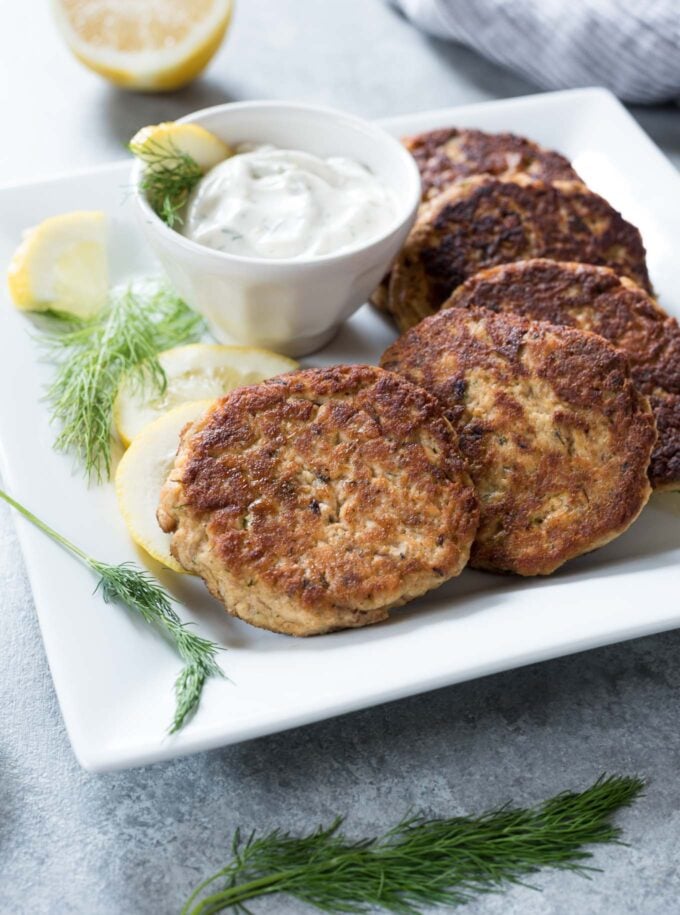
1. Crispy Salmon Patties with Dill Sauce
Salmon patties turn a simple can of salmon into a complete meal in under 30 minutes. You mix canned salmon with bread crumbs, egg, and seasonings to create patties that crisp up beautifully when cooked.
Blend sour cream or yogurt with fresh dill and lemon juice for a tangy topping. This combination works well for weeknight dinners or meal prep.
Your patties will be crispy on the outside and tender inside when cooked properly.

2. Creamy Salmon Chowder
Canned salmon transforms into a restaurant-quality soup with this simple chowder recipe. Combine salmon with potatoes, corn, and a creamy base for a filling meal.
Butter, milk, and basic seasonings create a rich broth. Add dill to brighten the flavors.
You can have this chowder ready in under 30 minutes. Store it in your refrigerator for up to three days in an airtight container.

3. Salmon and Avocado Salad
This salad combines canned salmon with fresh avocado for a protein-packed meal. You can make it in about 10 minutes using simple ingredients from your pantry and fridge.
Mix your canned salmon with diced avocado, lemon juice, and fresh herbs like dill or parsley. Add chopped celery or pickles for extra crunch.
Eat this salad on its own, stuff it into avocado halves, or serve it on crackers. It keeps in your fridge for up to five days, making it perfect for meal prep.

4. Salmon Pasta with Garlic Cream Sauce
This recipe turns canned salmon into a restaurant-quality meal in about 20 minutes. Combine flaky salmon with a rich cream sauce made from garlic, parmesan, and a splash of lemon juice.
The garlic-infused cream pairs perfectly with the salmon’s natural flavor. Use any pasta shape you have in your pantry.
Add fresh or dried herbs like dill or parsley to brighten the dish. This recipe works well for busy weeknights when you need something satisfying but don’t have much time to cook.

5. Spicy Buffalo Salmon Dip
This dip brings together the heat of buffalo sauce with the rich taste of canned salmon. You can make it in under 45 minutes with simple ingredients like cream cheese, sour cream, and your favorite hot sauce.
The salmon adds protein while the buffalo sauce gives it a spicy kick. Use pink, sockeye, or red salmon from a can.
Serve it with crackers, chips, or fresh vegetables. It works great for game day or any party where you need a quick appetizer.

6. Baked Salmon Quiche
Baked salmon quiche turns canned salmon into an elegant dish that works for any meal. Serve it for breakfast, brunch, lunch, or dinner.
Combine canned salmon with eggs, cheese, and cream in a pie crust. Drain your canned salmon well before adding it to prevent a soggy quiche.
Most recipes use basic ingredients you already have at home. The eggs create a custard texture while the salmon adds savory flavor.
Use a store-bought pie crust to save time.

7. Salmon Noodle Casserole
This casserole combines canned salmon with egg noodles in a creamy sauce. You can make it with about seven basic ingredients, including pasta, salmon, and cream of celery soup.
You can assemble it ahead of time. Most recipes call for baking at 350 degrees Fahrenheit for 25 to 35 minutes.
Customize it by adding peas, cheddar cheese, or a cracker topping. The result is a filling meal that uses pantry staples you likely already have.

8. Salmon and Potato Cakes
Salmon and potato cakes combine canned salmon with mashed or shredded potatoes to create filling patties. Use regular mashed potatoes or frozen hash browns to save time.
Mix your drained canned salmon with potatoes, eggs, and seasonings like parsley or dill. Form the mixture into patties and pan-fry them until golden brown on both sides.
These cakes work well for lunch or dinner. The potatoes stretch the salmon further while adding a soft texture inside the crispy exterior.

9. Salmon and Spinach Breakfast Muffins
These savory muffins turn canned salmon into a portable breakfast you can grab on busy mornings. Mix flaked salmon with eggs, spinach, and cheese to create protein-rich muffins that keep you full.
Bake a batch on Sunday and reheat them throughout the week. Each muffin gives you a good amount of protein and nutrients without carbs from bread or pastry.
Add dill, green onions, or your favorite seasonings to match your taste preferences.

10. Salmon and White Bean Dip
This dip combines canned salmon with creamy white beans for a protein-rich appetizer. Blend white beans, salmon, fresh herbs, lemon juice, and garlic in your food processor until smooth.
You can use regular canned salmon or substitute leftover cooked salmon if you have it on hand. Serve this dip with crackers, pita chips, or fresh vegetables.
Add capers and fresh dill to brighten the flavors.
How to Choose the Best Canned Salmon
When shopping for canned salmon, consider whether it’s wild-caught or farmed, understand what the labels mean, and know how to spot quality products on the shelf.
Wild-Caught vs. Farmed Salmon
Wild-caught salmon comes from oceans and rivers where fish eat natural diets. This typically results in better flavor and higher levels of omega-3 fatty acids.
Wild sockeye and pink salmon are common types you’ll find in stores. Farmed salmon grows in controlled environments and costs less.
The fish receive commercial feed, which affects their nutritional content and taste. While farmed salmon contains protein and nutrients, it usually has lower omega-3 levels than wild varieties.
Key differences:
- Flavor: Wild-caught tastes richer and less fatty
- Texture: Wild salmon has firmer meat
- Price: Farmed costs 20-40% less
- Sustainability: Wild-caught practices vary by fishery
Look for cans labeled “wild-caught” or “wild Alaskan salmon” if you want the most nutritious option. Brands like Wild Planet specialize in sustainable, wild-caught varieties.
Understanding Labeling and Grades
Salmon labels tell you about the fish type, origin, and processing method. Sockeye has deep red flesh and rich flavor.
Pink salmon offers mild taste and lighter color. Red salmon is another name for sockeye.
Check for these important labels:
- “BPA-free” cans
- “Sustainably caught” or MSC certified
- “Alaskan” or “Pacific” for origin
- “Boneless and skinless” or “traditional pack”
Traditional pack includes bones and skin, which add calcium and nutrients. Boneless varieties work better for salads and spreads.
The liquid inside matters too—salmon packed in water has fewer calories than oil-packed versions.
Tips for Checking Freshness and Quality
The expiration date matters, but canned salmon stays good for 3-5 years when stored properly. Check that cans aren’t dented, bulging, or rusted.
Read the ingredient list. The best cans contain only salmon and salt.
Avoid products with added preservatives, artificial colors, or excessive sodium. Price reflects quality in most cases.
Expect to pay $3-5 for standard pink salmon and $6-10 for premium sockeye per can. Higher-priced options usually mean better sourcing and processing methods.
Open the can and look at the contents before using. Fresh canned salmon should smell like the ocean, not fishy or sour.
The meat should appear moist and hold together in chunks, not fall apart into mush.
Nutritional Benefits of Canned Salmon
Canned salmon delivers omega-3 fatty acids for cardiovascular support and provides high-quality protein along with calcium and vitamin D. These nutrients work together to support multiple body systems while offering convenience and affordability.
Omega-3 Fatty Acids and Heart Health
Canned salmon contains EPA and DHA, two types of omega-3 fatty acids that support heart function. A typical 3-ounce serving provides approximately 1,000 to 1,500 milligrams of omega-3s.
These fatty acids help reduce inflammation in your blood vessels. They also help maintain healthy triglyceride levels and support normal blood pressure.
Research shows that regular omega-3 consumption is linked to better cardiovascular outcomes. Your body cannot produce these essential fats on its own.
You need to get them from food sources like salmon. The canning process preserves these beneficial oils, making canned salmon just as nutritious as fresh varieties.
Protein, Calcium, and Micronutrient Content
One 3-ounce serving of canned salmon delivers about 17 grams of complete protein. This protein contains all nine essential amino acids your body needs for muscle maintenance and repair.
Key nutrients in canned salmon:
- Calcium: 180-200 mg per serving (from edible bones)
- Vitamin D: 400-600 IU per serving
- Vitamin B12: Supports nerve function and red blood cell formation
- Selenium: Acts as an antioxidant in your body
The soft bones in canned salmon are edible and safe to eat. They provide a significant calcium boost, especially important for bone health.
Vitamin D in salmon helps your body absorb this calcium more effectively.
Frequently Asked Questions
Canned salmon works in many different types of dishes, from quick five-minute meals to baked dinners. You can add seasonings like dill and garlic to improve the taste, use it in an air fryer, or mix it with rice for a complete meal.
What are some quick and simple recipes using canned salmon?
You can make a simple salmon salad in just five minutes by mixing canned salmon with mayonnaise, diced celery, and lemon juice. This works well on crackers, in sandwiches, or over greens.
Salmon patties are another quick option that takes about 15 minutes total. Mix the canned salmon with breadcrumbs, eggs, and seasonings, then pan-fry them until they turn golden brown.
For an even faster meal, add canned salmon directly to pasta with olive oil and garlic. Toss in some vegetables and parmesan cheese for a complete dinner.
How can I incorporate canned salmon into a healthy meal plan?
Canned salmon provides protein and omega-3 fatty acids without many calories. Add it to salads with leafy greens, avocado, and a light vinaigrette for a nutritious lunch.
Mix canned salmon with Greek yogurt instead of mayonnaise to reduce calories and increase protein. This mixture works well as a sandwich filling or served with whole grain crackers.
Combine canned salmon with quinoa or brown rice and steamed vegetables for a balanced dinner. Add lemon juice and fresh herbs for extra flavor without adding fat.
What are some creative ways to prepare baked dishes with canned salmon?
You can make salmon cakes and bake them at 375°F for 15-20 minutes instead of frying them. This method uses less oil while still creating a crispy outside.
A salmon casserole combines canned salmon with cooked pasta, vegetables, and a cream sauce. Bake it at 350°F for 25-30 minutes until the top turns golden.
Stuff bell peppers with a mixture of canned salmon, rice, and seasonings. Bake them covered for 30 minutes, then remove the foil and bake for another 10 minutes.
Can canned salmon be used in an air fryer, and if so, how?
You can cook salmon patties in an air fryer at 375°F for 10-12 minutes. Flip them halfway through cooking to get both sides crispy.
Spray the patties lightly with cooking oil before air frying to help them brown better. This method uses less oil than pan-frying but still creates a crispy texture.
Make salmon croquettes in the air fryer using the same temperature and time. Shape them into small balls or cylinders for the best results.
What are the best ways to utilize canned pink salmon in dinner recipes?
Canned pink salmon works well in chowder with potatoes, corn, and cream. Simmer everything together for 20 minutes until the vegetables become tender.
Mix pink salmon with breadcrumbs, eggs, and dill to make salmon patties. Serve them with a side salad or roasted vegetables.
Combine pink salmon with pasta and garlic cream sauce. The mild flavor of pink salmon pairs well with creamy sauces and soft pasta shapes like penne or farfalle.
How can I enhance the flavor of canned pink salmon when preparing it with rice?
Add soy sauce, sesame oil, and green onions to your rice when you mix in the canned salmon. These ingredients create an Asian-inspired taste.
You can also mix in diced bell peppers, peas, and curry powder for a different flavor profile. Cook the vegetables briefly before you add the salmon and rice.
Try using lemon juice, fresh dill, and a bit of butter to season your salmon rice bowl. This combination highlights the natural flavor of the fish.