
Canned salmon is a simple and affordable way to add protein to your meals. This pantry item works well for quick lunches, easy dinners, and even party snacks.
You don’t need special skills or a lot of time to make good meals with it. These recipes will show you how to turn a basic can of salmon into satisfying dishes that your family will enjoy.
You’ll learn how to make classic comfort foods and lighter options that fit different tastes and occasions. The recipes include simple steps that work for both new and experienced cooks.
You’ll also find helpful tips for working with canned salmon and information about its health benefits. Each recipe uses common ingredients you likely already have in your kitchen.

1. Classic Salmon Patties
Salmon patties turn a simple can of salmon into a satisfying meal in under 30 minutes. Mix the salmon with breadcrumbs or crushed crackers, eggs, and seasonings to form hand-sized cakes.
Pan-fry them in oil until they turn golden brown on both sides. The patties cook up crispy on the outside while staying tender inside.
Serve them for lunch or dinner with your favorite sides. They work well with vegetables, rice, or a simple salad.
2. Creamy Salmon Chowder
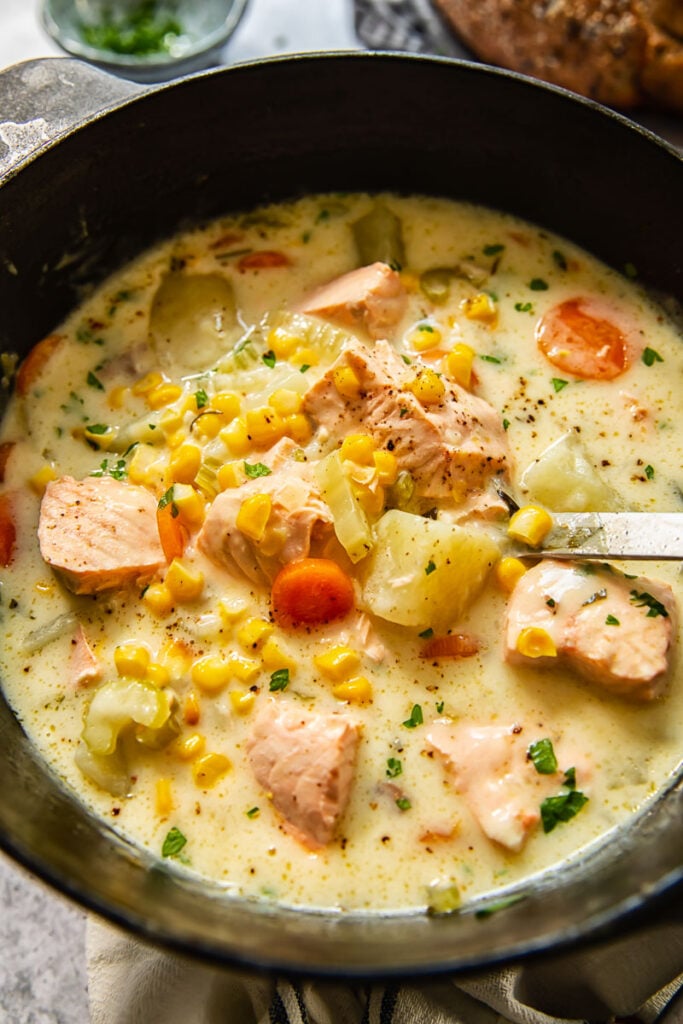
Turn your canned salmon into a restaurant-quality soup with this simple chowder recipe. You’ll need butter, potatoes, milk or half-and-half, and your favorite vegetables.
The creamy broth works perfectly with the rich salmon flavor. Add corn for sweetness or bacon for a smoky touch.
This recipe comes together quickly on your stovetop. Make it with ingredients you likely have in your pantry.
Store leftovers in your refrigerator for up to three days and reheat gently on low heat.
3. Salmon Salad with Dill
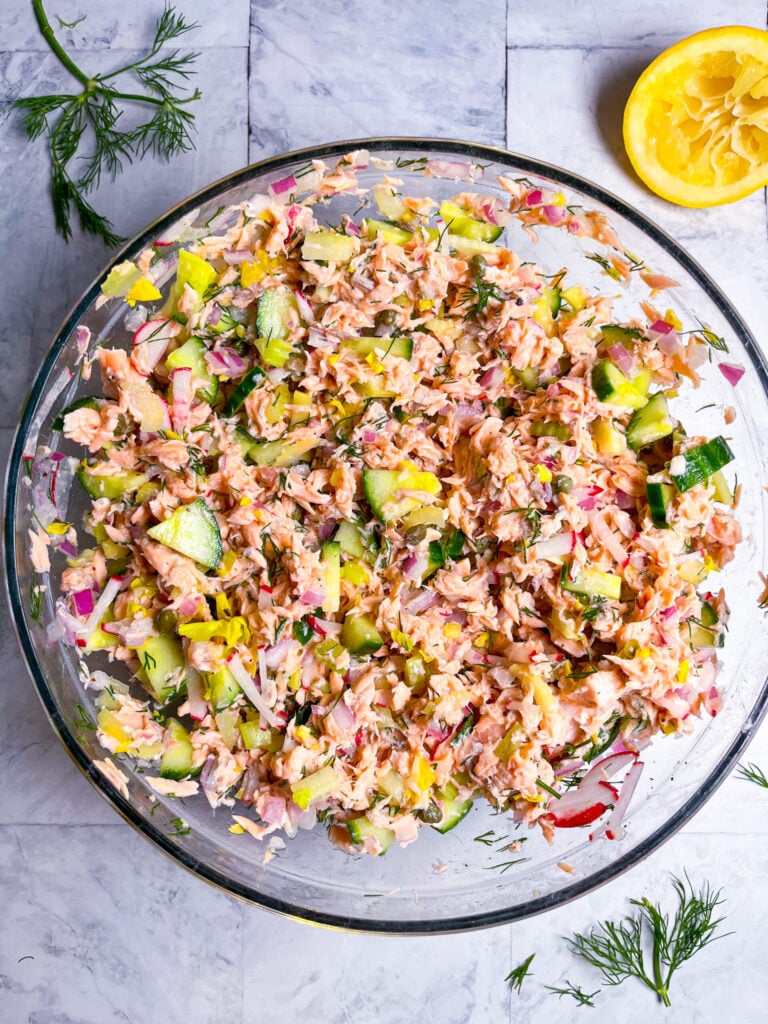
This salad takes just 10 minutes to make and uses ingredients you probably have on hand. Mix canned salmon with mayo, fresh dill, lemon juice, and chopped celery in a bowl.
Add diced red onion and capers for extra flavor. The dill and lemon give it a bright, fresh taste that works well for lunch or dinner.
Eat it on bread, with crackers, or on top of greens. It stays good in your fridge for up to five days.
4. Spicy Buffalo Salmon Dip
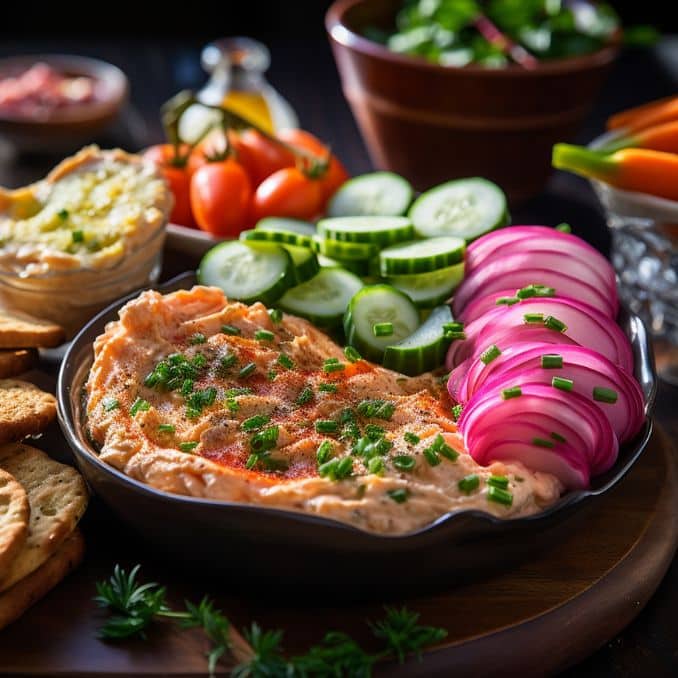
Buffalo salmon dip combines the bold flavors of buffalo sauce with canned salmon for a protein-packed appetizer. Make this dip in under 45 minutes using cream cheese, sour cream, and your favorite hot sauce.
Mix flaked canned salmon with softened cream cheese and buffalo sauce until creamy. Pink or sockeye salmon work best for this recipe.
Serve your dip warm with crackers, vegetables, or chips for an easy party snack.
5. Salmon Pasta with Lemon Sauce
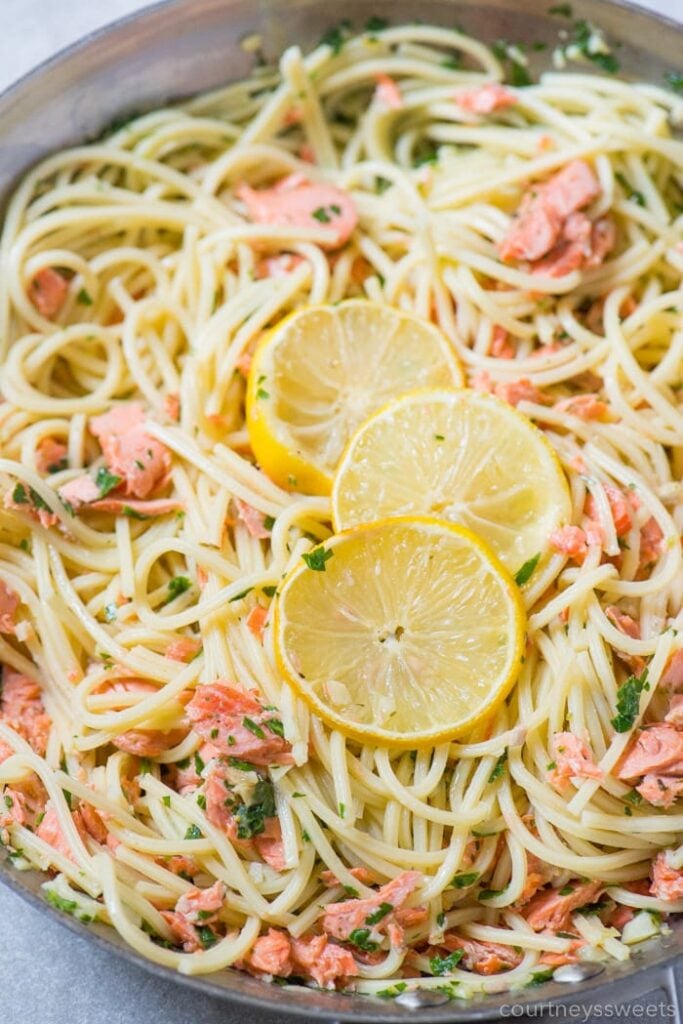
This pasta dish combines canned salmon with a bright lemon sauce that takes just 20 minutes to make. Mix pasta with flaked salmon, butter, and fresh lemon juice for a simple weeknight meal.
The lemon sauce comes together quickly when you combine heavy cream with lemon juice. The acid naturally thickens the cream without curdling it.
Add garlic and fresh herbs like parsley or dill to boost the flavor. Toss in capers for extra saltiness or red pepper flakes if you want some heat.

6. Salmon and Potato Croquettes
Salmon and potato croquettes turn canned salmon into crispy, golden appetizers. Combine mashed potatoes with salmon to create tender patties that hold together well.
The panko breadcrumb coating gives these croquettes their signature crunch. Form them into small bite-sized pieces for parties or larger patties for meals.
Serve them with dipping sauces like tartar sauce, spicy mayo, or a simple lemon aioli. They make an easy weeknight dinner or party snack.
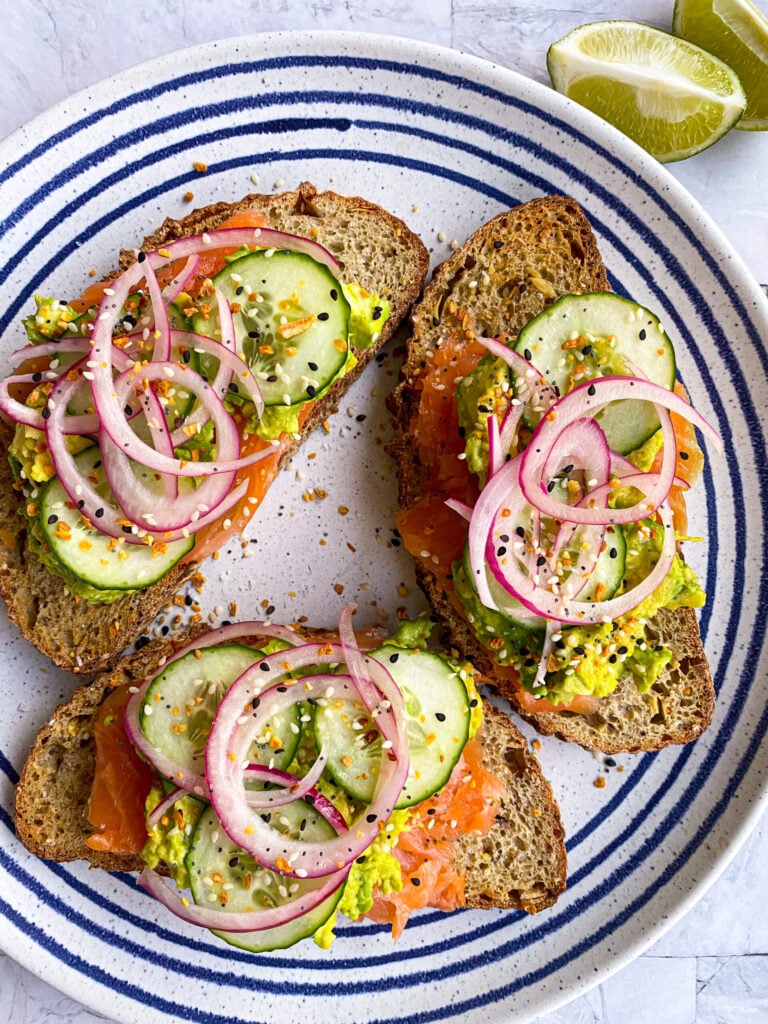
7. Salmon Avocado Toast
Transform canned salmon into a quick, healthy meal with avocado toast. Mash ripe avocado with lemon juice and spread it over toasted bread.
Top with flaked canned salmon for a protein boost. Use sourdough, whole wheat, or multigrain bread as your base.
Add fresh herbs like dill or chives for extra flavor. This recipe takes just minutes to prepare and works well for breakfast, lunch, or a light snack.
The creamy avocado pairs perfectly with the salmon’s savory taste.
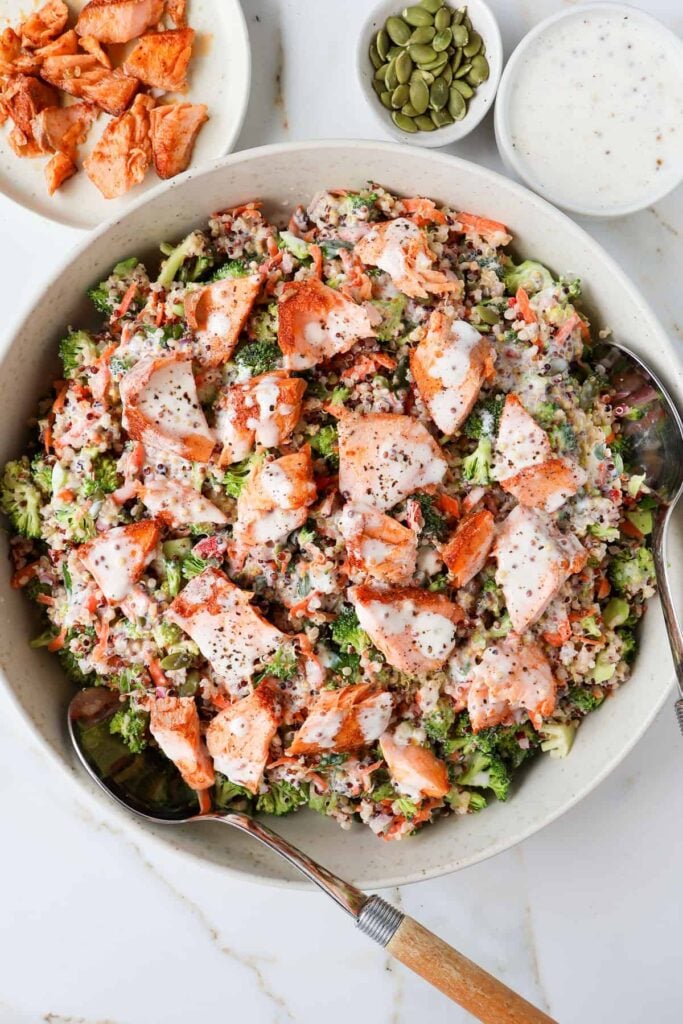
8. Salmon and Quinoa Bowl
Create a nutritious meal by combining canned salmon with quinoa. This bowl provides protein from both the salmon and quinoa, making it filling and satisfying.
Cook your quinoa according to package directions. Drain your canned salmon and flake it with a fork.
Add fresh vegetables like cucumber, cherry tomatoes, or leafy greens to your bowl. Top everything with a simple dressing made from olive oil and lemon juice.
This recipe works well for meal prep since you can make several bowls at once and store them in your refrigerator.

9. Smoked Salmon Spread
Make this spread in just five minutes with canned salmon and basic ingredients. Mix cream cheese, lemon juice, and dill with your canned salmon for a creamy, protein-packed dip.
Serve the spread as an appetizer with crackers or vegetables. You can also use it on bagels or toast for a quick snack.
Full-fat cream cheese gives you the best texture, and a food processor makes mixing easier.
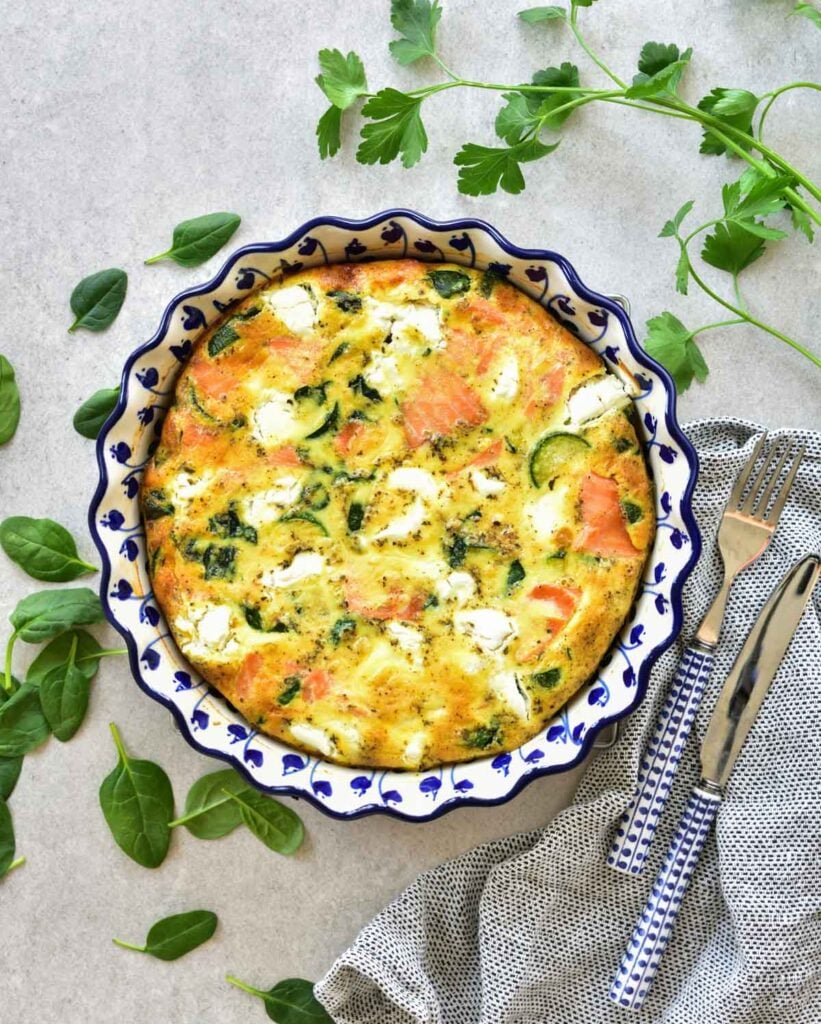
10. Salmon and Spinach Frittata
This frittata combines canned salmon with eggs and spinach for a protein-packed meal. Serve it for breakfast, lunch, or dinner.
The recipe requires just six basic ingredients. Mix drained canned salmon with beaten eggs, thawed spinach, and milk.
Add your preferred seasonings like salt, pepper, and dried basil. Pour the mixture into a greased baking dish.
Bake at 375°F for about 30 minutes until the eggs are fully set. You’ll know it’s ready when the center no longer jiggles.
Health Benefits of Canned Salmon
Canned salmon delivers essential omega-3 fatty acids and quality protein while matching the nutritional value of fresh options at a lower cost.
Omega-3 Fatty Acids in Canned Salmon
Canned salmon provides significant amounts of omega-3 fatty acids, which are essential fats your body cannot produce on its own. A typical 3-ounce serving contains approximately 1,200 to 1,800 milligrams of omega-3s.
These fatty acids support your heart health by reducing inflammation and helping maintain healthy blood pressure levels. They also play a key role in brain function and may help improve cognitive performance.
Key nutrients in canned salmon include:
- Omega-3 fatty acids (EPA and DHA)
- Protein (17-20 grams per 3-ounce serving)
- Vitamin D (up to 90% of daily value)
- Calcium (especially in varieties with bones)
- Selenium and other essential minerals
The bones in canned salmon are soft and edible, offering an excellent source of calcium for bone strength.
Comparison to Fresh and Frozen Salmon
Canned salmon retains nearly the same nutritional value as fresh or frozen salmon. The canning process preserves omega-3 fatty acids, protein, and vitamins effectively.
You get comparable amounts of protein and omega-3s whether you choose canned, fresh, or frozen options. Canned salmon often costs less than fresh salmon, making it easier to include fish in your diet regularly.
One advantage of canned salmon is the inclusion of soft, edible bones, which significantly increases calcium content compared to boneless fresh fillets. Fresh salmon may have a milder flavor and different texture, but the nutritional differences are minimal.
Expert Tips for Cooking With Canned Salmon
Selecting quality canned salmon and storing it correctly makes a big difference in your final dishes. These practical guidelines will help you get the best results from this pantry staple.
How to Choose the Best Canned Salmon
Look for cans labeled wild-caught rather than farmed salmon. Wild salmon contains more omega-3 fatty acids and has a firmer texture that holds up better in recipes.
Check the ingredient list carefully. The best options list only salmon, water, and salt.
Avoid products with added oils, fillers, or preservatives you don’t recognize. Skinless and boneless varieties work well for salads, dips, and spreads where you want a smooth texture.
Cans with skin and bones cost less and provide extra calcium and nutrients. You can easily remove them if preferred, or mash the soft bones into your recipes.
Pink salmon offers a milder flavor and lighter color at a lower price point. Red or sockeye salmon has a richer taste and deeper color but costs more.
Choose based on your recipe needs and budget.
Preparation and Storage Recommendations
Drain canned salmon before using it, but save the liquid. This flavorful liquid adds moisture and nutrients to soups, sauces, or even pet food.
Break up the salmon gently with a fork to separate the chunks. Remove any visible bones or skin if you prefer, though the bones are soft and safe to eat.
Store unopened cans in a cool, dry place for up to 3-5 years. Once opened, transfer leftover salmon to an airtight container and refrigerate.
Use it within 3-4 days for the best quality and safety. You can freeze prepared salmon dishes for up to 3 months.
Avoid freezing plain canned salmon after opening, as the texture becomes mushy when thawed.
Frequently Asked Questions
Canned salmon works well in quick salads, creamy pastas, crispy patties, and warming soups. You can prepare most dishes in under 30 minutes with basic pantry ingredients.
What are some easy-to-prepare canned salmon recipes?
Salmon patties are one of the simplest options. Mix canned salmon with breadcrumbs, eggs, and seasonings, then pan-fry them for about 5 minutes per side.
Salmon salad takes even less time. Combine the salmon with mayonnaise, diced celery, and fresh dill.
Serve it on crackers, in a sandwich, or over greens. Buffalo salmon dip works great for gatherings.
Blend canned salmon with cream cheese, hot sauce, and shredded cheese, then bake until bubbly.
How can I incorporate canned salmon into a healthy meal?
Build a grain bowl with canned salmon over brown rice or quinoa. Add roasted vegetables, leafy greens, and a light vinaigrette for a balanced meal.
Make a salmon salad with Greek yogurt instead of mayonnaise to cut calories while keeping protein high. Add cucumber, tomatoes, and herbs for extra nutrients and flavor.
Salmon chowder provides a filling option when you use low-fat milk and load up on vegetables like carrots, celery, and potatoes. One serving gives you protein, vitamins, and minerals without excessive calories.
What are the best ways to bake canned salmon?
Bake canned salmon at 375°F for about 15 minutes. Shape it into patties first, or spread it in a baking dish for a casserole-style meal.
Season the salmon with garlic, paprika, and lemon juice before baking. These flavors complement the fish without overpowering it.
For crispy results, coat your salmon patties in breadcrumbs and spray them lightly with cooking oil. The patties will develop a golden-brown crust while staying moist inside.
Can you suggest some canned salmon dinner ideas?
Salmon pasta with lemon sauce makes a quick weeknight dinner. Cook your favorite pasta, then toss it with canned salmon, cream, lemon juice, and garlic.
Try salmon chowder when you want something warm and filling. Sauté onions and celery, add diced potatoes and broth, then stir in the salmon and cream near the end.
Salmon patties work well as a main dish alongside roasted vegetables or a fresh salad. Make them spicy with cayenne pepper or keep them mild with just salt and pepper.
How can I use canned pink salmon in a recipe with rice?
Mix canned pink salmon with cooked rice, soy sauce, and scrambled eggs for a simple fried rice. Add frozen vegetables and cook everything together in a large pan.
Make salmon rice bowls by layering warm rice with flaked salmon, avocado, cucumber, and a drizzle of sriracha mayo. This takes about 10 minutes to prepare.
Combine pink salmon with rice, beaten eggs, and breadcrumbs to form patties. Pan-fry these until crispy for a budget-friendly protein option.
Are there any simple air fryer recipes using canned salmon?
Form canned salmon into patties. Cook them in your air fryer at 400°F for 10-12 minutes.
Flip the patties halfway through for even browning. Mix the fish with breadcrumbs, egg, and your choice of seasonings to make salmon cakes.
The air fryer gives the patties a crispy exterior without deep frying. Lightly spray the patties with cooking oil before air frying.
This helps them develop a golden crust similar to pan-frying but with less fat.