
Chinese desserts offer a different approach to sweetness compared to Western treats. These traditional sweets use ingredients like red beans, lotus seeds, glutinous rice, and sesame to create unique flavors and textures.
You will find that Chinese desserts are less sugary than what you might be used to. They focus on natural ingredients and subtle tastes.
This collection brings together some of the most popular and authentic Chinese desserts you can make at home. You will learn about warm soups, sweet puddings, and steamed cakes that have been enjoyed for generations.
These recipes range from simple preparations to more involved dishes that require special ingredients from an Asian market.
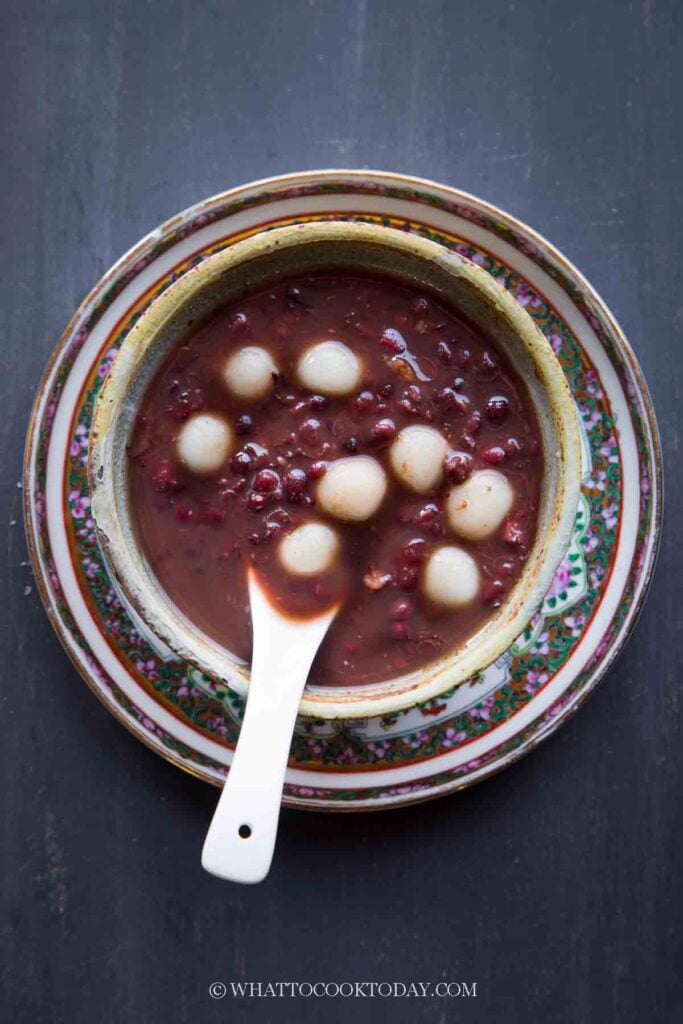
1. Red Bean Soup
Red bean soup is a classic Chinese dessert you’ll find at many restaurants and banquets. You make it with adzuki beans, water, and sugar.
Boil the beans until soft, then mash them to create a smooth or slightly grainy texture. This sweet soup has a rich, comforting flavor.
You can serve it warm or cold depending on your preference. Some versions include tapioca pearls or tangerine peel for extra texture and flavor.
You need just a few basic ingredients to make this traditional treat at home.
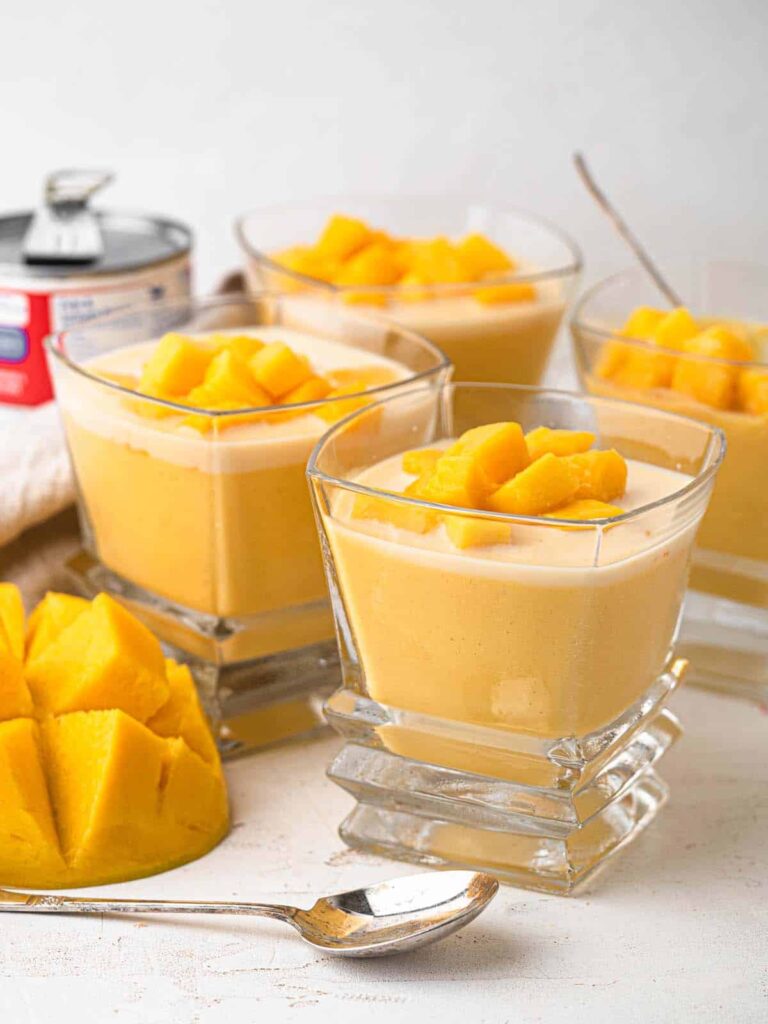
2. Mango Pudding
Mango pudding is a popular dessert you’ll find in Chinese restaurants across Hong Kong and beyond. This creamy treat combines ripe mangoes with gelatin and cream to create a smooth texture.
You only need about six basic ingredients to make this dessert at home. The pudding sets in your fridge and requires no baking.
The flavor is tropical and sweet without being too heavy. Many people enjoy it during warm weather because it’s refreshing and light.
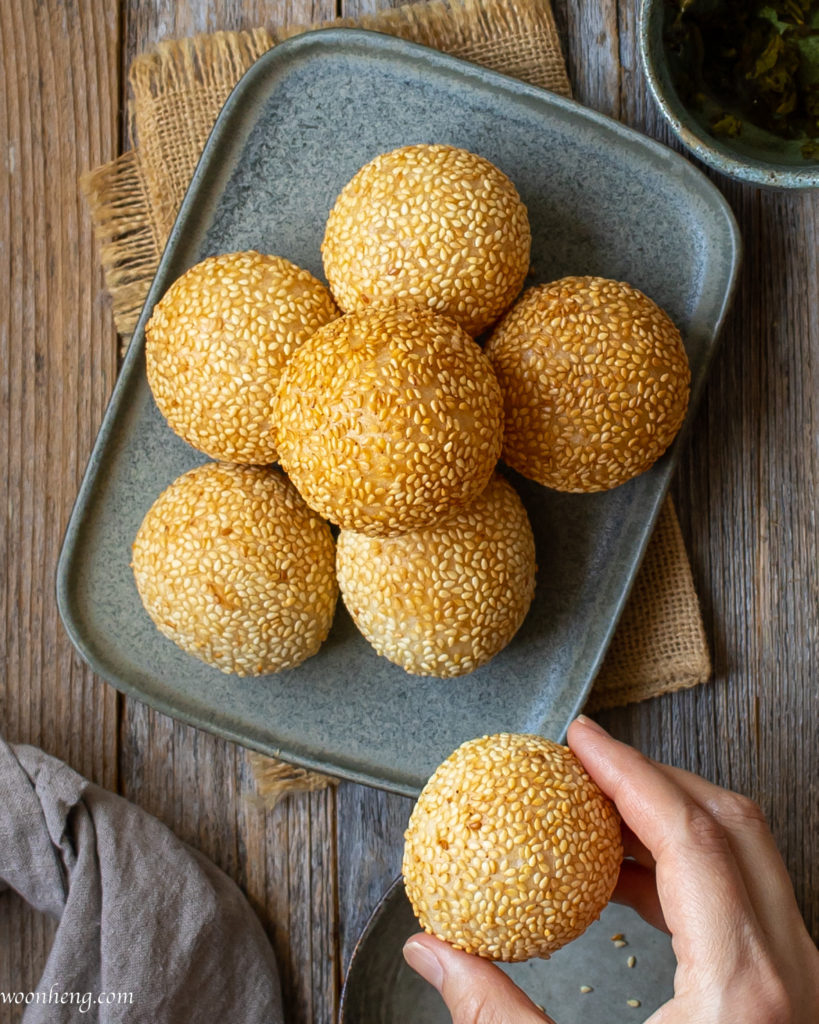
3. Sesame Balls (Jian Dui)
Sesame balls are crispy fried pastries made from glutinous rice flour and coated with sesame seeds. You’ll find them in dim sum restaurants and Chinese bakeries around the world.
The texture combines a crunchy exterior with a chewy interior. Most sesame balls contain sweet fillings like red bean paste, lotus seed paste, or peanut paste.
During Lunar New Year, these golden treats hold special meaning. Their round shape and tendency to puff up while frying represent prosperity and good fortune.
You can make them at home by shaping the dough around your chosen filling before coating and frying.
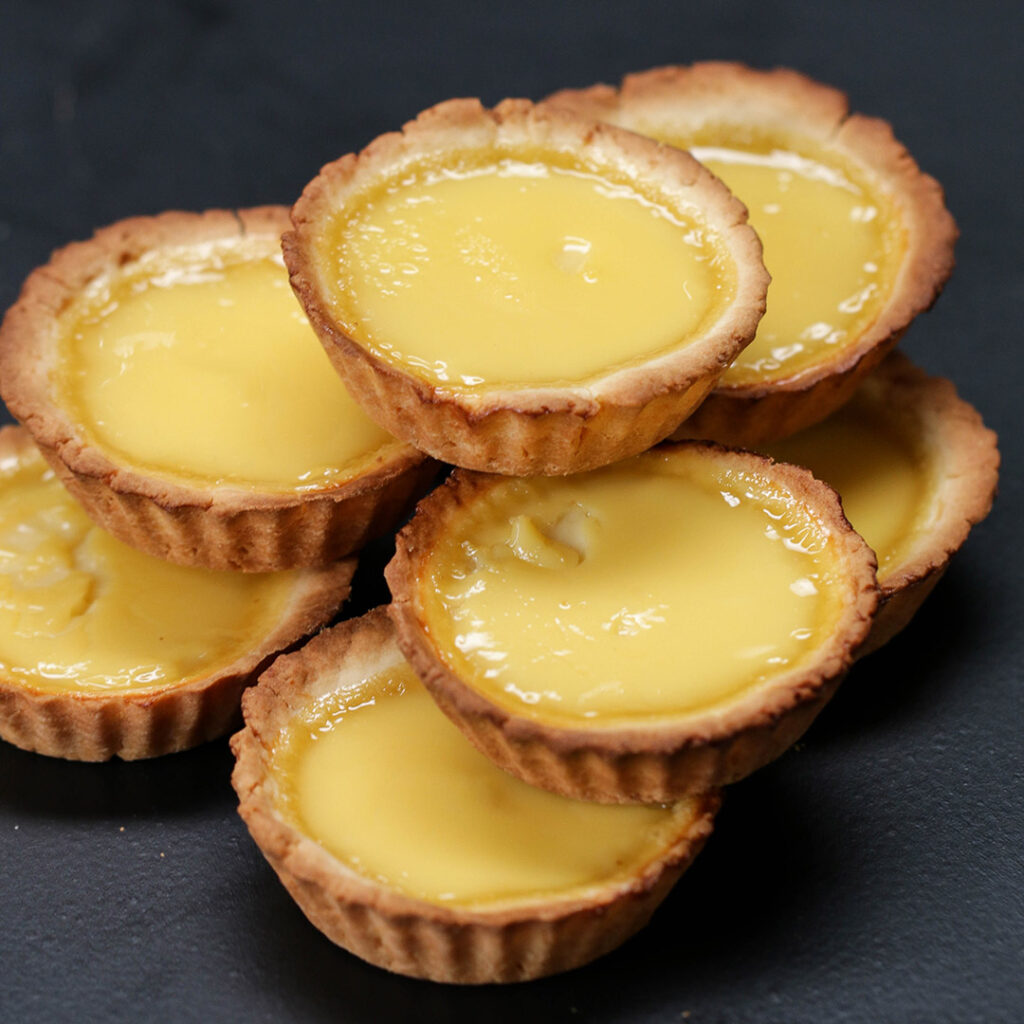
4. Egg Tarts
Chinese egg tarts are a beloved dim sum treat that you’ll find in bakeries across Hong Kong and Chinatown. Each tart features a smooth egg custard filling nestled inside a pastry shell.
You can make these with either puff pastry for a flaky texture or shortcrust pastry for a firmer base. The custard itself is lightly sweetened and bakes to a silky consistency.
These tarts taste best when served warm from the oven. The contrast between the crisp shell and creamy center makes them stand out among Chinese desserts.
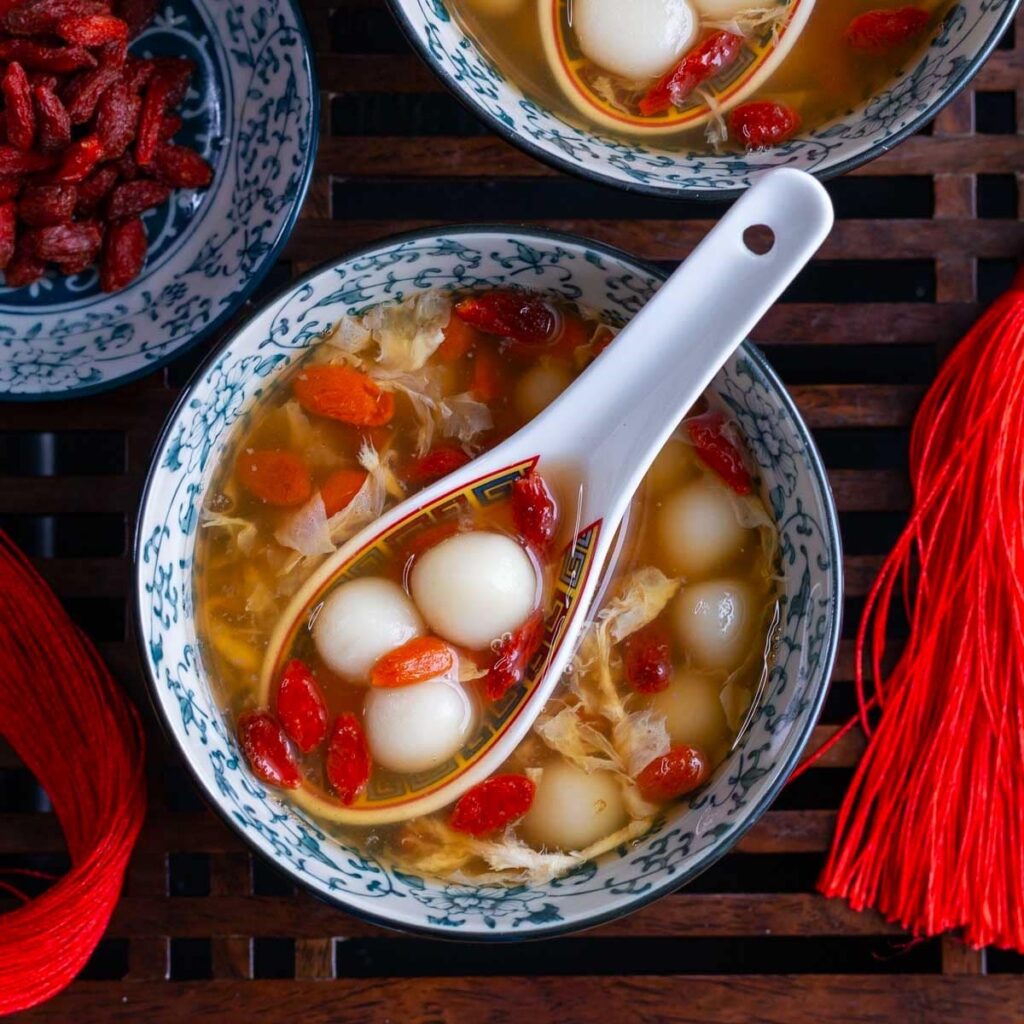
5. Glutinous Rice Balls (Tangyuan)
Tangyuan are soft, chewy rice balls made from glutinous rice flour. You’ll find them filled with sweet ingredients like black sesame paste, red bean, or peanut.
The filling becomes warm and semi-runny when cooked. These rice balls are traditionally served in warm, sweetened ginger broth.
You can also enjoy them in plain liquid if you prefer. The dessert holds special meaning during Chinese New Year and the Lantern Festival, symbolizing family togetherness and unity.
Making tangyuan at home is straightforward with just a few basic ingredients.
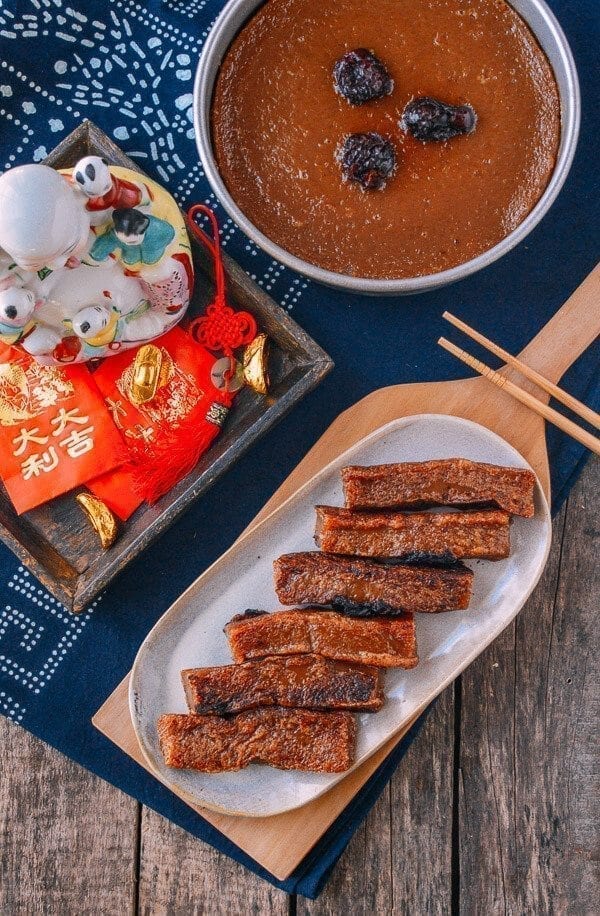
6. Steamed New Year Cake (Nian Gao)
Nian gao is a sticky rice cake made from glutinous rice flour and sugar. You’ll find this sweet dessert at almost every Lunar New Year celebration.
The name sounds like the phrase for “higher year” in Chinese. This makes it a symbol of growth and success for the coming year.
You can make nian gao by steaming or baking the batter until it becomes solid. The result is a chewy, slightly sweet cake with a unique sticky texture that comes from the glutinous rice flour.
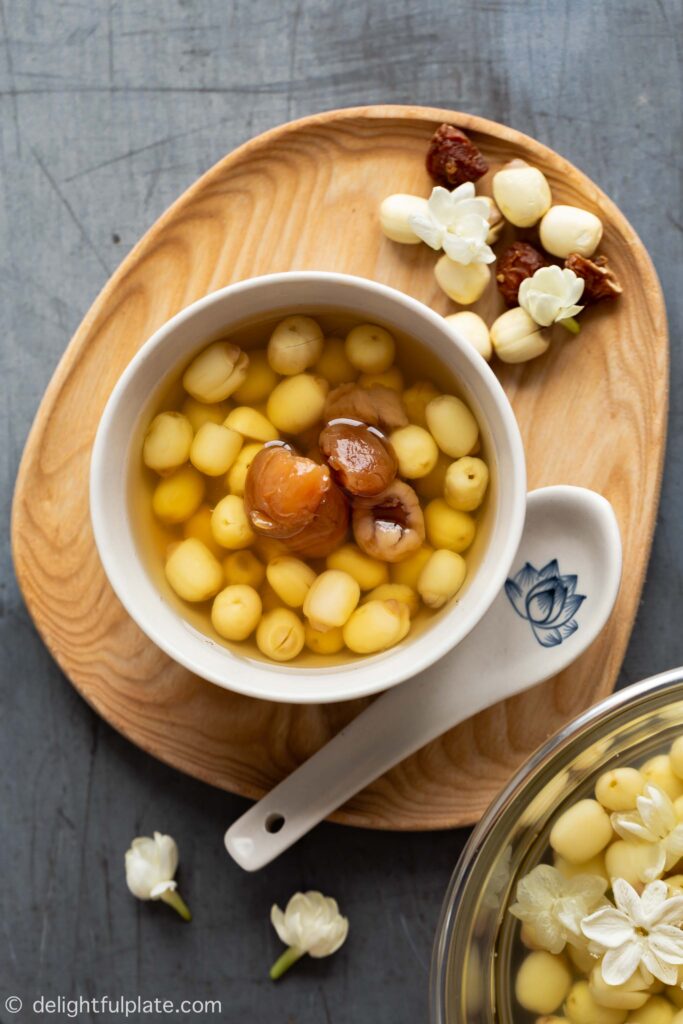
7. Sweet Lotus Seed Soup
Sweet lotus seed soup is a traditional Chinese dessert with a soft, comforting texture. The dried lotus seeds simmer until tender, creating a slightly sweet and nutty flavor.
You can make this soup with simple ingredients like rock sugar, dried longans, and red dates. Some versions include snow fungus or goji berries for added nutrition.
The soup serves warm or chilled, making it perfect any time of year. It takes under an hour to prepare and offers a lighter sweetness than typical Western desserts.
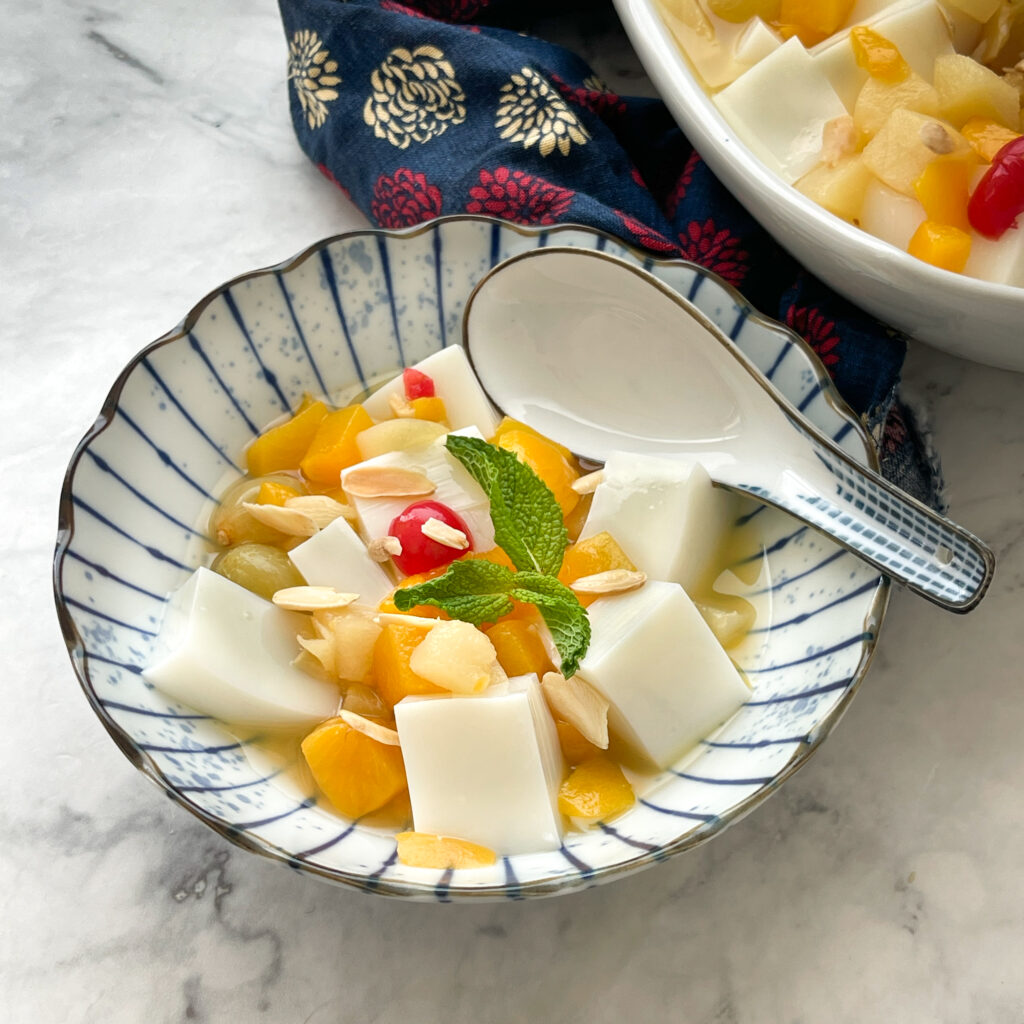
8. Almond Jelly
Almond jelly is a popular Cantonese dessert you’ll find at many dim sum restaurants. Despite its name “almond tofu,” it contains no actual tofu.
The dessert gets this nickname because the white jelly cubes look like tofu pieces. You make it by setting milk, sugar, and almond extract with gelatin or agar-agar.
The result is smooth, wobbly cubes with a light almond flavor. Most people serve it chilled with fresh fruit or canned fruit cocktail in sweet syrup.
It’s a refreshing treat that’s easy to make at home.
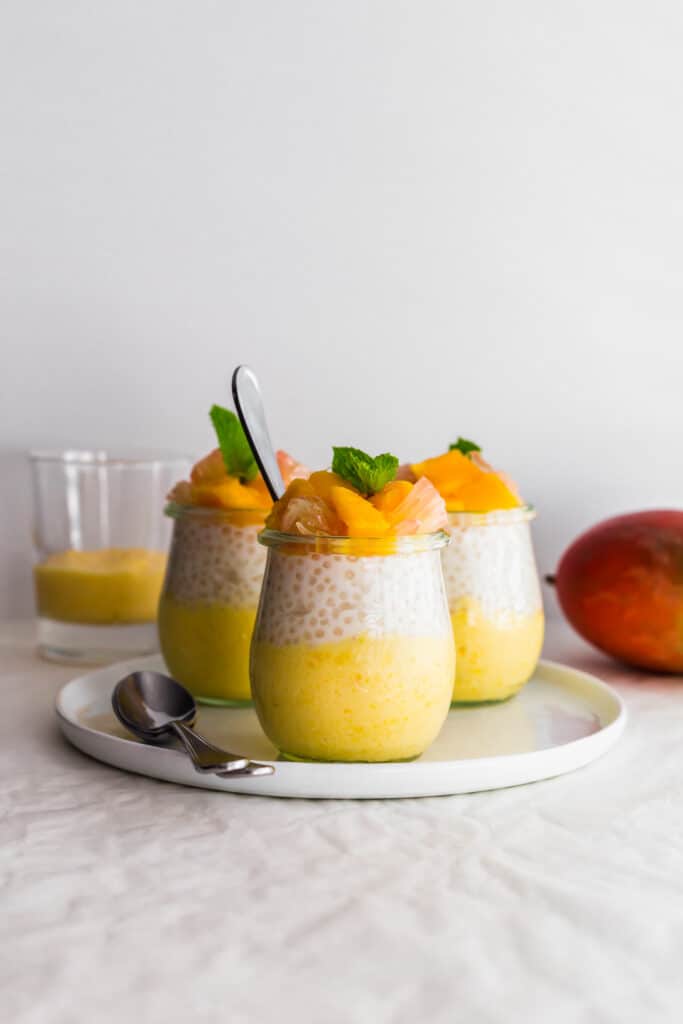
9. Mango Pomelo Sago
This popular Hong Kong dessert combines sweet mango, tangy pomelo, and chewy sago pearls in a creamy coconut milk base. You’ll find it at dim sum restaurants and Chinese dessert shops throughout Asia.
The dish offers a mix of textures and flavors. The sago pearls are soft and bouncy, while pomelo adds a citrus note.
Fresh mango provides natural sweetness, and coconut milk ties everything together. You can serve it chilled, making it perfect for warm weather.
Many versions need no added sugar since ripe mangoes provide enough sweetness.
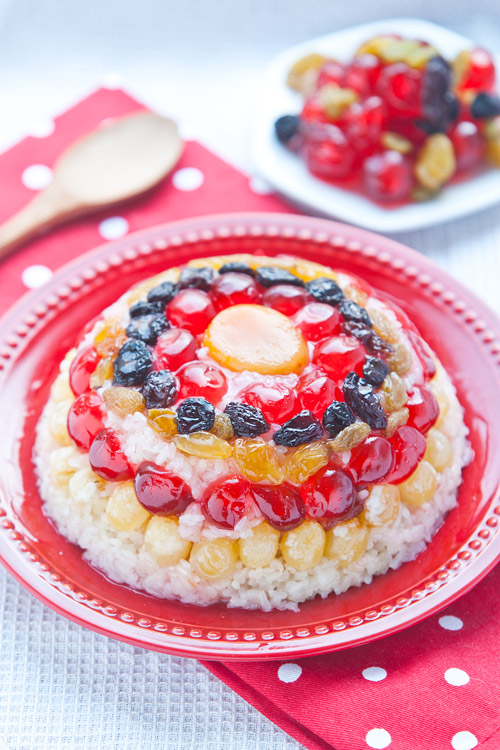
10. Eight-Treasure Rice Pudding
Eight-Treasure Rice Pudding, called Ba Bao Fan in Chinese, is a traditional dessert you’ll see during Chinese New Year celebrations. The name comes from the eight different dried fruits and sweet ingredients arranged on top of sticky glutinous rice.
You’ll find the pudding features a sweet red bean paste filling in the center. The “treasures” include items like raisins, candied winter melon, lotus seeds, and dates arranged in pretty patterns.
Chinese people associate the number eight with good luck and prosperity, making this dessert especially meaningful during festive occasions.
Cultural Significance of Chinese Desserts
Chinese desserts carry deep meaning beyond their sweet taste. They serve as symbols of prosperity, family unity, and good fortune throughout generations.
These treats play important roles in festivals and daily life across Chinese culture.
Historical Roots and Traditions
Chinese desserts developed over thousands of years, with recipes passed down through families and refined across different regions. Each area of China created its own special sweets using local ingredients like red beans, lotus seeds, and glutinous rice.
These desserts weren’t just food. They became part of daily rituals and family traditions.
Grandmothers taught their grandchildren how to shape dough and prepare fillings using the same methods their ancestors used centuries ago. The techniques for making traditional sweets required skill and patience.
Steaming, boiling, and careful preparation methods helped preserve both the flavors and the cultural practices. Many desserts used ingredients chosen for their symbolic meanings rather than just their taste.
Different dynasties influenced dessert-making styles. The ingredients and methods you see today reflect centuries of trade, regional preferences, and cultural exchanges that shaped Chinese culinary history.
Symbolism in Festivals and Celebrations
Chinese desserts appear at specific celebrations for meaningful reasons. Mooncakes during the Mid-Autumn Festival represent family reunion and completeness because of their round shape.
Tangyuan (glutinous rice balls) served during the Lantern Festival symbolize family togetherness and unity. Many desserts use ingredients with symbolic meanings.
Red beans represent good luck, while lotus seeds symbolize fertility and abundance. The colors, shapes, and even the number of items served carry significance.
You’ll find specific sweets at weddings, birthdays, and New Year celebrations. These aren’t random choices.
Each dessert conveys blessings like:
- Longevity and health
- Wealth and prosperity
- Harmony in relationships
- Success in endeavors
Sharing desserts during gatherings strengthens family bonds and honors traditions. The act of making these sweets together creates connections between generations and keeps cultural practices alive.
Common Ingredients and Techniques
Chinese desserts rely on ingredients like red beans, lotus seeds, and glutinous rice rather than the butter and refined sugar common in Western sweets. The preparation methods focus on steaming, boiling, and careful layering to create distinct textures.
Traditional Sweeteners
Chinese desserts use rock sugar as their primary sweetener. This ingredient dissolves slowly and creates a cleaner, less cloying sweetness than white granulated sugar.
You’ll also find maltose in many recipes. This syrup adds shine and chewiness to candies and pastries.
It works especially well in treats like dragon’s beard candy. Natural sweeteners play an important role too.
Red bean paste contains its own subtle sweetness that balances savory notes. Lotus seed paste offers a similar effect with a mild, earthy flavor.
Some recipes call for brown sugar slabs, which add molasses notes to ginger soups and sweet broths. You can also use honey in certain preparations, though it’s less traditional than the other options.
Popular Preparation Methods
Steaming is the most common cooking technique for Chinese desserts. You’ll use this method to make buns, cakes, and puddings without adding extra fat.
The gentle heat keeps textures soft and moist. Boiling creates sweet soups and broths that you serve warm or cold.
This technique extracts flavors from ingredients like black sesame, mung beans, and dried fruits. You’ll need to master working with glutinous rice flour for many recipes.
This ingredient requires kneading with hot or cold water depending on the desired texture. It creates the chewy consistency in mochi-like treats.
Deep frying applies to specific desserts like sesame balls. The high heat creates a crispy exterior while keeping the inside soft.
You must control oil temperature carefully to avoid greasy results.
Frequently Asked Questions
Chinese desserts blend traditional ingredients like red bean paste, glutinous rice, and fresh fruits into treats that range from simple no-bake puddings to fried specialties. Many home cooks want to know which recipes work best for beginners, which desserts hold cultural importance, and how modern chefs adapt these classics.
What are some easy-to-make traditional Chinese dessert recipes?
Mango pudding stands out as one of the easiest Chinese desserts you can make at home. You only need mango puree, evaporated milk, sugar, and gelatin to create this smooth dessert.
Red bean soup requires minimal technique. You cook adzuki beans with water and sugar until soft, then serve the soup warm or cold.
Tangyuan becomes simple when you use store-bought glutinous rice flour. You mix the flour with water to form a dough, shape it into balls, and boil them in sweet ginger syrup.
Which desserts are considered the top traditional options in Chinese cuisine?
Egg tarts rank among the most beloved Chinese desserts across different regions. The flaky pastry shell holds a smooth, custard-like filling that balances sweetness with rich egg flavor.
Sesame balls, known as jian dui, appear at celebrations and dim sum restaurants throughout China. These fried glutinous rice balls come coated in sesame seeds and filled with sweet red bean or lotus paste.
Tangyuan carries special meaning during winter solstice and Lantern Festival celebrations. The round shape represents family unity and togetherness in Chinese culture.
Can you list no-bake Chinese desserts that can be prepared at home?
Mango pudding requires no oven or stovetop cooking beyond heating the gelatin mixture. You simply blend ingredients together and refrigerate until set.
Mango pomelo sago combines fresh fruit with tapioca pearls and coconut milk. You cook the tapioca separately, then mix all components in a bowl and chill before serving.
Almond tofu uses agar-agar or gelatin to set into a delicate dessert. You dissolve the setting agent in almond milk, pour into molds, and refrigerate.
What modern twists on Chinese desserts do chefs recommend?
Chefs now fill egg tarts with matcha custard or chocolate ganache instead of traditional egg custard. These variations maintain the classic pastry shell while offering new flavor profiles.
Modern sesame balls sometimes contain unconventional fillings like taro, purple sweet potato, or even ice cream. The outer shell stays traditional while the center surprises diners.
Deconstructed versions of red bean soup appear on restaurant menus as plated desserts. Chefs serve the beans alongside coconut foam, crispy rice elements, and fruit garnishes.
Which Chinese desserts have historical significance?
Mooncakes connect directly to the Mid-Autumn Festival and date back over 1,000 years. Legend says people used these pastries to hide messages during the Yuan Dynasty rebellion.
Tangyuan has roots in the Song Dynasty and symbolizes family reunion. Families gather to make and eat these glutinous rice balls during the Lantern Festival.
Nian gao, a sticky rice cake, represents progress and growth in the new year. The name sounds like “higher year” in Chinese, which explains its appearance at Lunar New Year celebrations.
Chinese desserts typically use less sugar than Western sweets. This approach comes from traditional beliefs about balance in food and health.
Traditional Chinese medicine values ingredients like red beans, lotus seeds, and dates for their health benefits. Many desserts offer warming or cooling properties in addition to taste.
Texture matters as much as flavor in Chinese dessert culture. You’ll find combinations of chewy, smooth, crispy, and soft elements in a single dish.